Reviews and Comparisons
Adidas Terrex Trailmaker 2 Gore-Tex: analysis and key usage points
A lightweight and versatile option for wet trails, getaways, and urban use with good grip and protection.

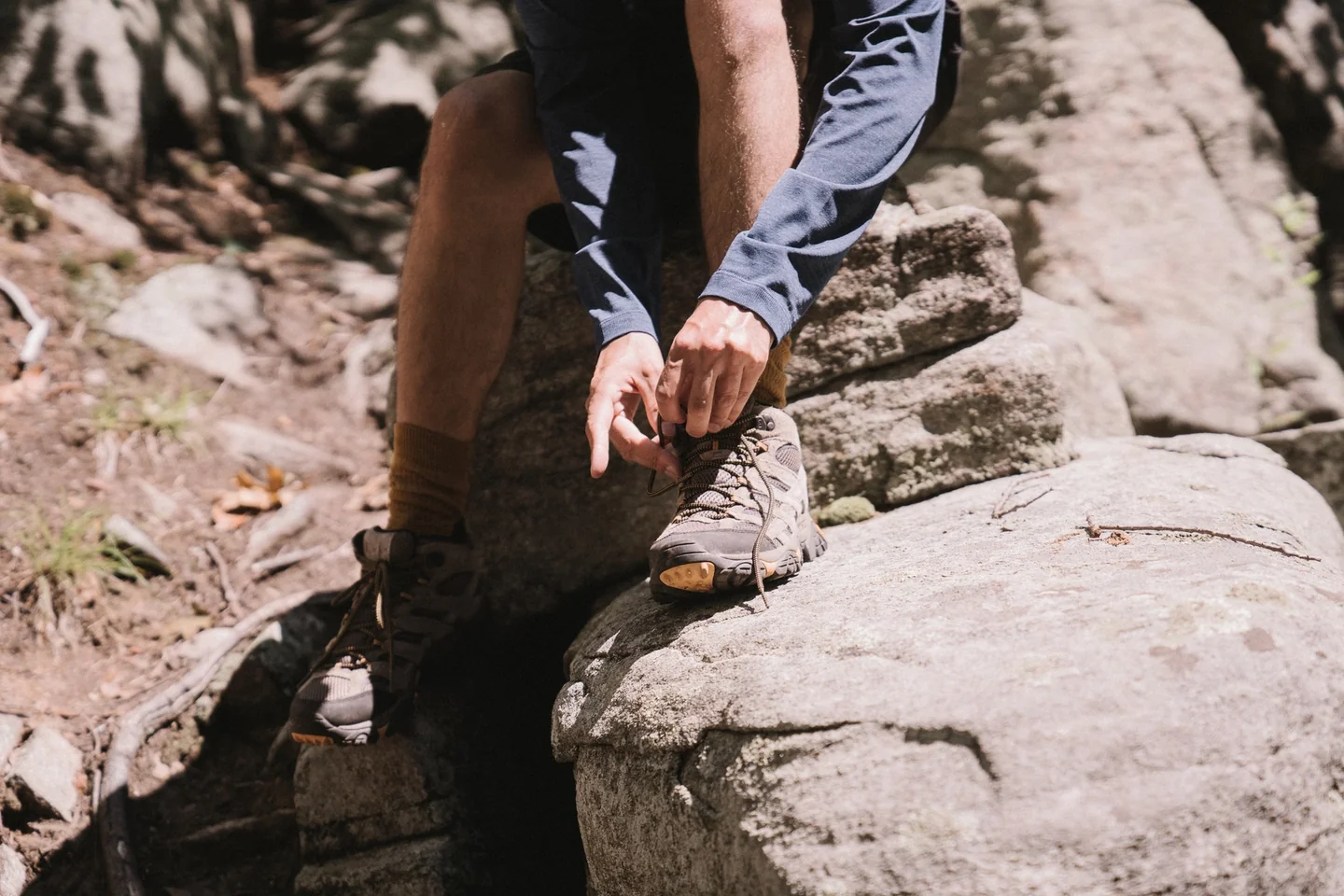
The adidas Terrex Trailmaker 2 Gore-Tex has carved out a place among lightweight hiking shoes thanks to an uncommon combination: real waterproofing, a grippy outsole, and a feel closer to a sneaker than to a classic boot. In a category full of heavy or overly stiff models, this adidas Terrex offering bets on agility without giving up a solid base for walking through wet ground, broken tracks, or muddy trails.
Its appeal lies in that blurry boundary between technical footwear and everyday use. It’s not a high boot and it’s not a pure trail shoe either, but a hybrid designed for anyone who wants to move comfortably on day hikes, weekend getaways, and urban routes in unsettled weather. That idea explains much of its success: it offers more protection than a conventional sneaker and less bulk than a traditional mountain boot.
A lightweight trekking shoe with all-terrain ambitions
The Trailmaker 2 Gore-Tex design follows a very clear outdoor trend: reduce weight, improve comfort, and maintain protection against water. According to the most widely shared specifications from retailers and specialist media, the model weighs around 346 grams in a women’s UK 5.5 size, a modest figure for a mountain shoe with a waterproof membrane. In practice, that translates into a less cumbersome stride and a sensation of speed that is unusual in this type of footwear.
The construction combines synthetic and textile materials, with a water-repellent finish on the outside and a Gore-Tex membrane responsible for blocking moisture without completely sealing out breathability. It is not absolute protection against prolonged immersion, but it is a reliable shield for rain, puddles, wet grass, and mud. That distinction matters: a shoe can keep the foot dry for hours without having to behave like a watertight shell.
The overall impression conveyed by reviews published by British media is consistent: the Trailmaker 2 aims to be a jack-of-all-trades. It works for a demanding walk, for a trip that mixes streets and trails, and for that user who does not want different shoes depending on the terrain. In editorial terms, its value lies in versatility, not extreme specialization.
What its construction offers and why it matters in real use
The central feature of the model is the waterproof membrane, but the rest of the build supports it. The reinforced tongue helps seal the upper and prevents small splashes or traces of moisture from getting in easily. Combined with the protected toe cap, the shoe handles well on trails with rocks, roots, and loose soil, where an overly flexible upper often shows wear too early.
The bio-based EVA midsole provides cushioning with a relatively forgiving feel. It does not aim to deliver the springy response of a running shoe, but it does soften impacts on long walks and reduce the harshness that appears when you spend hours stepping on compact stone or hard asphalt. That nuance matters for anyone alternating surfaces, because the foot appreciates a less abrupt transition between city and mountain.
Below, the Continental outsole is one of the model’s most recognizable elements. Adidas has established this collaboration as a trusted signature in its outdoor lines, and here it once again plays a decisive role. The lugs are high enough to bite into mud and loose ground, with a pattern that helps maintain traction on varied footing. It does not turn wet ground into a safe carpet, but it does reduce uncertainty when the route gets tricky.
There is also a background detail worth noting: Adidas states that each pair incorporates a minimum of 20% recycled and renewable materials. In an industry where the environmental narrative is often vague, this data adds context, although it does not by itself settle the debate about durability, repairability, or life cycle. Still, the shoe sits within a more modern manufacturing line that seeks to reduce its source impact.
How it performs on mud, rain, and loose stone
Performance on soft ground is probably where this shoe makes the most sense. In tests published by specialist media, the outsole has shown a good ability to dig into wet mud and clear dirt quickly, something very useful when the trail changes texture every few meters. That self-cleaning capacity is no small detail: it keeps the shoe from turning into a heavy block of caked-on dirt by the end of a hike.
On wet rock, the behavior is more cautious. As with many outsoles in this category, grip decreases when the surface is smooth and the angle of support becomes tricky. This is not a defect unique to this model, but rather a reminder that traction also depends on the type of terrain and foot placement technique. On wet stone, safety is never automatic.
The water protection does its job in realistic scenarios: steady rain, soaked grass, muddy paths, or occasional puddles. Where it should not be asked too much is deep immersion or compact snow and intense cold. For that kind of use, adidas offers more specific ranges with additional insulation. The Trailmaker 2 Gore-Tex is designed to move between seasons, not to replace a hard winter shoe.
That limit, far from reducing its value, defines its profile more clearly. Some shoes promise too much and end up uncomfortable because they are too stiff or because their waterproofing is poorly executed. Here the proposal is more sensible: lightness, reasonable support, and sufficient protection for most non-extreme hiking outings.
Comfort, fit, and the feeling of wearing a sturdier sneaker
One of the most frequently repeated surprises in reviews is how quickly this model becomes easy to wear. It does not require a long break-in period, something valuable in outdoor footwear, where initial rubbing often becomes a small penalty during the first few days. The Trailmaker 2 has a gentle learning curve, especially if the foot does not need excessive internal volume.
The fit, however, has nuances. Several reviews describe it as somewhat firm around the ankle, which helps create a sense of structure but can feel less comfortable until the material softens. That initial stiffness is not unusual in a design that aims to reinforce an area where a low shoe often loses support compared with a boot. In return, the whole package gains visual and mechanical stability.
The collar does not provide the support of a high-cut boot, and that is the model’s clearest boundary. Anyone needing lots of lateral support or planning to carry a heavy backpack for hours will probably miss a higher shaft. On the other hand, for agile routes and brisk walks, the freedom around the ankle can be an advantage. The foot moves with less resistance, and that shows when the day gets long.
The part some testers liked least is the lacing system. It has been described as somewhat stiff or a bit tedious to adjust in the lower part of the instep, which means you need patience to find the right tension. It does not change the overall experience, but it does show that the shoe is more refined as a whole than in the fine details of the lacing.
Who it makes sense for and who it doesn’t
The Trailmaker 2 Gore-Tex fits well a user profile that wants one pair for many scenarios. It works for light to moderate hiking, day trips, getaways in changeable weather, and routes where asphalt mixes with unpaved paths. It may also appeal to anyone who values a less rugged look, because visually it is closer to an urban sneaker than to a classic boot.
Its case weakens when the terrain demands maximum ankle protection or when the route becomes more challenging with a heavy pack, very technical sections, or snow. In those cases, a boot with more ankle height or a more specialized model offers more safety margin. The Trailmaker 2 was not made to replace an entire outdoor wardrobe, but to fill the gap of the intermediate option that solves more than it first seems.
Temperature is another factor. The Gore-Tex membrane helps against water, but it does not make the shoe a thermal model. In dry cold and mild winter days, a good technical sock may be enough; in snow, severe frost, or persistent wind, the feeling will be different. Waterproof does not mean warm, and that distinction remains one of the most important when buying mountain footwear.
For runners or walkers who alternate between parks, tracks, and mountain outings, the appeal lies in its versatility. It is not a trail running shoe, even if it has a similar look; it is not a heavy hiking boot, even if it can hold its own on easy trails. That middle position may seem unremarkable in a store display, but in practice it is the one that accumulates the most uses over the year.
Price, positioning, and what it communicates versus the competition
The reference price reported by several media outlets and stores is around 100 British pounds or about 149.99 dollars in certain markets, although the final amount varies by country, colorway, sizing, and promotions. In the segment of outdoor shoes with a membrane, that places it in a competitive range, especially compared with rival brands whose prices rise as soon as they add technical outsoles and waterproof protection.
The value equation, therefore, does not depend only on the number. The combination of Continental outsole, Gore-Tex membrane, contained weight, and an appearance that lets it be worn in the city without feeling like overly specialized gear matters a lot. The relationship between use and cost improves the more that transition between environments is taken advantage of.
Against a more traditional boot, the Trailmaker 2 wins in mobility and lightness; against a more aggressive trail shoe, it offers more coverage and a structure better suited to walking without constantly thinking about the terrain. That dual comparison explains why so many reviews describe it as an all-rounder. Not because it does everything perfectly, but because it handles a broad range of real needs very well.
In a market where marketing often exaggerates each model’s capabilities, this adidas Terrex speaks more soberly. It promises what it can deliver: reasonable dryness, good grip, consistent comfort, and moderate weight. For many users, that is worth more than a long list of features that only show up in the lab.
The impression it leaves in today’s outdoor lineup
The adidas Terrex Trailmaker 2 Gore-Tex fits into a growing idea in mountain gear: the outdoors is no longer divided into rigid compartments and is becoming more hybrid, more urban, and more flexible. The person going for a walk no longer always distinguishes between route, stroll, and trip; they switch surfaces naturally, like turning a key to open another door. Footwear responds to that reality with designs that are less extreme and more versatile.
That is why this model matters beyond its technical sheet. It speaks to a way of moving where lightness is not a whim, but a way to go farther with less fatigue. The cushioning helps, the waterproofing protects, and the outsole supports; the rest is up to the terrain, which always has the final say. That combination, simple in appearance, explains why the Trailmaker 2 continues to appear among the most consulted options when looking for a lightweight hiking shoe with a membrane.
Its place is clear: day routes, variable terrain, wet getaways, muddy paths, and mixed use both in and out of the city. It is not the definitive tool, nor does it claim to be. But it is one of those solutions that, when they fit the type of outing and the weather, become almost invisible, which is one of the greatest virtues of good sports gear. It works without demanding the spotlight, and in the outdoor world that is often a form of praise.
Este artículo contiene enlaces de afiliado: si compras a través de ellos, se genera una pequeña comisión sin coste adicional para ti. Más información.



Reebok runs large or small: a real fit guide

Hoka Challenger ATR 7 GTX: complete review of the all-terrain shoe

How to clean white sneakers without ruining them

Altus Pirineos 40-liter backpack: analysis, use, and key points

20,000 mm waterproof jacket for men: key points to get it right

Under Armour HOVR Sonic 6: complete review of the shoe

incline treadmills: guide to choosing better

Achilles tendonitis: real recovery time

Pain in the Achilles heel: causes, signs, and relief

What to take for calf pain: real relief and when to worry

 Races3 months ago
Valencia Half Marathon 2026: date and registration

 Reviews and Comparisons4 months ago
Asics Gel-Roadmiles 3 for men: review and current price

 Races3 months ago
Valencia Marathon 2026: entry, ballot and course

 Reviews and Comparisons4 months ago
Asics Gel Sonoma 8 Gore-Tex: complete analysis for trail and rain
- Sneakers3 months ago
Saucony Endorphin Pro 4: full review and verdict

 News5 months ago
Strava API 2026: what changes for clubs, challenges and runner apps?

 Reviews and Comparisons5 months ago
Nike Alphafly 3: opinions, sensations, and real key points

 Reviews and Comparisons4 months ago
Under Armour running shoes review 2025-2026: models and key features
- Sneakers4 months ago
Adidas Adizero Boston 13 for men: review and verdict

 Sports Equipment4 months ago
Shoe sizes in cm: a clear guide to getting the right fit for your footwear
- Sneakers3 months ago
Neutral running shoes with lots of cushioning: the best of 2026

 News4 months ago
Where is the Hoka brand from and why was it born in France