Sneakers
Neutral running shoes with lots of cushioning: the best of 2026
A clear comparison of highly cushioned models for long runs, recovery sessions and daily road training.

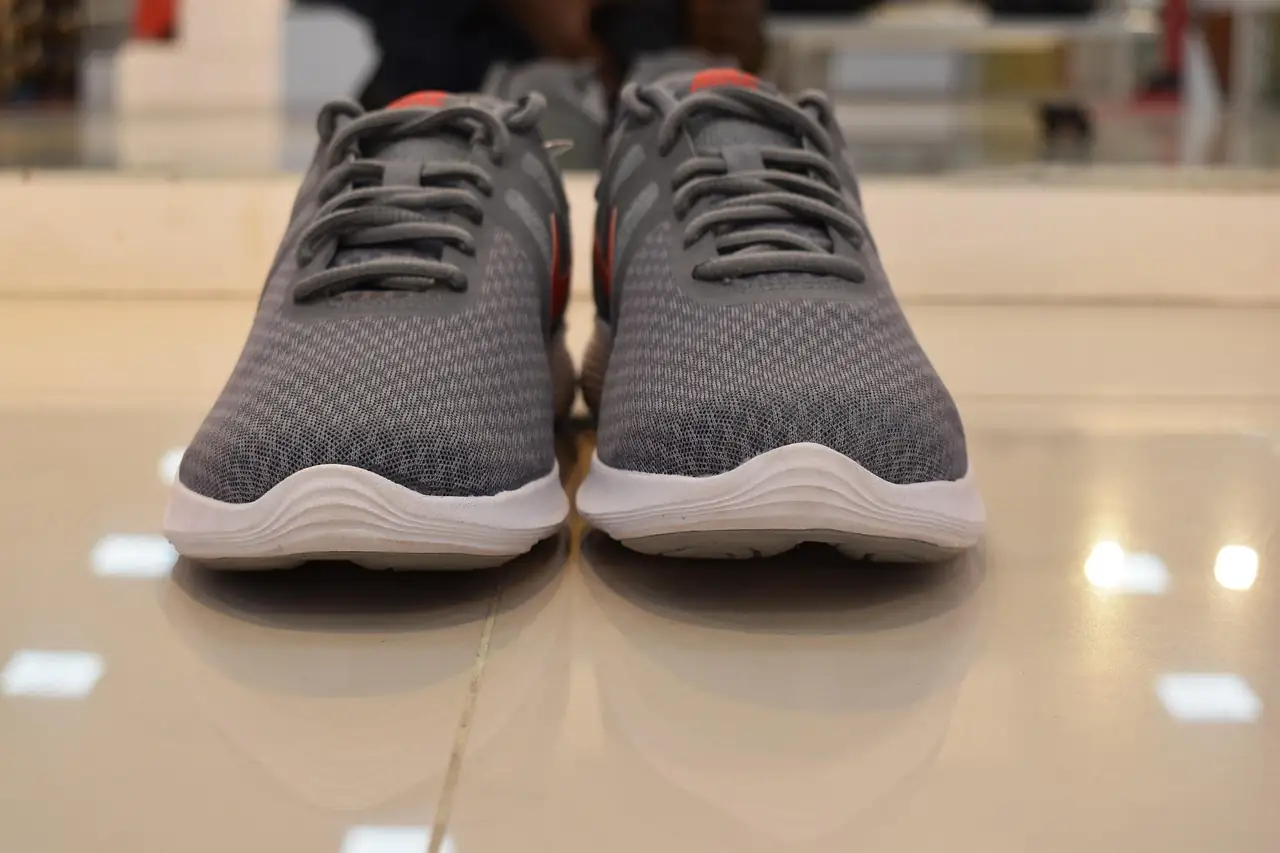
A neutral shoe with a generous midsole can completely change the feeling of running on asphalt. The foot lands on a platform that filters part of the vibration, the transition feels smoother and the legs often reach the end of a long run less beaten up. In 2026, models such as the ASICS Gel-Nimbus 28, Hoka Bondi 9, Nike Vomero 18 and Saucony Triumph 23 represent different ways of understanding generous cushioning: from a soft, plush feel to a lighter and livelier response.
The right choice depends on the runner’s weight, distance, pace, foot strike and foot shape. There is no universal shoe that offers more protection simply because it has a tall sole. An excessively soft midsole can reduce control, while a very firm platform may transmit more load than expected. For easy runs and accumulated mileage, the most complete options are the ASICS Gel-Nimbus 28, Hoka Bondi 9 and Brooks Glycerin Max 2; the Saucony Triumph 23 offers a more dynamic alternative without giving up protection.
What lots of cushioning really means
Cushioning is the ability of the midsole to deform and manage part of the energy generated when the foot meets the ground. Foam does not eliminate impact or correct poor technique by itself, but it changes the feeling of the stride. A high-stack shoe makes the surface feel less noticeable, creates a softer landing and may delay fatigue during prolonged efforts. The difference is not only about millimeters of foam, but also its density, geometry and recovery.
A comfortable shoe does not have to feel soft like a mattress. Modern foams combine layers with different responses to provide impact absorption on landing and energy return at toe-off. Nike ZoomX, ASICS FF BLAST PLUS, Hoka’s supercritical foam and Saucony PWRRUN PB all pursue that balance in different ways. The width of the platform, outsole rubber and heel design also matter: a tall but narrow shoe may feel less stable than a slightly heavier one with a broad base.
Maximum cushioning makes particular sense for long runs, recovery sessions, hard surfaces and runners who value comfort over speed. It can also be useful for heavier runners, although there is no universal weight limit for every model. The body, technique and fit matter as much as the scale. Body weight is a guide, but it does not decide by itself which shoe will work best.
The most cushioned neutral models of 2026
The ASICS Gel-Nimbus 28 is one of the clearest references for runners seeking a protected and soft ride. Its combination of FF BLAST PLUS foam and PureGEL is designed for long runs and recovery sessions, with an 8-millimeter drop and an approximate weight of 271 grams in a men’s size 9. Its launch price is around 200 euros, although it can be found for about 130-150 euros depending on color and promotions. The feel is plush, but the platform offers enough control for daily use. It is a very strong choice for building mileage without rushing.
The Nimbus 28 is not designed for racing or fast intervals. Its transition is stable and comfortable, but the volume of the midsole becomes noticeable when agility is required. In return, it offers a padded interior, more consistent foot hold than previous generations and a particularly pleasant feeling once the workout lasts more than an hour. The fit may feel tight for very wide feet, so the shape and enough space at the front should be checked. The previous version can be a smart purchase if it appears with a 30% or 40% discount.
The Hoka Bondi 9 takes a different approach. Its supercritical EVA foam, broad base and MetaRocker create a rocker transition that helps move from heel to toe without requiring much flex. It has a 5-millimeter drop, weighs around 297 grams and usually costs between 160 and 180 euros. The feeling is one of constant protection, with a ride guided more by the shape of the outsole than by explosive bounce. It works especially well for slow runs, active recovery and urban asphalt.
Its volume may feel excessive for runners who prefer ground contact or a flexible shoe. It is also worth paying attention to heel width and toe space, because the experience changes greatly between narrow and wide feet. The Bondi 9 is not a stability shoe in the strict sense, but its generous base provides confidence. For someone who walks and runs, or alternates easy training with long periods on their feet, it may be more useful than a shoe aimed exclusively at performance.
The Nike Vomero 18 combines a ZoomX layer with ReactX and a high profile that exceeds 40 millimeters in the heel. Its 10-millimeter drop and approximate weight of 325 grams place it among the protective options, although it retains a slightly livelier response than a traditional maximalist shoe. Its official price is around 160 euros. The upper holds the foot securely and the geometry supports a continuous transition. It is a good candidate for daily training and long distances at moderate paces.
The Vomero 18 may feel heavy to runners accustomed to lightweight models, but that volume is welcome when the legs lose strength. It is not the best choice for short intervals or for anyone seeking a pronounced ground feel. The heel height suits many rearfoot strikers, although a sudden change from a low-drop model can load the calves and soleus. The adaptation period should be gradual, especially when the previous shoe had a very different geometry.
The Brooks Glycerin Max 2 represents the more technical side of maximum cushioning. Its DNA TUNED foam, with different densities, aims to soften the landing and provide a firmer response in the forefoot. It has a 6-millimeter drop, weighs around 320 grams and usually costs about 200 euros. The GlideRoll geometry encourages a smooth transition, while the forefoot leaves reasonable room for the toes. It is a protective option for long runs that does not want to give up all its dynamics.
Its size is noticeable from the first step and may not suit runners who prefer understated shoes. It is not the most appropriate model for the track or highly explosive pace changes either. On clean roads, however, it offers an interesting blend of comfort and stability. The outsole rubber should be monitored in high-wear areas, especially with daily use on rough sidewalks. As with other advanced foam shoes, the purchase price may fall considerably when a new generation arrives.
The Saucony Triumph 23 is less imposing than the shoes above and, for that reason, is one of the easiest alternatives to recommend to anyone wanting protection without carrying too much weight. It uses PWRRUN PB, has a 10-millimeter drop, weighs close to 263 grams and usually sells for around 180 euros in Spain. The foam offers a pleasant feel and enough response for occasional acceleration. It is the most balanced option between cushioning, weight and versatility.
The high drop may suit runners who land on the heel or feel sensitivity around the Achilles tendon, but it should not be used as a treatment for an injury. The Triumph 23 can work for runs of 5 to 20 kilometers and also for a half marathon if the fit is comfortable. Its upper breathes well and the platform does not feel clumsy. Compared with the Nimbus or Bondi, it returns slightly more energy; compared with a racing shoe, it offers far more tolerance when fatigue appears.
The New Balance 1080 v15 introduces Infinion foam while maintaining the philosophy of a comfortable neutral shoe for accumulating mileage. Its approximate weight is 261 grams, the drop is 6 millimeters and the reference price is around 180 euros. It is an interesting alternative for runners who value a friendly fit and a natural transition. The cushioning is generous, although less enveloping than the Nimbus or Bondi. Its main appeal is the combination of comfort, lightness and daily use.
Runners with wide feet should check the availability of wider versions, since apparent width does not always match between brands. The forefoot should allow the toes to spread without the foot sliding around corners. The 1080 v15 may fit varied training better than exclusively slow sessions. If an extremely soft ride is the priority, there are more suitable options; if protection with a little more agility is the goal, its balance is convincing.
The Salomon Aero Glide 4 stands out for offering an unusual relationship between a high profile and contained weight. At around 250 grams and with an 8-millimeter drop, it costs approximately 150 euros. Its optiFOAM² compound provides softness without making the shoe excessively heavy. The seamless upper reduces pressure points and the outsole is ready for asphalt, parks and compact paths. It is a sensible choice for runners who want high cushioning with a lighter feel.
It does not offer the same level of padding as a Bondi or the deep feel of a Nimbus, so it should be understood as a protective and agile shoe, not the softest model on the market. For runners who go out two or three times per week and alternate easy runs with moderate paces, it may be more practical than a heavy maximalist shoe. On wet surfaces, grip will depend on the compound and wear, so the outsole should not be judged only by its external pattern.
How to choose according to weight, distance and pace
Body weight affects how foam compresses, but brands do not establish a universal line between light and heavy runners. An 85-kilogram person may feel perfectly comfortable in a 250-gram shoe, while a 65-kilogram runner may need a firmer and more stable platform. Training frequency matters too: 15 weekly kilometers do not demand the same thing as 50. The best choice comes from the complete use case, not one isolated number.
For beginners or runners returning after several months, shoes with a stable base, simple fit and predictable feel usually work best. The ASICS Gel-Nimbus 28, Brooks Glycerin Max 2 and Hoka Bondi 9 provide plenty of protection, but the Saucony Triumph 23 or New Balance 1080 v15 may be easier to handle. A beginner does not need a carbon plate or radically responsive foam. They need comfortable footwear that allows running time to increase without turning every session into a material test.
For long half-marathon or marathon runs, cushioning should preserve its feel over many kilometers. Stability becomes important because technique often deteriorates with fatigue. A broad base, secure heel and sufficient outsole rubber may be more valuable than a few grams less. Comfort at kilometer 30 matters more than lightness at kilometer one, especially for runners who want to finish feeling good.
Fast paces do not force a runner to choose a minimalist shoe. The Triumph 23, 1080 v15 and Aero Glide 4 allow more speed than a Bondi without becoming racing models. There are lighter and more responsive shoes for intervals and 5K or 10K races, but they do not always make sense as the only pair. A simple rotation, with one cushioned model for easy runs and another more dynamic one for quality sessions, can extend the life of both and distribute the load.
Neutral does not mean unstable
A neutral shoe does not include specific elements intended to control pronation. That does not mean it is unstable or suitable only for runners with a perfect gait. Stability also depends on platform width, midsole stiffness, outsole design and upper hold. The Bondi 9, for example, is neutral, but its base creates a different sense of control from that of a narrow and flexible model. Neutrality and stability are related concepts, but they are not equivalent.
Outsole wear alone cannot diagnose foot strike. Most runners land on the outer part of the heel and then move toward the center of the foot. A home visual test may provide context, but it cannot determine whether a control shoe is necessary. If there is persistent pain, a feeling of blockage or a history of injury, footwear should not replace a health assessment. The choice should begin with comfort and the body’s actual response.
Runners who use orthotics should check that the original insole is removable and that the internal volume can accommodate the device without pressing on the instep. It is also important that the heel does not become loose after replacing the insole. In high-arched feet, a soft midsole does not always solve forefoot pressure. Room, secure hold and the absence of irritating pressure points come before any commercial technology.
Drop, fit and shape: three details that change the experience
Drop is the height difference between heel and toe. A 10-millimeter model, such as the Nike Vomero 18 or Saucony Triumph 23, places the foot differently from a 5-millimeter Hoka Bondi 9. Drop does not indicate the amount of cushioning or determine who lands on the heel. It can change the perceived load on the calves, soleus, ankle and knee. Drop changes should be introduced progressively, especially when coming from a very different model.
The fit should hold the midfoot without compressing it and leave roughly half a centimeter to one centimeter of room in front of the toes. Feet swell during a long run, particularly in warm weather, so trying shoes at the end of the day can provide a more realistic reference. A wide toe box should not be confused with a loose heel. Laces can adjust the instep, but they should not need to be tightened until they create pressure or numbness.
Choose the size with your usual socks and, if applicable, your training orthotics. Brand conversions are not exact, so a size 42 may feel different in ASICS, Hoka, Nike or New Balance. The best-fitting model disappears while running: it does not rub, force a change in stride or allow the foot to move in corners and descents.
Price, lifespan and maintenance
In Spain, neutral shoes with high cushioning usually range from 130 to 210 euros at official price. The Saucony Triumph 23 may cost around 180 euros, while the ASICS Gel-Nimbus 28 and Brooks Glycerin Max 2 are often close to 200 euros, and the Hoka Bondi 9 is approximately 160 to 180 euros. Promotions, seasonal changes and the arrival of a new version can reduce the cost by 25% to 40%. The previous version is not necessarily worse if its fit already works.
There is no exact mileage figure for retiring a pair. As a reference, many daily trainers perform reasonably well between 600 and 800 kilometers, although runner weight, surface, technique and outsole quality can change that figure considerably. Visible rubber wear is one sign, but so are lost bounce, a deformed midsole or new discomfort. A shoe can look good on the outside while having lost part of its recovery capacity.
Rotating two pairs is not mandatory, but it allows the foam to recover between sessions and makes changes in behavior easier to notice. Dry shoes at room temperature, keep them away from radiators and do not put them in the washing machine. Dirt can be removed with a soft brush and lukewarm water. Maintenance cannot restore lost cushioning, but it can prevent the upper and outsole from aging prematurely.
Which model fits each profile best
For runners seeking the most protective feel during easy runs, the ASICS Gel-Nimbus 28 is one of the most complete choices. The Hoka Bondi 9 offers a strongly guided transition and a stable base for walking, recovery or slow running. The Nike Vomero 18 adds some bounce and a high drop, while the Brooks Glycerin Max 2 provides a maximalist platform with greater athletic intent. The choice depends on whether softness, transition, energy return or hold matters most.
For a single shoe that can do almost everything, the Saucony Triumph 23 is probably the most balanced option in this group. The New Balance 1080 v15 is interesting for those who prioritize a comfortable ride, friendly fit and moderate weight. The Salomon Aero Glide 4 suits runners who do not want to feel a bulky shoe but still seek more protection than a conventional lightweight model. None can replace a real test: walking, using stairs and briefly jogging can reveal more than a specification sheet.
For heavier runners or those carrying a high weekly mileage, perceived stability deserves as much attention as softness. A broad base and secure upper can provide more confidence than extremely soft foam. If the sinking feeling forces changes in stride, the shoe is not doing its job, even if the midsole is very tall. Useful protection is what allows natural running, not what places the most material under the foot.
For wide feet, the priority should be finding a specific wide version or a shape that does not taper too much at the toe. On narrow feet, an overly roomy shoe can cause movement and blisters. Fit should not be assessed only while standing: walk and, if possible, jog in the shoes. Socks, lace tension and foot strike all affect the final impression.
Cushioning without losing sight of the body
A shoe with lots of foam does not guarantee that knee pain, plantar fasciitis or calf discomfort will disappear. Training volume, recovery, strength and progression play decisive roles. Increasing distance suddenly because the shoes feel comfortable can exceed the adaptation capacity of tendons and muscles. Cushioning improves the experience, but it does not replace sensible progression.
Persistent pain, swelling, numbness or discomfort that changes the stride requires professional attention. It is also worth reviewing footwear when a problem appears after changing model, drop or surface. Sometimes the cause is not the shoe but the combination of a higher-mileage week, less sleep and greater intensity. Equipment is one part of the system, not the entire system.
The best model for asphalt is the one that offers a stable transition, a shape compatible with the foot and cushioning that does not force you to fight every landing. In 2026 there are more choices than ever, but the essential decision remains simple: try them, compare the sensations and choose the pair that lets you run comfortably throughout the workout. Technology matters, but fit is in charge.
Este artículo contiene enlaces de afiliado: si compras a través de ellos, se genera una pequeña comisión sin coste adicional para ti. Más información.



How to prevent thigh chafing: causes and real solutions

Women’s running windbreakers: seven jackets and how to choose

Do more workouts get rid of soreness? A guide for runners

Jaén Half Marathon 2026: Record 3,800 Runners Registered

Men’s short running tights: how to choose the right pair

World Triathlon confirms data breach involving medical data

Izan Edo targets podium at Miyazaki World Cup

María Pérez ranks ninth in World Athletics’ 2026 top ten

Dos Santos, Duplantis and Sawe: World Athlete of the Year finalists

San Silvestre Vallecana 2026: 42,000 places, prices and start times

 Races3 months ago
Valencia Half Marathon 2027: date and registration

 Races3 months ago
Valencia Marathon 2026: entry, ballot and course

 Reviews and Comparisons4 months ago
Asics Gel-Roadmiles 3 for men: review and current price

 Reviews and Comparisons4 months ago
Asics Gel Sonoma 8 Gore-Tex: complete analysis for trail and rain

 Sneakers3 months ago
Saucony Endorphin Pro 4: full review and verdict

 News5 months ago
Strava API 2026: what changes for clubs, challenges and runner apps?

 Reviews and Comparisons5 months ago
Nike Alphafly 3: opinions, sensations, and real key points

 Reviews and Comparisons4 months ago
Under Armour running shoes review 2025-2026: models and key features

 Sports Equipment4 months ago
Shoe sizes in cm: a clear guide to getting the right fit for your footwear

 Sneakers3 months ago
Skechers GO RUN Consistent 2.0 analysis: comfort and limits

 News5 months ago
Valencia Marathon 2026 route: key tips to train and run better

 Sneakers4 months ago
Adidas Adizero Boston 13 for men: review and verdict