Reviews and Comparisons
ASICS Gel Pulse 13: a versatile shoe for running and everyday wear
A complete analysis of this affordable option: comfort, fit, ventilation, durability, and its role in quiet shoots.

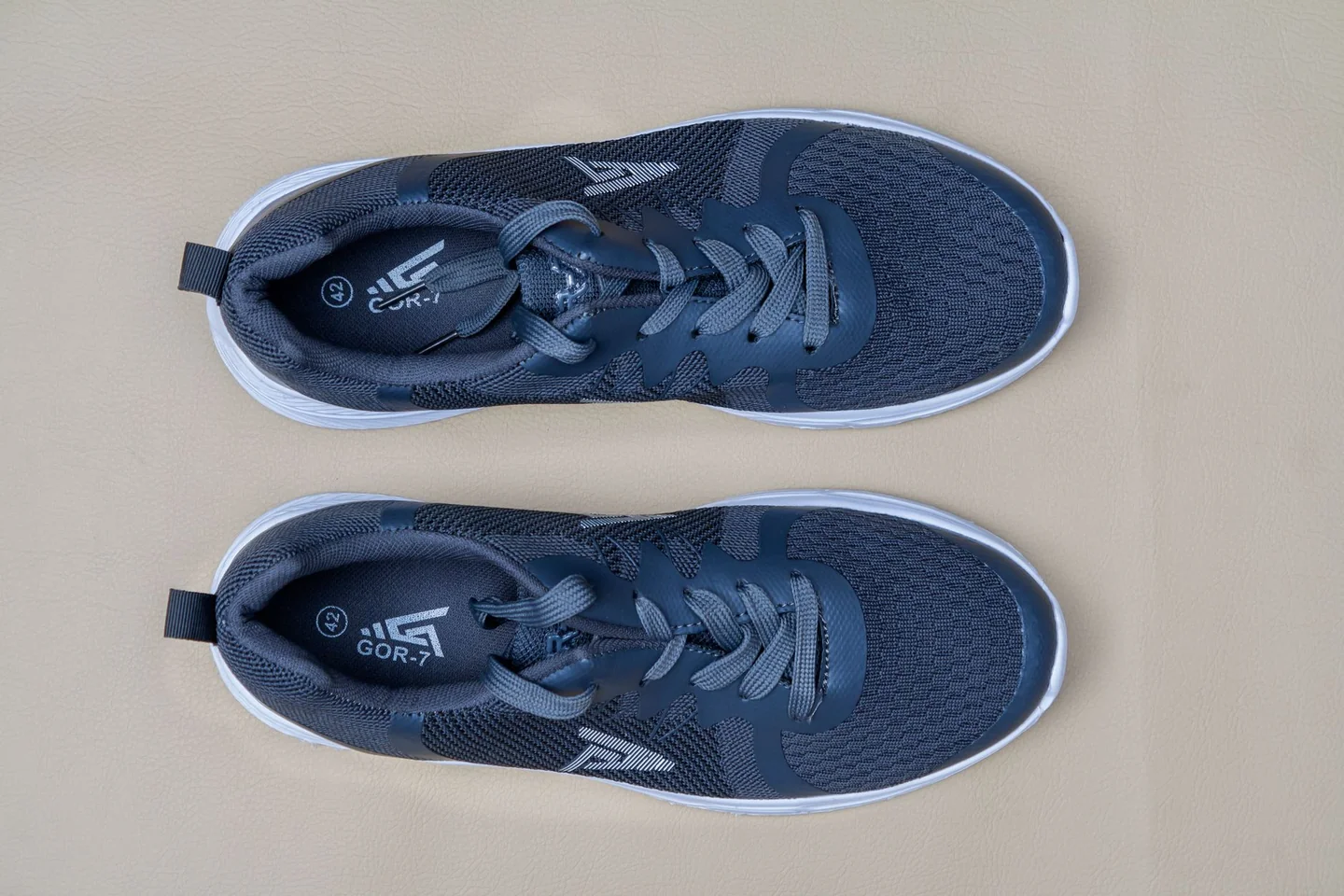
The proposition of this shoe is simple and, precisely for that reason, effective: to offer a comfortable base for easy runs, long walks, and everyday use without demanding a high investment or a complicated break-in. In a market where many cheap options cut corners on feel or materials, this ASICS silhouette has earned its place through balance. It doesn’t aim to dazzle at faster paces, but it does handle the day-to-day of the recreational runner with real competence.
Its natural terrain is easy training, medium-distance outings, and that mixed routine that combines asphalt, strolling, and sometimes the gym. The cushioning feels kind without becoming overly soft, the fit is generous in the forefoot, and the ventilation helps when the heat kicks in. For anyone looking for a no-fuss battle companion, the formula makes sense.
A comfortable base for adding kilometers without drama
The essence of this model lies in its character as a daily trainer. It doesn’t try to compete with the faster options or the most heavily cushioned ones in the catalog, but instead settles into that middle ground so valued by those who run several days a week without living by the stopwatch. That moderation is a virtue when what matters is heading out, running, and coming back with the legs reasonably intact.
The feeling when you put it on is that of a shoe you already know from the first minute. There’s no demanding adaptation curve or strange sensation underfoot. The whole package conveys a stable, almost homey comfort, like a well-made chair: it doesn’t draw attention, but it doesn’t wear you out either. On easy outings, that sense of ease adds up far more than its numbers on paper might suggest.
It also works well beyond strictly sporty asphalt. Walking, standing for hours, or in low-impact gym sessions, it moves naturally. Its platform isn’t especially aggressive, and that helps when the activity doesn’t call for sharp direction changes or explosive reactions. It’s a shoe that fits into a broad routine, not a single specialized use.
Balanced cushioning and underfoot feel
The cushioning sits in an intermediate range, with enough protection to absorb impact without losing all contact with the ground. In a version aimed at the everyday runner, that choice makes sense. The foot doesn’t sink too much, the transition feels reasonably smooth, and the stride keeps a certain clarity, something valuable when the miles pile up at an easy pace.
Lab data published by different analysts points to a midsole with restrained firmness, closer to balance than to either extreme. In real use, that means the model protects on easy and medium runs, but doesn’t offer a particularly lively response when asked to speed up. It’s neither a sofa nor a plank; it sits in that very useful center for training without surprises.
On long distances at an easy pace, that moderation works in its favor. The shoe supports the stride well, doesn’t punish the muscles too much, and keeps a fairly consistent feel as the minutes go by. Anyone looking for bounce or a marked sense of propulsion will quickly realize that’s not the story here. Anyone who values gentle stability, on the other hand, will find a more than worthy ally.
The high heel geometry, with a drop close to 10 or 11 mm according to external measurements, favors many runners who land on the heel. That setup relieves part of the load in the initial contact phase and makes for a familiar transition, especially useful for beginners or for those who prefer a classic stride. It’s not a modern proposal in the most radical sense, but it is practical.
Fit, last shape, and real room for the foot
The fit tends to be true to usual size, which makes buying much simpler. In general, the wearing experience shows a last that doesn’t systematically require going up or down half a size. That reduces uncertainty and makes the fit more predictable, a quality that’s appreciated in a shoe meant for regular use rather than occasional wear.
The toe box offers a reasonable amount of space for the toes to spread, without feeling excessive. That forefoot width allows a natural splay, especially valuable when the foot swells in the heat or during longer outings. For runners with a wide forefoot, the sensation can be comfortable; for those with narrow feet, there may be a lack of more precise hold.
The midfoot and heel hold more clearly than their friendly appearance might suggest. Once the laces are tightened, the whole setup stays stable and the heel counter helps prevent unwanted movement. It’s not a racing last, nor does it aim to hug the foot with the tension of a technical glove, but it does offer enough support to run confidently at easy paces.
That combination of forefoot room and restraint in the rear is a big part of its appeal. It doesn’t squeeze where it shouldn’t, but it also doesn’t leave the foot loose inside. It’s a build designed to be remembered more for the absence of discomfort than for any design extravagance.
Ventilation, temperature, and use in warm months
One of its strongest arguments is breathability. The upper mesh lets air pass through easily, and that’s especially noticeable when temperatures rise. The foot breathes better, excess moisture takes longer to build up, and the internal feel is fresher than in other more closed entry-level models. In summer, that detail is worth almost as much as a few grams less weight.
The structure of the upper conveys both visual and functional lightness. The weave isn’t so closed that it traps heat, and the tongue, though simple, supports the overall ventilation. For outings on humid days or sessions under the sun, that ability to breathe turns an ordinary shoe into a pretty useful option. It doesn’t cool the foot, of course, but it doesn’t cook it either.
The trade-off is in the durability of the forefoot fabric. Very open meshes tend to give way sooner to snags or heavy rubbing, and something similar happens here. We’re not dealing with an upper that’s delicate to the point of fragility, but we are looking at a front section that’s less robust than other parts of the shoe. In an affordable shoe, that exchange between freshness and durability is usually unavoidable.
Even so, for the use it’s aimed at, ventilation matters more than an obsession with armor. Anyone who runs in the city, walks often, or alternates easy workouts with long days on their feet will find more value in a comfortable, airy upper than in a rigid, heavy build.
Enough stability for a neutral stride
Despite its soft and flexible character, the base conveys surprising stability. It doesn’t include aggressive corrections or invasive elements to guide the stride, but the support feels grounded and predictable. In real use, that translates into confidence on landing and less sense of instability when fatigue starts to show up at the end of a long run.
The midsole design and the width of the platform help keep the shoe from wobbling easily. The midfoot offers a reasonable surface, the heel stays contained, and the transition doesn’t create odd movements. It’s a passive stability, derived from geometry and overall balance, not from corrective pieces. And for many people, that’s enough.
That stability should not be confused with pronation control. Anyone needing specific support to prevent excessive inward roll won’t find it here. The shoe is designed for neutral stride and for profiles that don’t require clear structural reinforcement. In that sense, it’s honest: it accompanies, but it doesn’t correct. It helps, but it doesn’t direct.
That nuance matters because it explains why it’s so easy to use for many beginner runners. The feeling of security without intrusion reduces the mental friction that more technical models sometimes create. The shoe doesn’t impose a way of running; it simply goes along with the user’s.
Flexibility, weight, and response when changing pace
Flexibility is one of its most pleasant traits. The outsole bends easily, and that makes the first contact feel natural, almost immediate. There’s no uncomfortable break-in period or stiff first outing. From the very first use, the shoe behaves with docility, and that docility is part of its charm for anyone who prioritizes comfort over athletic sensations.
However, that same flexibility limits its ambition when it’s time to step on the gas. The lack of a firmer structure underfoot reduces response and makes the takeoff feel less lively. In progression runs, intervals, or pace changes, the model falls short compared with lighter, more energetic options. It gets the job done, but without sparkle.
Weight also influences that perception. With figures around 291 or 300 grams depending on size and measurement method, it’s not among the lightest in its segment. On easy runs that barely matters, because cadence plays a smaller role and the body adapts. But when the intention is to run with a bit more joy, those grams are noticeable as a small extra inertia.
The practical conclusion is clear: this is not a shoe for chasing personal bests, but for maintaining a steady routine. Its combination of flexibility and weight brings it closer to safe territory than to explosive territory. And again, that’s where its commercial and sporting logic lies.
Real durability and expected lifespan
The outsole inspires more confidence than the upper. The rubber is thicker than in many options in its category, and that helps it withstand the punishment of asphalt with considerable dignity. Dry traction is solid and grip in everyday use offers a sufficient sense of control, without those annoying slips that give away shoes cut too much on quality.
The most likely wear appears sooner in the forefoot mesh than in the outsole. That difference between a durable base and a more delicate upper is very common in entry-level models. Manufacturing logic usually protects ground contact and sacrifices some robustness in the upper, where costs matter more. That’s exactly what happens here.
As a reasonable reference, its lifespan can be around 700 to 800 kilometers, although the real range depends on the runner’s weight, technique, temperature, terrain type, and frequency of use. It’s a sensible estimate for a shoe designed to rack up many easy sessions before showing visible fatigue. The outsole, in general, lasts longer than the upper.
On cold days, too, the midsole doesn’t stiffen dramatically. External measurements show a greater increase in firmness in the cold than in other models, but not enough to turn it into a plank. That means it remains usable in winter, even if the feel is a bit less kind than in mild temperatures. That’s no small thing for those who run all year round.
Who it suits best and when it falls short
Its natural audience is among beginner runners and recreational athletes who prioritize comfort. Someone just starting out usually needs a shoe that’s forgiving, with enough protection, easy to understand, and not demanding. This model fits that profile well because it doesn’t impose a specific technique or punish conservative pacing. It also works for those who alternate easy jogs with walks or simple gym sessions.
Another group that can get a lot out of it is people who spend many hours on their feet. The combination of moderate cushioning, generous ventilation, and simple fit makes it useful beyond training. It doesn’t replace a specialized shoe for full workdays, but it does offer a comfort margin above many purely cheap options.
On the other hand, it loses its appeal when the priority is running fast or feeling very light. If the plan includes intervals, fartlek, pace changes, or simply more agile sensations, it feels a bit flat. Its response doesn’t encourage pushing harder, and the weight reinforces that impression. It’s also not the best choice for very narrow feet, because the last can feel less precise than desired.
And, of course, it’s not a solution for specific pronation-control needs. Anyone requiring more support should look at other families with greater structure. This shoe plays in a different field: that of comfortable neutrality, without correction pretensions.
Its place in the affordable running shoe showcase
The real strength of this model lies in its coherence. It doesn’t promise a premium experience or try to disguise its positioning with gimmicks. It offers what many people need in everyday life: a comfortable stride, notable ventilation, simple fit, and an outsole capable of handling quite a few kilometers without falling apart too soon. In a segment where compromises are common, that honesty is appreciated.
Against more modern, lighter, or more responsive rivals, it loses some spark but gains predictability. Against more cushioned alternatives, it gives up some absolute softness, though in return it preserves a better sense of control. That middle position is, in fact, its differentiating value. It doesn’t try to be the best in a single metric; it tries to be useful in several, and it does so competently.
That’s why it still makes sense for anyone who wants one shoe for several everyday scenarios. Easy runs, walking, gym sessions, neighborhood jogs, or weeks of moderate mileage without surprises. In that broad, realistic routine, its performance is more valuable than any trendy label. It’s a tool, not a showcase.
At a time when many options sell extreme sensations, this model reminds us that well-executed normality is still a virtue. It doesn’t excite like a racing shoe, but it accompanies. And for a large part of recreational runners, that is exactly the kind of company that stays by the front door the longest.
What this daily-use veteran makes clear
This shoe embodies a very useful idea in recreational running: not everything has to be spectacular to work well. Its balance of protection, breathability, reasonable fit, and moderate stability makes it a serious candidate for easy training and mixed use. It’s not looking for headlines; it’s looking to solve. And in many routines, solving things discreetly is worth more than making a first impression.
The final reading is quite clear. If you need an affordable shoe to add comfortable kilometers, walk with ease, and move through daily life with a sense of relief underfoot, this proposal delivers. If you’re after lightness, response, or technical correction, you’ll need to look higher up the range or toward other product profiles. That’s also where its value lies: in drawing its limits clearly.
Its best quality is being reliable without demanding the spotlight. In the long run, that’s the kind of shoe that comes out of the box most often. The one that accompanies slow runs, mild mornings, and weeks without big showings. And in a sport made of repetition, consistency, and accumulated sensations, that reliability weighs more than it seems.



Reebok runs large or small: a real fit guide

Hoka Challenger ATR 7 GTX: complete review of the all-terrain shoe

How to clean white sneakers without ruining them

Altus Pirineos 40-liter backpack: analysis, use, and key points

20,000 mm waterproof jacket for men: key points to get it right

Under Armour HOVR Sonic 6: complete review of the shoe

incline treadmills: guide to choosing better

Achilles tendonitis: real recovery time

Pain in the Achilles heel: causes, signs, and relief

What to take for calf pain: real relief and when to worry

 Races3 months ago
Valencia Half Marathon 2026: date and registration

 Reviews and Comparisons4 months ago
Asics Gel-Roadmiles 3 for men: review and current price

 Races3 months ago
Valencia Marathon 2026: entry, ballot and course

 Reviews and Comparisons4 months ago
Asics Gel Sonoma 8 Gore-Tex: complete analysis for trail and rain
- Sneakers3 months ago
Saucony Endorphin Pro 4: full review and verdict

 News5 months ago
Strava API 2026: what changes for clubs, challenges and runner apps?

 Reviews and Comparisons5 months ago
Nike Alphafly 3: opinions, sensations, and real key points

 Reviews and Comparisons4 months ago
Under Armour running shoes review 2025-2026: models and key features
- Sneakers4 months ago
Adidas Adizero Boston 13 for men: review and verdict

 Sports Equipment4 months ago
Shoe sizes in cm: a clear guide to getting the right fit for your footwear
- Sneakers3 months ago
Neutral running shoes with lots of cushioning: the best of 2026

 News4 months ago
Where is the Hoka brand from and why was it born in France