Reviews and Comparisons
Apple Watch SE and Series 10: key differences to choose wisely
Display, sensors, battery, and design: the differences that really affect the choice between the two Apple watches.

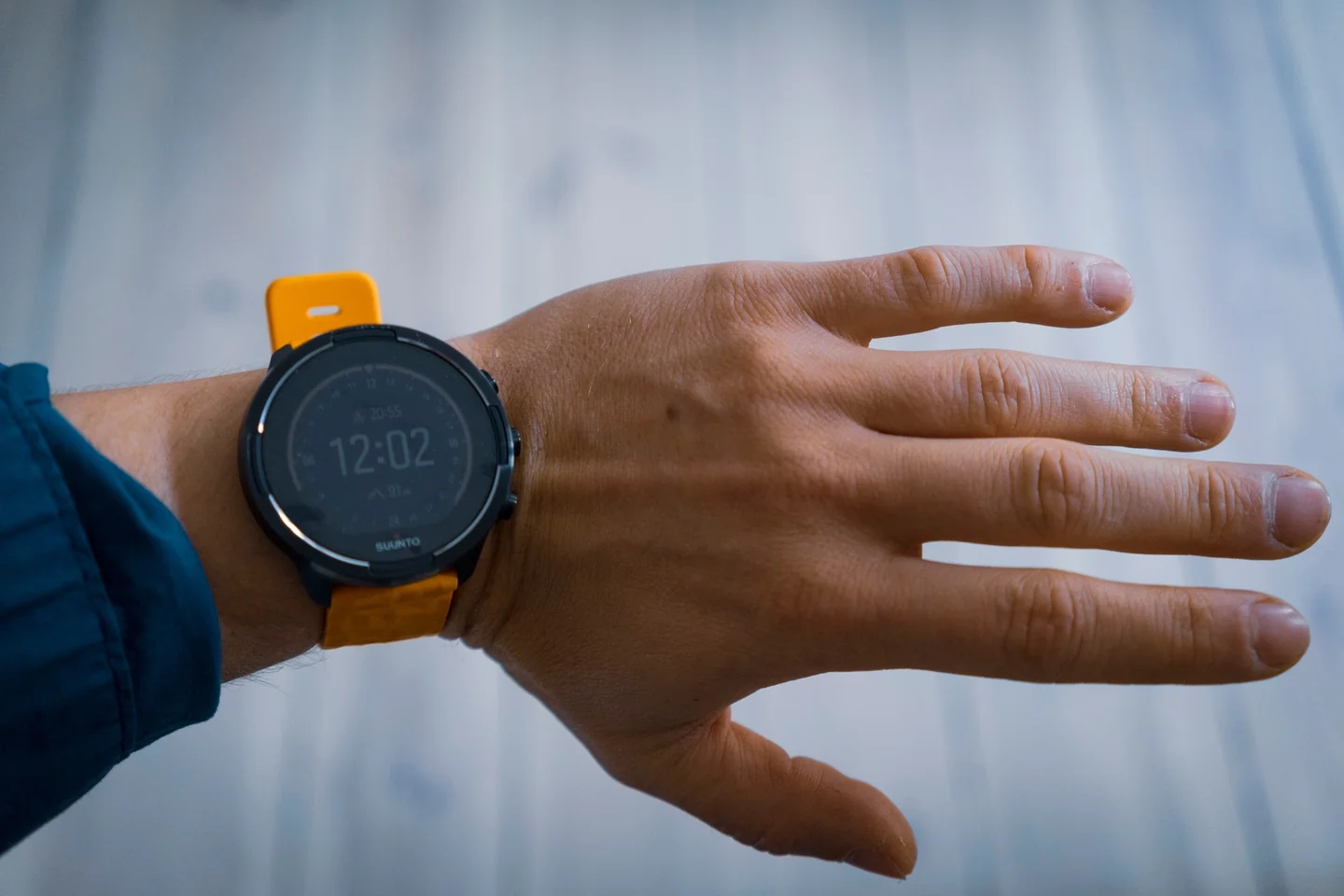
The difference between the Apple Watch SE and the Series 10 is not in the cosmetic details, but in daily use. One keeps the gateway to the Apple ecosystem with the essentials well handled; the other adds a larger screen, more complete health sensors, fast charging, and a more refined design. The comparison, therefore, is not decided by price alone, but by the kind of experience each wrist needs.
In practice, the SE remains a sensible purchase for anyone who wants notifications, activity, sleep, and basic safety, while the Series 10 offers a feeling closer to a premium watch, with more visible information, more health tools, and a lighter feel. The starting price difference in Spain is usually around 150 to 200 euros, although it depends on size, connectivity, and current promotions.
Design, size, and wrist feel
The first impression already sets the tone for the comparison. The Apple Watch SE keeps a very familiar look, with 40 and 44 mm cases and an aluminum build. The Series 10 moves up to 42 and 46 mm, but also refines the body: it is thinner, more streamlined, and conveys a more polished presence, almost as if Apple had softened the edges so the watch would disappear a little more on the skin.
That reduction in thickness is not just a technical detail. In real use, it makes the Series 10 feel more comfortable during long days and, above all, easier to wear at night. Anyone who sleeps with the watch on notices less bulk, less rubbing against the sheets, and a more natural fit on the wrist. The SE, without being uncomfortable, keeps a more classic and slightly more visible profile.
The relationship between case and screen also changes. The Series 10 makes better use of the front and offers a larger panel, with more contained bezels and a cleaner reading of notifications, workouts, and complications. On the SE the experience is still good, but the usable surface is smaller and that becomes noticeable when replying to messages, checking metrics, or consulting a route during a run.
The materials complete that separation. The SE is limited to aluminum, which keeps the price in check and adds lightness. The Series 10, on the other hand, can also be chosen in titanium in some versions, a more durable and premium option. For anyone who sees the watch as an everyday accessory, titanium changes the product’s character; for anyone who only wants functionality, the SE’s aluminum remains perfectly valid.
Display, brightness, and readability on the move
The screen is the difference you notice most when you turn both watches on side by side. The Series 10 uses a Retina LTPO OLED panel with an always-on display and better use of space. That combination makes the information look better organized, cleaner, and easier to read without lifting your wrist as much. The SE, for its part, does not have an always-on display, so it requires a more deliberate gesture to see the time or running data.
Outdoors, especially under the midday sun, the Series 10 has the advantage. Its brightness and always-on mode make it easier to check pace, heart rate, or a quick notification without breaking stride. On a run along the Turia riverbed or during track intervals, that difference becomes pure comfort. It does not change the workout, but it makes it smoother.
For anyone who uses the watch as a sports tool, that point matters more than it seems. On the SE, the screen is still sharp and large enough for everyday use, but the lack of an always-on display requires a few extra gestures. It is not a dramatic limitation, though it is a class barrier compared with the higher-end model. The Series 10 turns checking data into an almost automatic action, and that reduces friction with every use.
In addition, the visual feel of the more advanced model is closer to that of a modern traditional watch. The dial seems better settled, the brightness matches the environment, and the panel remains readable from more awkward angles. That detail, which sounds minor on a spec sheet, matters a lot in a product you look at dozens of times a day.
Health and sensors: this is where the real gap opens up
The biggest separation between the two watches is in health. The Apple Watch SE covers the basics solidly: heart rate, irregular rhythm notifications, fall detection, crash detection, and activity and sleep tracking. For a large share of users, that is enough, because it provides a reliable snapshot of the routine and adds a very valuable layer of safety.
The Series 10 expands that map with features that move it into another league. It includes an electrocardiogram, blood oxygen measurement, a body temperature sensor, water temperature measurement, and sleep apnea detection on models compatible with the latest system version. These are tools intended to monitor trends, not replace a medical diagnosis, but they enrich the reading of your physical condition a great deal.
In a running context, that difference has a practical translation. The SE works well for recording heart rate, calories, distance, and basic recovery. The Series 10 goes further by adding data that helps contextualize effort, rest, and accumulated load. It does not turn the watch into a lab, but it does make it a more sensitive device for wear and tear and for subtle changes that show up when training becomes more demanding.
Integration with watchOS also matters. Both models run essential functions such as health notifications, sleep tracking, and Siri access, but the Series 10 takes better advantage of the system thanks to more up-to-date hardware. Where the SE does the job, the Series 10 rounds things out. Where the SE informs you, the Series 10 better interprets the context of that data.
Performance, chip, and storage
The processor jump is noticeable too, although not always dramatically. The SE uses the S8 chip, while the Series 10 moves up to the S10. In everyday use both are smooth, but the newer model offers a more polished experience, with more consistent animations, greater ease in the interface, and an overall feeling of a fresher product.
The difference is especially noticeable when the watch is loaded with tasks: stacked notifications, music, workouts, widgets, app navigation, and quick replies. The Series 10 handles this with more headroom and less sense of compromise. The SE does not lag behind, by any means, but it is clear it plays on a smaller scale.
Internal capacity also changes. The Series 10 comes with 64 GB of storage, compared with 32 GB on the SE. For many people that number will not be decisive, but it does allow more music, more apps, and more content to be stored without relying so heavily on the iPhone. In long training sessions or outings where the phone is left at home, that extra margin adds up.
There is another nuance that is often overlooked: hardware maturity affects longevity. The Series 10 starts from a more modern base, with room to receive new system features for longer. The SE is still perfectly usable, but its approach is more conservative. It is the watch that enters the catalog earlier, not the one meant to squeeze everything out of it.
Battery and charging: the same as always, but not quite
Apple keeps the same official battery life of up to 18 hours on both models. It is the brand’s classic figure for mixed use including notifications, activity, short workouts, and frequent checks. The big difference comes in charging time management. The Series 10 includes fast charging, and that changes everyday use quite a bit.
With the Series 10, about 30 minutes can take the battery to around 80% under compatible conditions. That makes possible a very specific routine that many users end up appreciating: charging for a while while showering or having breakfast and heading out with the watch ready for another long block of use. The SE, without this accelerated charging, requires more patient planning.
On a watch that is also used for sleep tracking, that detail matters more than expected. If you wear the watch at night to record rest, charging time is reduced to small windows at the end of the day. The Series 10 fits that scheme better because it regains power with less interruption. The SE can keep up, but leaves less room for forgetfulness or intense days.
Real-world battery life, as always with wearables, depends on brightness, GPS use, notifications, calls, and training time. On long runs or weeks with a lot of activity, neither device escapes frequent recharging. The difference is that the Series 10 turns that obligation into a brief pause; the SE turns it into a slightly stricter routine.
Sport, running, and workout tracking
For running, both work, but not at the same level of detail. The SE records pace, distance, heart rate, and calories with enough accuracy for most recreational runners. Anyone who trains several times a week and wants a clear view of their sessions will find a reliable, simple companion here without unnecessary complexity.
The Series 10 adds a richer experience thanks to the combination of always-on display, better visibility, and additional sensors. Checking a split during a workout, monitoring heart-rate trends, or reviewing recovery after a long run is more comfortable. In an urban race, where your gaze moves from the pavement to the watch and from the watch to your pace, that convenience is very welcome.
If sports use is the main priority, the comparison is very clear: the SE covers the basics, the Series 10 accompanies you better. You do not need a more expensive watch to go running, but you do notice the difference when you train often, combine several disciplines, or want to closely follow training load. The higher-end model does not run for you, but it does give you less friction when reading what is happening.
There is also a question of context. For anyone who alternates running with gym work, walks, urban cycling, or pool swimming, both models perform well thanks to 50-meter water resistance. However, the Series 10 adds water temperature measurement and a greater focus on wellness and recovery metrics. It is a nuance, yes, but in a multisport routine it helps make the overall picture more meaningful.
Price, real value, and who each one suits
Price remains the SE’s deciding argument. It is the watch that lowers the entry barrier to the Apple Watch ecosystem without giving up the essentials. For a user who wants notifications, basic sports tracking, sleep, safety, and clean iPhone integration, the savings versus the Series 10 can be perfectly reasonable. There is no wrong purchase here; there are different priorities.
The Series 10, by contrast, is aimed at those who want to feel the improvement in display, health, materials, and fast charging. Its real value appears when those differences are used often. If the watch is going to accompany workouts, nights of sleep, long days, and constant checks, the extra money translates into a more rounded and comfortable experience.
The key is not to pay for features you will not use. The electrocardiogram, blood oxygen, or always-on display make sense for those who actually check them. If not, the SE keeps impeccable logic: it does the basics, does them well, and avoids a bigger expense. On the other hand, if the user values every usability improvement, the Series 10 stops feeling like a whim and starts to look like a coherent evolution.
The medium-term perspective also matters. Buying the more complete model usually extends the feeling that the device is current, while choosing the SE usually maximizes the ratio between cost and immediate functions. They are two different buying philosophies, and both fit depending on the user profile.
The smarter buy depends less on the catalog than on the wrist
The Apple Watch SE and the Series 10 do not compete with the same level of ambition. One aims for accessibility with balance; the other polishes the experience until it comes close to the high-end standard within the Apple universe. The choice, therefore, is not about an absolute winner, but about real fit with what is expected from the watch in everyday life.
Anyone looking for a complete smartwatch for moving around, receiving alerts, tracking workouts, and keeping general health under control will find the SE to be a very solid purchase. Anyone who wants a better screen, more sensors, faster charging, and a more refined presence on the wrist will find the Series 10 to be a clearly more ambitious product. Between the two there is a difference in philosophy that you notice from the first gesture and confirm over time.
In a comparison like this, the best choice is the one that fades least into your routine. If the watch is going to become a constant tool for running, sleeping, working, and checking data, the Series 10 justifies its price better. If you want the most rational access to the ecosystem without giving up the essentials, the SE remains the most practical gateway. The balance is not tipped by marketing, but by habit, use, and budget.
For a running-focused outlet, the takeaway is especially clear: the SE is enough for training; the Series 10 is a better companion for those who want to see more, spend less time charging, and have a higher margin in health and comfort. That is the difference that really matters.



Reebok runs large or small: a real fit guide

Hoka Challenger ATR 7 GTX: complete review of the all-terrain shoe

How to clean white sneakers without ruining them

Altus Pirineos 40-liter backpack: analysis, use, and key points

20,000 mm waterproof jacket for men: key points to get it right

Under Armour HOVR Sonic 6: complete review of the shoe

incline treadmills: guide to choosing better

Achilles tendonitis: real recovery time

Pain in the Achilles heel: causes, signs, and relief

What to take for calf pain: real relief and when to worry

 Races3 months ago
Valencia Half Marathon 2026: date and registration

 Reviews and Comparisons4 months ago
Asics Gel-Roadmiles 3 for men: review and current price

 Races3 months ago
Valencia Marathon 2026: entry, ballot and course

 Reviews and Comparisons4 months ago
Asics Gel Sonoma 8 Gore-Tex: complete analysis for trail and rain
- Sneakers3 months ago
Saucony Endorphin Pro 4: full review and verdict

 News5 months ago
Strava API 2026: what changes for clubs, challenges and runner apps?

 Reviews and Comparisons5 months ago
Nike Alphafly 3: opinions, sensations, and real key points

 Reviews and Comparisons4 months ago
Under Armour running shoes review 2025-2026: models and key features
- Sneakers4 months ago
Adidas Adizero Boston 13 for men: review and verdict

 Sports Equipment4 months ago
Shoe sizes in cm: a clear guide to getting the right fit for your footwear
- Sneakers3 months ago
Neutral running shoes with lots of cushioning: the best of 2026

 News4 months ago
Where is the Hoka brand from and why was it born in France