Reviews and Comparisons
UK size 12 in Spain: equivalence, measurements, and key points
Real equivalence, approximate measurements, and brand differences for buying British clothing more accurately.

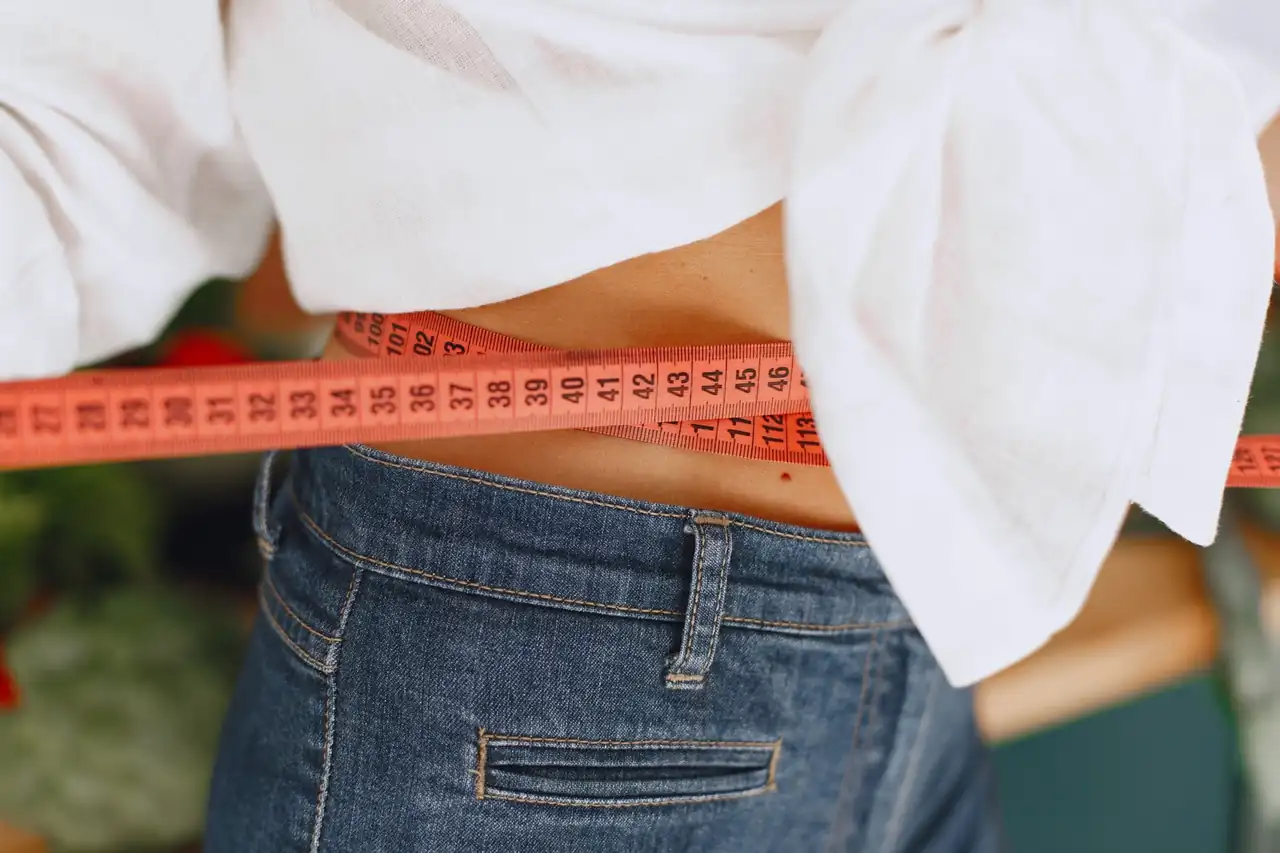
The British size 12 in women’s clothing generally corresponds to a 42 in Spain. That equivalence is the most widely accepted in most size guides and serves as a quick reference for online shopping, travel, or comparisons between international stores.
The equivalence, however, is not set in stone. Sizing changes depending on the brand, the cut, and the country of sale, so the same label can vary slightly. In practice, UK size 12 usually falls within the range of a 40 to 42 in Europe, but in the Spanish market it is almost always taken as a 42 when talking about women’s clothing.
The most commonly used equivalence between the United Kingdom and Spain
In women’s clothing, the most widespread relationship is simple: UK 12 = ES 42. That translation appears repeatedly in international fashion conversion charts and matches the usual scales of British and European brands. For someone shopping from Spain, this equivalence is the most practical and the best starting point.
The key is understanding that the United Kingdom uses its own numbering system, different from Spain’s. While European sizes predominate in Spain, the British system relies on even numbers that do not match those of the EU. That is why a British 12 should not be confused with a 12 in other systems, where the value may mean something completely different.
In women’s garments, UK size 12 usually corresponds to the bust, waist, and hips of someone who would wear a 42 in Spain. It is not an exact millimeter-perfect conversion, but it is reliable enough for everyday shopping. That is why stores, comparison sites, and specialized guides use it as the standard equivalent.
Approximate measurements for a British size 12
Besides the number, it is worth looking at measurements, because that clears up much of the confusion. In women’s clothing, UK size 12 is usually approximately 94 cm bust, 76 cm waist, and 102 cm hips. These are useful reference values, not a universal rule, since each manufacturer can adjust its patterns within its own margin.
Other charts, especially those focused on jeans, give slightly different figures. For women’s trousers, a British size 12 can be roughly associated with 84 cm waist and 108 cm hips when dealing with denim or certain high-rise cuts. The difference is not a mistake: it reflects the type of garment and how each category is measured.
That detail matters more than it seems. A dress, a jacket, and a pair of jeans do not fit the same way, even if they share the same size. The actual waist measurement may seem reasonable in one garment and too tight in another, because the fabric, elasticity, and pattern all change the final result. In sizing, as on a map, the number alone is not enough: the route matters too.
Why a size does not always mean the same thing
Size equivalences are a compass, not a contract. British sizing, like Spanish sizing, comes with brand, season, and cut differences. One brand may design more fitted garments, another looser ones, and a third may use different patterns for the same nominal size. The result is familiar to anyone who shops for clothes online: the label gives guidance, but the actual fit is what matters.
This is even more noticeable in garments that depend on specific measurements, such as trousers, skirts, or fitted dresses. A UK 12 in one store may correspond quite faithfully to a Spanish 42, while in another it may feel a bit tighter. This is not unusual, but simply the result of working with different cuts and target body shapes.
In international fashion, another phenomenon also appears: some British brands add their own commercial logic and make sizing slightly looser or tighter depending on the product line. The usual variation is about half a size up or down, which is manageable if you check the measurements in centimeters before buying.
How to read a size guide without getting lost
The safest way to get it right is not to memorize a number, but to compare measurements. Waist, hips, bust, and, when provided, inseam are the data that really help. In the case of UK size 12, comparing it with a Spanish 42 works well because both scales sit at a very similar point in the women’s range, but the final fit always depends on the specific garment.
The waist is measured at the narrowest part of the torso and the hips at the widest area. That basic but crucial rule prevents misinterpretation. For trousers, it is also worth checking whether the size is given as a waist number in inches, which is common in British jeans or in brands that mix systems.
In international shopping, the store’s official size chart is more important than any generic conversion. A reliable guide usually shows British size, European size and, sometimes, body and garment measurements. When centimeters are shown, the margin of error drops a lot and the choice depends less on intuition.
Jeans, trousers, and the trickiest case
In jeans, UK size 12 for women is usually translated in practice as a Spanish 42, but here accuracy deserves an extra warning. Jeans depend not only on the nominal size; rise, fabric stretch, and leg shape also matter. The same number can feel snug at the waist and loose at the hips, or vice versa.
That is why many denim conversion guides talk about approximate measurements of 84 cm waist and 108 cm hips. This is not a universal equivalence for all clothing, but a useful reference within the world of jeans. In a rigid garment, without elastane, the fit may be more demanding; in one with stretch fabric, the feel changes quite a bit.
This nuance explains why two people with similar measurements may choose different sizes in the same brand. The jean pattern, the type of closure, and where the waistband ends up matter almost as much as the number. Buying denim with a mechanical conversion, without checking the fabric or the cut, is the quickest way to make a mistake.
Differences between the United Kingdom, Europe, and the United States
The British system does not work the same way as the American or European ones. In women’s clothing, a UK 12 usually corresponds to an EU 40 or 42 depending on the reference chart, although the most common equivalence in Spain for general clothing is 42. In the United States, that same size is usually around an 8. The difference between systems causes one of the most common mistakes when shopping online.
The confusion grows because the number may look similar, but it does not mean the same thing. A UK 12 is not a US 12, and an EU 42 does not automatically match a UK 12 in every garment. The system letters matter less than the brand’s origin and the chart used by the manufacturer.
Footwear works similarly, although clothing requires a different reading. What matters here is that fashion sizing is not universal. Anyone who shops frequently in British stores quickly learns that the country of origin changes the logic of the label, just as meters, inches, or centimeters change in other areas of consumption.
How to get it right when buying from Spain
The first precaution is to always check the product’s size guide and not assume that a general equivalence will work for everything. A UK size 12 is usually a Spanish 42, but the final measurement may vary by brand. If the garment is fitted, even a one-centimeter difference can be noticeable in everyday wear; if it is loose, the margin is greater.
The second precaution is to look at the fabric composition. Garments with elastane, viscose, or blended fabrics usually have a bit more give than rigid cotton or heavy denim. That stretch can make a British size 12 feel comfortable even if the exact measurement is close to the upper limit of the chart.
The third concerns the type of garment. In dresses, the visual drape matters a lot; in trousers, the waist determines almost everything; in jackets, the back and shoulders can change the perceived size. There is no perfect conversion for every case, only a reliable approximation that should be fine-tuned with real measurements.
The practical value of knowing the correct equivalence
Knowing that British size 12 is close to a Spanish 42 saves returns, doubts, and endless comparisons between charts. It is simple information, but very useful in a market where buying clothes no longer depends on walking into a physical store and trying several options. The correct conversion reduces the margin of error and makes foreign labels easier to interpret.
It also prevents one of the most common mistakes: assuming that all Anglo-Saxon sizing follows the same scale. The United Kingdom and the United States share a language, but not numbering. What looks like a coincidence is, in reality, a system trap. A British 12 and an American 12 do not belong to the same map.
That is why equivalence guides remain in such demand. In a digital storefront full of sizes, countries, and brands, the data that really matters is not the isolated number, but how it translates to body measurements. And there, UK size 12 in Spain offers a clear reference: usually 42, with the usual caution imposed by cut and manufacturer differences.
A useful reference, but not an infallible label
Conversion between systems works best when used as a starting point rather than a final destination. Saying that UK size 12 equals a 42 in Spain is correct in general terms, but the shopping experience improves when that equivalence is accompanied by concrete measurements and a careful reading of the garment. The size guides, the chart confirms, and the pattern decides.
In practice, that is the most sensible way to understand international fashion. The number helps you cross borders; the centimeter prevents surprises. Between the two is where well-made shopping happens, the kind that does not depend on luck or on hasty intuition. And in clothing, as in so many other areas, useful precision is always worth more than comfortable simplification.
Choosing running clothes with UK sizing
If you’re buying running tights, tops or jackets from a British brand, UK 12 = Spanish 42 is a useful starting point, not a guarantee of fit. Measurements and cuts vary between manufacturers and by garment: trousers may fit differently from a top, even when both carry the same size.
Before ordering, compare your measurements with the brand’s own size chart and check whether the fabric stretches and how the fit is described. Running clothes should allow you to stride and move your arms freely without digging in or being so loose that they shift or chafe. If you’re between sizes, consider any layers you might wear underneath in cold weather. Trying the garment with movements similar to those in training can help you judge comfort; the size label alone can’t tell you how it will feel on a run.
You may also like: UK size 6 in Spain: exact equivalence and how to get it right.



Reebok runs large or small: a real fit guide

Hoka Challenger ATR 7 GTX: complete review of the all-terrain shoe

How to clean white sneakers without ruining them

Altus Pirineos 40-liter backpack: analysis, use, and key points

20,000 mm waterproof jacket for men: key points to get it right

Under Armour HOVR Sonic 6: complete review of the shoe

incline treadmills: guide to choosing better

Achilles tendonitis: real recovery time

Pain in the Achilles heel: causes, signs, and relief

What to take for calf pain: real relief and when to worry

 Races3 months ago
Valencia Half Marathon 2026: date and registration

 Reviews and Comparisons4 months ago
Asics Gel-Roadmiles 3 for men: review and current price

 Races3 months ago
Valencia Marathon 2026: entry, ballot and course

 Reviews and Comparisons4 months ago
Asics Gel Sonoma 8 Gore-Tex: complete analysis for trail and rain
- Sneakers3 months ago
Saucony Endorphin Pro 4: full review and verdict

 News5 months ago
Strava API 2026: what changes for clubs, challenges and runner apps?
 Reviews and Comparisons5 months ago
Nike Alphafly 3: opinions, sensations, and real key points

 Reviews and Comparisons4 months ago
Under Armour running shoes review 2025-2026: models and key features
- Sneakers4 months ago
Adidas Adizero Boston 13 for men: review and verdict

 Sports Equipment4 months ago
Shoe sizes in cm: a clear guide to getting the right fit for your footwear
- Sneakers3 months ago
Neutral running shoes with lots of cushioning: the best of 2026

 News4 months ago
Where is the Hoka brand from and why was it born in France