Races
Cáceres Half Marathon: complete race guide
Date, route, times, prices, and services of the Cáceres race, with the practical context that matters most to the runner.

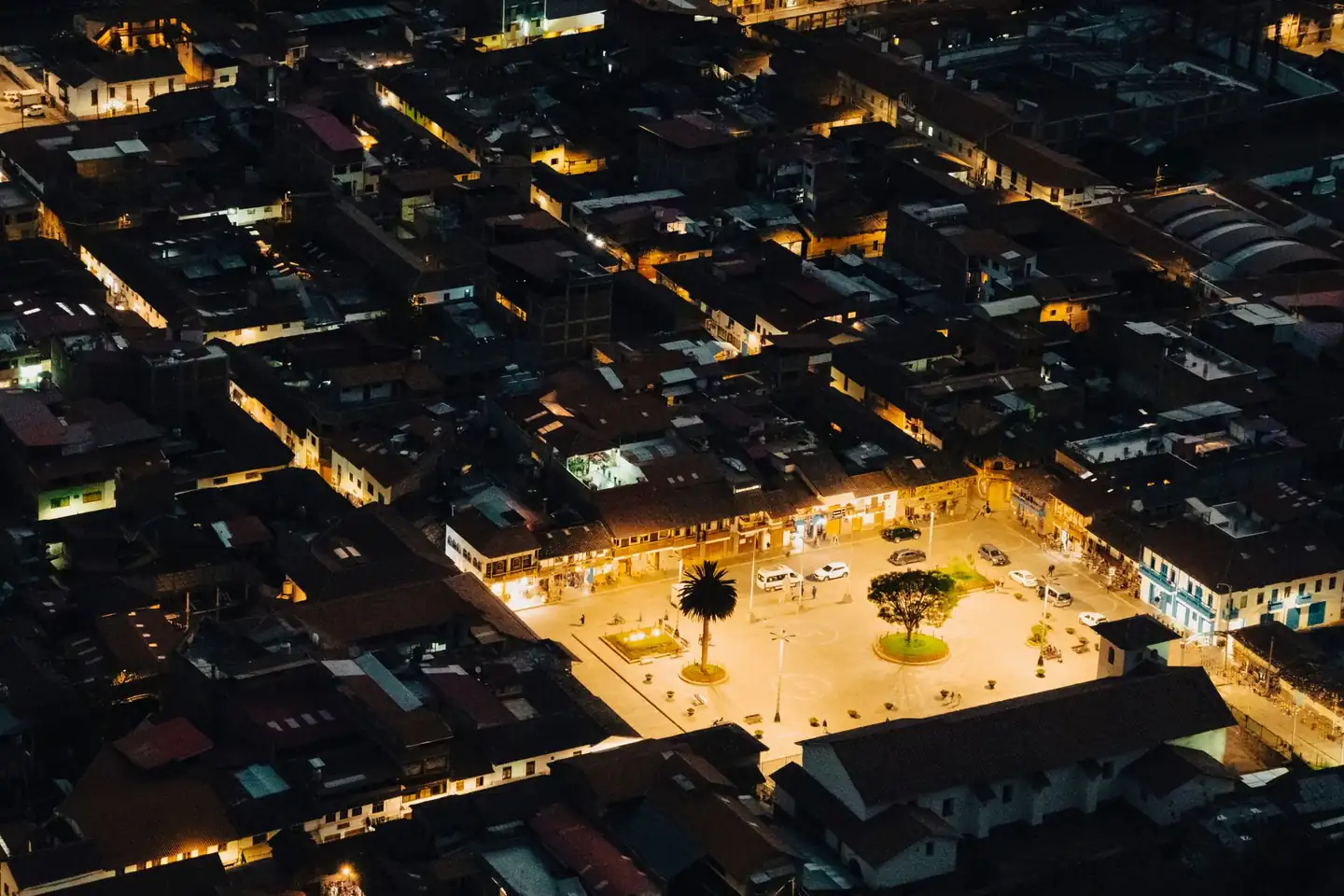
Imagen: Marcelo Mora / Pexels
Cáceres’s half marathon has established itself as one of the most distinctive events on the Extremadura calendar for a very simple reason: it combines the pulse of an urban race with the backdrop of a monumental city that weighs on every stride. The appeal is not just in the bib number, but in running among ancient stone, open squares, and stretches that make you glance around even when your legs are urging you to focus on the pace.
The 2026 edition was held on May 16, with the start and finish in Plaza Mayor, a detail that sums up the spirit of the event well: a central circuit, nighttime atmosphere, and a route that turns the historic center into a sporting stage. The organizers announced a main distance of 21 kilometers, a 10.5-kilometer race, and children’s events, as well as services such as refreshment stations, showers, and bib pickup at the runner expo.
A race that blends heritage and effort
The hallmark of this event is the route through Cáceres’s historic center, declared a UNESCO World Heritage Site. Running here does not have the sterile feel of a straight, predictable road circuit; on the contrary, runners enter a network of streets, squares, and surface changes that demand constant attention. That urban and historic character gives it a personality of its own among Spanish half marathons.
The event usually attracts runners with very different profiles. Some are looking for a time goal, others want a more tourism-oriented experience, and others simply want to complete the distance in a city that offers much more than the race itself. Part of its strength lies in that mix. The race is not understood only as a competition, but as a journey through Cáceres’s identity, with the heritage almost acting as a second crowd along the sidewalks.
Over the years, the organizers have reinforced a formula that is already recognizable: a start in the heart of the city, complementary events, and an atmosphere that changes as evening falls. That combination of schedule, setting, and energy gives the race an almost theatrical tone, with more than one runner adjusting their strategy to the lingering heat, the light, and the type of surface.
Date, start time, and format of the most recent edition
The most reliable available reference places the 19th edition on Saturday, May 16, 2026. Another race listing indicates a 7:00 p.m. start, a very common schedule for urban events that aim to soften the thermal impact and encourage a late-afternoon atmosphere. That choice is not minor: in May, Cáceres can offer a reasonable temperature for running, although the heat can still bite if the day warms up early.
The main distance was 21,097 meters, with a parallel 10.5-kilometer event and non-competitive children’s races. The format follows a very clear logic: opening the day to runners with different goals, from those tackling the full half marathon to those preferring a shorter effort or taking part in youth categories. The adult race remains the sporting focus, but the overall structure also turns it into a celebration open to families and companions.
In the 2026 edition, a maximum time of 2 hours and 40 minutes for the half marathon was announced, a useful figure for those who calculate their effort precisely. There was also talk of a course certified by the Extremadura Athletics Federation and a route closed to traffic, two elements that provide organizational peace of mind and help frame the race in purely sporting terms.
Urban route, asphalt, and characterful stretches
The Cáceres course takes place on asphalt and runs through iconic streets in the center, passing through very recognizable parts of the local map. Information from recent editions mentions Gran Vía, San Juan, San Pedro, and Cruz de los Caídos, as well as Plaza Mayor as the key start and finish point. The result is a route that combines openness and enclosure, momentum-building stretches and corners where the pace compresses.
That has real consequences for runners. This is not a half marathon designed for all-out speed with no restraint, but rather an event where you need to manage your energy wisely. The streets of the historic center punish any excess and force you to respect the surface, especially in cobbled or less uniform sections. In a race like this, cadence matters almost as much as heart rate.
The presence of entertainment at certain points also gives it a very local identity. Batucada drumming has been mentioned in Plaza Mayor and music at Cruz de los Caídos, features that do not alter the competitive nature, but do change the emotional texture of the race. These are the details that turn a solid event into a memorable experience: drumbeats, footsteps on stone, voices from balconies, and that lively-city feeling that accompanies runners as the sun begins to set.
For the recreational runner, the course calls for smart pacing. It helps to think of the half marathon as a sum of segments, not as one long straight line. The first kilometers usually set the tone, but the historic center can introduce pace changes, small fluctuations, and that underlying fatigue that appears when the ground refuses to be fully tamed. Those who arrive with a too-rigid plan usually suffer more than necessary.
Registration, bibs, and participant limit
Registration for the 2026 edition used tiered pricing until March 15, with final closure on May 12, just days before the race. That window reflects a common reality in popular events with high demand: the sooner you secure your place, the more room you have to choose a price and guarantee participation. Available information mentioned a total maximum of 1,700 bibs, a figure that helps explain why the race draws interest from a wide area.
It was also stated that bibs were picked up at the Foro de los Balbos, with a runner expo associated with T-shirt pickup. This kind of setup is important because it concentrates logistics in a recognizable location and reduces last-minute chaos. Picking up the bib is no small matter; in an urban race of this kind, pre-race organization greatly affects the participant’s final experience.
As for the price, a specialized listing placed registration between 15 and 20 euros. Fees do not always stay exactly the same from one season to the next, but that range gives a reasonable idea of where the event sits within the Spanish popular-race market. It is neither a high-cost premium event nor a symbolic low-price race: it sits in the mid range, with associated services that justify part of the fee.
Runner services and prizes
The announced services for this half marathon included at least two refreshment stations along the course and one at the finish. Showers at the Juan Serrano Macayo Pavilion, medical support, bag check, a commemorative technical T-shirt, and chip timing were also mentioned. In practice, that outlines a well-assembled race from a logistical point of view, with the serious basics any participant expects.
The competitive side was not neglected either. There were cash prizes for the top five overall finishers and trophies by category and for local winners, with no stacking of awards. That prize system reinforces the sporting importance of the event, even though most of the field experiences it more as a personal challenge or a chance to enjoy the setting than as a standings battle.
There was also mention of pace runners with target times of 1:40, 1:50, and 2:00, a useful aid for those who orient themselves better by split times than by vague sensations. This role has become common in many modern races because it organizes the start and provides visual support during the race. They do not run for you, but they set a rhythm that can help prevent the usual early mistakes.
May weather and how it changes strategy
May is usually a pleasant month in Cáceres, though pleasant does not mean harmless. Afternoons can be mild, yes, but Extremadura’s heat has a habit of appearing when least convenient, and an evening start does not completely erase the exposure accumulated during the day. That is why the date and time are so important: they are not just administrative details, but a core decision about how the event unfolds.
For runners, the weather affects hydration, clothing choices, and how effort is interpreted. Lightweight fabric, a manageable pace, and prudent handling of the first kilometers usually pay off more than any heroic gesture. In urban races with asphalt and enclosed surroundings, the perceived temperature can rise because of the number of participants, the facades, and the lack of shade in certain stretches.
That explains why many runners pay more attention to the forecast than they would for a training run. A well-run half marathon depends not only on fitness. Heat, wind, time of day, and the type of surface also come into play. In that sense, Cáceres rewards the disciplined runner more than the reckless one.
What Cáceres offers beyond the bib
The city adds real value to the experience. Cáceres needs no embellishment: its historic center already functions as an open-air museum piece, with the Bujaco Tower, the Arch of the Star, Santa María Square, and the Co-Cathedral as unavoidable landmarks for any visitor. The race makes use of that setting without turning it into an empty postcard; it integrates it into a living route, trodden by runners and not just admired by tourists.
The Cáceres Museum, the Palace of the Golfines de Abajo, and the Church of San Francisco Javier broaden the map of a visit that can make a lot of sense if the trip includes a night or a weekend. The half marathon also works as a gateway to a city that is easy to explore on foot and rewards visitors with a human scale uncommon in other sports destinations.
Outside the urban center, the Los Barruecos Natural Reserve offers a contrast of dry landscape, rock, and birds that helps explain the more mineral side of Extremadura. For those traveling for the race, that mix of heritage and nature can be especially appealing. It is not unusual for the event to become the perfect excuse to stay an extra day and wind down after the effort.
Accommodation, rest, and travel logistics
Choosing where to sleep well matters just as much as deciding your starting pace. In a race that begins in the historic center, staying near Plaza Mayor or in well-connected neighborhoods reduces travel time and leaves more room for pre-race routines. The Old Town offers the most immersive version, while areas like San Justo or Cánovas usually provide a reasonable balance between convenience, services, and access to the start line.
The traveling runner’s logic is simple: the less logistical stress, the better you arrive at the start arch. A quiet night, a relaxed breakfast, and a short walk to the center are worth more than a cheap room poorly connected to the race. Pre-race rest matters more than it seems, especially in events where the start is set in a lively area, with public movement and partial street closures.
Also, the city itself invites you to plan the trip calmly. Cáceres does not demand haste to be understood. It reveals itself at human pace, as if asking visitors for the same patience that the half marathon asks of anyone trying to set a personal best. It is a city to look up in, stop at a doorway, listen to the echo under the arcades, and then return to the rhythm of the bib.
A race with its own place on the Spanish calendar
The Cáceres half marathon is not competing only for time; it is competing for identity. In a calendar crowded with fast, massive, and almost interchangeable races, this event keeps a different kind of prominence because of the setting, the schedule, the route, and its relationship with heritage. It is not the biggest or the most media-heavy, but it is one of the best at capturing the idea of running inside a city with a story.
The interest it generates year after year is also explained by its balance between accessibility and challenge. There is enough distance for the effort to be serious, but also shorter options and children’s events that broaden the range. The race finds its strength in that mix of levels: local elites, recreational runners, first-timers, companions, families, and cultural visitors all coexist within the same framework.
That is why Cáceres appears so often in searches by runners who want more than a bib, but a complete experience. The route, the atmosphere, the logistics, and the city form a fairly solid package. And although each edition may vary in details, the essence remains: running through Cáceres is still a way to measure effort with ancient stone as witness and Plaza Mayor as the finish point.
In a calendar full of similar races, this event retains something uncommon: personality. That is what makes it memorable even for those who arrive without any ambition for a record. The clock stops, yes, but the image of the streets and the feeling of crossing a historic city in the middle of a race linger long after you cross the finish line.
Este artículo contiene enlaces de afiliado: si compras a través de ellos, se genera una pequeña comisión sin coste adicional para ti. Más información.



Reebok runs large or small: a real fit guide

Hoka Challenger ATR 7 GTX: complete review of the all-terrain shoe

How to clean white sneakers without ruining them

Altus Pirineos 40-liter backpack: analysis, use, and key points

20,000 mm waterproof jacket for men: key points to get it right

Under Armour HOVR Sonic 6: complete review of the shoe

incline treadmills: guide to choosing better

Achilles tendonitis: real recovery time

Pain in the Achilles heel: causes, signs, and relief

What to take for calf pain: real relief and when to worry

 Races3 months ago
Valencia Half Marathon 2026: date and registration

 Reviews and Comparisons4 months ago
Asics Gel-Roadmiles 3 for men: review and current price

 Races3 months ago
Valencia Marathon 2026: entry, ballot and course

 Reviews and Comparisons4 months ago
Asics Gel Sonoma 8 Gore-Tex: complete analysis for trail and rain
- Sneakers3 months ago
Saucony Endorphin Pro 4: full review and verdict

 News5 months ago
Strava API 2026: what changes for clubs, challenges and runner apps?

 Reviews and Comparisons5 months ago
Nike Alphafly 3: opinions, sensations, and real key points

 Reviews and Comparisons4 months ago
Under Armour running shoes review 2025-2026: models and key features
- Sneakers4 months ago
Adidas Adizero Boston 13 for men: review and verdict

 Sports Equipment4 months ago
Shoe sizes in cm: a clear guide to getting the right fit for your footwear
- Sneakers3 months ago
Neutral running shoes with lots of cushioning: the best of 2026

 News4 months ago
Where is the Hoka brand from and why was it born in France