Races
Chiclana Half Marathon: date, route and key details
Coast, marshlands, and an outing near Sancti Petri: this is how the 2027 Chiclana event is presented.

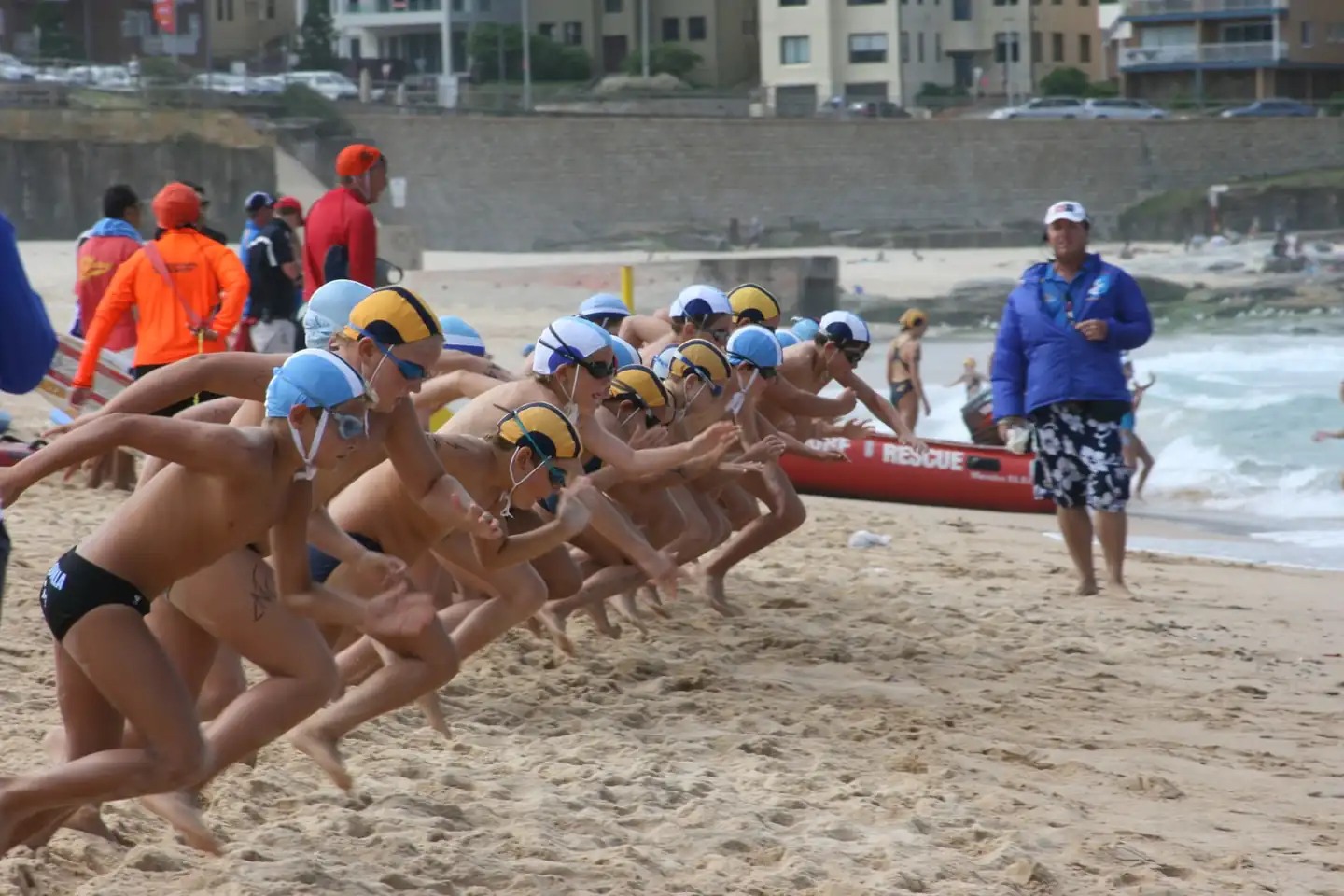
Chiclana de la Frontera will once again put itself on the road running map with a half marathon that blends speed, coastal scenery, and a popular atmosphere. The race, now firmly established in the Andalusian calendar, keeps its appeal thanks to a route that links the Sancti Petri shoreline with urban areas and natural spaces that are instantly recognizable to anyone running in search of something more than 21.097 kilometers.
The 2027 edition is set for April 11, with the start at 9:00 a.m. from the Costa Sancti Petri Urban Sports Center, according to the information published by the organization. Registration is open on the event’s official website, which also includes the rules, course, frequently asked questions, runner expo, accommodation, and a free children’s play area service that broadens the day’s family-friendly appeal.
A race that brings together coast, city, and marshes
The main sporting argument of the Chiclana half marathon is its route. It is not just a race over 21 kilometers, but a course designed to showcase the municipality’s identity: the start near the coast, the stretch beside Sancti Petri beach, the presence of La Barrosa, and the passage through areas such as Novo Sancti Petri and the surroundings of the marshes and salt flats. That combination has helped build a distinctive image, closer to an Atlantic postcard than to a typical urban road race.
The route, moreover, is known for favoring fast paces. Various descriptions of the race agree in defining it as fast and fairly flat, a detail that matters both to those chasing a personal best and to those looking for a first half marathon without the punishment of long climbs. In April, the weather usually helps, with mild temperatures and clear light that make the experience more pleasant, especially in the stretches open to the sea.
That visual character is no ornament. In endurance races, the surroundings influence the perception of effort, and Chiclana plays that card well: open horizon, Atlantic breeze, salt flats, wide residential areas, and recognizable passage zones. The runner moves forward with the feeling that the landscape changes with each stretch, as if the race were built in several layers, one on top of another, without losing continuity.
Date, time, and start location
The IV Chiclana City Half Marathon will take place on April 11, 2027 at 9:00 a.m. The date is clear and places the race in the heart of spring, a particularly favorable time to compete in Andalusia because of the temperature, daylight hours, and lower risk of extreme heat than in other months of the year. The start and finish are located at the Costa Sancti Petri Urban Sports Center, a setting strongly associated with Chiclana’s coastline.
The available information also includes logistics designed to keep the day organized. Bib pickup has traditionally been communicated in the area of Atenas Playa Restaurante & Beach Club, with time slots before the race, and in previous editions the organization specified that bibs would not be handed out on race day except in specific cases for non-residents of the province of Cádiz. That detail matters because it avoids last-minute improvisation and reflects a fairly carefully planned event structure.
The 9:00 a.m. start time is not a minor detail. In mid-distance races, an early start helps stabilize body temperature and reduces exposure to wind or sun when the race reaches its decisive stages. In Chiclana, that early start fits a route that works well in the first hours of the day and leaves runners with time afterward to enjoy the coastal atmosphere.
A route that seeks speed without giving up the scenery
The course has become one of the event’s defining features. The start in Sancti Petri places runners in an area with strong tourist and sporting identity, with the beach and the silhouette of the castle as prominent visual references. In the opening kilometers, there are stretches beside the shoreline, where the ocean lies on one side and urban and hotel developments on the other, a very recognizable image for anyone familiar with the Cádiz coast.
Later on, the route moves into areas such as Novo Sancti Petri and skirts spaces that give the race another texture. The presence of salt flats and marshes adds contrast: white, blue, and earthy tones alternate in a sequence that breaks up the monotony of the asphalt. It is a setting that, in journalistic terms, helps explain why the race draws runners who want a complete experience, not just a bib.
The organization has emphasized that the route allows runners to enjoy streets, marshes, and views of Sancti Petri. That trio captures the race well. Yes, it is an urban race, but it also offers an environmental reading of the territory. The runner does not simply move in a straight line; they cross a kind of border between city, coast, and nature, something unusual in a half marathon with such an accessible profile.
Services designed for the recreational runner
Chiclana’s half marathon is not limited to the competitive side. The organization has been building a range of services that expand the participant’s experience and address very specific needs of recreational runners. These include the runner expo, a free children’s play area, discounted accommodation, and communication focused on answering common questions about parking, race rules, and the surroundings.
The runner expo is presented as a meeting point between athletes and running brands in the area. It is not a minor detail: in events of this kind, prior contact with exhibitors, activations, and bib pickup helps create atmosphere and better distribute the flow of participants. It also reinforces the sense that the race lasts not just two hours, but stretches back to the day before.
The free children’s play area adds a feature that is uncommon in many half marathons. Its value is not symbolic; it makes it easier to balance family life and broadens the range of people who can enjoy the day without turning it into a complicated logistical operation. At the same time, the discounted accommodation offered to participants points to an event that wants to attract visiting runners and not only local participants, which fits with Chiclana’s tourist appeal.
Registration, rules, and what to check before running
Registration is listed as open in the official communication, a sign that the race is in an active participant recruitment phase. The information provided by the organization also includes the rules and answers to common questions, two elements worth reviewing carefully before signing up. In races like this, the administrative details matter more than they might seem: minimum age, cut-off times, bib collection, and support coverage are part of the fine print that shapes the whole experience.
Previous editions and other available references indicate that the race requires runners to be 18 years old on race day and that a medical certificate is not mandatory, although a sports confirmation issued within the previous three months may be requested. A maximum time of three hours has also been reported, with intermediate checkpoints at kilometers 10 and 15. These are reasonable parameters for a recreational half marathon and give an idea of the participant profile the organization is targeting.
As for prices, the references consulted place bibs between 10 and 24 euros depending on the registration period in recent editions. That range shows a common tiered model in recreational races, where the cost rises as the date approaches or places run out. Although each edition may vary, the figure is a useful guide for understanding the race’s position within the Andalusian calendar.
Prizes, aid stations, and finish-line services
The race also takes care of the competitive side with prizes and in-race support. In the reference documentation, cash prizes have been announced for the top three overall finishers, with amounts of 300, 200, and 100 euros, along with category awards and recognition for the best local athletes. It is a straightforward structure, without excess, but enough to give sporting value to the lead pack and visibility to the day’s standout runners.
Liquid aid stations have been placed at strategic points along the route, at kilometers 5, 10, 15, and 17, plus liquid and solid supplies at the finish. That distribution is consistent with a coastal half marathon, where the breeze can fool runners into thinking hydration is not as necessary. In races like this, the wind dries you out faster than pure heat, and the feeling of coolness can sometimes be a friendly trap.
Lockers, changing rooms, portable toilets, medical services, physiotherapists, and podiatrists in case of injury have also been announced. These are details that make a difference in a well-organized popular race, because they turn a morning of effort into an orderly experience. Added to that are a commemorative T-shirt, runner bag, finisher medal, and downloadable diploma, elements now deeply embedded in the culture of Spanish half marathons.
Chiclana as a sports destination, not just a setting
The city is not just a backdrop. Chiclana de la Frontera brings identity, services, and a geography that fits visiting runners very well. Its beaches, heritage, salt flats, and cuisine help build a destination that can be read in sporting terms without losing its tourist appeal. The race makes smart use of that mix: runners compete while also discovering a very specific part of the Bay of Cádiz.
The organization emphasizes local hospitality and the connection with the surroundings. That comes through in the way the race is presented: not as an isolated event, but as a day that interacts with the city. The Sancti Petri coast, La Barrosa beach, the historic center, and the nearby natural areas turn the effort into a kind of narrative route. Each kilometer adds not only distance, but landscape as well.
In a calendar crowded with similar races, that kind of personality matters. Many half marathons compete for the same audience, but few can offer such a clear blend of fast racing, spring atmosphere, and Atlantic scenery. Chiclana has positioned itself precisely there, at the point where the stopwatch and the postcard do not compete, but rather reinforce one another.
What explains its growth in the Andalusian calendar
The Chiclana City Half Marathon has been gaining importance for a very simple reason: it meets several expectations at once. For those chasing a personal best, it offers a presumably fast course; for those wanting something different, it provides coast and marshes; for those running with family, it adds a children’s play area and services; and for those traveling from outside, it makes accommodation easy and offers a city attractive enough to turn the competition into a getaway.
That combination of factors explains why the race has taken on a visible place in Andalusian running conversations. The event does not need gimmicks to sell itself: it has a clear time, a clearly identified start, a recognizable route, and communication that organizes useful information well. In a sector where clarity matters as much as excitement, that is a real competitive advantage.
The race has also benefited from increasingly solid institutional and media presentation. The involvement of local entities, sponsors, and brands gives the project stability, while the organization’s pre-race news helps keep interest alive between editions. In journalistic terms, that points to a race that is no longer explained only by its date, but by the continuity of a sports story rooted in the local area.
A spring event with its own identity
The 2027 edition will arrive backed by a now recognizable formula: 21 kilometers along the coast, passage through urban and natural areas, a popular atmosphere, extensive services, and an early start that leaves the whole morning ahead. The Chiclana City Half Marathon has found a balance that is uncommon between competitiveness and enjoyment, between performance and place.
That is where its appeal for runners lies. It is not just about adding another half marathon to the calendar, but about choosing a race with context, scenery, and an organization that understands the value of the complete experience. Chiclana offers asphalt, yes, but also sea, light, and a race rhythm that stays in the memory just as clearly as the run to the finish line.
In April, with the Bay of Cádiz at one of its best times of the year, the race once again offers a very precise image of well-built recreational running: an accessible, visual race with an identity that does not depend on exaggeration. Just look at the coast, hear the atmosphere, and wait for the starting gun to understand why this half marathon has found its place.
Where to stay in Chiclana de la Frontera
Hotels available 9–12 April 2027.
Affiliate links: if you book through this map we earn a commission, at no extra cost to you.



Reebok runs large or small: a real fit guide

Hoka Challenger ATR 7 GTX: complete review of the all-terrain shoe

How to clean white sneakers without ruining them

Altus Pirineos 40-liter backpack: analysis, use, and key points

20,000 mm waterproof jacket for men: key points to get it right

Under Armour HOVR Sonic 6: complete review of the shoe

incline treadmills: guide to choosing better

Achilles tendonitis: real recovery time

Pain in the Achilles heel: causes, signs, and relief

What to take for calf pain: real relief and when to worry

 Races3 months ago
Valencia Half Marathon 2026: date and registration

 Reviews and Comparisons4 months ago
Asics Gel-Roadmiles 3 for men: review and current price

 Races3 months ago
Valencia Marathon 2026: entry, ballot and course

 Reviews and Comparisons4 months ago
Asics Gel Sonoma 8 Gore-Tex: complete analysis for trail and rain
- Sneakers3 months ago
Saucony Endorphin Pro 4: full review and verdict

 News5 months ago
Strava API 2026: what changes for clubs, challenges and runner apps?

 Reviews and Comparisons5 months ago
Nike Alphafly 3: opinions, sensations, and real key points

 Reviews and Comparisons4 months ago
Under Armour running shoes review 2025-2026: models and key features

 Sports Equipment4 months ago
Shoe sizes in cm: a clear guide to getting the right fit for your footwear
- Sneakers4 months ago
Adidas Adizero Boston 13 for men: review and verdict
- Sneakers3 months ago
Neutral running shoes with lots of cushioning: the best of 2026

 News4 months ago
Where is the Hoka brand from and why was it born in France