Races
Mitja Marató d’Ocaive 2027: date and location
Pedreguer will host its mountain race on Feb. 7, 2027, with several formats and a morning start.

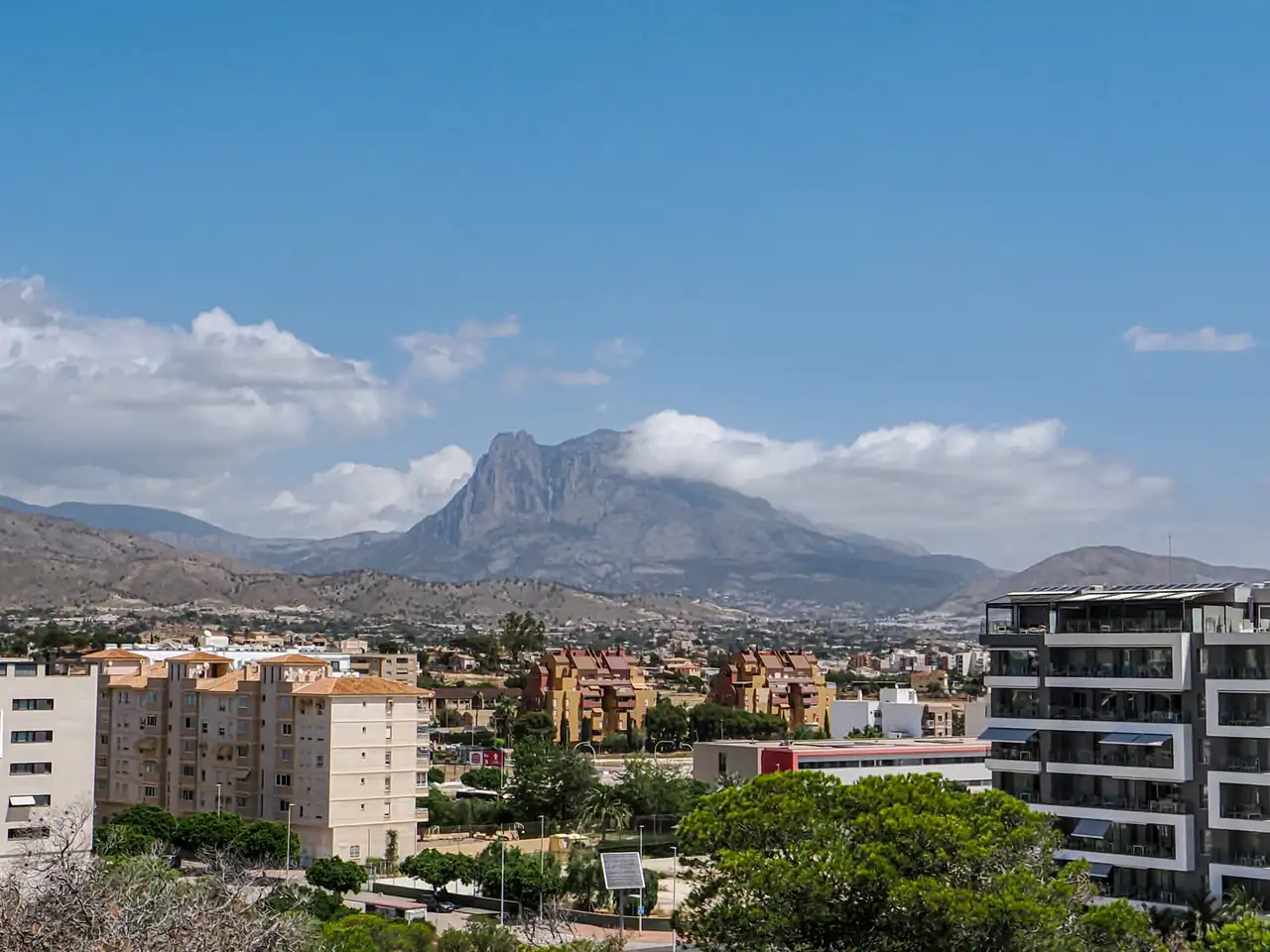
Pedreguer will host the 14th Mitja Marató Ocaive on Sunday, Feb. 7, 2027, as part of the Circuit Trail Marina 26/27. The start is scheduled for 8:30 a.m. from Plaça Major, according to the information published for the event. The confirmed date makes it one of the Marina Alta’s mountain-running fixtures planned for winter 2027.
The available information lists three formats: a 22-kilometer race, a sprint option and a walking route. Only the 22-kilometer distance is specified in the entry listing; the precise lengths of the other two are not given there. Listed prices are 23 euros for the 22-kilometer option, 20 euros for the sprint and 18 euros for walking, with registration scheduled to run from Dec. 7, 2026, through Feb. 3, 2027.
Date, start and confirmed details
The race is set for Feb. 7, 2027, in Pedreguer, a municipality in Alicante province. The start time is listed as 8:30 a.m., and the location is Plaça Major, also identified in the event information as Plaza Mayor. Those details place the race on the calendar, although the available listing does not specify start times for the other formats or any possible last-minute changes.
The announced event name is XIV Mitja Marató Ocaive – Pedreguer, the ninth race in the Circuit Trail Marina 26/27. The name places the event within a specific circuit season and signals its continuity: the race will reach its 14th edition in 2027. The 22-kilometer figure attached to the main format should not be confused with the exact 21.1 kilometers of a road half-marathon; in mountain races, the name may refer to an approximate distance or a traditional title.
It is also worth separating the information already announced from details not yet included in the material reviewed. The start time, location, three formats and their fees are specified, but no detailed official course map has been published in the listing, nor is there a full description of elevation gain, aid stations or checkpoints. Those factors can strongly affect a mountain race’s actual difficulty and require specific information from the organizers.
Three formats and a main distance of 22 kilometers
The event combines a 22-kilometer race with a sprint alternative and a walking format. The program can bring together different kinds of participants: runners seeking a longer distance, those who prefer a shorter effort and people who want to explore the area on foot. The sprint and walking distances are not specified in the fee listing, so figures from earlier editions should not be assigned to them.
The race’s name refers to a mountain half-marathon, but the 2027 event information describes the main option as a 22K. Earlier editions have featured different courses: information published for 2025, for example, listed a 21.2-kilometer main race, a 14.7-kilometer mountain race and a 13.7-kilometer walk. Those figures belong to an earlier edition and do not confirm the lengths of the 2027 routes.
The difference between a race’s familiar name and its announced distance is not unusual in trail running. Routes can change because of safety adjustments, permits, ground conditions or organizational decisions, while a traditional event name remains. To compare the effort with other races, runners will need to know more than the mileage: total elevation gain and the course profile are also important, and those details are not yet available for this edition.
Registration, schedule and announced prices
The published registration window runs from 10 a.m. on Dec. 7, 2026, through 11:59 p.m. on Feb. 3, 2027. The stated deadline falls four days before race day. The listing says registration will be available soon and gives those dates as the planned entry period, so the publication of the event details does not mean registration is already open when this information is read.
The announced fees are 23 euros for the 22-kilometer option, 20 euros for the sprint and 18 euros for the walking format. The platform says taxes are included and sets the payment deadline at 11:59 p.m. on Feb. 3. The price depends on the chosen format; the information provided does not say whether fees may change in stages, whether there will be later surcharges or whether additional services are included.
Before registering, participants generally need to review the rules on changes of name, withdrawals, refunds and required paperwork. In this case, the reference listing provides contact options for issues and general questions but does not include the full rules for this edition. Final conditions and any fee updates should therefore be checked through the registration platform and documents issued by the organizers, rather than assumed to match rules from previous years.
Pedreguer and the Ocaive surroundings
Pedreguer is in Alicante’s Marina Alta region, where towns sit alongside mountain ranges, rural tracks and Mediterranean landscapes. Ocaive is part of the mountainous identity associated with the race and explains why the event is presented as a trail-running fixture, even though the precise 2027 route has not yet been published. The landscape is part of the sporting experience, but it does not reveal which tracks or paths will be included in the course.
The listed start at Plaça Major places the beginning of the event in central Pedreguer. From there, the race is expected to head into a mountain setting, consistent with its name and its place in a trail circuit, but the exact route must await an official announcement. Without a map or elevation profile, it is not possible to confirm sections over peaks, ravines, specific paths or aid stations. Careful reporting matters: presenting an unannounced section as confirmed could mislead runners.
The winter calendar also affects planning. In early February, temperatures can be cool at first and change as the morning progresses; on a mountain route, wind, rain or mud can alter both the perceived temperature and grip. A reliable forecast is not available months in advance, so conditions on race day can only be assessed closer to the start, using an updated forecast and the race instructions.
What is known about the course and what remains pending
The published information confirms a 22-kilometer option but does not offer enough detail to assess the level of difficulty. Distance is only one part of the effort: a route with sustained climbs may take more time and energy than a route of similar length with a gentler profile. Surface, trail technicality and the distribution of elevation gain also matter. Without an elevation profile or official track, any precise estimate would be speculative.
The listing does not detail aid stations, cut-off times, checkpoints, mandatory equipment or policies for adverse weather. These are common elements in mountain-race rules and matter to experienced runners and newcomers alike. Their absence from a summary listing does not mean they do not exist; it means participants still need to consult the specific rules for the 2027 edition to find out.
Historical information can provide context but cannot replace a current announcement. In 2025, three specific distances and different start times were published. Those details show that the event has offered several options, although they should not automatically be carried over to 2027: the current event information confirms its formats and prices, not every operational detail or the length of each route.
A race in the Circuit Trail Marina
The event is listed as the ninth race in the Circuit Trail Marina 26/27. Its place in the series links the race with other mountain competitions in the Marina Alta and helps participants see it within a broader calendar. The season designation provides a useful time reference: the circuit covers the 2026 and 2027 seasons, while the Pedreguer race is scheduled for February 2027.
For runners following the series, the event may offer a chance to measure their progress between races, provided scoring and classification rules are set out in the general regulations. The documentation referenced for 2026-27 includes Circuit Trail La Marina rules, but the available information does not describe their criteria. Categories, points, participation requirements and awards cannot therefore be confirmed here. Those details depend on the official rules and may differ from previous seasons.
A local race’s character also comes through in the mix of paces and formats. The walking option means the mountain is not reserved solely for competitive runners, while the race formats offer different levels of physical challenge. That combination can shape the morning, from the bustle at the start to the more measured pace of people walking the route. The final information will determine how those starts are organized and whether the formats share sections of the course.
Preparing sensibly for a mountain race
Without details on elevation or the exact surface, the most reasonable preparation is general: get used to running on varied paths and gradually build time on uneven terrain. For the 22-kilometer option, endurance matters, as does the ability to regulate effort on climbs and stay stable on descents. Distance alone does not sum up the difficulty; the published profile will be essential for setting expectations and adjusting training.
Shoes should be chosen according to the confirmed terrain, not just the trail label. A firm track, a rocky path and a muddy section place different demands on grip and protection. Once the organizers publish the route, participants can assess what kind of outsole and fit may be suitable. Until then, categorical claims about required gear should be avoided: only the rules can establish that requirement.
The start is scheduled for 8:30 a.m., a morning time that makes it sensible to plan arrival, warm-up and clothing for the wait. In February, starting with layers that can be removed once the body warms up is often more practical than relying on one garment, although choices depend on the forecast and the individual. The available information does not mention baggage storage, parking or bib collection, so those arrangements will need confirmation in event updates.
Information to follow before February
In the months ahead, the most useful details will be the rules, map, elevation profile and confirmed distances for the sprint and walking options. It will also be important to check whether the announced start time applies only to the main race or to the whole event, since the available listing gives just one specific time. An official update may fill in these details without necessarily changing the announced date.
Registration is scheduled to begin on Dec. 7, 2026, and the published deadline is Feb. 3, 2027. That timetable helps with planning, but entry limits, possible extensions or changes to the registration period are not included in the information provided. The rules for cancelling a place or transferring it to another person are also not specified. The known fees, ranging from 18 to 23 euros, apply to the announced formats and should be read alongside the rules in force at registration.
The 14th Ocaive race already has a date, town, start location, time and three announced formats. What remains unknown — above all the route and its demands — will be crucial for participants deciding which option suits their experience. Pedreguer will put the mountains at the center of its sporting calendar again on Feb. 7, 2027, with an event that combines a main distance of 22 kilometers with a shorter race and a walking option.
Where to stay in Pedreguer
Hotels available 5–8 February 2027.
Affiliate links: if you book through this map we earn a commission, at no extra cost to you.



Reebok runs large or small: a real fit guide

Hoka Challenger ATR 7 GTX: complete review of the all-terrain shoe

How to clean white sneakers without ruining them

Altus Pirineos 40-liter backpack: analysis, use, and key points

20,000 mm waterproof jacket for men: key points to get it right

Under Armour HOVR Sonic 6: complete review of the shoe

incline treadmills: guide to choosing better

Achilles tendonitis: real recovery time

Pain in the Achilles heel: causes, signs, and relief

What to take for calf pain: real relief and when to worry

 Races3 months ago
Valencia Half Marathon 2026: date and registration

 Reviews and Comparisons4 months ago
Asics Gel-Roadmiles 3 for men: review and current price

 Races3 months ago
Valencia Marathon 2026: entry, ballot and course

 Reviews and Comparisons4 months ago
Asics Gel Sonoma 8 Gore-Tex: complete analysis for trail and rain
- Sneakers3 months ago
Saucony Endorphin Pro 4: full review and verdict

 News5 months ago
Strava API 2026: what changes for clubs, challenges and runner apps?

 Reviews and Comparisons5 months ago
Nike Alphafly 3: opinions, sensations, and real key points

 Reviews and Comparisons4 months ago
Under Armour running shoes review 2025-2026: models and key features

 Sports Equipment4 months ago
Shoe sizes in cm: a clear guide to getting the right fit for your footwear
- Sneakers4 months ago
Adidas Adizero Boston 13 for men: review and verdict
- Sneakers3 months ago
Neutral running shoes with lots of cushioning: the best of 2026

 News4 months ago
Where is the Hoka brand from and why was it born in France