Training
At-home exercise routine for runners: build strength without kit
Useful routines, recommended frequency, and keys to training at home effectively, without relying on the gym.

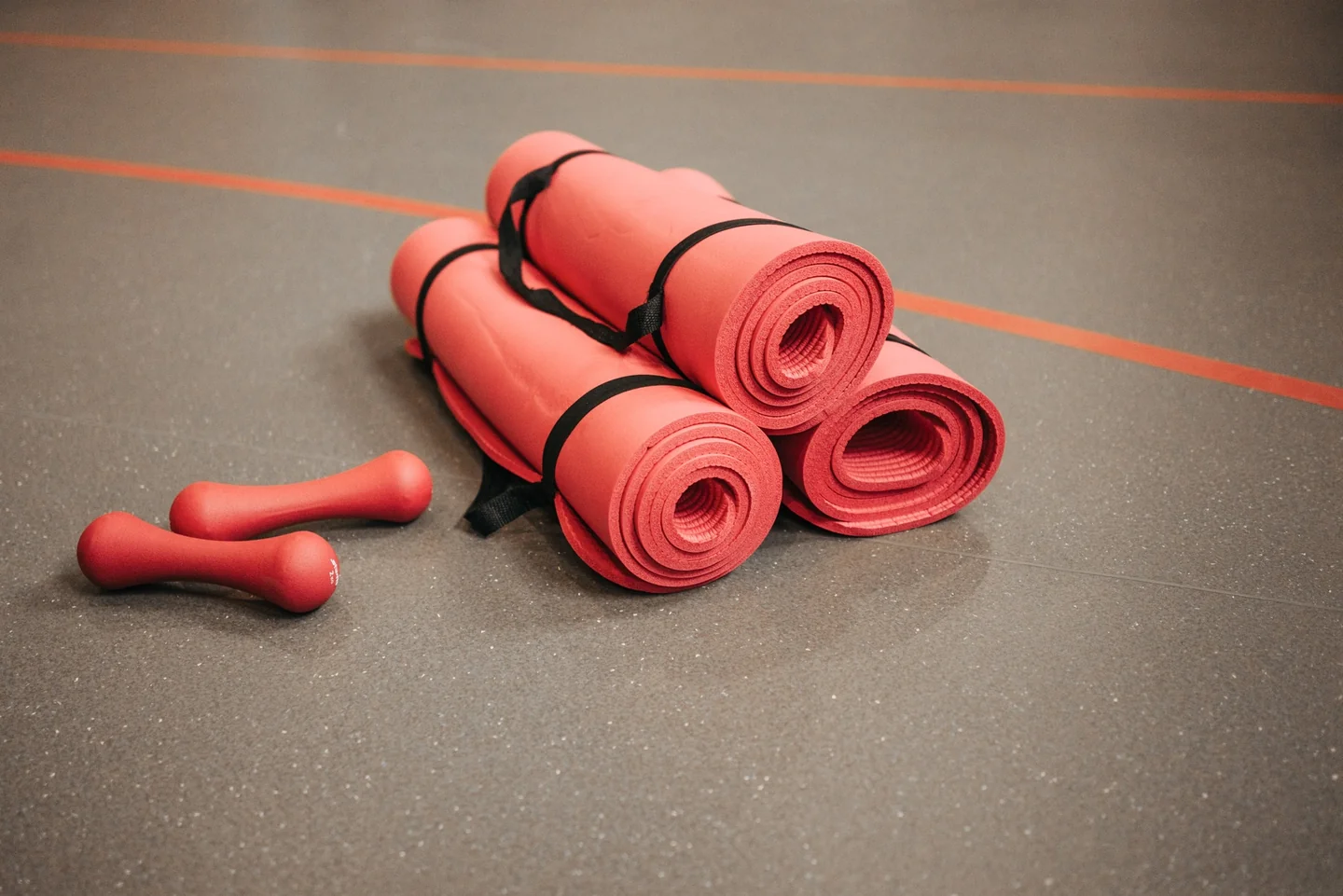
Training at home is no longer just a fallback: for many runners, it is a practical way to maintain strength, mobility and consistency when time is short. A well-planned routine, rather than a string of unrelated exercises, can mean fewer missed sessions, less wasted time and steadier progress.
A good home-based plan doesn’t need machines, but it does need structure, consistency, and a sensible distribution of effort. With just body weight, a stable chair, a mat, and, if desired, a few light dumbbells or resistance bands, it is possible to work the legs, torso, back, and core with enough stimulus to improve overall fitness and support running performance.
The foundation of a home routine that actually delivers results
The usual problem is not the lack of equipment, but the lack of order. Many people chain together squats, push-ups, and crunches without a clear logic, like someone sweeping sand with a broom that is far too short: there is movement, yes, but the progress is small. A useful plan distributes muscle groups, leaves room for recovery, and prevents the session from turning into a repeated punishment.
In home training, quality matters more than noise. That means choosing a few exercises, performing them well, and repeating them with progression. For someone who runs, this idea fits especially well, because a good strength base helps sustain technique when fatigue, mileage, and hills appear. The legs hold up better, the stride becomes more stable, and the torso stops collapsing at the end of the intervals.
The most effective routines usually mix basic movement patterns: pushing, pulling, squatting, hip hinging, core stability, and unilateral work. That combination covers the essentials without needing to fill the session with unusual exercises. In fact, the simpler the structure, the easier it is to repeat it week after week and measure whether it is really working.
Minimal equipment and a realistic space to get started
You do not need to set up a home gym to train seriously. With a clear area of two or three square meters, many exercises can already be done properly. A mat helps protect the floor and adds comfort for floor-based work, but a thick towel can also work on certain days. The chair comes into play for assisted squats, adapted dips, or step-ups, as long as it is sturdy and does not slip.
Dumbbells open up options, though they are not essential at the beginning. A couple of filled bottles, a backpack with books, or some resistance bands are enough for many basic strength sessions. The important thing is that there is a load, even if it is modest, so the muscle has to respond rather than merely accompany the movement. At home, the load can vary with tempo, pauses, or the number of repetitions, not only with weight.
The environment also matters. A room with good ventilation, no furniture at kicking height, and a stable floor changes the experience completely. This is not a minor detail: an uncomfortable space encourages you to shorten the session, while an orderly environment makes it easier for the routine to become a habit rather than a Sunday-afternoon exception.
Which exercises fit best in a home plan
Squats remain the center of gravity of almost any home plan, because they activate the quadriceps, glutes, and part of the torso. Done well, with the chest open and the weight distributed mainly through the whole foot, they offer a very valuable stimulus without needing to load barbells. Lunges, meanwhile, add a unilateral component that forces each leg to work separately, something especially useful for spotting and correcting differences between sides.
Horizontal pushing is trained with push-ups, adaptable to almost any level. The hands can be placed on a high table, on a wall, or on the floor, depending on the available strength. The advantage of this exercise is that it teaches you to stabilize the torso while you push, a skill that also appears when swinging the arms powerfully while running or maintaining posture at faster paces.
For the back side of the body, the glute bridge and the deadlift with a backpack or dumbbells perform a very valuable function. Both actions remind the body how to extend the hip and how to distribute force from behind, something many people forget after spending hours sitting. If back work is added with rows using a band or a backpack, the whole setup gains balance and posture benefits from the change.
The core deserves its own place, but not in the form of endless punishment. Front plank, side planks, dead bug, and bird dog offer smarter work than hundreds of quick crunches. The midsection should not just burn; it should stabilize. That is the difference between moving the torso like a disorganized spring and turning it into a solid piece that transfers force between the legs and arms.
A practical plan for different levels without overcomplicating it
The most useful routine is the one that can be repeated without depending on your mood that day. For a beginner level, a 25- to 35-minute session may be enough with a simple circuit: squats, incline push-ups, glute bridges, band or backpack rows, front planks, and alternating lunges. Doing between 8 and 12 repetitions per exercise, for two or three rounds, is usually enough to activate the body without exhausting technique.
Once some base has been built, the plan can grow with small adjustments. Increasing the number of repetitions, adding a third or fourth set, lengthening the lowering phase, or reducing rest changes the stimulus without needing to invent too much. Progression does not always mean lifting more weight; sometimes it means controlling the movement better or holding it under tension for longer.
For someone with experience, home training allows denser sessions. One day can be alternated for the lower body with another for the upper body, and a third session can be reserved for a more global block with a greater metabolic component. That format suits those who run several times a week, because it leaves room to adjust leg load according to mileage and the type of aerobic training.
A simple model, without turning it into a rigid scheme, would be this: one day for legs and glutes with squats, lunges, and bridges; another day for the torso with push-ups, rows, and planks; and a mixed session with faster variations, core work, and some mobility. The key is not the exact number of exercises, but that the body receives a repeatable and measurable stimulus.
The weekly frequency and recovery that are truly needed
Training more does not always mean training better. For beginners, three strength sessions a week are usually a sensible reference. That distribution leaves a rest day between sessions and helps the muscles adapt without turning fatigue into a wall. In strength training, recovery is part of the work, not an added reward.
With some experience, you can increase to four or even five weekly stimuli, but they do not all have to be hard. A well-thought-out home plan combines intense days with others that are more technical or mobility-focused, so the body does not accumulate unnecessary tension. The goal is to leave each session feeling worked, not demolished.
For runners, balance matters even more. If the week already includes intervals, long runs, or hills, strength should be placed where it does not interfere with the key running sessions. It often works better to place leg work far from the hardest running day and use the torso or core on days with lighter aerobic load.
Rest also matters between repetitions. Very dense strength sessions without clear pauses often degrade technique. In a home plan, between 45 and 90 seconds per set is a reasonable range for most general exercises, although more demanding movements or heavier loads may require more time. The right pause does not break the routine; it makes it sustainable.
Warm-up and cool-down with common sense
Starting cold is a bad habit the body often makes you pay for. Five to ten minutes of mobility and activation are enough to completely change the session. Shoulder circles, hip rotations, gentle squats, controlled lunges, knee raises, and a minute of brisk marching or light jumps prepare the joints and muscles sufficiently.
That start does not have to be sophisticated. What matters is raising body temperature and reminding the body of the pattern it will repeat afterward. A good warm-up reduces the feeling of initial awkwardness, improves coordination, and makes it less likely that a stiff joint will complain at the first sudden movement. In sessions with push-ups or unilateral work, this preparation makes an even bigger difference.
The cool-down deserves the same attention, even though it is often treated like an unimportant epilogue. Slow breathing, gentle hip mobility, light stretches for the glutes, quadriceps, hamstrings, chest, and back help lower heart rate and release accumulated tension. The point is not to force impossible ranges, but to return the body to a comfortable range and let the session end without abruptness.
Common mistakes that strip value from a home session
The first mistake is copying routines without adapting anything. Not every body responds the same way, not every home offers the same space, and not every level allows the same training density. A useful plan should be able to be reduced, expanded, or reordered without losing its purpose. When an overly ambitious format is imposed, technique breaks down and consistency suffers.
Another common error is sticking to very familiar exercises but repeating them with poor form. Push-ups with the hips dropped, squats with the knees collapsing inward, or half-done planks do not build a solid foundation. Execution matters more than quantity. One well-controlled set contributes more than three disorganized sets that only feed fatigue.
There is also a common obsession with sweating as the only indicator. Sweating does not equal progress, just as finishing tired does not always mean you trained well. Real improvement shows in the quality of movement, in post-workout recovery, and in how the body responds the following week. For a runner, that translates into a firmer stride, better tolerance to impact, and less stiffness when linking sessions together.
How home strength work fits into a runner’s routine
The relationship between strength and running is much closer than it seems. A runner’s legs do not just need endurance; they also need the ability to stabilize the knee, hip, and ankle across thousands of foot strikes. A well-directed home plan can strengthen precisely that control chain, reducing the feeling of weakness on hills, descents, and pace changes.
Glute and torso work is especially valuable for maintaining posture when mileage accumulates. A well-functioning glute and a core that does not collapse help preserve alignment, something that matters in short races, half marathons, and long runs alike. Strength does not replace running, but it does make each stride more efficient.
In addition, home training has an almost underestimated logistical advantage: it reduces friction. There is no commute, no waiting for equipment, and no schedule excuse. In heavy weeks, that simplicity is worth gold. A short session can be done before breakfast or at the end of the day without disrupting the rest of the agenda too much, which makes it easier to maintain continuity for months.
On days when running fatigue is high, the plan can be limited to a gentler version: mobility, core, glute bridges, light rows, and some stability work. Training at home is not about always pushing the maximum, but about sustaining a useful habit. That accumulated consistency usually matters more than one very intense week followed by two weeks of stopping.
Home strength work to support your running
An at-home exercise routine can complement your running, especially when you cannot get to the gym or want to keep up strength work during a busy week. It does not need to be long or complicated: choose movements that work your legs, hips and trunk, and that you can perform with good control. Squats, lunges, glute bridges and core stability exercises are accessible options. You can adjust their difficulty by changing your support, range of motion or pace.
Fit the session around your runs. If you have intervals, hill work or a long run coming up, avoid leaving your legs too tired for that key workout. If they feel heavy, reduce the effort or choose gentler movements and allow time to recover. A day without a hard run may be a better fit, depending on how you feel and how your body responds. Consistency matters more than trying to make up for a missed week with one demanding session.
During each exercise, watch for loss of control, a clear shift of effort to one side, or pain. Stop and adjust the movement if that happens; do not try to run or strength train through pain. Clear a stable space, use a firm chair if needed, and begin with variations you can manage before adding resistance with a backpack or bands. If pain or other symptoms persist, seek advice from a healthcare professional.
A useful closing note for anyone who wants to train without relying on the gym
The best home plan is the one that solves real problems: little time, limited space, the need to stay in shape, and the desire not to lose continuity. It is not meant to impress with complexity, but to provide a stable structure that allows you to add weeks, refine technique, and build a stronger physical base. In that context, simplicity is a virtue, not a lack.
A well-designed home routine can support very different goals, from improving general fitness to supporting running performance or slowing the wear and tear of spending too many hours sitting. What matters most is consistency, gradual progression, and respect for recovery. With those three pieces, any room can become a serious, discreet, and surprisingly effective training space.
In times of packed schedules and fragmented training, the home has gone from a passive refuge to a small work track. It does not replace everything, but it does solve a lot. And in sport, as in almost everything, solving a lot without overcomplicating things is often one of the smartest ways to move forward.
You may also like: Home workout routines for men: complete guide.
Este artículo contiene enlaces de afiliado: si compras a través de ellos, se genera una pequeña comisión sin coste adicional para ti. Más información.



Reebok runs large or small: a real fit guide

Hoka Challenger ATR 7 GTX: complete review of the all-terrain shoe

How to clean white sneakers without ruining them

Altus Pirineos 40-liter backpack: analysis, use, and key points

20,000 mm waterproof jacket for men: key points to get it right

Under Armour HOVR Sonic 6: complete review of the shoe

incline treadmills: guide to choosing better

Achilles tendonitis: real recovery time

Pain in the Achilles heel: causes, signs, and relief

What to take for calf pain: real relief and when to worry

 Races3 months ago
Valencia Half Marathon 2026: date and registration

 Reviews and Comparisons4 months ago
Asics Gel-Roadmiles 3 for men: review and current price

 Races3 months ago
Valencia Marathon 2026: entry, ballot and course

 Reviews and Comparisons4 months ago
Asics Gel Sonoma 8 Gore-Tex: complete analysis for trail and rain
- Sneakers3 months ago
Saucony Endorphin Pro 4: full review and verdict

 News5 months ago
Strava API 2026: what changes for clubs, challenges and runner apps?

 Reviews and Comparisons5 months ago
Nike Alphafly 3: opinions, sensations, and real key points

 Reviews and Comparisons4 months ago
Under Armour running shoes review 2025-2026: models and key features
- Sneakers4 months ago
Adidas Adizero Boston 13 for men: review and verdict

 Sports Equipment4 months ago
Shoe sizes in cm: a clear guide to getting the right fit for your footwear
- Sneakers3 months ago
Neutral running shoes with lots of cushioning: the best of 2026

 News4 months ago
Where is the Hoka brand from and why was it born in France