Reviews and Comparisons
Merrell Moab Speed 2 Gore-Tex men’s: analysis and key usage tips
The waterproof version combines lightness, grip, and comfort; we review its key features, sizing, and real-world uses.

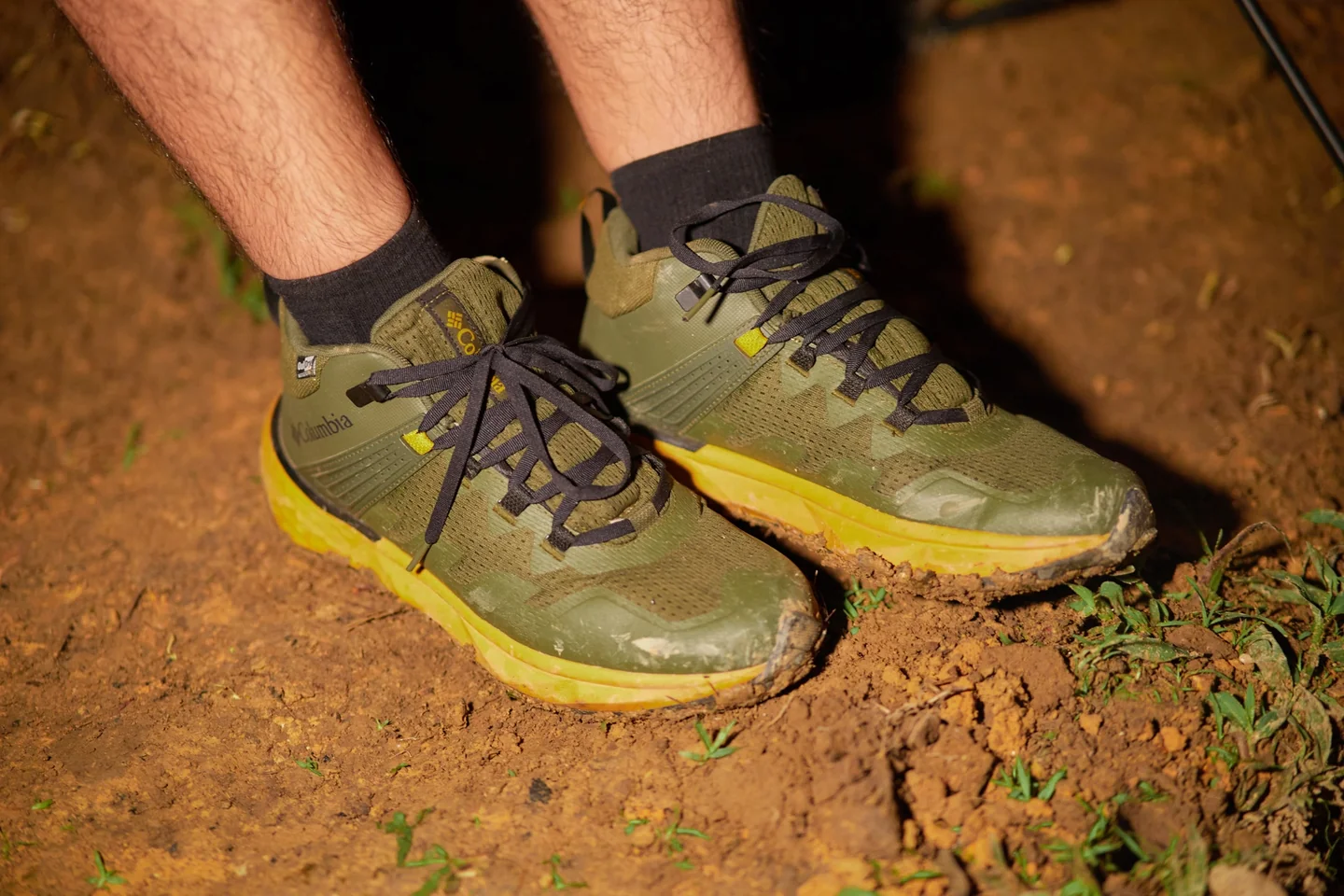
The Merrell Moab Speed 2 Gore-Tex for men has carved out a very specific place in the market: that of a lightweight hiking shoe that wants to move with ease, but without giving up protection against rain and mud. It is neither a heavy boot nor a pure mountain running shoe; it plays in that middle ground many hikers look for when the terrain changes suddenly and the weather gives no respite.
The model comes from the Moab family, one of Merrell’s best known, and adds a more agile build, a GORE-TEX membrane, and a outsole designed to bite into trails, tracks, and paths with more confidence. The result is a proposition that fits well on day hikes, weekend getaways, and moderate treks, especially when the ground is damp, the sky looks threatening, or summer gives way to an unpredictable autumn.
A hiking shoe that keeps an eye on trail pace
The most interesting reading of this shoe lies in the way it blends two worlds. On one hand, it inherits from the Moab lineage the idea of recognizable comfort, that feeling of a forgiving fit that does not require a long adaptation period. On the other, it borrows features from the brand’s trail running footwear to gain fluidity, breathability, and responsiveness underfoot. That combination explains much of its appeal: it feels made for walking fast without feeling like you’ve got a brick tied to your ankle.
Merrell talks about a clear improvement in the foam underfoot, with a 30% increase in cushioning material compared with previous generations, and that translates into a less harsh ride on long outings. It does not turn the shoe into a mattress, but it does make it a less tiring companion when the route stretches on for hours. That nuance matters because in hiking, the difference between finishing feeling fresh or with overwhelmed feet often comes down to small things: pressure distribution, forefoot flex, and stability when the terrain turns uneven.
The silhouette also moves away from the classic look of a sturdy boot. Here you get cleaner lines, a sporty aesthetic, and a construction that feels more like a hybrid shoe than traditional mountain footwear. That image is not just visual marketing: it points to a lighter, more agile, and less rigid wearing experience, especially useful for anyone alternating asphalt, forest tracks, and easy trails on the same outing.
Water protection without turning it into armor
The presence of GORE-TEX makes the difference compared with the non-membrane version. The idea is simple and effective: keep water out under normal use conditions while still preserving reasonable ventilation so the foot does not get trapped in a humid chamber. In practice, this makes it more useful in regions with frequent rain, mild but wet winters, or routes where splashes, puddles, and soaked grass are part of the scenery.
The membrane does not work miracles. As with any waterproof shoe, breathability falls behind that of a ventilated model, and that is worth keeping in mind if the plan involves walking for several hours in the middle of Mediterranean heat. On dry, hot days, a non-membrane shoe will always breathe better; by contrast, when the ground is wet or the weather turns mid-route, the extra protection of this version outweighs the loss of freshness.
In a community like Valencia, that balance makes a lot of sense in winter, on humid mountain routes, or in areas where the ground holds water after recent rain. It is not a shoe meant for crossing deep streams or replacing a technical high-mountain boot, but it does handle the classic scenario of slippery paths, compacted earth, and low fog very well. Its value lies in protecting without making the experience too stiff.
Grip, stability, and a sole with intent
One of the model’s strong points is the Vibram TC5+ outsole, developed specifically for Merrell. That choice is no small thing, because Vibram is usually associated with reliable grip and consistent performance on varied surfaces. Here it comes with 4 mm lugs, a figure that sits in a sensible range for light hiking and mixed terrain: enough to bite into loose soil and moderate mud, without becoming uncomfortable on firm surfaces or paved sections.
The lug geometry aims for more than brute traction. It also tries to shed mud and small stones with each step, a detail that is appreciated when the route goes from dry to soft and back to dry again in a matter of minutes. That self-cleaning ability helps maintain consistent footing, and in the mountains consistency matters almost as much as raw grip. A clean sole not only moves better; it also feels more secure.
Alongside the sole is a lightweight FlexPlate that adds torsional rigidity and lateral stability. In user terms, that means the shoe twists less on tricky foot placements and better protects the foot when the terrain has roots, rocks, or sudden changes in slope. At the same time, it retains forefoot flexibility, which is important for walking naturally and not feeling like every stride is being constrained by a structure that is too stiff.
Wear comfort and underfoot feel
Comfort is probably the shoe’s strongest argument. The FloatPro foam in the midsole delivers a soft ride, with enough rebound to avoid feeling overly mushy. It does not aim for the feel of a maximalist shoe, but rather for that level of cushioning that reduces punishment on long descents and full-day outings. The sole of the foot rests better when the terrain gets demanding, and that becomes noticeable as the miles add up.
The padded collar, bellows tongue, and dual pull tabs on the heel and tongue make it easy to put on and help keep the foot more secure. These are practical, almost quiet details that matter more than they may seem in the mountains. There is also a Cleansport NXT treatment to control odor, a useful feature in shoes used during long days and in humid environments.
The overall feeling in real use is that of footwear that tries not to get in the way. The foot goes in, settles, and the shoe fades into the background, which is exactly what you usually want on a long outing: no annoying pressure at the toe box and no excess looseness at the heel. Even so, the fit does not have to feel identical on every foot. The last and forefoot volume remain decisive factors, especially for runners or hikers used to wider insoles or very generous low-cut models.
Fit, sizing, and width: what to keep in mind
The sizing of this model deserves attention because not all feet respond the same way. Merrell offers medium width and wide width, a sensible decision in a hiking shoe that aims to please different user profiles. Those with wider feet may appreciate that extra room on multi-hour routes, when the foot expands with heat and activity. The wide version not only adds space; it can also relieve pressure points in the midfoot and forefoot.
In independent tests that have examined the Moab Speed 2 family, sizing has produced mixed observations. Some references suggest it may run a bit long, while the brand itself indicates that the fit tends to be slightly small. That discrepancy is not unusual in technical footwear: it depends on the foot, the sock, the use, and even personal perception of forefoot room. The practical takeaway is clear: the fit should not be bought blindly.
Merrell’s size chart places the usual conversion across US, UK, European, and Japanese sizes, with broad availability ranging from 7 to 15 in the men’s model. That gives an idea of its commercial intent, designed to cover many user profiles. It also matters that the collection includes a wide width option, because real hiking comfort depends not only on foot length but on how volume is distributed along each stretch of the route.
Materials and construction focused on real-world use
The upper combines ripstop nylon and TPU, two materials that aim to balance lightness and durability. Ripstop helps limit small tears, while TPU adds structure and some protection against abrasion. It is not a thick leather build, nor does it aim to be; its logic is more modern, more sporty, and more oriented toward saving weight without leaving the foot too exposed.
The shoe also incorporates reinforced synthetic toe and heel areas, designed to withstand light knocks against stones or branches. The bellows tongue helps seal out dirt more effectively, which is important on gravel, dusty paths, or sticky mud. It also includes recycled materials in the laces, mesh lining, and footbed cover, a detail that is increasingly common in the sector and here is integrated without changing the product’s core logic.
Another detail that helps explain its positioning is the weight. Merrell lists the average pair weight at 365 grams, about 0 lbs-12.87 oz per foot, a moderate figure for a waterproof hiking shoe. It does not compete with the most minimalist models on the market, but it does maintain a convincing ratio between protection and lightness. It does not feel heavy when walking, and that is part of its appeal.
What terrain it suits best and where it loses purpose
The key to this shoe is knowing where it truly performs. It works well on trails with moderate obstacles, mountain tracks, mixed terrain, and outings where the weather can change suddenly. It also makes sense for anyone looking for a single pair that can handle walking, travel, and countryside escapes without needing several alternatives at home. In that hybrid use, its profile makes a lot of sense.
Where it loses ground is in very technical scenarios, with unstable footing, demanding side-hill traverses, or very broken terrain. The upper, being relatively soft and lightweight, does not offer the containment of a more robust boot. That does not make it a bad shoe; it simply defines its place more clearly. It is a tool for agility, not a fortified stronghold. It is also not intended for high mountains or for walking on hard snow without the proper gear.
The brand even notes secondary uses such as golf, which confirms that the aesthetic and functional approach also seeks versatility beyond the mountains. That may sound anecdotal, but it reveals something important: the shoe does not live solely in the harshness of the trail. It wants to serve in everyday settings, urban travel, or trips where a shoe that can handle rain, paths, and hours on your feet without much trouble is appreciated.
How it compares with other Merrell options
Within the brand’s catalog, this waterproof version sits alongside alternatives such as the Moab 3, which is more classic and sturdier, or the non-membrane Moab Speed 2, which prioritizes ventilation and a cooler feel over water protection. There are also mid, tactical, and higher-cut variants within the same family, making it clear that Merrell has turned the Moab Speed 2 line into a kind of map of solutions for different scenarios.
The men’s GORE-TEX version stands as one of the most balanced options if the user wants a low-cut, relatively light shoe with realistic waterproofing. Compared with a leather boot or a more technical model, it gains in dynamism; compared with a pure trail shoe, it adds more coverage and a base that is more about walking than running. Its natural territory is fast hiking and weather versatility.
That also explains its official price, set at $175 in the reference store, a figure that places it in the mid-to-high range of the segment. It is not an entry-level product, but it also does not sit at the extreme end of the heaviest premium models. The economic reading depends, once again, on real use: those in dry areas may not need the membrane; those who walk a lot in wet terrain will see the extra cost as more justified.
A purchase that depends more on use than on display
The Moab Speed 2 Gore-Tex for men fits best for a user who walks a lot, wants to move lightly, and appreciates reliable water protection without entering the territory of the classic boot. It has a very practical take on mountain getaways, forest tracks, recreational hiking, and trips where one shoe has to handle more than one situation. Its balance lies in moderation: enough grip, enough cushioning, enough waterproofing, and an aesthetic discreet enough to avoid feeling excessive in almost any setting.
Its limits should also be acknowledged honestly. It is not the best choice for intense heat over many hours, nor for very technical routes, nor for those who prioritize rigid lateral protection. And, as with any waterproof model, thermal comfort is conditioned by the membrane. But within its category it offers an attractive combination of stability, pleasant feel, and consistent traction, something not always achieved when trying to make a mountain shoe this light.
In today’s market, where many shoes promise to do everything and end up excelling at very little, this model at least defines its role clearly. It does not aim to be the absolute star of an alpine expedition or the perfect companion for running on dry trails; it works better as a reliable ally for changing routes, bad-weather travel, and walks where the foot appreciates a comfortable support, a secure base, and reasonable defense against moisture.
A serious hybrid for those who alternate trail, rain, and long hours on their feet
The waterproof version of the Moab Speed 2 family does not seek to impress through gimmicks, but through consistency. Lightness, grip, cushioning, and protection share the spotlight with a fairly sensible logic, and that makes it an easy option to understand for users who want to walk without overcomplicating their lives. Its appeal does not come from a single spectacular attribute, but from a balanced set of well-tuned details.
In a landscape where mountain footwear has moved closer to the language of running, this model sums up the trend well: less weight, more flexibility, better terrain reading, and waterproofing that no longer needs to look like armor. It is up to the user to decide whether that balance is worth it. For those who head out often, run into unexpected rain, or simply want a versatile and modern hiking shoe, the concept has much more substance than its lightweight profile suggests.
The Moab Speed 2 Gore-Tex for men is not the most radical or the most technical shoe, but it is one of the most sensible in its category. And in the mountains, more often than not, common sense ends up mattering more than noise.
You may also like: Moab Speed 2 Gore-Tex for men: review and price.
Este artículo contiene enlaces de afiliado: si compras a través de ellos, se genera una pequeña comisión sin coste adicional para ti. Más información.



Reebok runs large or small: a real fit guide

Hoka Challenger ATR 7 GTX: complete review of the all-terrain shoe

How to clean white sneakers without ruining them

Altus Pirineos 40-liter backpack: analysis, use, and key points

20,000 mm waterproof jacket for men: key points to get it right

Under Armour HOVR Sonic 6: complete review of the shoe

incline treadmills: guide to choosing better

Achilles tendonitis: real recovery time

Pain in the Achilles heel: causes, signs, and relief

What to take for calf pain: real relief and when to worry

 Races3 months ago
Valencia Half Marathon 2026: date and registration

 Reviews and Comparisons4 months ago
Asics Gel-Roadmiles 3 for men: review and current price

 Races3 months ago
Valencia Marathon 2026: entry, ballot and course

 Reviews and Comparisons4 months ago
Asics Gel Sonoma 8 Gore-Tex: complete analysis for trail and rain
- Sneakers3 months ago
Saucony Endorphin Pro 4: full review and verdict

 News5 months ago
Strava API 2026: what changes for clubs, challenges and runner apps?

 Reviews and Comparisons5 months ago
Nike Alphafly 3: opinions, sensations, and real key points

 Reviews and Comparisons4 months ago
Under Armour running shoes review 2025-2026: models and key features

 Sports Equipment4 months ago
Shoe sizes in cm: a clear guide to getting the right fit for your footwear
- Sneakers4 months ago
Adidas Adizero Boston 13 for men: review and verdict
- Sneakers3 months ago
Neutral running shoes with lots of cushioning: the best of 2026

 News4 months ago
Where is the Hoka brand from and why was it born in France