Reviews and Comparisons
APL’s sneaker that combines running and urban style
A technical and elegant sneaker that aims for everyday comfort, good support, and a stable stride without sacrificing design.

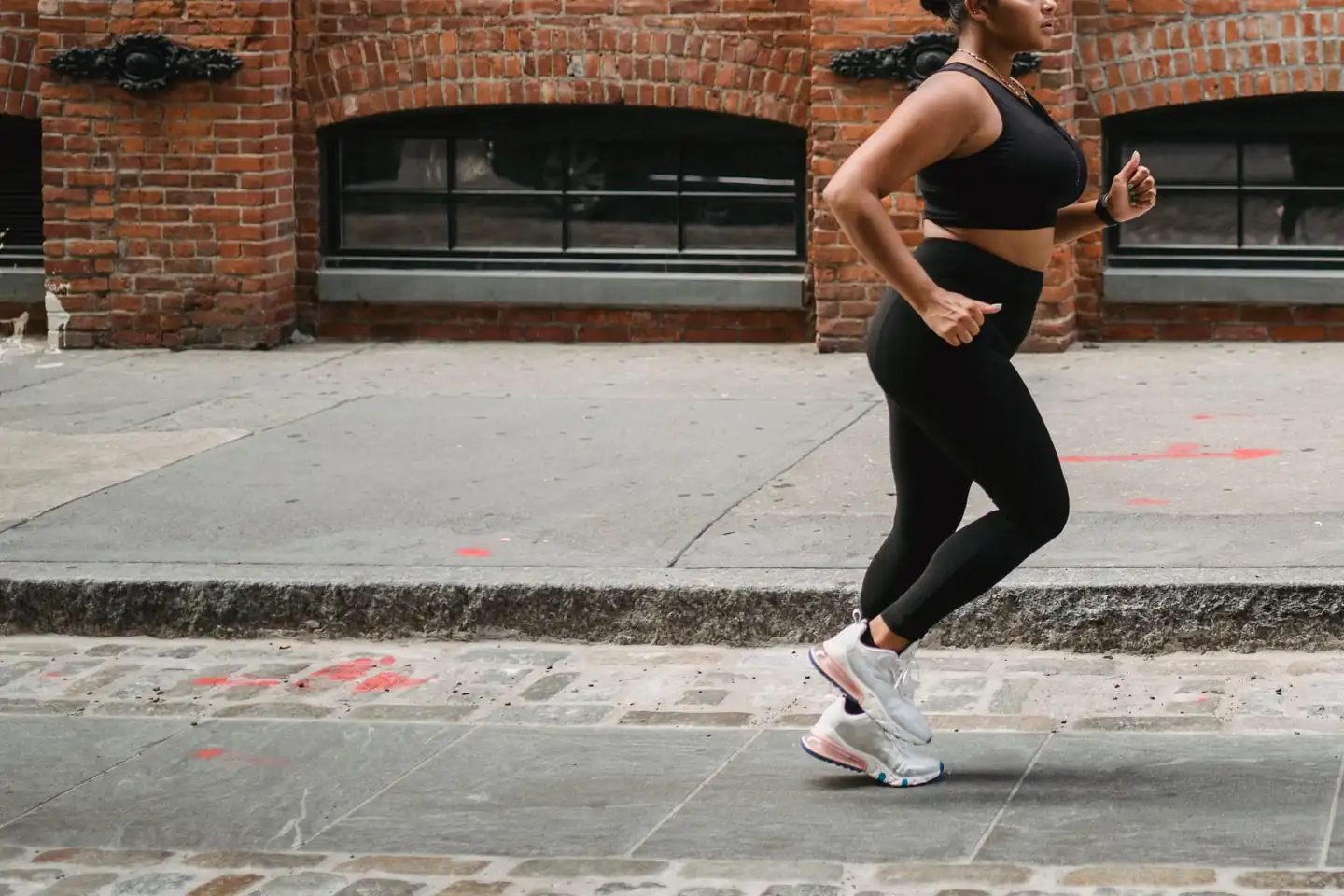
APL has built a sneaker with a hybrid vocation: it aims to perform on easy runs, move comfortably around the city, and at the same time maintain a polished aesthetic that doesn’t look like it came out of a laboratory. That mix explains its editorial appeal and also its limits, because it is not designed for those chasing maximum reactivity or for fast sessions with stopwatch ambitions.
The correct reading is to understand it as a premium piece for mixed use, with enough technical foundation to run comfortably and a visual personality that brings it closer to the urban style arena. What stands out is the stretchy upper fabric, a midsole focused on sustained comfort, and a fit that aims to keep the foot secure without making the stride clumsy or forced.
A technical proposition that doesn’t give up presence
The first thing that catches the eye is the silhouette. It doesn’t have the look of a conventional training shoe, the kind clearly designed only to rack up miles. Here there is a clear design intention, with clean lines, a refined profile, and a construction that feels closer to a well-resolved object than to a pure and simple sports tool.
That approach is no accident. The brand has opted for a three-dimensional elastic mesh upper, a kind of woven fabric that adapts to the instep with a solid, modern appearance. The visual impression is more architectural than soft, more precise than casual. And that matters, because in today’s market many sneakers try to look fast; this one, instead, tries to look well thought out.
Ventilation is also part of the functional story. The material lets air circulate effectively and helps keep the foot from feeling trapped when temperatures rise or wear stretches on for hours. It’s not just about freshness, but about comfort that remains stable during long days, something especially valuable in a model that doesn’t want to be limited to the treadmill or a short walk.
There is also a detail that reinforces its versatility: the lacing system can be hidden and, in certain contexts, even dispensed with to transform the sneaker into a kind of technical slip-on. That idea sums up its character very well. It is not a classic running shoe, but nor is it an unpretentious street sneaker. It lives in an in-between space that few brands exploit with such clarity.
The midsole and the ride in real-world use
The key to its behavior lies in the Propelium midsole. APL developed it with the intention of better preserving the structure and offering consistent cushioning, with a comfort sensation that neither collapses nor rebounds excessively. In practice, that translates into a stable stride, smooth in just the right measure and fairly consistent over time.
This type of foam is not trying to impress on the first footstrike. It doesn’t aim for the explosive feeling that so many shoes with plates or aggressive geometries market today. Its goal is more understated and, for many runners, more useful: to accompany without stealing the spotlight, to absorb without becoming a sofa, and to maintain predictable behavior when the pace is easy or moderate.
The 8 mm drop helps place you in a balanced stance. It doesn’t push too much toward the forefoot or unload the heel too heavily, which favors a natural transition for those who run at a relaxed pace. In easy sessions, the whole package feels coherent; in harder efforts, however, it starts to show that its favorite terrain is not speed, but continuity.
Its stability also deserves a nuanced reading. The brand presents it as a neutral support option, but that doesn’t mean structural correction or pronounced motion control. The support comes more from the overall shape, the fit, and the base of support than from obvious corrective elements. For that reason, it works better for runners with an already reasonably stable gait who want security without stiffness.
Support, flexibility, and everyday wear feel
One of its strengths is the internal fit. The cage-like internal structure helps lock the foot in without boxing it in, something that isn’t always achieved in premium-looking models. That combination of support and freedom makes the fit especially pleasant when the shoe is worn for many hours, because it reduces internal movement without making the feel artificial.
Flexibility supports that approach. The forefoot allows a reasonable bend, and the transition doesn’t feel harsh. There is no nervous response, but there is enough fluidity to walk, jog, or run at a steady pace without the shoe reminding you at every step that it’s there. That discretion, in the best sense, is part of its appeal.
As an everyday shoe, it works better than its image suggests. It has something of a city sneaker with technical ambitions, but without slipping into costume territory. It can move from asphalt to a long walk and then to a gentle treadmill session with quite a bit of natural ease. It is not a model made to dazzle with numbers, but to get through the day with an unusual mix of comfort and presence.
That quality explains why it fits a user profile that doesn’t fully separate sport from the rest of the day. Some runners look for a pure training tool; others prefer a sneaker that also works for urban commutes, errands, or half-day outings. Here the balance lies precisely in that, in not forcing you to choose a single life for the footwear.
Who it makes sense for, and where its limits begin
The best way to read this model is as a shoe for easy paces and versatile use. It generally suits neutral runners, those who prioritize comfort over immediate response, and those who value a running shoe that also works outside training. Long walks, city commuting, easy runs, or treadmill sessions are scenarios where its proposition makes a lot of sense.
It can also appeal to those who prefer a contained fit, with a firm but not overly narrow feel. It doesn’t convey generous room in the forefoot, nor does it aim to solve complex volume problems. Its strength lies more in the uniform embrace of the foot than in a wide or especially permissive last.
Its main limitation appears when asked to do what it doesn’t promise. It doesn’t compete with the fastest training shoes or with aggressive transition models. Nor does it offer a particularly soft midsole or a strikingly springy response. Those expecting a very lively sensation or a more pronounced boost will find a calmer, almost serene character here.
That restraint is not a flaw in itself. In fact, it helps explain its place in the market. Some models are consumed by a single function, while others try to do everything without personality. This sneaker seeks a specific profile: to be comfortable, stable, visually polished, and technical enough to run without giving up style. That balance won’t work for everyone, but it will for a fairly well-defined audience.
Price, positioning, and the logic of the premium segment
The price places this sneaker at the high end of the market. In recent retail references, the adult version is priced at around 320 euros, a figure that puts it well beyond mainstream offerings. This is not an arbitrary amount or a simple brand effect; it reflects a premium positioning where design, materials, and product identity matter as much as sporting function.
That means it must be judged on two levels. If evaluated only as running footwear, the cost-to-performance ratio may seem debatable compared with more rational models for accumulating miles. But if seen as a hybrid piece, with a highly refined finish and a use that extends beyond training, the equation changes and makes sense for a certain type of consumer.
The purchase here is not justified by measurable performance alone. Exclusivity, perceived quality, and aesthetic presence also come into play. In the premium universe, utility coexists with brand image, and that explains why a sneaker can be valued as much for how it runs as for how it fits into a well-considered urban wardrobe.
For that reason, this model should not be compared only with a conventional everyday shoe. Its reference frame is closer to pieces that try to bridge sport and style without going overboard. In that territory, APL plays a clear card: less universality, more identity. And in a market saturated with similar arguments, that identity carries its own weight.
How it compares to other sneaker profiles
Compared with a classic trainer, this proposal is lighter in spirit, though not necessarily in aesthetic ambition. It doesn’t seek the robustness of a pure mileage shoe or the aggression of a fast trainer. Nor does it fully enter lifestyle territory. Its personality depends on that middle ground, where a sneaker can be functional without looking merely functional.
The outsole traction and the supportive base provide security on asphalt and treadmill, two settings where it feels quite comfortable. The forefoot structure adds a reasonable sense of control, though without the sharp character offered by some sneakers designed for faster paces. Overall, it conveys a friendly stability, more about support than correction.
Its profile also matters in relation to weight and price. There are lighter, cheaper, and more aggressive options for anyone who only wants efficiency. But you would also lose part of what this sneaker aims to offer: a broader reading of athletic use, almost as if the product didn’t end when training does. The comparison, therefore, should be made calmly and with its purpose in mind.
That is why it is interesting from an editorial perspective. It is not just a shoe that runs; it is a shoe that proposes a possible coexistence between moderate performance, everyday comfort, and refined design. In an industry full of models that look similar to one another, that crossing of functions remains fertile ground and, above all, useful for those who do not live running as a discipline separate from the rest of the day.
What remains of a sneaker designed to live beyond training
The most honest reading of the model is that it belongs to a trend increasingly visible in athletic footwear: sneakers that do not force performance and style to be completely separate. The market no longer thinks only about the stopwatch. It also matters how the foot feels while walking through the city, how the material ages, and whether the sneaker can withstand many hours of use without tiring the eyes or the body.
In that context, APL has designed a piece with internal coherence. The elastic upper, well-resolved ventilation, consistent midsole, moderate stability, and restrained drop form a package that makes sense on its own. It does not aim to revolutionize training; it aims for something else, perhaps less loud but more current: natural integration into a full day.
That is also its main journalistic virtue. It doesn’t try to deceive with an excessive promise or sell absolute versatility that later doesn’t hold up. It says what it is through its shape, and that gives it character. Some sneakers only work within a very narrow usage band, while others dilute themselves by trying to please everyone. This one operates in a specific range and makes the most of it quite effectively.
In a landscape full of launches that repeat similar talking points about cushioning, lightness, or energy return, this model stands out another way: with a very defined aesthetic backed by enough technical foundation to move confidently. It doesn’t change the rules of the game, but it does remind us that running footwear can also speak to the street without losing credibility.
You may also like: Salomon Advanced Orava Advanced L47853700: complete analysis.
Este artículo contiene enlaces de afiliado: si compras a través de ellos, se genera una pequeña comisión sin coste adicional para ti. Más información.



Reebok runs large or small: a real fit guide

Hoka Challenger ATR 7 GTX: complete review of the all-terrain shoe

How to clean white sneakers without ruining them

Altus Pirineos 40-liter backpack: analysis, use, and key points

20,000 mm waterproof jacket for men: key points to get it right

Under Armour HOVR Sonic 6: complete review of the shoe

incline treadmills: guide to choosing better

Achilles tendonitis: real recovery time

Pain in the Achilles heel: causes, signs, and relief

What to take for calf pain: real relief and when to worry

 Races3 months ago
Valencia Half Marathon 2026: date and registration
 Reviews and Comparisons4 months ago
Asics Gel-Roadmiles 3 for men: review and current price

 Races3 months ago
Valencia Marathon 2026: entry, ballot and course
 Reviews and Comparisons4 months ago
Asics Gel Sonoma 8 Gore-Tex: complete analysis for trail and rain
- Sneakers3 months ago
Saucony Endorphin Pro 4: full review and verdict

 News5 months ago
Strava API 2026: what changes for clubs, challenges and runner apps?
 Reviews and Comparisons5 months ago
Nike Alphafly 3: opinions, sensations, and real key points

 Reviews and Comparisons4 months ago
Under Armour running shoes review 2025-2026: models and key features
- Sneakers4 months ago
Adidas Adizero Boston 13 for men: review and verdict

 Sports Equipment4 months ago
Shoe sizes in cm: a clear guide to getting the right fit for your footwear
- Sneakers3 months ago
Neutral running shoes with lots of cushioning: the best of 2026

 News4 months ago
Where is the Hoka brand from and why was it born in France