Health and Nutrition
Overtraining in running: signs, tests, and recovery
Persistent fatigue, poor sleep, and a high resting pulse often give it away before a serious injury arrives.

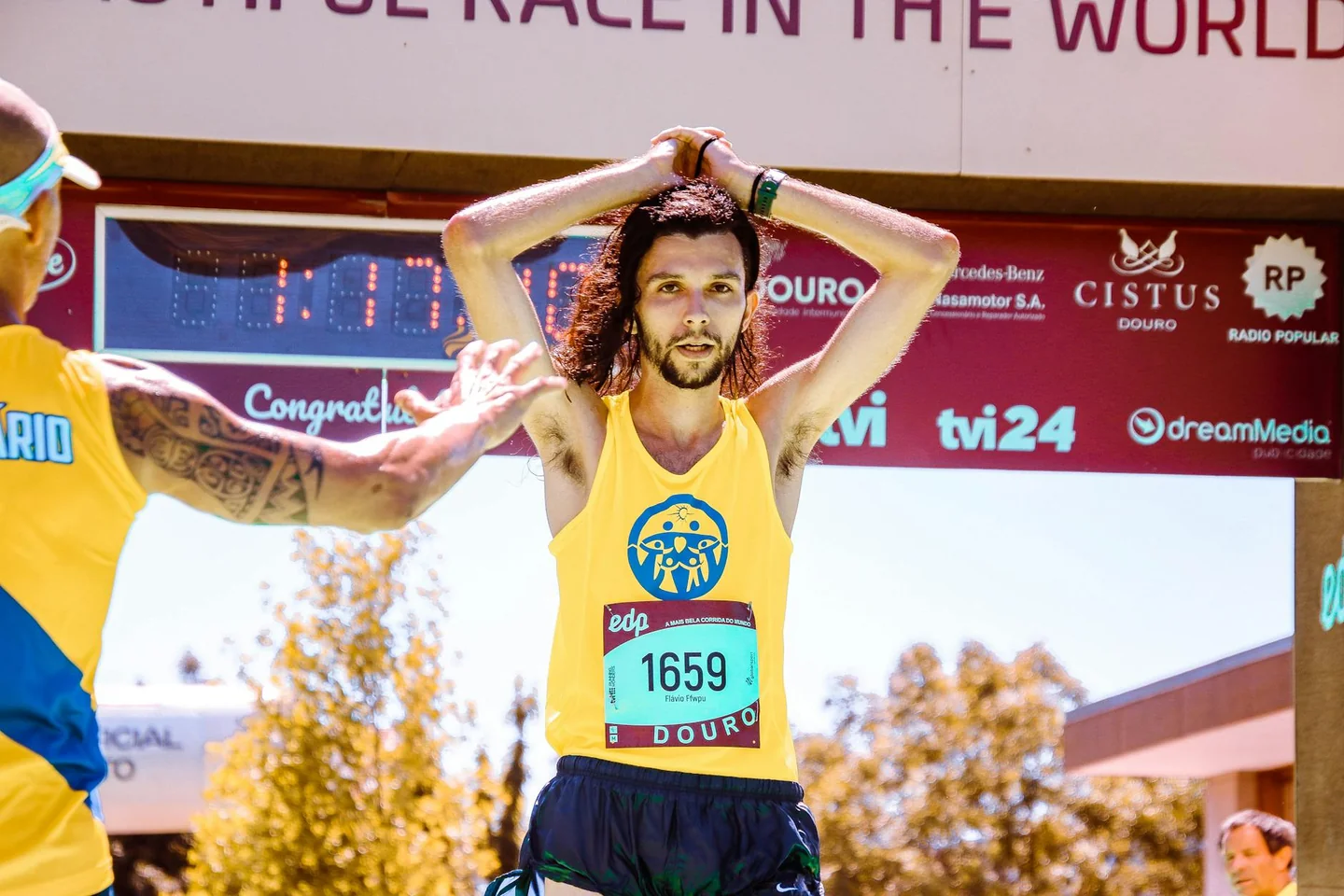
Overtraining in running doesn’t appear from one day to the next: it usually builds up in silence, when the miles pile up, the intensity bites, and recovery stops being up to the task. The body holds out for a while, but in the end it takes its toll with a mix of persistent fatigue, worse sleep, irritability, a drop in performance, and a higher risk of injury.
The key is to distinguish normal fatigue from a load that hasn’t been properly absorbed. A runner can finish a hard week with heavy legs and need one or two easy days; something very different is carrying that feeling for weeks, with a resting pulse higher than usual and a sense of emptiness that doesn’t go away even when the pace is eased off.
When effort stops building
Training more doesn’t always mean improving more. Running has a logic that is simple and demanding at the same time: the stimulus breaks the balance a little, and rest allows it to be rebuilt with more capacity. If that second part fails, the scale tips toward wear and tear. That’s where the so-called overtraining syndrome appears, a state of prolonged fatigue that affects the nervous system, the hormonal system, and overall performance.
In practice, this problem usually shows up in runners who string together blocks of training that are too dense, who turn every session into a race, or who cling to the idea that resting means losing fitness. That view usually ends up costing a lot. The body doesn’t distinguish between heroics and packed calendars: it only registers stress, insufficient sleep, work stress, poor nutrition, and a lack of room to repair tissues.
You don’t need to be elite to reach that limit. In fact, among recreational runners it’s common for excess to come mixed with work, travel, little rest, and a sporting self-esteem that pushes them not to ease off. The problem is rarely one specific week, but the sum of many small sacrifices in recovery until the machinery starts to fail.
The signs that give away excessive load
The clearest clue is usually performance falling apart. A runner who is properly absorbing training can have bad days, but still keeps a stable underlying feeling. By contrast, when overtraining sets in, the paces that used to come easily turn rough, the heart rate rises too soon, and even easy runs leave a sense of effort that feels out of proportion.
Night-time rest changes too. An exhausted body doesn’t always sleep better; often the opposite happens. Frequent awakenings appear, trouble falling asleep, or a strange sense of alertness despite being tired. That contrast, so common in excessive training, gives away that the nervous system is still switched on when it should be winding down.
Persistent muscle aches are another important warning. This isn’t about the logical soreness after a demanding long run, but about pains that keep coming back, move around, or never quite go away. Tendons, calves, plantar fascia, knees, or hips can start protesting because of a load the body is no longer absorbing well. What starts as a niggle often ends up as a clearer injury.
Mood is also part of the picture. Irritability, apathy, lack of concentration, or a strange reluctance to go out for a run are signs that are often underestimated because they seem minor. However, when physical stress drags on, the mind also goes into deficit. The feeling of having a foggy head during a session or snapping over small things is a symptom just as useful as a heart-rate reading.
The immune system can also take a hit. Catching colds more often, noticing slow recovery from minor infections, or carrying a general malaise that never quite gets explained fits with a phase of wear and tear. The body, busy sustaining the effort, stops investing resources as effectively in other basic tasks.
What’s happening inside the body
Overtraining is not just tiredness. It’s a sum of changes that affect several systems at once. When the load exceeds recovery capacity, the sympathetic nervous system can stay too active, as if the body were still on alert even though the session ended hours ago. That sustained activation raises resting heart rate, makes sleep harder, and keeps an internal tension that’s difficult to switch off.
Stress hormones are involved too. Cortisol, for example, tends to rise in situations of prolonged load, and that sustained increase doesn’t exactly help build adaptation. It can favor a state of wear, alter appetite, and make tissue recovery more difficult. It’s not an isolated piece, but part of a mechanism that explains why a runner can feel exhausted and, at the same time, unable to relax.
At the muscular and metabolic level, the story is similar. Tissue needs time to repair micro-damage, replenish stores, and reduce inflammation. If the next session comes too soon, the body is forced to respond with incomplete resources. The feeling is like driving with the tank almost empty: you keep moving, but every kilometer costs more.
That’s why overtraining isn’t solved by motivation or willpower alone. The root lies in the relationship between stimulus and recovery, not in the quality of someone’s character. Sometimes the problem is a block of intervals that’s too tight; other times, a bad combination of training, long workdays, too little sleep, and emotional stress. The result is the same: a body that stops responding as it used to.
The value of checking resting pulse and other home data
Resting heart rate is one of the most useful references for detecting that something is going off track. If a runner takes their pulse on waking and sees, for several days, a rise compared with their usual baseline, the signal deserves attention. It’s not a diagnostic test on its own, but it is a simple piece of data that becomes more valuable when it repeats alongside other clues, like worse sleep, fatigue, and that empty-leg feeling.
It also helps to observe how the body responds when changing position. The so-called orthostatic test, based on the work of Finnish doctor Heikki Rusko, compares heart rate lying down and standing up. In simple terms, a well-recovered person usually shows a quick, stable response; a fatigued runner may take longer to normalize their pulse after standing up. It’s a practical indicator because it doesn’t require complex equipment or a lab.
The useful data isn’t a single reading, but the trend. A value that’s a bit higher one morning may be due to heat, a bad night, or a heavy meal. But several days in a row of elevated pulse, together with poor rest and a feeling of heaviness, do draw a consistent pattern. In running, as in weather, the series of signals is worth more than the forecast for a single hour.
It’s also worth putting things in context. A recreational runner can see their pulse altered by travel, coffee, dehydration, or simply a hard week at work. That’s why these data should be read with common sense, not as a rigid exam. Even so, when the body warns clearly, the sensible thing is not to argue with the watch, but to listen to the trend it’s showing.
Why some runners fall into that spiral sooner
Training monotony is one of the most underestimated factors. Repeating the same load over and over, without deload weeks or real variations in intensity, wears you down more than it seems. Tissues adapt better when stress arrives in an orderly, progressive way, not when everything is one continuous block of effort.
Self-demand also plays an important role. There are runners who turn every session into a personal exam, even when the plan calls for something else. That excess intensity is usually silent at first: they run a little faster than planned, shorten the rests, push the pace changes. In the short term it can give a sense of progress; in the medium term, it usually leaves an expensive bill.
Lack of sleep and daily stress make the picture worse. Sleeping little changes hormonal recovery, affects hunger, mood, and tolerance to effort. If you add a packed schedule to that, the margin for adaptation gets narrower. The same workout that a few months ago was easy to handle can become too demanding when the rest of life is also pressing in.
Nutrition comes in here as a basic piece, not as decoration. A runner who trains a lot and eats too little, or who doesn’t refuel properly after sessions, accumulates a higher risk of prolonged fatigue. Not having enough energy doesn’t just affect performance: it also slows muscle repair and worsens that empty feeling so often linked to these phases.
How to stop it before it goes further
The first step is to truly reduce load. When the picture points to overtraining, keeping on pushing usually drags the problem out. The body needs a few days of real relief, and in more marked cases, several weeks of adjustment. That doesn’t necessarily mean stopping all activity, but it does mean setting aside the intensity and volume that were pushing the system to the limit.
Active recovery can make sense in mild phases, as long as it’s very gentle and doesn’t add extra stress. Walking, easy jogging, or light mobility work can help maintain circulation and the sense of movement. However, when fatigue is deep or the pulse is still off, resting completely for a few days is more sensible than trying to win the battle by doing more work.
Hydration and food matter more than they seem. They’re not spectacular remedies, but they are basic conditions for the body to get out of the hole. Restoring fluid balance, ensuring enough carbohydrate and protein intake, and keeping reasonable meal times are all part of the same process. Without fuel, there’s no efficient repair.
In persistent cases, rest doesn’t always fix everything on its own. If there’s a clear loss of motivation, marked anxiety, or a sustained sense of being stuck, it can be useful to address the mental component and the stress context as well. Overtraining doesn’t live only in the legs; sometimes it starts much earlier, in a relationship with training that’s too rigid.
Real prevention starts long before you hit the wall
The best defense is coherent periodization. Runners who move forward with more stability are not necessarily the ones who push hardest, but the ones who alternate load and recovery best. Organizing demanding weeks and lighter ones allows the body to absorb the work without entering a long-distance race against itself.
It also helps to respect a prudent progression in volume. Jumping up mileage, stringing together intense sessions, or adding intervals because the group in the park is going faster than you is usually an invitation to wear and tear. The body handles gradual changes better, like a staircase, than abrupt jumps, like a broken step.
Prevention has a lot to do with everyday vigilance. Sleeping well, eating enough, checking accumulated fatigue, watching resting pulse, and accepting easier days when they’re needed are not signs of weakness; they’re part of the craft. In experienced runners, the ability to stop in time is often worth more than one isolated brilliant session.
There’s an important nuance: preventing doesn’t mean living anxiously over every value. It means reading the set of signals calmly and recognizing that sustainable performance isn’t built on brute force, but on a much humbler and more effective mix of consistency, rest, and patience. Real progress usually makes less noise than the ego likes to sell.
A deep-rooted problem that running can no longer treat like a side note
Overtraining in running keeps showing up because it fits too well with certain habits in today’s sport: measuring everything, always pushing a little harder, and confusing discipline with the absence of rest. The result is not just worse performance. There are also more injuries, more frustration, and, in many cases, a less healthy relationship with running.
The most uncomfortable part of this story is that the body usually warns before it breaks. It does so with disturbed sleep, a more fragile mood, a strange pulse, heavy legs, or small aches that keep repeating. Those warnings don’t have the drama of an acute injury, but they contain valuable information. Ignoring them is like driving with the oil light on and still flooring it on the highway.
Shortchanging recovery is expensive. Running improves when load and recovery work together, not when one tries to devour the other. That’s the line between training with ambition and training with intelligence. And that line, though it often seems invisible, is what ends up marking the difference between a stable season and a calendar full of stops, doubts, and setbacks.
The paradox is well known in physiology and on the road: you run better when you learn to stop. Not because resting is the goal, but because without rest, effort stops building. In a discipline as repetitive and as honest as running, the body ends up telling the truth before pride does.
Medical reference: Overtraining syndrome, Cleveland Clinic.



Reebok runs large or small: a real fit guide

Hoka Challenger ATR 7 GTX: complete review of the all-terrain shoe

How to clean white sneakers without ruining them

Altus Pirineos 40-liter backpack: analysis, use, and key points

20,000 mm waterproof jacket for men: key points to get it right

Under Armour HOVR Sonic 6: complete review of the shoe

incline treadmills: guide to choosing better

Achilles tendonitis: real recovery time

Pain in the Achilles heel: causes, signs, and relief

What to take for calf pain: real relief and when to worry

 Races3 months ago
Valencia Half Marathon 2026: date and registration

 Reviews and Comparisons4 months ago
Asics Gel-Roadmiles 3 for men: review and current price

 Races3 months ago
Valencia Marathon 2026: entry, ballot and course

 Reviews and Comparisons4 months ago
Asics Gel Sonoma 8 Gore-Tex: complete analysis for trail and rain
- Sneakers3 months ago
Saucony Endorphin Pro 4: full review and verdict

 News5 months ago
Strava API 2026: what changes for clubs, challenges and runner apps?

 Reviews and Comparisons5 months ago
Nike Alphafly 3: opinions, sensations, and real key points

 Reviews and Comparisons4 months ago
Under Armour running shoes review 2025-2026: models and key features
- Sneakers4 months ago
Adidas Adizero Boston 13 for men: review and verdict

 Sports Equipment4 months ago
Shoe sizes in cm: a clear guide to getting the right fit for your footwear
- Sneakers3 months ago
Neutral running shoes with lots of cushioning: the best of 2026

 News4 months ago
Where is the Hoka brand from and why was it born in France