Sports Equipment
What is zero drop in running and how does it affect the way you run?
The flat sole appeals to many runners, although its use requires adaptation, judgment, and a good understanding of its limits.

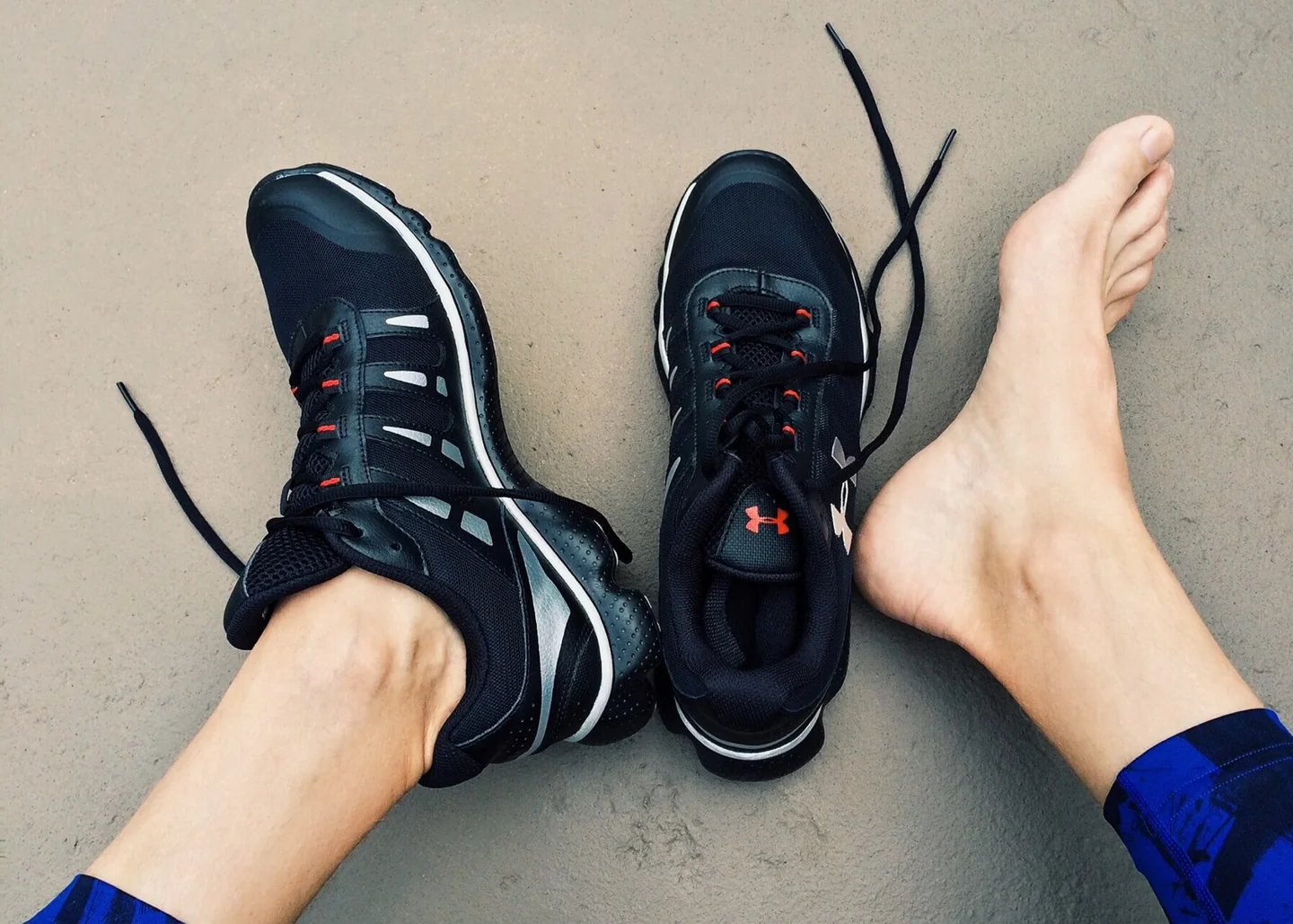
Flat-soled footwear has stopped being a niche rarity and has become a visible option in shop windows, on trails, and on tracks. In running, the discussion is no longer only about comfort, but also about how it changes stride mechanics, which type of runner adapts best, and where problems appear when the transition is rushed.
The difference between heel and forefoot shapes much of that conversation. A zero-drop design forces the foot to work differently, reduces the sensation of a wedge under the heel, and brings the foot strike closer to the ground. For some, that brings a sense of naturalness; for others, it means a change that is too abrupt for the calves, Achilles tendon, and plantar fascia.
What a flat sole really means
In technical terms, drop is the height difference between the heel and the forefoot of the shoe. When that difference disappears, the foot sits at practically the same level across the entire support surface. This is not a minor detail or just a simple number on a product sheet: it changes the angle at which the body absorbs impact and the way it pushes off with each stride.
In practice, a shoe with a 0 mm drop does not raise the heel relative to the forefoot. That does not automatically mean it is minimalist, light, or radical. There are flat models with some cushioning and structure, and others that aim for an experience closer to running almost barefoot. The label may seem simple; the reality is not quite so simple.
That is why it is worth separating two ideas that are often mixed together. One thing is zero height difference and another is extreme minimalism. The first describes a geometry; the second, a set of features that usually include less foam, more flexibility, lower weight, and less interference with the foot’s natural movement.
What changes in the stride when the height difference disappears
The body does not land the same way when the heel is no longer higher than the forefoot. In many runners, the transition encourages a landing closer to the midfoot or forefoot, although that does not always happen automatically. Technique, speed, fatigue, and ankle mobility itself influence this as much as the shoe design.
That change in support can create a feeling of greater connection to the ground, almost as if the runner had removed a layer between the foot and the pavement. At the same time, the load shifts toward structures that work less in traditional footwear: calves, soleus, Achilles, and the intrinsic muscles of the foot. That redistribution is one of the reasons some people experience it as relief and others as punishment.
Proprioception also takes center stage. Being closer to the ground and having less artificial material under the foot makes it easier to perceive small irregularities in the surface. That can help adjust the foot strike, but it also means the runner feels every stone, every change in surface, and every technical mistake sooner.
Who usually adapts better and who should proceed with caution
Not every body tolerates the change in the same way. Those who already run with good ankle mobility, efficient technique, and strong calf muscles usually find the transition less troublesome. Lighter runners or those who alternate easy paces with technique and strength work also tend to have an advantage.
By contrast, pronounced heel strikers, people with a history of Achilles or calf discomfort, and those who string together many weekly kilometers with very little rest should approach the change more cautiously. The problem is usually not the flat sole itself, but asking the musculoskeletal system to change its load distribution from one day to the next.
Training context also matters. A road runner looking to add long runs does not need the same response as someone heading into the mountains, walking, jogging, and mixing terrain. In trail running, a flat base can provide stability, but on very technical sections, protection, rigidity, and grip matter as much as the natural feel.
Real advantages of running in flat-soled shoes
The main advantage is mechanical: alignment between heel and forefoot encourages a more even foot strike and can help reduce reliance on heel striking. That does not make the shoe a universal remedy, but it does make it a useful tool for runners seeking more stable contact and a more direct transition.
Another visible virtue is support control. With less wedge, the foot is not as constrained by the shoe’s geometry. Some runners interpret this as a more honest, less filtered stride. In short races, easy runs, or technique sessions, that response can be especially appealing.
In well-designed models, the forefoot is often wider than usual. That detail is not cosmetic: it gives the toes room to spread, improves balance, and reduces the feeling of compression during prolonged efforts. When the forefoot works freely, the stride gains a bit of naturalness, as if the foot had regained room to expand.
There are also advantages in weight and flexibility. Many of these shoes do away with unnecessary layers and reinforcements, and that is noticeable both when lifting them and when running in them. Less mass on the foot means less inertia in each stride cycle. It is not a magic formula for going faster, but it does help the movement feel more lively.
The limits that should not be overlooked
The main drawback is tissue tolerance. Moving from footwear with a large height difference to a completely flat one changes the work of the Achilles tendon and calf. If that transition is not done gradually, the body protests with almost predictable ease: overload, morning stiffness, tightness, or pain at the start of a run.
Another limit is cushioning. The more the total midsole height is reduced, the less buffering there is between the foot and the ground. That is not inherently bad, but it does mean each impact is transmitted more clearly. In heavier runners or on hard surfaces, the lack of cushioning can become uncomfortable very quickly.
Technique also comes with a price. An inefficient stride, low cadence, or poor hip mobility can amplify discomfort when the heel is no longer elevated. It is not uncommon for sensations in the knee, ankle, or fascia to appear, not because the flat sole is harmful in itself, but because the body compensates where it can.
Which parts of the body notice the change first
The calves are usually the first to complain. Reducing drop means the ankle works more in dorsiflexion and the calf muscles absorb more eccentric load. That demand can feel like useful fatigue when adaptation goes well, or like persistent tension when the change is too fast.
The Achilles tendon also comes into play. Its working range increases and, with it, mechanical stress. In runners with a history of tendinopathy, caution is not a generic recommendation but a sensible measure. The problem usually does not appear on the first outing, but through the silent accumulation of micro-loads.
The plantar fascia, the arch of the foot, and the forefoot muscles may take on more load than usual. A foot accustomed to a lot of external help loses part of that protection when moving to a flatter, more direct platform. Sometimes the discomfort appears as nothing more than a feeling of tired feet; other times, as a warning that forces you to stop.
How to make a sensible transition
Gradual adaptation is the only reasonable path. Sticking to walking, short jogging, and alternate sessions allows tendons and muscles to get used to the new load distribution. Abruptness is the most common mistake and also the most avoidable.
The calendar matters less than the body’s signals. Some runners tolerate a few minutes at first, while others need weeks before extending the distance. Forcing progress out of enthusiasm usually comes at a cost, especially if the new shoe is first used on a long run or a hill workout.
Foot and calf strength helps, but it does not work miracles. A runner with a better muscular base adapts more easily, though still needs respect for biological timing. Muscles learn relatively quickly; tendons do not. That gap explains much of the overload that appears when the head runs faster than the legs.
What role body weight and surface play
The runner’s weight does not by itself determine whether a flat shoe is suitable, but it does affect how much the ground is felt. The greater the load, the greater the perception of impact and the more work required from support structures. That is why, in heavier people or those with high weekly mileage, the absence of cushioning can become a limiting factor rather than an advantage.
Surface changes everything too. On asphalt, the repetition of the movement and the hardness of the ground increase the demand. On compact tracks or soft trails, the body receives a friendlier environment. On technical trail, a flat base can provide control, but if the terrain punishes with loose stones, roots, or steep drops, the foot also needs protection and lateral stability.
There is no universal answer. What gives one runner a sense of control causes discomfort for another within three kilometers. The value of this kind of footwear is not in supposed superiority, but in its ability to fit a specific biomechanics and a specific point in the season.
What’s the difference between flat sole, minimalism, and barefoot
The three concepts are similar, but they are not identical. A zero-drop shoe only describes the relationship between heel and forefoot. It can have plenty or very little cushioning, more or less structure, and different levels of stiffness.
Minimalism adds other hallmarks: less material, more flexibility, less external support, and lower total height. Barefoot, by contrast, takes that idea one step further and aims for a feeling very close to going barefoot, with a nearly symbolic interface between the foot and the ground.
That is why there are flat models that feel surprisingly comfortable on long runs and others that demand refined technique from the very first kilometer. Putting everything in the same bucket oversimplifies a category that, in reality, ranges from relatively protective training shoes to near-glove-like options.
What the evidence says and why context matters
The available research does not promise miracles. Studies on the relationship between shoe height, biomechanics, and injuries point to a fairly sober conclusion: footwear changes load distribution, but it does not guarantee fewer injuries or better performance on its own. The result depends on the person, their history, their technique, and how the change is introduced.
That matches what is seen in practice. Some runners feel more stable and less overworked with a flat base; others, however, end up with Achilles or calf issues after just a few outings. The useful takeaway is not to turn footwear into dogma, but to understand that adaptation overrides theory.
It also helps to be wary of absolute labels. Just because a model is closely associated with the natural world or free movement does not mean it is automatically better for everyone. In running, the body does not respond to trends, but to loads, rest, and specific stimuli. And that is true both for city asphalt and for the trails of the Valencian coast.
What to look at before choosing a flat model
The first question is not how flat it is, but how much work the foot can handle without upsetting the balance. From there, what matters is the forefoot width, the flexibility of the midsole, heel hold, and the actual amount of cushioning. One model can have zero drop and still be very different from another that also has zero drop.
The last is very important. A narrow toe box squeezes the toes and reduces stability exactly where it is needed most. By contrast, a wide forefoot allows the foot to spread on landing and distributes the load better. That feeling of space is often one of the most valued arguments among those looking for a freer stride.
It is also worth considering the intended use. A model for short runs is not the same as one for the gym or one for trails. The labeling on the spec sheet can be confusing, but the logic is simple: the more technical or longer the effort, the more important the balance between natural feel, protection, and durability becomes.
A trend that is here to stay, but not for everyone
The popularity of flat soles reflects something broader than an aesthetic trend. It responds to many runners’ desire to regain sensation, simplify contact with the ground, and move away from footwear that keeps getting bulkier and more complex. In an industry that often adds layers and complexity, this category proposes the opposite path: fewer intermediaries, more feel.
Still, its value lies in moderation, not in extremity. A well-adapted runner may find here a useful tool for specific workouts, easy runs, or even shorter races. Another, with a longer injury history or less strength in the posterior chain, may get more out of a medium or high drop and a less aggressive transition.
The key is to understand the change as a biomechanical adjustment, not as an automatic improvement. A flat sole can organize the stride, but it can also expose weaknesses that were previously hidden. That is precisely why it is interesting: it leaves less room for improvisation and forces you to listen to the body more closely. In running, sometimes that listening is worth more than any marketing promise.



Reebok runs large or small: a real fit guide

Hoka Challenger ATR 7 GTX: complete review of the all-terrain shoe

How to clean white sneakers without ruining them

Altus Pirineos 40-liter backpack: analysis, use, and key points

20,000 mm waterproof jacket for men: key points to get it right

Under Armour HOVR Sonic 6: complete review of the shoe

incline treadmills: guide to choosing better

Achilles tendonitis: real recovery time

Pain in the Achilles heel: causes, signs, and relief

What to take for calf pain: real relief and when to worry

 Races3 months ago
Valencia Half Marathon 2026: date and registration

 Reviews and Comparisons4 months ago
Asics Gel-Roadmiles 3 for men: review and current price

 Races3 months ago
Valencia Marathon 2026: entry, ballot and course

 Reviews and Comparisons4 months ago
Asics Gel Sonoma 8 Gore-Tex: complete analysis for trail and rain
- Sneakers3 months ago
Saucony Endorphin Pro 4: full review and verdict

 News5 months ago
Strava API 2026: what changes for clubs, challenges and runner apps?

 Reviews and Comparisons5 months ago
Nike Alphafly 3: opinions, sensations, and real key points

 Reviews and Comparisons4 months ago
Under Armour running shoes review 2025-2026: models and key features
- Sneakers4 months ago
Adidas Adizero Boston 13 for men: review and verdict

 Sports Equipment4 months ago
Shoe sizes in cm: a clear guide to getting the right fit for your footwear
- Sneakers3 months ago
Neutral running shoes with lots of cushioning: the best of 2026

 News4 months ago
Where is the Hoka brand from and why was it born in France