Sports Equipment
How compression socks work and when to wear them
Graduated pressure may ease heaviness, but not every model is suitable for running or sleeping.

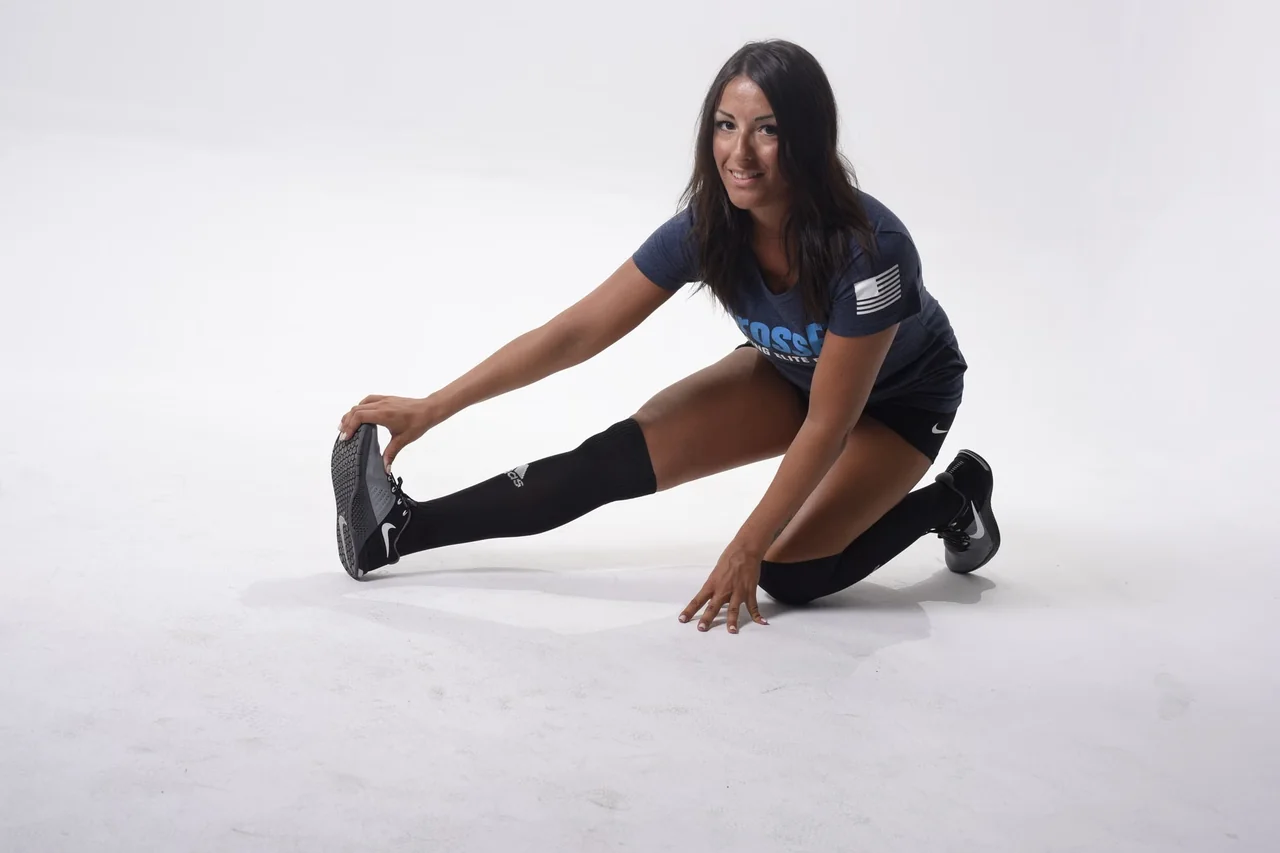
Compression socks apply controlled pressure to the foot, ankle and calf to support the return of blood toward the heart. They are not equally tight along the leg: the greatest pressure is concentrated at the ankle and gradually decreases upward. This gradient helps counter gravity, especially after long periods standing, sitting or running. Graduated compression is the essential principle behind their function, rather than simple tightness.
In running, this garment may reduce the feeling of heaviness and limit some muscle movement during exercise, but it does not automatically make a race faster or prevent every injury. Available evidence points to more consistent benefits for comfort, swelling and recovery than for peak performance. There are also important differences between a light-pressure sports sock and a medically prescribed stocking. Choosing the right level matters as much as getting the correct size.
The pressure that supports venous return
Blood reaching the feet must travel through the leg veins to return to the heart. When standing, that journey takes place against gravity and depends on several mechanisms: contraction of the calf muscles, venous valves and ankle movement. Each step partly compresses the deep veins and acts as a small pump. When someone remains still for a long time, this muscle pump works less and fluid can collect in the lower leg. The calf is a decisive peripheral pump for circulation.
Compression fabric applies external pressure that slightly narrows superficial veins and encourages blood to move upward. Venous valves help prevent it from flowing backward between contractions. The sock does not push blood like a machine or directly increase the oxygen available to muscles; it supports the mechanical conditions for venous return. That is why the sensation is usually one of even support rather than an intense massage. Its main effect is mechanical and localized in the lower limbs.
Pressure is usually expressed in millimetres of mercury, abbreviated as mmHg. In socks and stockings, the figure generally refers to the approximate pressure at ankle level. Products rated 15-20 mmHg are usually considered light compression; 20-30 mmHg provides moderate pressure, and levels above 30 mmHg are high compression that may require healthcare guidance depending on the product and situation. Commercial classifications are not identical across every manufacturer. A higher number does not necessarily mean a greater benefit.
What runners may notice during training
During a run, the fabric’s pressure may limit part of the calf muscle vibration and provide a feeling of stability. This can be especially noticeable during long runs, descents or workouts in which the calves receive many repeated impacts. It may also reduce rubbing from footwear and protect the skin against minor irritation. The most common result is not a dramatic pace improvement, but a more comfortable experience when the garment fits well. Comfort is one of the most plausible sports-related benefits.
Research on performance has produced mixed results. Some studies report modest changes in variables such as perceived effort, running economy or repeated-effort capacity, while others find no meaningful improvement in times. Results may depend on pressure, fabric, test duration, athlete level and familiarity with the garment. There is no strong basis for claiming that compression socks alone increase speed or endurance for every runner. Science does not support presenting them as a shortcut to better results.
Temperature and moisture also shape the experience. Technical fabric that wicks sweat can keep the foot drier, while material that is too thick may trap heat in summer. The fit should support without creating folds or a top edge that digs below the knee. In trail running, protection from branches, dust and minor rubbing may matter more than a supposed physiological advantage. Weather, terrain and individual tolerance should guide the choice.
Recovery after running
Recovery is the area in which these garments have attracted the most interest. After demanding training, some people feel less heaviness and stiffness when wearing them for a limited period. Pressure may help control mild swelling and improve the subjective feeling in the legs, particularly after many hours standing. However, pain relief does not prove that the muscle has repaired faster or that muscle damage has definitely been reduced. Feeling better does not always mean recovering faster.
Studies conducted after intense efforts have sometimes described lower perceived muscle soreness, a smaller temporary loss of strength or slightly better recovery of certain markers. Results are not consistent and are usually modest. Rest, adequate food, hydration, sleep and progressive reduction of training load remain far more important. A sock cannot compensate for a week of excessive mileage or replace an assessment when persistent pain appears. Compression may complement recovery, but it does not replace its basic pillars.
For post-run use, it is sensible to put the garment on before the leg becomes very swollen and remove it if it causes pain, tingling, excessive cold or changes in toe colour. Sleeping in compression does not offer a demonstrated sports advantage for healthy people: when lying down, the venous system already faces less gravitational pressure. In medical treatment, a professional may prescribe a different schedule and pressure. Night-time use should not become an automatic habit.
When they may help outside sport
Long shifts standing, extended travel and sedentary work can encourage a feeling of heavy ankles at the end of the day. Remaining still reduces the action of the calf muscle pump, while gravity encourages fluid to collect in the lowest areas. A light-pressure model may ease that feeling in some people and limit mild swelling. However, the garment does not by itself correct venous insufficiency, varicose veins or arterial disease. Relieving symptoms does not mean treating their underlying cause.
During long trips, standing up regularly, moving the ankles, walking for a few minutes and avoiding clothing that compresses the waist are as important as the sock. Compression may be reasonable for people who already know they tend to swell during long journeys, provided they have no contraindications. New, one-sided, painful swelling accompanied by heat or redness needs medical attention, not an unsupervised garment. Sudden swelling in one leg should not automatically be blamed on inactivity.
During pregnancy, some people find relief from heaviness and leg swelling, but pressure level and timing should be adapted to each situation. They may also help people who alternate between long periods sitting and standing, although walking and moving the ankle remain essential. Age, weight or occupation alone do not determine whether compression is needed. The indication depends on circulation, symptoms and overall health.
How to choose pressure and size
Size is usually determined by shoe size and leg measurements, although each brand uses its own charts. Some models require ankle and calf circumference; others also consider the distance from the floor to below the knee. Measurements should be taken according to the manufacturer’s instructions, preferably when the leg is least swollen. A sock that is too large loses effectiveness, while one that is too small may concentrate pressure in specific areas. The wrong size changes both comfort and pressure distribution.
For recreational running, light-compression models are often sufficient when the goal is a feeling of support, reduced rubbing or greater comfort during a long session. Garments rated 20-30 mmHg provide more noticeable pressure and should not be selected simply because they look more technical. High compression, especially above 30 mmHg, belongs more clearly to a medical context and may be difficult to put on correctly. Stronger pressure should be reserved for specific, justified indications.
The fabric should lie smoothly from ankle to top edge, without folds, pockets or rolled sections. The heel must sit in place and the toes should be able to move without being squeezed. A thick seam, an overly firm upper band or a fabric that holds too much sweat can turn a potentially useful garment into a source of blisters. Testing the model during easy training sessions helps identify problems before a race. The best garment stays in place without becoming an irritating presence.
How to put the sock on correctly
Putting it on is easier in the morning or after resting, when the leg usually has less volume. Turn the sock inside out to the heel area, insert the foot first and then gradually unfold the fabric over the ankle and calf. Pulling hard on the upper edge can stretch the band and leave too much pressure in that area. Unfolding the garment in stages distributes tension more evenly.
Long fingernails, rings and some types of Velcro can catch the fibres. Thin gloves can improve grip and prevent pulling the material, but putting the sock on should never be painful. Check that there are no folds behind the ankle, over the Achilles tendon or below the knee. If the garment causes numbness, paleness, bluish colour, coldness or pain, remove it. Signs of poor tolerance are a reason to stop, not to tighten it further.
Washing also affects service life. Following the manufacturer’s instructions, avoiding excessive heat and not using products that damage elasticity help preserve the pressure gradient. Over time, the fabric loses tension and the garment may no longer fit as it did initially. A worn sock does not always show its loss of function at a glance. Elasticity is the functional component most affected by continued use.
Risks and situations requiring advice
Compression is not suitable for everyone. Peripheral arterial disease, some serious circulation disorders, neuropathy with reduced sensation and certain diabetes complications require professional assessment before use. If someone cannot properly feel the toes or has wounds, pressure can hide warning signs and delay treatment. Reduced sensation increases the risk of missing excessive pressure.
It is also sensible to seek advice for painful varicose veins, persistent swelling, a history of thrombosis, heart failure or unexplained swelling. Socks may form part of treatment, but the level and length depend on the diagnosis. A light-pressure sports sock is not equivalent to a medically graduated stocking and should not be presented as a substitute. A healthcare professional can assess pulses, skin, sensation and medical history before recommending it. The word compression on a label does not by itself define clinical use.
Remove the sock and seek care if severe pain, loss of sensation, striking colour changes, blisters, sudden swelling or breathing difficulty appears. These symptoms are not part of normal adjustment. An initial feeling of firmness may be expected, but it should never feel overwhelming or change the way you walk. The body gives clear signals when pressure stops being beneficial.
What they can and cannot do
These socks may support venous return, limit mild swelling, improve the feeling of tired legs and provide support during certain workouts. They can also protect against rubbing when the material, size and footwear work together. Some people feel that their post-exercise recovery is better, although the effect varies considerably. The most realistic benefits concern comfort and peripheral circulation.
They do not dissolve clots, cure varicose veins, replace treatment for vascular disease or guarantee that a runner will avoid injury. There is also insufficient evidence to claim that they always increase muscle oxygenation, remove lactic acid or substantially improve race times. The body clears metabolic products through complex processes that do not depend on a single garment. Absolute physiological claims oversimplify what studies actually show.
Final usefulness depends on the goal. For a hot run, breathability may matter most; for a trail race, protection and durability; for travel, pressure and comfort; for a venous condition, medical guidance. The same person may tolerate a light model for two hours and feel uncomfortable in another with higher pressure. There is no universally best sock, only a choice that fits each context.
A specific tool, not a miracle promise
The function of these garments is best understood as a combination of graduated pressure, muscle movement and body position. They can help when venous blood must return from the legs and the circulatory system faces greater resistance, but their role becomes less important when lying down or when the problem has a cause compression cannot resolve. In running, they belong alongside the rest of the equipment, not above technique, training load or rest. Compression provides a specific aid within a much broader system.
Using the right size, observing the skin’s response and reserving stronger pressures for justified situations makes it possible to use potential benefits without turning compression into an obligation. A leg that frequently swells, hurts or changes appearance deserves a clinical explanation. The sock can be comfortable, practical and useful; it can also be unsuitable when chosen without considering the context. Information and caution matter as much as the fabric’s elasticity.
Este artículo contiene enlaces de afiliado: si compras a través de ellos, se genera una pequeña comisión sin coste adicional para ti. Más información.



Reebok runs large or small: a real fit guide

Hoka Challenger ATR 7 GTX: complete review of the all-terrain shoe

How to clean white sneakers without ruining them

Altus Pirineos 40-liter backpack: analysis, use, and key points

20,000 mm waterproof jacket for men: key points to get it right

Under Armour HOVR Sonic 6: complete review of the shoe

incline treadmills: guide to choosing better

Achilles tendonitis: real recovery time

Pain in the Achilles heel: causes, signs, and relief

What to take for calf pain: real relief and when to worry

 Races3 months ago
Valencia Half Marathon 2026: date and registration

 Reviews and Comparisons4 months ago
Asics Gel-Roadmiles 3 for men: review and current price

 Races3 months ago
Valencia Marathon 2026: entry, ballot and course

 Reviews and Comparisons4 months ago
Asics Gel Sonoma 8 Gore-Tex: complete analysis for trail and rain
- Sneakers3 months ago
Saucony Endorphin Pro 4: full review and verdict

 News5 months ago
Strava API 2026: what changes for clubs, challenges and runner apps?

 Reviews and Comparisons5 months ago
Nike Alphafly 3: opinions, sensations, and real key points

 Reviews and Comparisons4 months ago
Under Armour running shoes review 2025-2026: models and key features

 Sports Equipment4 months ago
Shoe sizes in cm: a clear guide to getting the right fit for your footwear
- Sneakers4 months ago
Adidas Adizero Boston 13 for men: review and verdict
- Sneakers3 months ago
Neutral running shoes with lots of cushioning: the best of 2026

 News4 months ago
Where is the Hoka brand from and why was it born in France