Sports Equipment
Why Use Compression Socks for Running: Real Benefits
Benefits, limits and practical advice to decide whether compression socks fit your training and races.

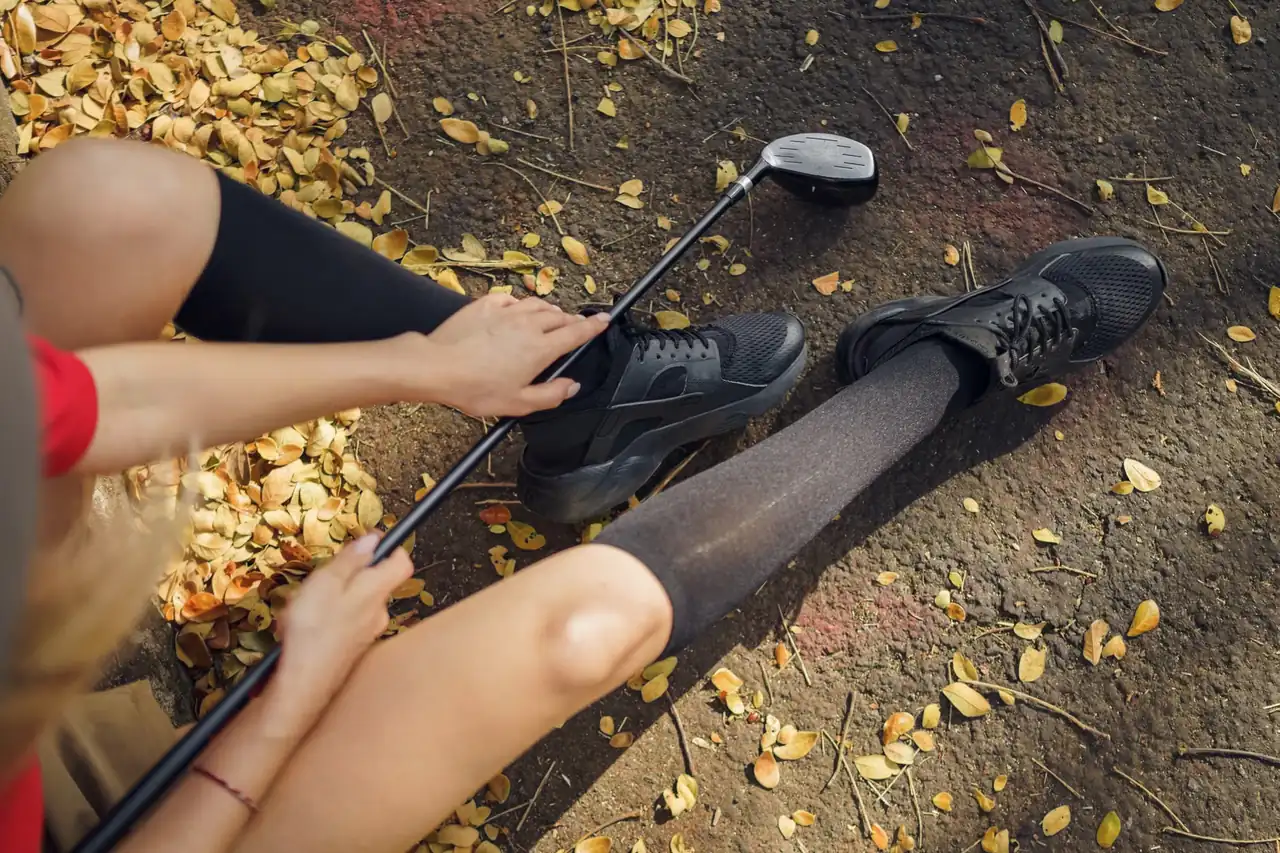
Compression socks can make your legs feel lighter during a run and support recovery afterward, but they are not a shortcut to running faster. Their effect depends on size, pressure, fit and purpose. Some runners appreciate stability and comfort; others experience heat, tension or discomfort that affects their stride.
Current evidence presents a more nuanced picture than sports advertising. Compression may reduce perceived muscle soreness and some signs of fatigue after hard efforts, while its ability to improve performance during a run remains inconsistent. The decision should therefore be based on comfort and a specific use, not on a brand promise.
What compression socks actually do
A compression sock applies pressure around the leg, usually from the ankle to just below the knee. In graduated compression models, pressure is strongest lower down and gradually decreases toward the calf. This distribution is intended to support venous blood return, particularly when the muscles have been working or the legs remain still for a long time.
The calf acts as a small muscular pump. Every step and contraction compresses the deep veins and helps move blood toward the heart. The garment does not replace that mechanism, but it can provide consistent external pressure around the tissues. It should feel supportive, never like a tourniquet or a restriction around the ankle.
Medical garments come in different pressure levels measured in millimetres of mercury. Sports products do not always follow a uniform classification, and their figures may vary according to brand, size and measuring point. A number on one package therefore does not automatically make two products comparable.
Why so many runners wear them
The popularity of compression socks comes from personal experience, sporting style and reasonable expectations about circulation. A runner who spends hours standing, trains in warm weather or finishes a long run with tired calves may enjoy the supportive sensation. That feeling does not necessarily equal a measurable physiological improvement, but it matters when it removes distractions.
They also cover an exposed area of the body. On trails, tall socks protect the skin from vegetation, dust and small knocks. On roads, they can keep the calf warm in cold weather. Thermal comfort and skin protection are practical benefits that do not depend on running faster.
Compression is also easy to test. It does not require changing technique, diet or training structure. That simplicity can lead to exaggerated expectations, however. A popular and comfortable garment cannot compensate for excessive training, unsuitable shoes or a poorly managed workload.
Benefits during a run: what the evidence shows
Studies in runners have produced mixed results. Some small investigations found greater tolerance to effort or favourable changes in certain physiological markers, while others found no meaningful improvement in time, running economy or speed. Larger reviews generally suggest that acute performance changes are limited for most athletes.
Running economy refers to the amount of oxygen needed to maintain a given speed. A garment may slightly change the perception of stability or tissue movement, but those changes rarely translate into a clear advantage over race distance. Sleep, wind, pacing and training consistency usually matter much more.
This does not make compression useless. If it reduces muscle movement, keeps the legs comfortable or prevents chafing, a runner may focus better on the effort. The most realistic benefit during a run is subjective comfort, not a guaranteed improvement in oxygen use or finishing time.
Recovery is where they may help most
Hard sessions can leave muscles sore, heavy and locally swollen. External pressure may support venous return and reduce the sensation of congestion for some people. Trials involving compression garments have reported less perceived soreness during the following hours and slightly better recovery feelings, particularly after repeated or high-intensity exercise.
These effects differ between runners and do not make a hard race harmless. Sleep, adequate fluids and food, rest and progressive training loads remain the foundations of recovery. A garment may support recovery but cannot replace it or repair an injured muscle on its own.
Some athletes wear compression socks on the journey home after a race, especially when they must sit for several hours. They may reduce the feeling of swollen legs, although evidence for medical benefits in healthy people is limited. Standing up, moving the ankles and walking regularly remain more important than relying on pressure alone.
Do they prevent injuries or simply support the muscles?
The support may reduce muscle movement and create a stronger sense of stability. Compression can also reduce rubbing and minor impacts, which may be useful on long routes or through vegetation. However, there is no guarantee that compression prevents tears, overload injuries or tendon problems.
Running injuries usually result from several factors, including a sudden increase in mileage, poorly distributed intensity, insufficient rest, surface, technique and previous injury. A sock cannot neutralise a week of excessive training or correct persistent pain. It can be an additional layer of protection, but not an insurance policy against injury.
Persistent discomfort in the Achilles tendon, plantar fascia, calf or knee should not be masked with compression so that training can continue. Temporary relief may hide important warning signs. Sharp pain, loss of strength, marked swelling or a change in foot colour requires stopping exercise and seeking medical assessment.
How to choose pressure and size
Size is the first filter. Use the measurements provided by the manufacturer, which commonly include shoe size and calf circumference. Two people with the same shoe size may need different models if their calf shapes differ. Correct compression feels firm but never painful.
The fabric should lie flat, without folds, loose areas or edges cutting into the skin. A wrinkle at the ankle can concentrate pressure and cause numbness. Do not fold the upper edge to shorten the sock: that creates a tighter band and changes pressure distribution.
Many runners tolerate light or moderate sports compression more easily at first. Figures in millimetres of mercury are useful as a guide, but they should not be treated as a medical prescription. Medical compression garments should be selected with professional advice when a circulatory condition is present.
When to wear them and how to test them
Wearing a new model for the first time in a marathon is a poor idea. Test it during an easy, shorter run with the shoes you will use later. This reveals whether the edge rubs, the fabric traps heat or the pressure changes your foot strike. Comfort should come before any supposed physiological benefit.
Some runners put them on before leaving home, while the legs are not swollen. Others wear them after training for a limited period. There is no universal duration for sports use. Remove them if tingling, numbness, pain, intense itching or colour changes appear.
Put them on by inserting the foot first and gradually moving the fabric upward with both hands. Pulling only from the top can deform the fibres and concentrate pressure. Gloves or a dedicated aid can help with firm fabric, but they should never be used to force an incorrect size.
Common mistakes that reduce their usefulness
The most common mistake is choosing a smaller size to obtain more pressure. This can compress the skin and superficial nerves, create discomfort and change natural ankle movement. Another mistake is using the same sock in every condition: a thick model may be uncomfortable in summer, while a very thin one may not provide enough warmth in winter.
Wearing compression over damp skin or with a badly positioned seam is also common. Sweat, friction and heat encourage blisters. Fabric should match the weather and sweat rate: technical fibres often dry faster than cotton, although the best choice depends on individual skin sensitivity.
Wearing compression for longer does not automatically multiply its benefits. Sleeping in them or keeping them on all day is not a default recommendation for a healthy runner. Medical stockings have specific purposes and should not be confused with a freely used sports garment.
Precautions with circulation problems
Compression is not suitable for everyone. People with peripheral arterial disease, significant circulation problems, neuropathy, diabetes with reduced sensation, skin infections or unexplained swelling should seek advice before using it. Excessive pressure can worsen poor arterial circulation or delay recognition of skin damage.
One-sided swelling that appears suddenly, especially with pain, warmth or redness, should not be treated with a sports sock. It may require urgent medical assessment. Compression socks do not diagnose or treat a blood clot, and wearing them to hide symptoms can delay necessary care.
In healthy people, a correctly fitted sock is usually well tolerated. Still, the absence of pain does not prove that pressure is appropriate. Check the skin after use, especially around the ankle, top edge and toes. Persistent marks, blisters or altered sensation are reasons to change the model or stop using it.
Sports compression versus medical compression
Sports socks combine fit, breathability and freedom of movement. Their pressure may be light or moderate, and manufacturers often describe them as support for fatigue. Medical garments are designed for specific clinical situations, with pressure levels and materials matched to a professional indication.
Height also changes the experience. Knee-high socks are enough for most running-related uses and are easier to put on. Thigh-high versions cover more of the leg and may have specific medical indications. A prescribed stocking should not be replaced with any sports sock simply because both feel tight.
The label should clearly explain composition, care, sizing and compression level. If a product does not explain how pressure is measured or identify its manufacturer, be cautious about absolute claims. Fabric quality affects durability: a sock that quickly loses elasticity no longer applies the pressure for which it was designed.
Compression in long-distance races
During a half marathon or marathon, accumulated comfort can matter. A garment that prevents rubbing, keeps the calf warm and stays in place for hours removes small distractions that eventually become significant. On trails it also protects against scratches and dirt. Its practical value may increase when a race involves hours of repeated loading, although that does not guarantee a faster time.
Pressure should never hide overload signals. If the calf hardens, stride changes or localised pain appears, slow down or stop. Continuing because the sock keeps the area compressed can turn a manageable problem into a more serious injury. The garment should support sensible pacing, not encourage ignoring the body.
On hot days, the balance changes. Thick fabric may hold moisture and increase perceived heat, while a thin breathable model can feel better. Mediterranean conditions require attention to temperature, humidity and sun exposure, not only pressure level.
How to care for them
Frequent washing matters because sweat can stiffen fibres and damage elasticity. Most manufacturers recommend cold or lukewarm water, mild detergent and a gentle cycle. High dryer heat can shorten the life of compression, so air drying away from radiators and direct sunlight is usually preferable.
Do not wring them aggressively or use bleach or softener when the label advises against it. Fabric softener may coat the fibres and alter their fit. Store them fully dry to prevent odour and preserve their shape. Alternating two pairs reduces wear on each one.
Over time, the fabric loses recovery and the sock fits differently. If it slips, forms loose areas or needs a smaller size to feel firm, it has probably reached the end of its useful life. Appearance does not always reveal internal wear: a sock can look intact while losing much of its elasticity.
A possible aid, not a performance promise
Compression socks have a reasonable place in some runners’ equipment. They may improve comfort, reduce the feeling of heavy legs and make recovery after demanding efforts feel easier. Their value is greatest when the fit is correct and the runner has already confirmed that the garment does not alter the stride.
Research does not support presenting them as a tool that independently increases speed, prevents injuries or replaces structured preparation. The best reason to wear them is that they feel comfortable and useful in a specific situation. If they create heat, pain or excessive pressure, ordinary running socks are the wiser choice.
In running, simple solutions often work best when kept in perspective. Compression can be a comfort layer between skin and effort, a small aid that helps the legs feel better after a demanding day. It is not a guarantee or a universal prescription: it is another tool, tested by the decisive experience of each runner’s legs.
Este artículo contiene enlaces de afiliado: si compras a través de ellos, se genera una pequeña comisión sin coste adicional para ti. Más información.



Reebok runs large or small: a real fit guide

Hoka Challenger ATR 7 GTX: complete review of the all-terrain shoe

How to clean white sneakers without ruining them

Altus Pirineos 40-liter backpack: analysis, use, and key points

20,000 mm waterproof jacket for men: key points to get it right

Under Armour HOVR Sonic 6: complete review of the shoe

incline treadmills: guide to choosing better

Achilles tendonitis: real recovery time

Pain in the Achilles heel: causes, signs, and relief

What to take for calf pain: real relief and when to worry

 Races3 months ago
Valencia Half Marathon 2026: date and registration

 Reviews and Comparisons4 months ago
Asics Gel-Roadmiles 3 for men: review and current price

 Races3 months ago
Valencia Marathon 2026: entry, ballot and course

 Reviews and Comparisons4 months ago
Asics Gel Sonoma 8 Gore-Tex: complete analysis for trail and rain
- Sneakers3 months ago
Saucony Endorphin Pro 4: full review and verdict

 News5 months ago
Strava API 2026: what changes for clubs, challenges and runner apps?

 Reviews and Comparisons5 months ago
Nike Alphafly 3: opinions, sensations, and real key points

 Reviews and Comparisons4 months ago
Under Armour running shoes review 2025-2026: models and key features

 Sports Equipment4 months ago
Shoe sizes in cm: a clear guide to getting the right fit for your footwear
- Sneakers4 months ago
Adidas Adizero Boston 13 for men: review and verdict
- Sneakers3 months ago
Neutral running shoes with lots of cushioning: the best of 2026

 News4 months ago
Where is the Hoka brand from and why was it born in France