Training
How running shoes should fit for comfortable miles
The toe box, heel and width determine whether you run comfortably or end up with painful irritation.

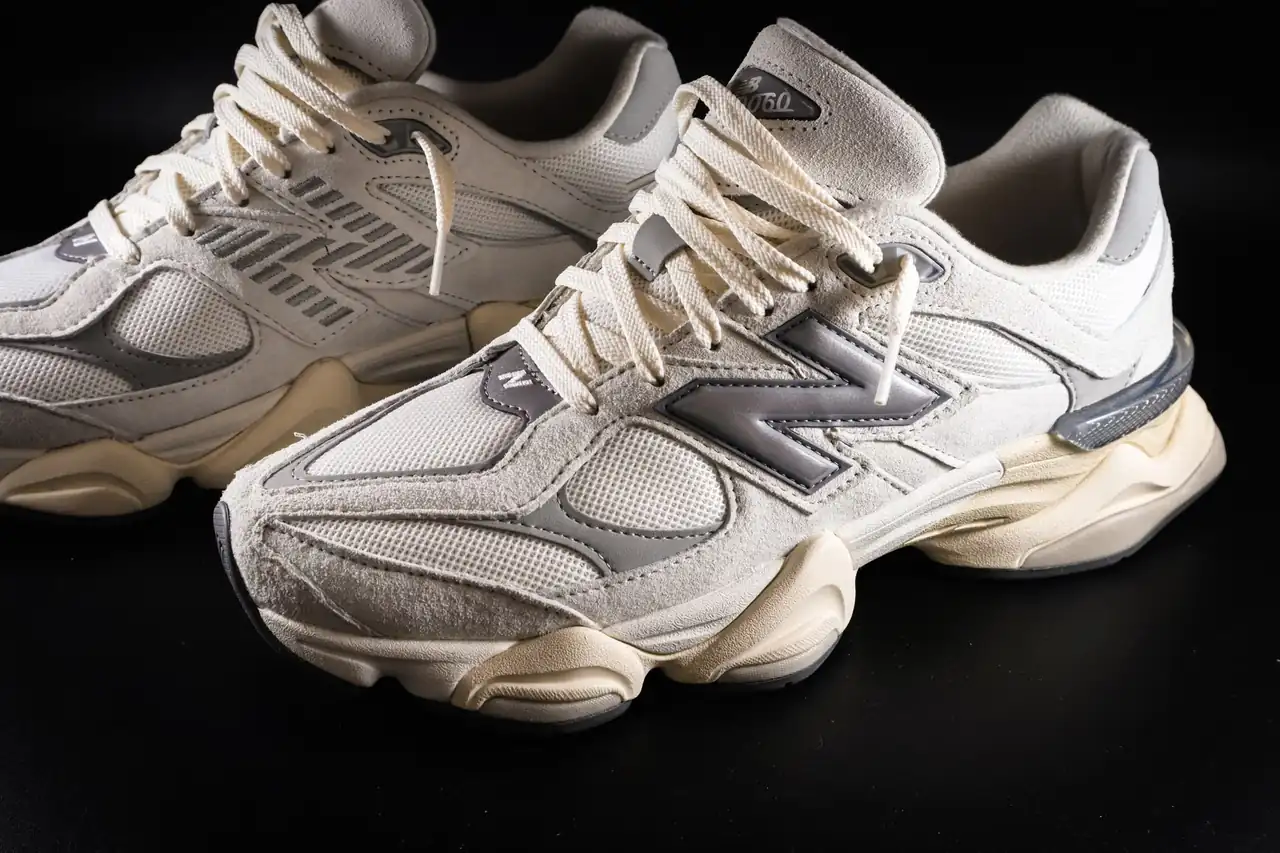
A well-fitting running shoe should hold the foot without squeezing it, leave the toes free and keep the heel stable throughout the stride. The most useful reference is having between 8 and 12 millimeters in front of the longest toe, although length alone does not determine whether a model fits. The toe box, midfoot, width and heel behavior all need to work together.
The foot expands while running, especially in warm weather, after several miles or following many hours of movement. That is why a pair that feels perfect while sitting may become uncomfortable by mile 6. The right fit is recognizable because there is no localized pressure, the foot does not slide and the toes can spread and move without hitting the front.
The space needed in front of the toes
The longest toe should not touch the toe box while standing or walking downhill. There should be roughly the width of a thumb between both points, an approximate measure that often equals about one centimeter of internal room. This is not always measured from the big toe: on some feet, the second toe extends farther.
That extra space allows for the foot’s natural movement forward during running. It also leaves room for the slight swelling that comes with exertion. A shoe that is too short can cause repeated impacts against the front, bruised toenails, black toenails, blisters and toe pain. The problem is often worse on descents and long runs.
More room does not mean buying a much larger size. If the shoe is too long, the heel may lift and the foot will move inside the shoe. The result is constant friction and a feeling of insecurity. The right length offers room at the front while preserving a firm fit around the rear of the foot.
The toe box should respect the shape of the foot
The front of the shoe must not only be long; it must also offer enough width and height. When weight is applied, the metatarsals spread slightly and the toes need room to maintain a natural position. If the upper compresses this area, the foot may feel trapped even when the size is correct.
A simple test is to remove the insole and place it on the floor. Stand on it with your weight distributed over both feet, as you would while walking. If your foot extends beyond the sides, the model’s shape is too narrow, even if the shoe initially feels comfortable. The test does not replace running in the shoe, but it helps reveal an obvious problem.
Toe shape also matters. A foot with a straight big toe and a rounded toe box may need a different design from a foot whose second toe is longer. Anatomical shapes, wide versions and models with a less tapered front can improve comfort, but they are not automatically better. The best option is the one that follows the actual outline of the foot without creating unnecessary looseness.
The heel should be secure, not locked down
The heel should stay in place while walking, accelerating and changing direction. A small amount of vertical movement can be normal, but it should not feel like continuous slipping. When the heel rises and falls with every step, friction increases and blisters may appear around the Achilles tendon or ankle.
Security does not come from tightening the laces until pressure is noticeable. Excessive tension can numb the instep, restrict movement and cause pain in the extensor tendons. The laces should keep the foot centered with even tension, while the collar holds the ankle without cutting into the skin.
Many models include an extra eyelet at the top. Using it with a heel-lock lacing technique can reduce movement without compressing the entire instep. This solution is useful when length and width are correct but there is a little looseness at the rear. It should not be used to fix a clearly oversized shoe: laces cannot turn the wrong size into the right fit.
The instep and sides need room to breathe
The upper should touch the instep without creating pressure points. After lacing the shoe, you should be able to place roughly one finger under the lace in the central area without leaving the foot loose. Red marks, tingling or numbness after a few minutes indicate that pressure is not being distributed correctly.
Materials also change the fit. Flexible mesh can adapt as the foot expands during a long run, while a rigid structure or overlay on the instep may press on one particular area. Initial comfort does not always predict how the shoe will feel after an hour, so flex the foot, walk and check whether folds rub against the skin.
Socks are part of the fit system. A thick pair can make a snug shoe unbearable, while a very thin pair can increase movement inside a slightly loose shoe. Testing should be done with the socks normally used for training and, when applicable, personal orthotics. Changing these elements after buying alters the original fit.
How to test running shoes before buying
The best time to try running shoes is often in the afternoon or after walking, because the feet have already supported hours of activity. It is not an absolute rule, but it provides a more realistic reference than trying shoes immediately after waking. Measure both feet, since one is often slightly longer or wider, and choose the size that accommodates the larger foot.
Test the shoes while standing, with your weight distributed and both laces tied. Walk for several minutes, use stairs if possible and focus on specific contact areas. The longest toe should not brush the front, the toes should not be crowded and the heel should not lift out. A shoe that only feels comfortable while sitting has not yet passed the test.
When the store allows it, a short jog reveals details that walking does not. The sole may feel stable or excessively soft, the tongue may shift and the foot may move forward when braking. For online purchases, checking the manufacturer’s measurement chart is more reliable than automatically repeating the number used in another brand. Sizes are not universal and two models from the same brand may have different shapes.
Signs that the fit is wrong
Discomfort provides information before an injury appears. Dark or painful toenails are often linked to repeated impacts against the toe box, although technique, descents and nail length may also play a role. Blisters on the heel point to friction and movement, while burning in the toes may indicate a narrow toe box or excessive pressure.
Numbness across the instep should not be treated as part of the break-in period. It is also not a good sign when the toes curl to stop the foot from moving. A feeling of side-to-side instability may come from a shoe that is too wide, but it may also be caused by a midsole that does not match the foot shape. In every case, persistent pain deserves attention and should not be solved simply by tightening the laces.
A new shoe may need a few runs for its materials to adapt, but it should not cause wounds from the first use. The break-in period is not a reason to tolerate intense pressure, constant rubbing or an obvious lack of room. If discomfort always appears in the same spot, it is usually more sensible to review the size, width or design than to wait for the problem to disappear.
Fit changes according to the type of shoe
Daily trainers usually prioritize comfort and can feel slightly more spacious, provided the foot remains secure. On long runs, that extra room helps accommodate swelling and fatigue. Even so, excessive looseness can create blisters and make the runner tense the toes to stabilize the foot.
Lightweight shoes for faster paces may feel more fitted, but they should not compress the toes or cause pain. Precise fit matters so the foot does not slide when accelerating, although room in front is still necessary. Racing shoes may have a firmer structure or a plate, making it even more important to test them in advance rather than debuting them directly in a race.
Over very long distances, comfort matters more than an aggressive fit. After several hours, the feet may swell and change how they land. A model that works for a short workout may not suit a marathon or ultramarathon. The choice should consider expected duration, terrain, socks and the possibility of changing shoes during the event.
Surface and foot motion also affect the fit
Fit cannot be separated from intended use. Road shoes usually have a more continuous outsole and a structure designed for regular surfaces. On trails, lugs, protection and the need to control the foot on uneven ground can change the feeling of space. A trail shoe that is too loose may allow dangerous movement on descents, while one that is too narrow can punish the toes.
Foot strike, pace, body weight and the stability each runner seeks all influence the choice. Pronation and supination describe foot movements, but they should not be used as isolated labels for buying any stability or cushioned shoe. Comfort, previous discomfort and how the shoe behaves while running provide more useful information than outsole wear alone.
Drop, midsole height and foam firmness change load distribution, but they cannot fix a small toe box or an unstable heel. The first priority should be functional room and a centered foot. Cushioning, response, weight and support can be considered afterward. Advanced technology cannot compensate for a shoe shape that ignores the runner’s anatomy.
The right fit remains comfortable mile after mile
Running shoes should feel secure without becoming a shell that immobilizes the foot. The toes need room to extend, the midfoot should be held and the heel must follow the movement without bouncing. This combination allows attention to remain on the stride rather than on pressure beneath a toenail or a lace cutting into the instep.
The review does not end when you leave the store. During the first few runs, check whether new rubbing appears, whether the toe box remains comfortable as the foot swells and whether the heel stays in place. It is also useful to assess the shoe on the terrain where it will be used most often. The best fit is the one that stays stable as distance increases, not merely the one that feels impressive for five minutes.
Choosing well is not about finding a universal size or copying another runner’s model. It means relating length, width, toe-box shape, security, terrain and effort duration. When none of these elements creates pressure, slipping or pain, the shoe performs its essential function: accompanying every landing without demanding attention.



Reebok runs large or small: a real fit guide

Hoka Challenger ATR 7 GTX: complete review of the all-terrain shoe

How to clean white sneakers without ruining them

Altus Pirineos 40-liter backpack: analysis, use, and key points

20,000 mm waterproof jacket for men: key points to get it right

Under Armour HOVR Sonic 6: complete review of the shoe

incline treadmills: guide to choosing better

Achilles tendonitis: real recovery time

Pain in the Achilles heel: causes, signs, and relief

What to take for calf pain: real relief and when to worry

 Races3 months ago
Valencia Half Marathon 2026: date and registration

 Reviews and Comparisons4 months ago
Asics Gel-Roadmiles 3 for men: review and current price

 Races3 months ago
Valencia Marathon 2026: entry, ballot and course

 Reviews and Comparisons4 months ago
Asics Gel Sonoma 8 Gore-Tex: complete analysis for trail and rain
- Sneakers3 months ago
Saucony Endorphin Pro 4: full review and verdict

 News5 months ago
Strava API 2026: what changes for clubs, challenges and runner apps?

 Reviews and Comparisons5 months ago
Nike Alphafly 3: opinions, sensations, and real key points

 Reviews and Comparisons4 months ago
Under Armour running shoes review 2025-2026: models and key features

 Sports Equipment4 months ago
Shoe sizes in cm: a clear guide to getting the right fit for your footwear
- Sneakers4 months ago
Adidas Adizero Boston 13 for men: review and verdict
- Sneakers3 months ago
Neutral running shoes with lots of cushioning: the best of 2026

 News4 months ago
Where is the Hoka brand from and why was it born in France