Training
How to stop your heel slipping out of your running shoe
Key ways to secure the heel, stop slipping and improve comfort during every training session.

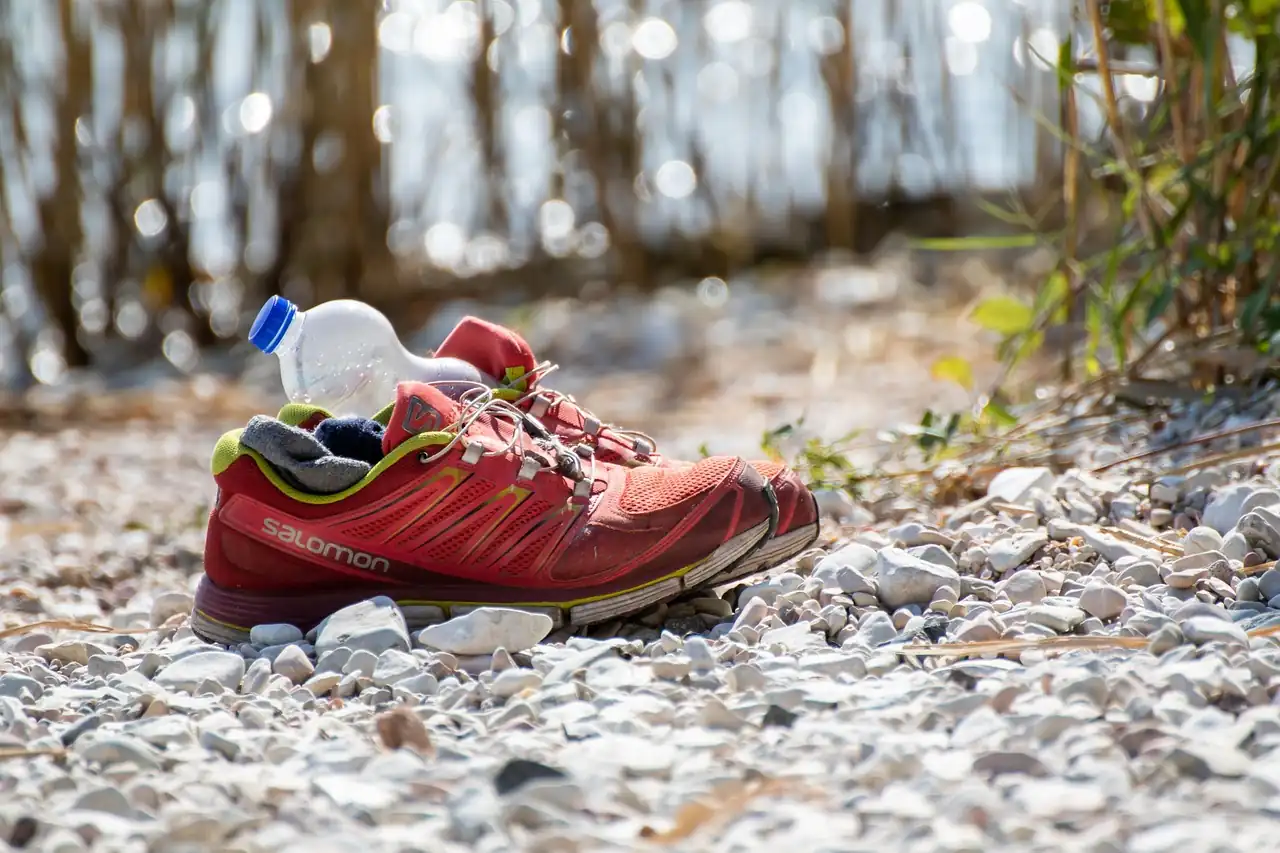
A heel that lifts inside a running shoe is more than a minor annoyance. Every step creates a small vertical movement that increases friction, changes the foot strike and can lead to blisters, irritation or reduced stability. The most effective answer is usually a combination of the right size, proper instep support and a heel-lock lacing method, rather than simply tightening the entire shoe.
Before changing models, identify where the problem starts. If the foot slides forward, the last may be too long or too wide; if the heel moves while the forefoot feels secure, the upper may lack volume or the closure may not be using the final eyelet correctly. In running shoes, the heel should stay held without painful pressure while the toes need room to move.
Why your heel moves inside the shoe
Slipping usually appears when the shape of the foot and the geometry of the shoe do not match. A shoe may have the correct length but too much volume around the collar, a poorly padded tongue or a rear counter that does not hold the heel properly. The movement becomes especially noticeable uphill, during faster efforts or when changing direction: the foot moves forward and the heel briefly lifts away from the shoe.
Sizing may also be responsible, although not always because the shoe is too large. A small shoe forces the toes backward and can create uneven pressure that lifts the heel. A long shoe, on the other hand, leaves extra room at the front and makes the foot slide. A useful reference is leaving approximately 8 to 12 millimetres in front of the longest toe, enough for the foot to expand naturally during a long run.
Foot volume changes throughout the day and during exercise. Heat, repeated loading and fluid retention may slightly increase its size, while a very thin or worn sock reduces friction inside the shoe. Materials also matter: mesh that stretches, a compressed insole or a deformed collar lining can make a shoe that originally fitted well become unstable.
The right fit starts with the correct size
Trying on a running shoe involves more than putting it on and walking a few metres. The sock should resemble the one used for training, and the test is preferably done later in the day, when the foot is closer to its usual volume during a long session. The heel should remain in contact while walking and flexing the ankle, while the toes retain enough freedom to spread.
A simple check is to remove the insole, place it on the floor and stand on it. The heel should remain within the base and the toes should not extend beyond the front. This does not replace testing the shoe on the foot, but it helps identify models that are too narrow or short. It also shows whether the foot spills over the sides, which indicates that the last does not match its shape.
Do not solve a rear-fit problem by going down a size. If the heel slips and the toes are already close to the front, the shoe is probably unsuitable for that foot. It is usually better to look for a model with a firmer heel counter, a more structured collar or a different width. Support should not come at the cost of compressed toenails, numbness or restricted movement.
Heel-lock lacing is the most direct solution
Most running shoes include an extra eyelet at the top. Although many runners leave it unused, it is designed to create a heel-lock loop that holds the rearfoot without tightening the entire instep. The method is commonly known as a runner’s loop or heel lock and is especially useful when the shoe length is correct but the rearfoot needs more support.
To use it, lace the shoe through the usual eyelets until reaching the top. On each side, create a small loop using the upper eyelet without crossing the lace yet. Then pass the opposite lace end through that loop and pull both laces upward and slightly backward. The tension should close the collar around the ankle, not dig into it. Finish with a comfortable knot, moving it slightly to one side if the instep receives too much pressure.
The lock works by directing tension towards the rear and reducing vertical movement of the heel bone. It cannot turn an oversized shoe into a suitable one, but it can correct moderate looseness. The sign that it is working properly is a stable heel without tingling, pain or deep marks. During the first few minutes, check that circulation and ankle movement remain normal.
Socks, insoles and heel pads: when they help
Socks can completely change the feeling of fit. Running-specific models usually use technical fibres that move moisture away, retain their shape and reduce creasing. A soaked cotton sock shifts more easily and increases friction, while a very thin sock may leave extra room. The safest choice is a technical sock with a thickness that matches the shoe volume, without bulky seams at the heel.
A replacement insole can add some volume and improve contact between the foot and the inside of the shoe, but not every insole is suitable for running. If it is too thick, it raises the foot, reduces toe-box space and may increase instep pressure. An insole that does not lie flat can also create new rubbing points. Check that it has the same length, stays in place and does not excessively change heel position.
Adhesive heel pads can provide a targeted correction in everyday footwear, but their value in running is limited. Sweat, repeated movement and washing may loosen the material, while excessive padding changes the collar shape. They may work for a short test or occasional use, although they should not hide a structural sizing or fit problem.
Non-slip strips and adhesives applied directly to the skin are not good solutions for long training sessions. They can irritate, trap moisture or leave residue on the fabric. If rubbing continues despite a good fit, it is more sensible to review the sock, use a product designed to protect the skin or temporarily shorten the session.
Tension should hold the instep, not squeeze it
The heel does not work in isolation. For it to stay in place, the instep must prevent the foot from moving forward inside the shoe. Loose laces allow movement; overly tight laces can compress tendons and nerves. The right tension is spread from the middle of the foot upwards, creating a firm but flexible sensation. The foot should stay locked during the stance phase without losing sensation or freedom to flex.
In some feet, pressure is concentrated over the instep even though the heel still moves. Skipping an eyelet in the painful area and recovering tension near the ankle can help. This creates a lower-pressure channel through the centre while maintaining retention at both ends. There is no universal lacing pattern: foot shape, tongue padding and lace elasticity determine which distribution feels best.
The test should be dynamic. Walking, climbing stairs, leaning forward and jogging for a few minutes reveal more than standing still in front of a mirror. If the heel lifts only at faster speeds, the answer may lie in the upper closure. If it lifts even during slow walking, there is probably too much volume or a mismatch between the last and the foot.
Common mistakes that make slipping worse
Tightening every lace with the same force is one of the most common mistakes. Pressure builds at the front while the collar remains loose. It is also common to tie the knot too loosely, hide the lace ends under the tongue or use the extra eyelet without forming the heel-lock loop correctly. A few minutes spent on the closure often work better than adding several sock layers.
Another mistake is taking a new shoe straight into a long run. Materials need a short break-in period, but a shoe that moves from the first walk usually does not correct itself. Adaptation should involve short sessions on stable ground, while watching for heat, redness or blisters. Pain is not a normal part of breaking in footwear and should not be ignored in the hope that the foot will simply adapt.
Changing the insole and sock at the same time can also be counterproductive. If the fit improves or worsens, it becomes difficult to know which change caused it. Alter one variable at a time and test it on similar routes. This may seem slower, but it identifies the real cause and prevents the purchase of accessories that only provide temporary compensation.
What to do with different shoes and types of training
In daily trainers, heel stability should remain consistent during easy runs and long sessions. Highly cushioned models may feel comfortable at first, but if the collar is soft or the foot sinks unevenly, the rearfoot may move more. In these cases, a moderately firm heel counter and stable platform are often more important than adding padding.
Racing shoes usually have a closer fit and less material, so they tolerate insole or sock changes poorly. It is important to choose the size correctly from the start and test the closure at speeds close to the intended goal. Support should remain secure when cadence increases and the foot experiences greater lateral forces, especially on bends and descents.
In trail running, the issue can become more pronounced on slopes. During descents, the foot moves forward and the toes hit the front; during climbs, the heel tends to lift. Heel-lock lacing helps, but the shoe also needs a midfoot shape that holds the foot and an outsole with suitable traction. Mountain footwear should not be loose enough to allow movement, nor so tight that it restricts circulation over several hours.
On wet or muddy surfaces, moisture reduces sock friction and increases movement. Drying the shoe properly, removing the insole after use and checking the inner lining are simple measures. A heavily worn outsole can also change the way the foot lands and make the runner force the ankle to maintain balance. Loss of outside grip and worn inner lining are signs that replacement may be needed, not merely cosmetic details.
When to replace the shoe or seek professional advice
If the heel still slips after testing lace adjustment, a suitable sock and the correct size, the problem may be the design. Each manufacturer uses different measurements, and the same size does not guarantee the same volume. Trying several models, ideally with the foot rested and after walking, makes it easier to compare rearfoot retention without relying only on the number on the label.
Wear also sets a limit. A collapsed heel counter, deformed collar, flattened insole or stretched mesh can prevent the foot from staying secure. There is no universal mileage figure for replacing shoes because runner weight, surface and construction all matter. However, obvious loss of support or repeated blisters justify checking the footwear, even if the outsole still looks usable.
Persistent symptoms deserve medical attention. Recurrent blisters, Achilles pain, numbness, swelling or instability may be linked to poor fit, but they can also involve running technique or injury. A sports podiatrist or physiotherapist can assess the foot and mechanics, while a specialist running store can help compare lasts. Editorial information can guide general decisions, but it does not replace individual assessment when pain is present.
A stable heel improves the run from the first step
The best answer is usually simple and progressive: check the size, confirm toe room, choose a technical sock, adjust the instep and use the heel-lock eyelet. Insoles and pads can solve small gaps, but they should not be used to keep a shoe in service after it has lost its structure. The right shoe holds the foot without forcing it to tolerate unnecessary pressure.
The goal is not to immobilise the ankle, but to let the heel move naturally without separating from the collar at every step. Good support goes unnoticed: it does not distract, rub or restrict movement, allowing the runner to focus on pace, terrain and breathing. When the shoe stops fighting the foot, running feels fluid again rather than like a series of small adjustments.
Este artículo contiene enlaces de afiliado: si compras a través de ellos, se genera una pequeña comisión sin coste adicional para ti. Más información.



How to prevent thigh chafing: causes and real solutions

Women’s running windbreakers: seven jackets and how to choose

Do more workouts get rid of soreness? A guide for runners

Jaén Half Marathon 2026: Record 3,800 Runners Registered

Men’s short running tights: how to choose the right pair

World Triathlon confirms data breach involving medical data

Izan Edo targets podium at Miyazaki World Cup

María Pérez ranks ninth in World Athletics’ 2026 top ten

Dos Santos, Duplantis and Sawe: World Athlete of the Year finalists

San Silvestre Vallecana 2026: 42,000 places, prices and start times

 Races3 months ago
Valencia Half Marathon 2027: date and registration

 Races3 months ago
Valencia Marathon 2026: entry, ballot and course

 Reviews and Comparisons4 months ago
Asics Gel-Roadmiles 3 for men: review and current price

 Reviews and Comparisons4 months ago
Asics Gel Sonoma 8 Gore-Tex: complete analysis for trail and rain

 Sneakers3 months ago
Saucony Endorphin Pro 4: full review and verdict

 News5 months ago
Strava API 2026: what changes for clubs, challenges and runner apps?

 Reviews and Comparisons5 months ago
Nike Alphafly 3: opinions, sensations, and real key points

 Reviews and Comparisons4 months ago
Under Armour running shoes review 2025-2026: models and key features

 Sports Equipment4 months ago
Shoe sizes in cm: a clear guide to getting the right fit for your footwear

 Sneakers3 months ago
Skechers GO RUN Consistent 2.0 analysis: comfort and limits

 News5 months ago
Valencia Marathon 2026 route: key tips to train and run better

 Sneakers4 months ago
Adidas Adizero Boston 13 for men: review and verdict