Reviews and Comparisons
How the Terrex Two Flow performs on trail and mixed terrain
Analysis of adidas mountain model: fit, Continental grip, Lightstrike midsole, sizing, and real-world use on mixed terrain.

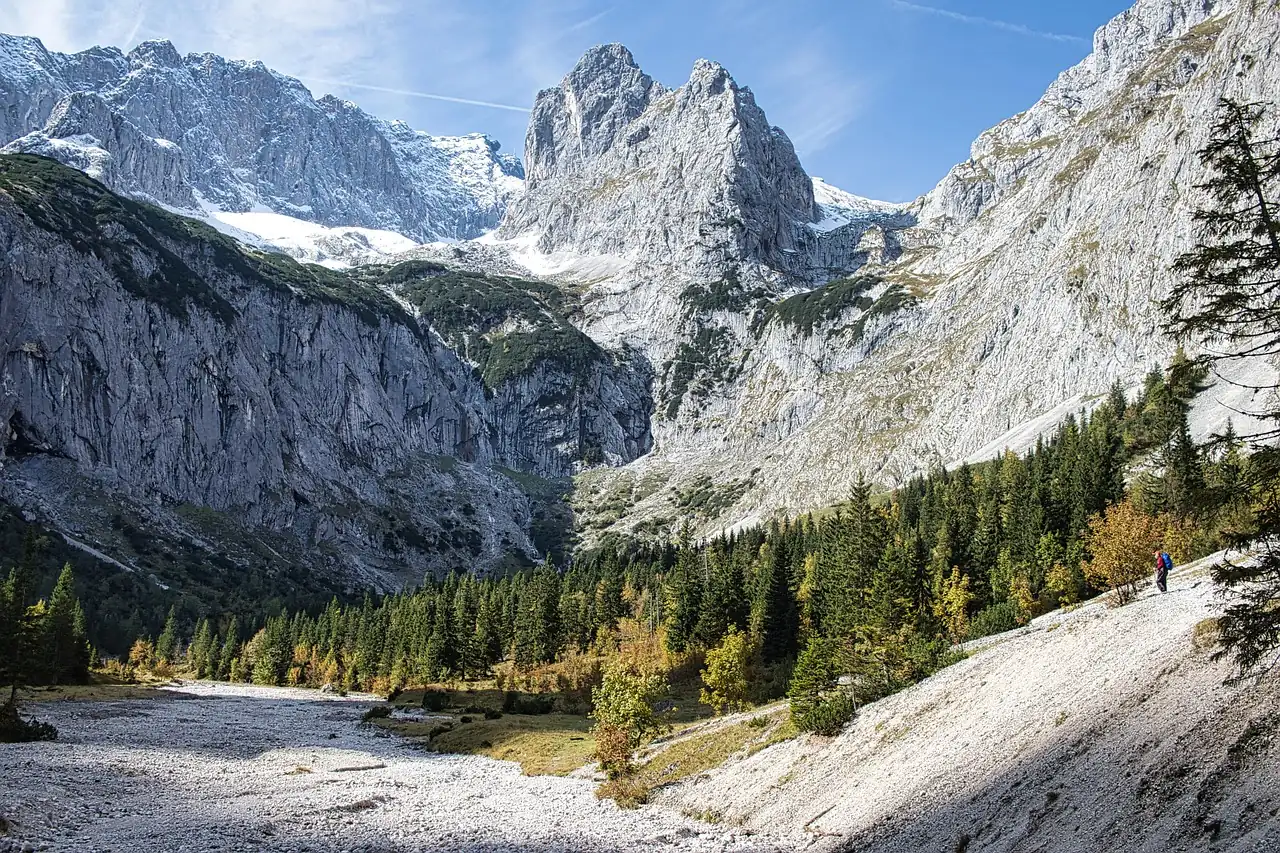
Imagen: ThiloBecker / Pixabay
The Terrex Two Flow was born to move naturally between easy trails, gravel tracks and stretches of asphalt, a hybrid terrain where many mountain shoes show their seams. Its recipe combines a mesh upper with abrasion-resistant reinforcements, a lightweight midsole and a Continental outsole that aims for security on both dry and wet ground. The result is a model that does not aim to be radical, but effective: agile, comfortable and capable of linking surfaces without asking the runner to change shoes all the time.
Its appeal lies precisely in that balance. It is not an option designed for deep mud, technical ridges or extremely aggressive foot strikes, but for those who alternate forest paths, compact tracks and urban access routes to the mountains. In that context, the combination of moderate cushioning, reliable traction and contained weight makes sense. It is a shoe with a vocation for continuity, one of those that go out for a jog and end up accompanying you on long training sessions or weekend outings where the terrain changes as much as the light between pines and road.
A shoe designed to mix surfaces without drama
The first thing worth understanding is that this model was designed for transition. It does not seek to impress with an aggressive aesthetic or oversized lugs, but with its ability to move from pavement to dirt with little friction. The Lightstrike midsole reduces weight and provides a clean sense of propulsion, while the modest lugs soften that step between asphalt and loose ground. That design decision brings it closer to a versatile-use shoe than to a pure mountain specialist.
That approach has practical consequences. On dry tracks and compact trails it feels natural, with a stride that does not feel clunky or overly soft. In short pace changes it responds easily, and on more relaxed runs it keeps its composure without overly fatiguing the foot muscles. The key is not extreme protection, but a feeling of controlled lightness, something very useful when the route includes runnable sections and others that are more uneven.
It also explains why so many runners have valued it as a comfortable shoe for medium and medium-long distances. The platform does not require refined technique to feel stable, and the grip helps keep the stride from becoming insecure on gravel, hard dirt or wet rock. It is not armor; it is more like a well-tuned tool, designed so the terrain does not interrupt the rhythm more than necessary.
Materials, fit and feel when putting them on
The mesh upper is one of its most recognizable features. That fabric promotes ventilation and, at the same time, incorporates abrasion-resistant welds to withstand rubbing, branches and the typical wear of trail running. In other words, it breathes like a lightweight shoe, but tries to behave like a garment ready to leave the pavement without the upper falling apart at the first stone.
In practice, that construction leaves an enveloping feel, something that often appears in real-world user opinions. The foot is held reasonably well, without the stiffness of a pure racing shoe. The lacing system allows you to fine-tune the fit with quite a bit of room, something important in a model where the size can feel a little tight for some runners. In fact, part of the feedback agrees that it is worth trying half a size up or even a full size up if you prefer extra room in the toes, especially for long descents.
That observation is no small detail. In trail running, a fit that is too exact can become a problem when the foot swells with effort or when a descent punishes the toenails. Here, the sensible advice is not to obsess over your usual street size. Foot shape, sock thickness and intended use matter more than it seems, and in this model a bit of caution is usually appreciated.
Continental grip and stability on changing terrain
The Continental outsole is one of the model’s strongest arguments. Its presence provides traction that is highly valued on dry and wet surfaces, with a feeling of confidence that is especially noticeable on wet stone, compact dirt and slightly loose gravel areas. Continental is not a decorative label: in the trail world, rubber makes a real difference when the ground stops being predictable.
Runners who have used these shoes on mixed routes usually highlight that grip above other features. No surprise there. When the stride lengthens on a fast track or shortens on a trail with bends and roots, the outsole works like a discreet safety net. It does not eliminate the risk of slipping, but it does reduce it noticeably, and that changes the way you run. The foot lands with less tension, the body loosens up more and the runner stops looking at the ground so much, as if walking on glass.
The downside appears on asphalt. As happens with many trail outsoles with good bite, wear can speed up if urban use is frequent. That does not make the model fragile, but it does point to its ideal territory. If most training takes place on roads, its durability suffers sooner. On the other hand, when the usual base is paths, tracks and not-too-technical trails, the equation works out much better.
Cushioning and response: neither soft nor harsh
The Lightstrike midsole offers balanced cushioning, with a feel that many runners describe as soft without excess. That word, balanced, sums up its personality quite well: it absorbs impact, but does not sink; it protects, but does not dull. It is an important virtue in footwear that aims to work both for easy runs and for faster outings on easy terrain.
On long routes, that cushioning helps the legs feel less of the accumulation of small vibrations. In more energetic efforts, the response remains reasonable, though without the explosive energy of a racing model. Its strength is not aggressive rebound, but comfortable continuity. That is where it finds its place. It works like a thin cushion, not like a sofa, and in mixed trail that is usually good news because it keeps contact with the ground without making it harsh.
This nuance explains why it has been seen so often on the feet of runners who value comfort over technical exoticism. There are models that speak the language of pure speed and others that prioritize protection. The Terrex Two Flow sits in an intermediate zone, more sober, more practical. It does not aim to dazzle on a spec sheet, but to make the outing easy to carry through, even when the session lasts longer than expected.
What type of runner it suits best
Its profile is especially interesting for those who run in the mountains without regularly entering very technical sections. It can be a sensible option for runners who alternate mountain and city, for those who do base training on forest tracks, or for anyone who wants a single shoe that does not feel out of place on an asphalt approach. That versatility, properly understood, is part of its value.
It also suits runners who prioritize comfort and grip over aggressiveness. If the goal is to protect the foot, maintain a stable stride and not give up a certain lightness, the model makes a lot of sense. On the other hand, for plenty of mud, very broken terrain or technical mountain racing, there are more specific alternatives. That is not an accidental weakness, but a logical consequence of its approach.
User opinions help draw that map more precisely. Concepts such as comfort, enveloping fit, lightness and good grip keep coming up. There are also nuances about sizing and durability on asphalt. That mix of praise and reservations paints a fairly honest picture: a shoe that convinces for what it does well and that asks to be used where it really performs best.
What real reviews say about its behavior
Customer reviews point to a very positive overall experience, with an average of 4.6 out of 5 across more than 500 ratings. That figure does not guarantee that it will fit everyone equally well, but it does indicate a broad base of satisfaction. Comfort appears again and again, closely followed by the perception of quality and grip on different surfaces.
Among the most repeated comments is also the fit issue. Some consider it true to size, while others recommend going up at least half a size. In trail footwear, that difference matters more than in a street model, because the toe box needs room on descents and because the foot does not always behave the same when you start running as it does when you try the shoe standing still. In this case, caution seems like a good shopping companion.
Another recurring observation is outsole wear when used too much on hard surfaces. That point does not contradict the rest of the overall assessment, but it does remind us of something basic in running: service life depends as much on the design as on the actual terrain of use. If the daily route mixes too much pavement with too little mountain, any trail shoe pays a price. If the terrain is right, the experience improves and the material ages more coherently.
Price, positioning and the relationship between value and use
Its launch price or sale price on some channels has hovered around 201 euros, a figure that places it in the upper part of the segment. That means it has to be read carefully. This is not a cheap shoe or an impulse buy to see how the mountains feel. At that price level, runners usually expect a convincing combination of grip, comfort, material quality and some real versatility.
Within that framework, the model holds its position mainly through the sum of details, not through one big standout feature. The Continental outsole, Lightstrike cushioning, breathable upper and abrasion resistance build a coherent proposition. The value is not in a technical gimmick, but in the sum of sensible decisions. For those looking for a single pair capable of handling many non-extreme outings, that logic can carry weight.
That said, the price also invites comparison with other more specialized or more affordable trail options. If the absolute priority is mud, protection or pure competition, the budget may go further elsewhere. If what you want is a reliable shoe for mixed terrain and frequent use, the relationship between what it offers and how it performs is indeed defensible. The purchase makes sense when the use matches the design.
Details worth not overlooking before choosing it
It is not waterproof, and that changes the reading quite a bit. The mesh prioritizes ventilation and lightness, but it does not offer water protection like a closed membrane. For dry climates or mild seasons, this decision works well; for very rainy areas or outings with frequent puddles, it is worth assuming the foot will be more exposed. In trail running, breathability is usually a friend of comfort, but water resistance depends on the route you run.
Nor should you lose sight of its low-cut collar and relatively balanced profile. It does not aim to wrap the ankle or overly correct the stride. Its approach is freer than corrective, which is normal in a model that aims to accompany movement, not direct it with a firm hand. That philosophy suits runners who already feel comfortable on uneven terrain and want a stable base without too much interference.
Finally, there is the context of real use. If a shoe is mixed with too much road, any technical outsole loses its charm sooner. If, on the other hand, it is used on gentle trails, tracks and gravel, the experience improves a lot. That is the real reading of this model: it is not a universal promise, but a tool well adapted to a very specific scenario. There, right there, is where it truly makes sense.
The sensible buy in a market full of extremes
The trail market has filled up with shoes that promise more than they later allow. Some become too soft; others, excessively hard; some boast grip but punish the foot; others ease the stride at the expense of precision. The Terrex Two Flow avoids part of that caricature because it works with an intermediate language, without fuss. That does not make it the best for everything, but it does make it a serious option for those who do not want to give up versatility.
Its character is better understood as that of a bridge shoe. It serves to connect worlds: the asphalt at the start, the dirt path, the compact track and the way back home with legs still intact. Its greatest virtue is that it does not break the rhythm when the ground changes. And in running, that detail is worth more than it seems, because the body appreciates a clean transition and not a succession of small surprises.
That is why, rather than as a spectacular model, it is better seen as a finely tuned proposition for a specific runner: someone who goes out running in the mountains without looking for walls, mud or technical races, and prefers a comfortable, well-gripping and sufficiently light shoe. In that territory, the Terrex Two Flow still has a clear logic. It does not win you over through excess; it convinces through coherence, and sometimes that is the most useful quality of all.
You may also like: Adidas Terrex Agravic Flow 2.0: analysis and key features of the model.
Este artículo contiene enlaces de afiliado: si compras a través de ellos, se genera una pequeña comisión sin coste adicional para ti. Más información.



How to prevent thigh chafing: causes and real solutions

Women’s running windbreakers: seven jackets and how to choose

Do more workouts get rid of soreness? A guide for runners

Jaén Half Marathon 2026: Record 3,800 Runners Registered

Men’s short running tights: how to choose the right pair

World Triathlon confirms data breach involving medical data

Izan Edo targets podium at Miyazaki World Cup

María Pérez ranks ninth in World Athletics’ 2026 top ten

Dos Santos, Duplantis and Sawe: World Athlete of the Year finalists

San Silvestre Vallecana 2026: 42,000 places, prices and start times

 Races3 months ago
Valencia Half Marathon 2027: date and registration

 Races3 months ago
Valencia Marathon 2026: entry, ballot and course

 Reviews and Comparisons4 months ago
Asics Gel-Roadmiles 3 for men: review and current price

 Reviews and Comparisons4 months ago
Asics Gel Sonoma 8 Gore-Tex: complete analysis for trail and rain

 Sneakers3 months ago
Saucony Endorphin Pro 4: full review and verdict

 News5 months ago
Strava API 2026: what changes for clubs, challenges and runner apps?

 Reviews and Comparisons5 months ago
Nike Alphafly 3: opinions, sensations, and real key points

 Reviews and Comparisons4 months ago
Under Armour running shoes review 2025-2026: models and key features

 Sports Equipment4 months ago
Shoe sizes in cm: a clear guide to getting the right fit for your footwear

 Sneakers3 months ago
Skechers GO RUN Consistent 2.0 analysis: comfort and limits

 News5 months ago
Valencia Marathon 2026 route: key tips to train and run better

 Sneakers4 months ago
Adidas Adizero Boston 13 for men: review and verdict