Health and Nutrition
How to prevent thigh chafing: causes and real solutions
Friction and sweat damage the inner skin of the legs. These solutions reduce chafing and soothe the area.

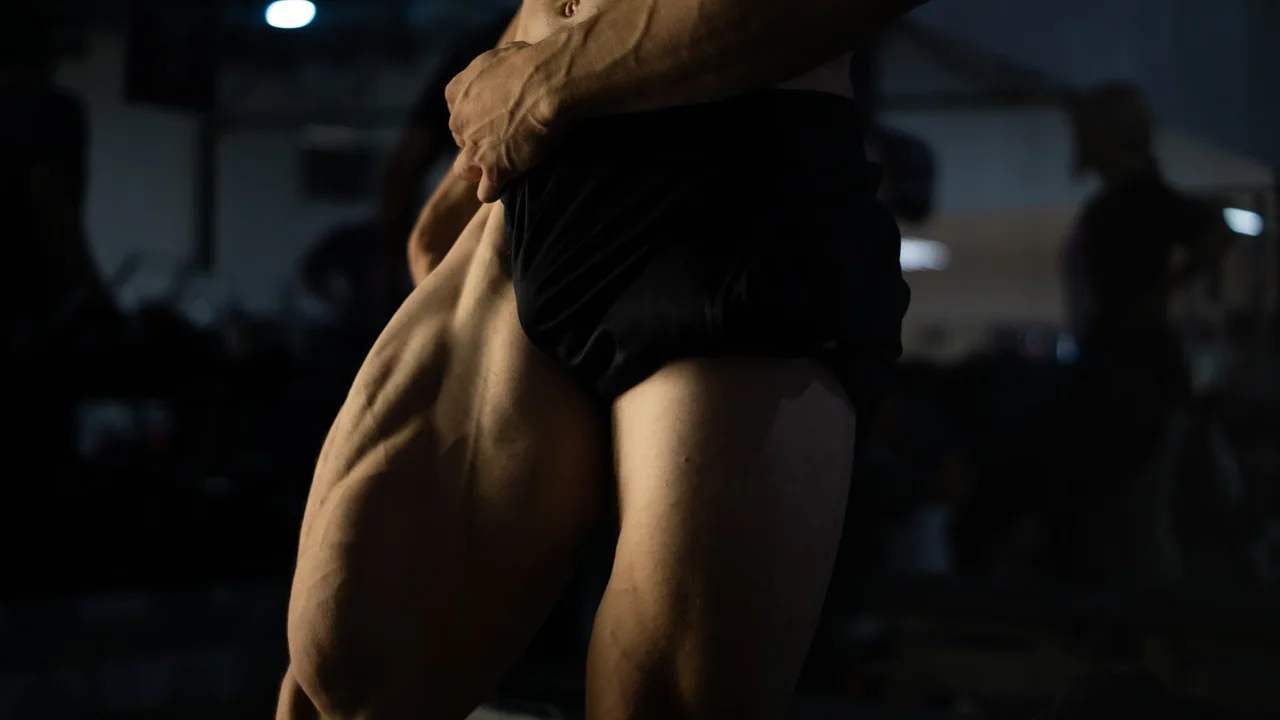
Chafing on the inner thighs appears when friction combines with sweat and the skin cannot defend itself in time. The result usually starts with stinging, continues with redness, and in the most bothersome cases ends in an irritation that burns when walking, sitting, or even when clothing rubs against it.
In running, cycling, or long walks, that problem multiplies because each stride repeats the same motion thousands of times. Prevention depends on two simple ideas: reducing friction and controlling moisture. When either one fails, the skin on the inner legs becomes a vulnerable spot, almost as if a match had been lit in an area worn down by movement.
Why the skin between the legs gets irritated
The main cause is mechanical. The thighs touch while walking, running, or pedaling, and that repeated contact acts like a soft but constant sandpaper. If it is hot as well, perspiration leaves a damp film that intensifies friction and makes it easier for the outermost layer of skin to break down. You do not need sensitive skin to suffer from it; all it takes is an uncomfortable combination of heat, sweat, and rubbing.
Clothing also plays a role. Heavy fabrics, thick seams, or overly tight garments can concentrate pressure in a specific area. In sports, the problem is more noticeable when the fabric does not wick moisture well or when the garment shifts with every step. The body moves, the fabric does not keep up, and the skin pays the price.
There is another, less visible factor: anatomy. The distance between the thighs, the distribution of fat and muscle tissue, and even the way a person walks all change the level of friction. That is why two people doing the same activity can have very different experiences. Chafing is not a personal failure, but a very common physical response.
Early signs you should not ignore
Before an obvious injury appears, the skin usually gives warning signs. First comes a sensation of heat or mild burning, then redness that becomes more intense as the hours pass. If you keep walking or training without correcting the problem, small cracks, persistent stinging, or a hard, shiny area may appear, as if the skin had been stretched too far.
In endurance activities, these symptoms can be misleading. At first they seem like a minor annoyance, but repeated friction turns them into a wound exposed to sweat salt and ambient moisture. The sooner you act, the less severe the condition will be. Waiting until the skin is damaged usually makes recovery harder and prolongs the discomfort.
It is also worth watching the edge of the irritation. If the area begins to spread, if it hurts when clothing touches it, or if a burning sensation appears when wiping away sweat, the friction is no longer isolated. In those cases, the strategy should not focus only on soothing the area, but on changing the conditions that are causing the rubbing.
Clothing and fabrics that make a difference
The first real barrier is usually clothing. Loose cotton garments work in some everyday settings, but in intense heat or during a long outing they are not always the best choice because they retain moisture. To move with less risk, lightweight, breathable, quick-drying technical fabrics usually perform better, since they are designed to move sweat away and reduce rough contact.
In running, cycling shorts, short tights, and seamless underwear are widely used solutions because they create a physical layer between skin and skin. That layer acts like a small cushion. It does not eliminate movement completely, but it does cut the direct friction that damages the epidermis. When the garment fits well and does not roll up, the effect is much more stable.
Seams deserve attention. A thick, poorly placed, or very rigid side seam can become the edge of a soft blade. Likewise, an elastic band that is too tight ends up shifting pressure toward the groin or the upper thigh. The best garment is not the tightest one, but the one that moves with you without fighting the skin.
Products that create a protective barrier
Among the most effective options are anti-chafing products in stick, gel, or cream form. Their function is simple and useful: to leave a slippery or protective film that reduces friction between surfaces. This group includes anti-chafing sticks, petroleum jelly, balms with waxes, and some formulas designed for sports or sensitive skin. The key is that they form a thin, even layer that can withstand sweat.
Petroleum jelly remains a classic option because it isolates the skin very well from friction. Balms with glycerin, panthenol, or emollient oils are also common, as they add glide and help preserve hydration. On very hot days, the stick format is often more convenient because it is quick to apply, less messy, and better able to withstand initial friction.
Absorbent powders work differently: they do not lubricate, they dry. They work best when moisture is the main problem and the person sweats a lot. Talc, starch, or specialized powders help keep the area less sticky, although their effect may last less time if the activity is intense or prolonged. They are useful as support, but they do not replace good clothing or a real barrier.
What to do once irritation has already appeared
When the skin is red, the priority is to stop the damage. The most sensible step is to clean the area with lukewarm water and a gentle cleanser, dry without rubbing, and let the skin rest. If the discomfort appeared after running or walking a lot, pushing through exercise or wearing tight clothing will usually make the injury worse. Relative rest is part of the treatment, even if it seems like the least dramatic measure.
After that, a repairing cream with soothing ingredients can help restore comfort to the surface. Panthenol, centella asiatica, allantoin, or zinc oxide are often used in formulas intended for friction irritation because they promote comfort and protect the affected area. They do not work miracles, but they do reduce the burning sensation and protect the skin while it recovers.
If the area is open or very painful, it is best to avoid products with perfume, alcohol, or overly active textures. This is one part of the body that already has enough stimulation. The more neutral the formula, the better. And if the injury worsens, oozes, or does not improve after several days, medical evaluation is the right reference.
Why running requires more prevention
When running, repetition changes everything. Each stride creates a small lateral shift that, combined with sweat, intensifies friction. A gentle 30-minute run can be enough to cause discomfort if the temperature is high or the gear does not work well. And the longer the session, the more opportunity the skin has to become inflamed.
Long distances, summer runs, and popular races with lots of exposure time are the most delicate situations. Not only because of the heat, but also because of sweat salt and moisture trapped under clothing. In endurance sports, preventing chafing is as important as choosing the right shoes, even though it often gets much less attention.
That is why so many runners end up turning to simple solutions: short tights under shorts, body lubricants, petroleum jelly, or compression garments that hold the fabric in place and reduce swaying. They are discreet, almost invisible resources, but in practice they can decide whether a run feels enjoyable or turns into a small repetitive torture.
Everyday habits that help more than you might think
Skin hydration matters more than is usually recognized. Very dry skin becomes less flexible and tolerates friction poorly. Applying an emollient body cream after showering improves elasticity and can reduce how easily the outer layer wears down. Well-cared-for skin tolerates daily movement better.
How sweat is managed also matters. Changing out of damp clothes after training, drying folds of skin well, and avoiding staying in wet garments for too long reduces the risk that friction will continue after exercise. Sometimes irritation does not begin during the effort itself, but in the time afterward, when clothing is still soaked and the skin remains warm and vulnerable.
In summer, even a quiet walk can end in chafing if the temperature is high and the humidity gives no relief. You do not need a long run for the discomfort to appear. That is why many useful solutions are small everyday decisions: a more technical garment, a protective layer, proper drying, a well-chosen cream. The sum matters more than any single remedy.
Which products usually work best depending on the type of discomfort
If the goal is prevention, anti-friction sticks and protective bars usually stand out because they last fairly well and do not leave a heavy feeling. They work well for walks, short runs, or hot days when you want something easy to apply before leaving home. When the skin sweats a lot, their resistance becomes especially valuable.
If comfort after irritation is the priority, repairing and soothing creams are more useful. These formulas are not designed only to provide glide, but also to relieve. They usually feel more nourishing and are helpful when the area is already sensitive. The difference between prevention and recovery matters: the same product does not always serve both moments.
And if the problem comes from sports movement, compression technical clothing may be the most practical solution. Unlike a cream, it does not wear off as easily and maintains protection for as long as the session lasts. For many active people, that combination of garment and topical barrier is the most reliable way to keep the skin calm.
A small discomfort that can ruin a lot of movement
Chafing on the inner thighs seems like a minor issue until it starts limiting your stride, your step, or the comfort of getting dressed. In reality, it is a good example of how a tiny friction, repeated many times, ends up dominating the physical experience of an entire day. Prevention does not require grand gestures, only consistency and good judgment.
The most effective combination is usually simple: clothing that reduces friction, well-hydrated skin, protective barriers when needed, and a quick response as soon as burning appears. Anyone who runs, walks a lot, or spends the summer in motion knows that the difference between being comfortable or not can lie in almost invisible details. And in this case, those details are felt immediately, like a seam poorly placed exactly where it should never have been.
That is why, rather than looking for a miracle solution, it is better to think in layers of protection. A layer of fabric, a layer of product, cared-for skin, and a little attention to the body’s signals. That combination is enough to stop friction from taking control and let movement take its place again.
Medical reference: Prevention of skin chafing, Cleveland Clinic.



How to prevent thigh chafing: causes and real solutions

Women’s running windbreakers: seven jackets and how to choose

Do more workouts get rid of soreness? A guide for runners

Jaén Half Marathon 2026: Record 3,800 Runners Registered

Men’s short running tights: how to choose the right pair

World Triathlon confirms data breach involving medical data

Izan Edo targets podium at Miyazaki World Cup

María Pérez ranks ninth in World Athletics’ 2026 top ten

Dos Santos, Duplantis and Sawe: World Athlete of the Year finalists

San Silvestre Vallecana 2026: 42,000 places, prices and start times

 Races3 months ago
Valencia Half Marathon 2027: date and registration

 Races3 months ago
Valencia Marathon 2026: entry, ballot and course

 Reviews and Comparisons4 months ago
Asics Gel-Roadmiles 3 for men: review and current price

 Reviews and Comparisons4 months ago
Asics Gel Sonoma 8 Gore-Tex: complete analysis for trail and rain

 Sneakers3 months ago
Saucony Endorphin Pro 4: full review and verdict

 News5 months ago
Strava API 2026: what changes for clubs, challenges and runner apps?

 Reviews and Comparisons5 months ago
Nike Alphafly 3: opinions, sensations, and real key points

 Reviews and Comparisons4 months ago
Under Armour running shoes review 2025-2026: models and key features

 Sports Equipment4 months ago
Shoe sizes in cm: a clear guide to getting the right fit for your footwear

 Sneakers3 months ago
Skechers GO RUN Consistent 2.0 analysis: comfort and limits

 News5 months ago
Valencia Marathon 2026 route: key tips to train and run better

 Sneakers4 months ago
Adidas Adizero Boston 13 for men: review and verdict