Health and Nutrition
Do more workouts get rid of soreness? A guide for runners
Moving around helps in some cases, but repeating the same effort is not always a good idea and can worsen muscle pain.

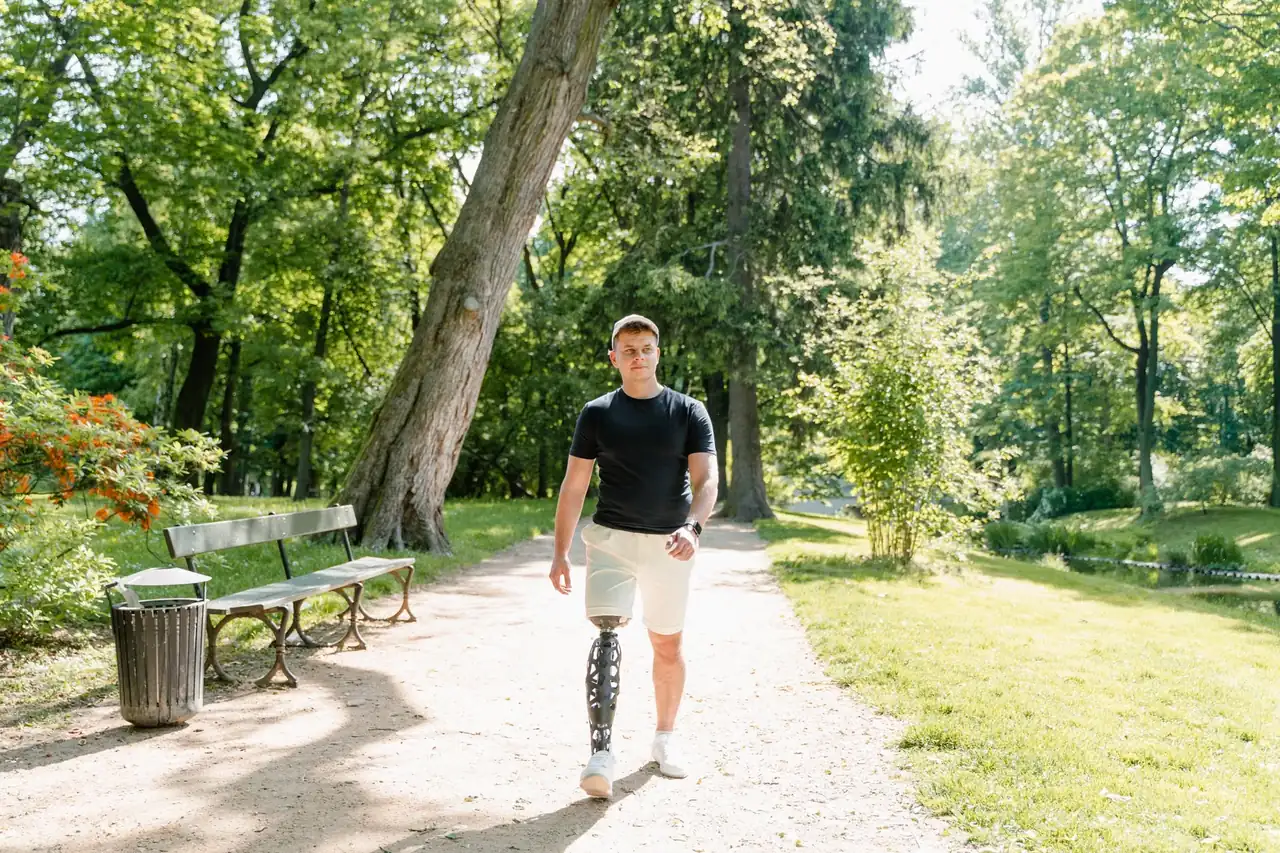
The popular saying about soreness and movement contains a grain of truth, but also a catch. Doing some light activity can ease delayed-onset muscle soreness and improve how recovered you feel, although repeating the same workout is not a universal solution. In running, hill sessions, intervals, or a long run after weeks off can leave your legs heavy and sensitive. Knowing the difference between active recovery and pushing the pace again is crucial.
The discomfort that appears between 8 and 48 hours after intense effort is known as delayed-onset muscle soreness, or DOMS for short. It is not a sign that the body is breaking down, but that the muscle has undergone a stimulus it was not yet adapted to. That is why soreness does not go away by doing more exercise in the literal sense of training the same way or harder; it eases when the body receives light movement, enough rest, and time to adapt to the effort.
Why the legs hurt so much the next day
The most accepted explanation no longer has anything to do with the old story of lactic acid crystallizing in the muscle. Today it is known that soreness is mainly due to microtears and tension in muscle fibers, with subsequent inflammation that activates pain receptors. The damage is small, self-limiting, and part of the adaptation process, but at the time it feels as if the body were walking around with stones in the calves.
The exercises most likely to cause it are those that include eccentric work, that is, when the muscle lengthens while bearing load. In running this happens, for example, on descents, during pace changes, or in a poorly dosed strength session. The more intense the stimulus or the more unusual it is for the person, the more likely that dull pain, stiffness, and temporary loss of strength will appear.
Fitness level also matters. Someone returning to activity after a break, someone trying a different discipline for the first time, or someone suddenly increasing mileage will usually notice the warning signs clearly. The body is not protesting out of caprice; it simply has not yet learned to tolerate that kind of load. And once it learns, the same session no longer produces the same effect.
How long it lasts and how it evolves
Soreness does not appear during the effort itself, but hours later. The most common is to feel it between 16 and 24 hours after exercise, with a peak in intensity around 24 to 48 hours. After that, the discomfort usually starts to subside little by little and, in most cases, resolves within five to seven days, although it can last a bit longer if the session was very demanding or if the person was not well trained.
The pain pattern also offers clues. First comes stiffness, then tenderness when touching the area and, in some cases, a kind of heaviness that makes every stride clumsy. There is usually no serious injury behind it if the discomfort appears gradually and affects a broad muscle group. That time course is one of the keys to distinguishing it from a strain, a severe muscle spasm, or a tendon injury.
In recreational runners, soreness is especially noticeable in the quadriceps, calves, glutes, and hamstrings. The body slows down, shortens the stride, and sometimes compensates in an awkward way. That change in pattern matters: when pain alters the way you move, the risk of overloading another area increases and it is wise to immediately ease off.
Active recovery does make sense, but with nuance
The saying that it goes away by moving is not entirely false, although it is often expressed too casually. Active recovery can improve blood flow, promote a feeling of lightness, and reduce the perception of pain. Walking, very easy cycling, relaxed swimming, or jogging at a conversational pace can help more than lying still on the couch for hours.
The detail lies in the load. This is not about repeating the same workout or forcing a muscle that is already fatigued as if discomfort were a medal. If the previous session was hard, the prudent choice is a much gentler stimulus, without strong impact and without training to failure. A short, comfortable run can be useful; a new round of uphill intervals, no.
In a running plan, that distinction is valuable because the urge to run again at the same intensity usually comes at a cost. Soreness does not dissolve through insistence, but through adaptation. Over the days and with the gradual repetition of the stimulus, the muscle learns to respond better and the same workout stops causing the same punishment. The real cure is adaptation, not repeated punishment.
When it is worth stopping and when it is enough to slow down
If the pain is mild or moderate, moving carefully is usually reasonable. The body benefits from circulation, the joint maintains its range of motion better, and the feeling of heaviness decreases. But if the discomfort is intense, limits normal walking, or significantly alters technique, the sensible choice is to rest or reduce the session to a minimum. There is no athletic virtue in turning a passing discomfort into an injury through overconfidence.
There is a simple boundary to recognize: soreness is uncomfortable, but still allows you to keep functioning; an injury, by contrast, usually hurts more sharply, can appear during exertion, and does not improve shortly after moving. If the pain is located in one exact point, if there is noticeable swelling, bruising, or a sudden stabbing sensation, the picture no longer fits textbook soreness. In that scenario, keeping training as if nothing were wrong is a bad idea.
Good judgment is not about enduring for pride’s sake, but about reading what the body is doing. A runner may perfectly well tolerate a very easy outing after a demanding session the day before, but perhaps not a long hilly run. The key is simple and at the same time difficult: use discomfort as a guide, not as a challenge.
What really helps relieve the pain
The most useful measures are usually modest, almost boring, but they work better than the miracle remedies that circulate online. A good warm-up before exercise prepares muscles and joints, and a cool-down with gentle movement helps the body lower its heart rate without abruptness. Afterward, light massage or myofascial release with a foam roller can provide subjective relief, although they do not always radically change the pain’s course.
Cold and heat still spark debate, because their effect depends on the person, the timing, and the intensity of the discomfort. Cold may provide initial relief if the area is very reactive; heat feels pleasant when stiffness is more prominent. Neither option magically erases soreness, but both can make the process more bearable if used with common sense and without exaggeration.
It is also worth not losing sight of painkillers and anti-inflammatory drugs. They can reduce discomfort in some cases, but they are not a way to train beyond reason day after day. Recovery is not bought in a pill or an ice pack; it is built with load management, sleep, sufficient food, and hydration. That is the ground on which the body repairs fibers and regains precision.
The role of rest, hydration, and food
Sugary drinks, baking soda, and other recipes inherited from sporting rumor do not have solid backing. Nor is there a food that reliably switches off soreness. What does help is eating and drinking properly so the muscle has energy and repair materials available. Protein is especially relevant because it takes part in rebuilding damaged fibers, and carbohydrates help the body replenish fuel.
Hydration does not eliminate pain on its own, but it does prevent the body from adding more discomfort to an already unpleasant situation. Running while dehydrated usually worsens the perception of effort and can leave the legs feeling drier and clumsier. In hot periods or after long runs, replacing fluids and salts becomes even more important. A well-hydrated body tolerates effort and repair better.
Sleep completes the picture. During the night, hormonal and tissue-repair processes that the body needs like air are consolidated. Sleeping too little does not cause soreness, but it can make it last longer and feel worse. In practice, the runner who strings together workouts with little rest, poor food, and accumulated stress is moving closer to chronic fatigue than to useful adaptation.
Why some runners barely notice it and others come out punished
The difference is usually in progressive exposure. Someone who trains regularly and doses the loads develops tolerance to the stimulus, just as someone who gradually adds mileage tolerates a week with more elevation gain better. In that context, the same workout stops being a surprise to the muscle. The body recognizes the pattern and no longer responds with the same inflammatory intensity.
The problem appears when enthusiasm and excess are mixed. Returning to running after months off, taking a strength class without control, or launching into a session with long descents can produce much greater muscle damage than a continuous run on flat ground. Eccentric exercise, precisely because it demands control while the muscle lengthens, tends to leave more of a mark in the form of next-day pain.
Technique also matters. A runner with poorer running economy or certain strength imbalances may load some areas more than others. That is why two people doing the same session do not always finish in the same state. Soreness is not a clean marker of effort, but a reflection of how that specific effort is tolerated.
The myths worth leaving behind
For years, people repeated that lactic acid was the main villain. Today that idea is outdated. Lactate is produced during exercise and serves useful metabolic functions; it does not remain there as painful crystals. The power of home remedies such as sugar water or certain supposedly healing formulas has also been exaggerated, when in reality they do not solve the underlying problem.
Another widespread myth claims that feeling soreness is a sign of an excellent workout. Not necessarily. A good workout is not measured by next-day pain, but by the right dose, progression, and the ability to recover. Turning suffering into the goal leads to major mistakes: too much load, worse technique, and a higher risk of injury.
Even stretching deserves nuance. Doing it gently after exercise can feel pleasant and help release tension, but it is not a foolproof vaccine. Aggressive stretching, especially on a muscle that is already sensitive, can worsen discomfort. At the end of the day, the message is sober: less ritual and more judgment.
Adaptation matters more than the popular slogan
The idea closest to reality is this: soreness usually decreases when the body learns to tolerate a specific load better. In that sense, it can indeed be said that movement is part of the solution, but not because pain is cured with more pain, rather because the body becomes more efficient. The next time, the same stimulus weighs less, like a backpack that once seemed like a boulder and later feels manageable.
In running this is seen clearly. A runner who starts strength training or adds hills for the first time may end up with aching legs, but after several weeks of progressive exposure those sensations tend to soften. The change does not come from heroics, but from intelligent repetition. The muscle adapts to what it is taught, not to what is forced on it with a hammer.
That is why the most sensible advice is not to flee exercise or chase pain. It is to stay active, but at lower intensity, respect hard days, accept that the body learns through doses and not shocks, and distinguish between expected discomfort and an injury that needs a different reading. In that balance lies the difference between progressing and dragging yourself along.
Running with sore muscles: when to move and when to rest
Soreness often develops hours after a hard or unfamiliar effort, such as hills, a strength session, or a longer run than usual. If you feel stiffness and a dull ache across several muscles, a walk or very gentle activity may make your legs feel less heavy. That does not mean the muscles have fully recovered, or that you should repeat the session that brought on the soreness.
Check how you move before heading out. If pain makes you shorten your stride, limp, or alter your running form, skip the run and choose rest or low-impact movement that does not aggravate it. If the discomfort is mild and your form feels normal, you could try a very easy, comfortable run, without hills, intervals, or pace targets. Stop if the pain gets worse as you move; do not try to make up missed miles.
Return to harder sessions when your legs are moving normally again, and build your training load gradually, especially after a break or when adding downhill running or strength work. Getting enough sleep and keeping up your usual food and fluid intake support overall recovery, but they will not make soreness disappear straight away. Severe or localised pain, pain that worsens or persists, or any symptoms that concern you should be discussed with a healthcare professional. Active recovery may ease stiffness; training harder is not a shortcut to adaptation.
When muscle pain is a warning and when it is just part of progress
Soreness is part of the normal landscape of sport, especially when there is novelty, excess, or a return after rest. It is not dangerous in itself and, in many cases, disappears without a trace. But it should not be romanticized either. It is a sign that the tissue has received a strong stimulus and that the next decision matters: slow down, move gently, and let the body do its work.
In a sport like running, where enthusiasm can push harder than prudence, understanding this nuance helps you train better. More exercise is not always the answer; better exercise, better dosed and better recovered, is. Progress usually comes through quiet accumulation, not through a daily war against the legs.
In the end, the body responds like a city repairing its streets after a storm: first it clears the way, then it reinforces, and later traffic flows more smoothly. Soreness is that freshly dug-up asphalt. Movement is necessary, yes, but so is letting the surface settle again before speeding up once more.
Medical reference: Muscle soreness after exercise, Cleveland Clinic.



How to prevent thigh chafing: causes and real solutions

Women’s running windbreakers: seven jackets and how to choose

Do more workouts get rid of soreness? A guide for runners

Jaén Half Marathon 2026: Record 3,800 Runners Registered

Men’s short running tights: how to choose the right pair

World Triathlon confirms data breach involving medical data

Izan Edo targets podium at Miyazaki World Cup

María Pérez ranks ninth in World Athletics’ 2026 top ten

Dos Santos, Duplantis and Sawe: World Athlete of the Year finalists

San Silvestre Vallecana 2026: 42,000 places, prices and start times

 Races3 months ago
Valencia Half Marathon 2027: date and registration

 Races3 months ago
Valencia Marathon 2026: entry, ballot and course

 Reviews and Comparisons4 months ago
Asics Gel-Roadmiles 3 for men: review and current price

 Reviews and Comparisons4 months ago
Asics Gel Sonoma 8 Gore-Tex: complete analysis for trail and rain

 Sneakers3 months ago
Saucony Endorphin Pro 4: full review and verdict

 News5 months ago
Strava API 2026: what changes for clubs, challenges and runner apps?

 Reviews and Comparisons5 months ago
Nike Alphafly 3: opinions, sensations, and real key points

 Reviews and Comparisons4 months ago
Under Armour running shoes review 2025-2026: models and key features

 Sports Equipment4 months ago
Shoe sizes in cm: a clear guide to getting the right fit for your footwear

 Sneakers3 months ago
Skechers GO RUN Consistent 2.0 analysis: comfort and limits

 News5 months ago
Valencia Marathon 2026 route: key tips to train and run better

 Sneakers4 months ago
Adidas Adizero Boston 13 for men: review and verdict