Reviews and Comparisons
The best hiking boots of 2026
Complete guide to choosing the right trekking boots: fit, grip, waterproofing, weight, and standout models.

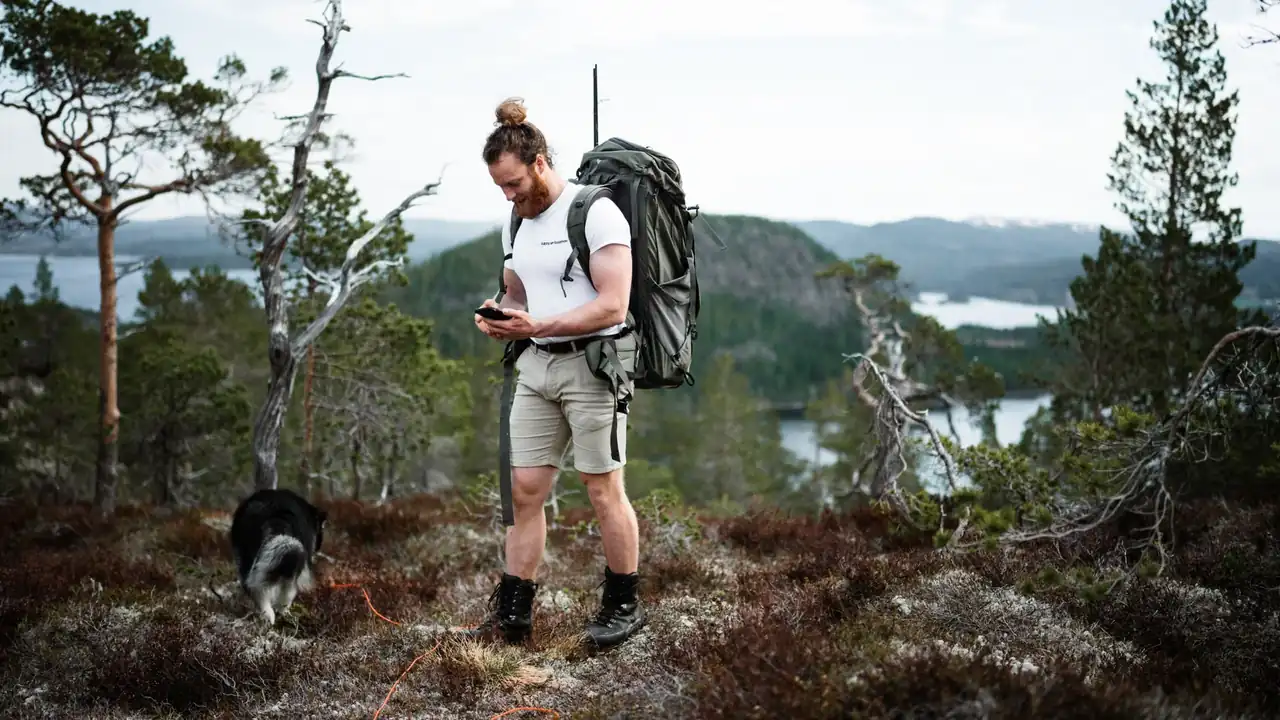
In the mountains, footwear does not behave like just another accessory, but as the foundation of the day. A well-chosen boot cushions, stabilizes, and protects precisely when the terrain becomes less forgiving: loose rocks, mud, long descents, or a backpack that starts to weigh more than expected. That is why, in 2026, the comparison between models is not only about the brand, but about how each boot responds when the trail stops being flat and becomes serious.
The selection that follows is based on what today separates reliable trekking boots from those that fall short: waterproof membranes, grippy outsoles, mid-height shafts that support the ankle, and materials that stand up without turning every step into a burden. There is no perfect model for everything, but there are options that shine for comfort, traction, durability, or balance between price and performance.
The mountain boots that best solve each type of route
When an outing gets longer, the foot appreciates two things above all else: enough room and a stable stride. That is why models like the Merrell Moab 3 Mid GTX continue to rank among the market’s benchmarks. Their greatest virtue is immediate comfort, reinforced by a cushioned midsole, removable EVA insole, and a Vibram outsole that combines grip, flexibility, and durability. They work well on easy routes, multi-day treks, and mixed terrain where reliability is sought without excessive stiffness.
Columbia offers a very different proposition with its Redmond III Mid Waterproof. These are lightweight boots, comfortable from first wear, with a classic cut that does not require a long break-in period. The Omni-Tech membrane provides waterproofing and reasonable breathability, while the multidirectional lug outsole improves stability on changing surfaces. They are not trying to dazzle with technical excess; their value lies in handling intermediate-difficulty outings well, with a sense of ease that many hikers appreciate.
One step up, on terrain that demands more precision, appear the Columbia Peakfreak II Mid Outdry and the CMP Rigel Mid. The former gain traction thanks to a new lug pattern and improve fit with a more effective lacing system, something that becomes noticeable when the route mixes dry areas, wet patches, and the occasional slippery step. The Rigel Mid, for their part, stand out for their value for money and for very complete protection: mid-height shaft, toe and heel reinforcements, Kevlar band, and Waterproof membrane. They are the kind of boots that convey solidity without requiring a disproportionate outlay.
At the extreme end of the more demanding outings, the Salewa Mountain Trainer Mid GTX earns its place on merit. Its design combines lightness, protection, and very well-resolved support thanks to the 3F system, which connects the outsole, instep, and heel to provide more stability. With Gore-Tex, a Vibram outsole, and construction designed for technical terrain, it is a boot that performs especially well when the path requires going up and down for hours without room for hesitation. It is not cheap, but it is one of those that justify its price with real-world behavior on the trail.
Waterproofing, outsole, and fit: what really separates a good purchase from a bad one
The waterproof membrane remains one of the most important filters. Gore-Tex, Outdry, Omni-Tech, or Isotex appear in many models, but not all membranes offer the same balance between protection and breathability. On cold routes, with puddles, wet grass, or soft snow, waterproofing makes a clear difference. By contrast, for dry summer outings, a boot that is too closed can end up accumulating heat and internal moisture, an uncomfortable combination that appears sooner than expected.
The outsole deserves the same attention. It is not only the tread pattern that matters, but also the hardness of the rubber, the depth of the lugs, and how it behaves on wet surfaces. Vibram outsoles often appear in mid- and high-end models because they offer a very solid combination of traction and durability. On compact stone routes or sloped trails, an outsole that is too soft may grip well at first but wear out sooner; one that is very hard may last longer, though it may feel less forgiving underfoot. The balance is there, in that middle ground where the step becomes secure without feeling clumsy.
Fit is probably the most underrated element. An excellent boot on the spec sheet can become a problem if it squeezes the forefoot or slips at the heel. It is advisable to leave an approximate margin of one centimeter at the toe so the foot can expand during the hike and, on descents, does not hit the front. It also helps to try them on with your usual hiking socks, because thickness changes the real perception of fit. In practice, a good boot should hug without constricting, support without immobilizing, and allow a natural stride even when fatigue begins to set in.
Weight also matters more than it may seem. On long routes, a few extra grams are felt as if they were added at the end of every kilometer. Models like the La Sportiva Ultra Raptor II Mid GTX or the Salomon X Ultra 5 Mid GTX favor agility, while options like the Salomon Quest 4 GTX or the Scarpa Terra GTX prioritize robustness and protection. Choosing between lightness and structure is not an aesthetic question; it is deciding what kind of fatigue you want to avoid first.
Lightweight, technical, and occasional-use models: one mountain does not ask the same of every foot
Fast routes and days when the goal is to keep moving rather than carrying weight usually appreciate boots that are restrained in weight and have a fluid stride. That is where options like the La Sportiva Ultra Raptor II Mid GTX fit well, with a lightweight structure, good shock absorption, and lugs that perform reliably on technical terrain. The same goes for the Salomon X Ultra 5 Mid GTX, more stable than their appearance suggests, with a precise fit and a chassis that limits torsion without turning the boot into a block.
Those seeking more protection and durability tend to look toward more substantial models. The Salomon Quest 4 GTX are a clear example: robust, very stable, waterproof, and designed for those who prioritize safety over lightness. They are boots that inspire confidence on long descents, difficult passages, and treks with a heavy backpack. They pay for that level of protection with a bit more weight and greater stiffness in the cold, but on demanding routes they behave with authority.
In the leather category, the Scarpa Terra GTX preserve the charm of classic materials well executed. They are warm, durable, and with a Vibram outsole that gives a sense of control even on wet surfaces. Their main takeaway is clear: they work best when the weather is cool and the terrain calls for a solid boot that will stand the test of time. Their breathability is not their strong point, but that same character makes them highly capable in cold or unstable conditions.
There are also models that have built their reputation on balance. The Merrell Moab 3 Mid GTX combines comfort, versatility, and solid construction, making it very easy to recommend for someone who wants a boot that works for almost everything without being too specialized. It is not the most aggressive in grip or the lightest in the group, but it is one of the most coherent choices for general hiking, weekend getaways, and frequent use without too much fuss.
The brands that have best refined design for hiking and trekking
Salomon keeps appearing in almost any serious conversation about mountain footwear because it has learned to combine stability, fit, and performance without resorting to heavy solutions. Its models usually respond well when terrain changes quickly, which is very valuable on routes where compact trails, loose rock, and descents with accumulated fatigue alternate. That combination of control and lightness has made the brand a reference for users who want security without feeling trapped by a rigid boot.
La Sportiva, by contrast, maintains a more alpine and technical identity. Its boots tend to be precise, durable, and very aware of the demands of the terrain. They are not trying to please everyone, but to perform well where others fall short: approaches, mid-mountain terrain, easy ridgelines, and paths where the foot needs firmer contact with the ground. In that same vein, Salewa and Scarpa share a similar view of the mountain as a place of demand, with robust materials and support solutions that do not hide their technical vocation.
Merrell, Columbia, and CMP represent a more accessible approach to hiking. These are brands that often prioritize comfort, versatility, and more contained prices, which is very useful for those who go out moderately often or do not need an alpine-profile boot. Columbia has worked very well on waterproofing and lightness; CMP often stands out for convincing value for money; Merrell has turned all-day comfort into a very recognizable hallmark.
Hoka, although better known in other areas of sports footwear, has gained ground in hiking thanks to its generous cushioning and a very distinctive feeling of propulsion underfoot. Its models are not always the most compact or the most classic-looking, but on long, steady routes they offer a forgiving stride that reduces the feeling of accumulated punishment. It is a different way of understanding the mountain, closer to sustained comfort than to the toughness of the traditional boot.
What to look at before buying: mountains, weather, and real use
The choice begins long before comparing labels. Someone who walks on dry, well-marked trails does not need the same construction as someone who crosses mud, snow patches, or broken rock. Nor is it the same to use boots a handful of times a year as it is to wear them on long outings every week. Real use is what matters, and when that is not clear, it is wise to stick with a middle-ground profile: mid-height shaft, reliable outsole, reasonable waterproofing, and a weight that does not tire you out too soon.
Shaft height still makes sense. A mid-height shaft protects the ankle better and gives a greater sense of stability, especially if you are carrying a backpack or walking on uneven ground. Low-cut boots can feel more agile, but mid-height remains the most balanced format for general hiking and trekking. If the route goes into technical terrain, with loose rock or difficult passages, that extra ankle support is appreciated much more than it may seem in the store.
It is also worth distinguishing between boots designed for warm weather and warmer models. Not all waterproof boots are suitable for summer, just as not all lightweight boots offer enough protection when the weather turns. Some boots breathe better because they use mesh and synthetic fabrics; others rely on leather or more closed membranes and feel safer in the cold. The right choice is not the one that promises the most, but the one that fits the season and frequency of use.
In that decision map, small details matter as much as the brand name. A reinforced toe cap protects against impacts with rocks, a heel reinforcement improves stability, and a gusseted tongue keeps mud or grit from getting in. They are discreet elements, almost invisible at first glance, but on the mountain each one can prevent an annoyance that, ten kilometers later, no longer seems small.
The mountain boots that best balance safety and comfort continue to win
The 2026 market shows a clear trend: the best boots are not necessarily the toughest or the most spectacular, but those that find the right balance between protection, grip, and comfort. On some routes, that balance is called Merrell Moab 3 Mid GTX; on others, Salewa Mountain Trainer Mid GTX; on others, Salomon Quest 4 GTX or La Sportiva Ultra Raptor II Mid GTX. Each responds to a different type of use, and that is the key to a successful purchase.
The mountain does not reward excess, but coherence. Someone who goes out occasionally may value more a comfortable model that feels good from day one; someone who walks often will appreciate a more durable boot; someone seeking speed will prioritize lightness; someone carrying weight will want stability above all else. The best mountain boots, in the end, are the ones that disappear from your awareness during the hike because they do their job without complaint. When that happens, the trail feels lighter, the descent hurts less, and the foot stops being a concern and becomes a natural part of the journey.
Este artículo contiene enlaces de afiliado: si compras a través de ellos, se genera una pequeña comisión sin coste adicional para ti. Más información.



How to prevent thigh chafing: causes and real solutions

Women’s running windbreakers: seven jackets and how to choose

Do more workouts get rid of soreness? A guide for runners

Jaén Half Marathon 2026: Record 3,800 Runners Registered

Men’s short running tights: how to choose the right pair

World Triathlon confirms data breach involving medical data

Izan Edo targets podium at Miyazaki World Cup

María Pérez ranks ninth in World Athletics’ 2026 top ten

Dos Santos, Duplantis and Sawe: World Athlete of the Year finalists

San Silvestre Vallecana 2026: 42,000 places, prices and start times

 Races3 months ago
Valencia Half Marathon 2027: date and registration

 Reviews and Comparisons4 months ago
Asics Gel-Roadmiles 3 for men: review and current price

 Races3 months ago
Valencia Marathon 2026: entry, ballot and course

 Reviews and Comparisons4 months ago
Asics Gel Sonoma 8 Gore-Tex: complete analysis for trail and rain

 Sneakers3 months ago
Saucony Endorphin Pro 4: full review and verdict

 News5 months ago
Strava API 2026: what changes for clubs, challenges and runner apps?

 Reviews and Comparisons5 months ago
Nike Alphafly 3: opinions, sensations, and real key points

 Reviews and Comparisons4 months ago
Under Armour running shoes review 2025-2026: models and key features

 Sports Equipment4 months ago
Shoe sizes in cm: a clear guide to getting the right fit for your footwear

 Sneakers3 months ago
Skechers GO RUN Consistent 2.0 analysis: comfort and limits

 News5 months ago
Valencia Marathon 2026 route: key tips to train and run better

 Sneakers4 months ago
Adidas Adizero Boston 13 for men: review and verdict