Reviews and Comparisons
Best sports supplement brands for runners
Keys to distinguish reliable brands and which names stand out for quality, price, purity, and control.

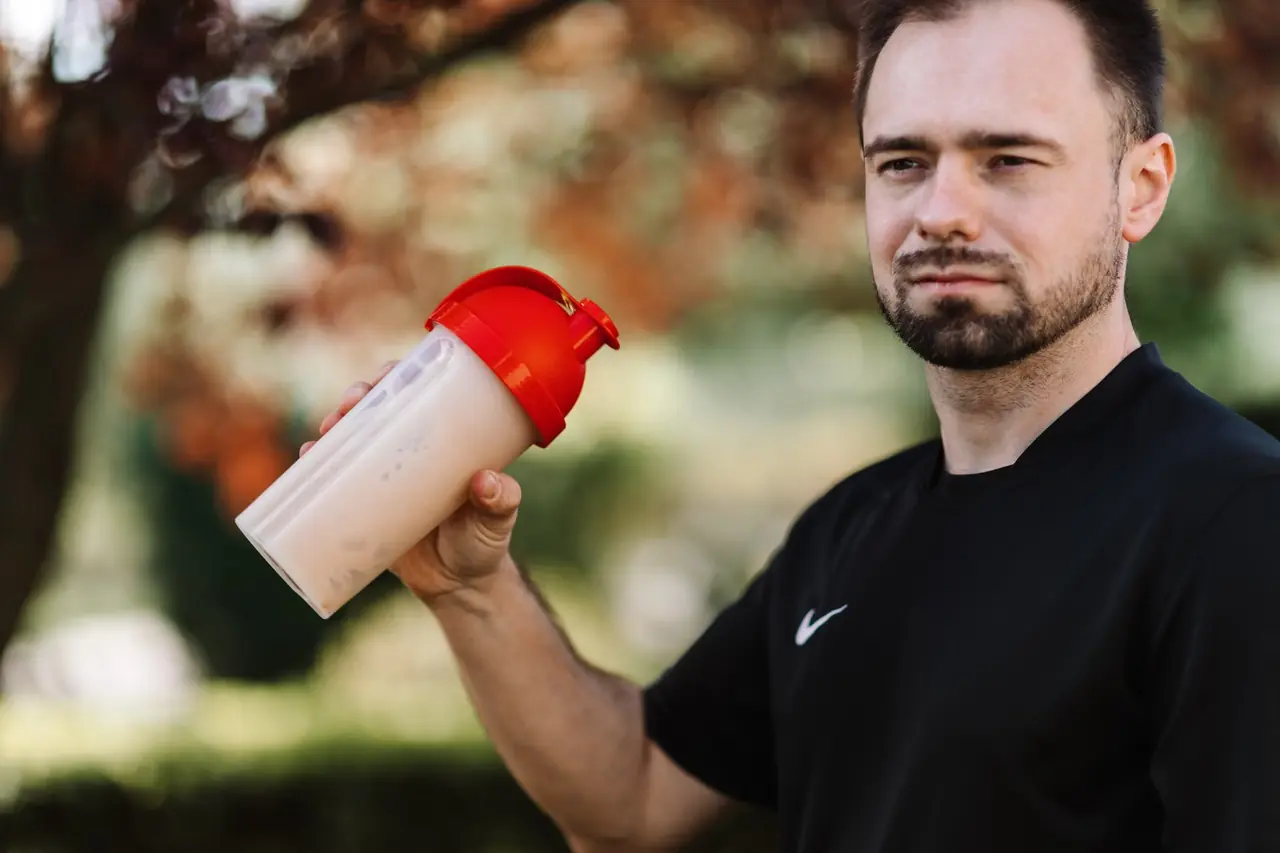
Spain’s sports nutrition market no longer looks like a narrow aisle with few options and a lot of noise. Established brands with decades of experience, newer firms with aggressive marketing, and domestic manufacturers that have gained ground in quality, price, and variety now share the market. For runners, whether they are heading out for an easy run, a long training session, or a race, that wider choice makes one thing clear: choosing carefully matters more than ever.
The difference between a useful tub and a mediocre one is rarely in the color of the container. It shows in label transparency, raw materials, digestibility, and manufacturing control. In a sector where protein, creatine, electrolytes, and pre-workouts have become everyday staples, the best brands are not just the most visible ones; they are the ones that back their product with consistency, traceability, and formulas that hide less than they show.
What distinguishes a trusted brand in sports nutrition
The first sign of reliability is on the label. A solid brand does not hide behind vague formulas or proprietary blends that make it impossible to know how much each ingredient really contributes. Clarity in composition is a practical indicator of seriousness, and that applies to monohydrate creatine as much as it does to whey protein or a vitamin and mineral complex.
The quality of the process also matters. In this sector, certifications such as GMP, IFS Food, ISO 22000, or third-party testing are not decorative; they help reduce the risk of contamination, inconsistent batches, or raw materials of low purity. They do not guarantee perfection, but they do raise the minimum level of trust. For an athlete who trains often, that detail matters as much as flavor or price per serving.
Reputation, finally, is built over time. There are international brands with enormous weight thanks to their track record, but there are also Spanish firms that have grown in step with a more informed demand. In Spain, consumers no longer buy only on tradition or advertising; they compare grams per dose, protein type, raw material origin, and ease of digestion. That shift has raised the overall level of the market.
The brands that have shaped the sector in Spain
Among the most established names is NutriSport, a veteran brand that since the 1980s has tied its image to a broad catalog of protein, bars, gels, and energy drinks. Its historical value is significant: it was one of the brands that helped normalize sports supplementation in a country where domestic products had little visible presence for years. Its range has fit well with very different profiles, from gym users to endurance athletes.
Another national reference is HSN, which has secured a relevant position through an uncommon combination: in-house manufacturing in Spain, investment in quality control, and a very competitive pricing policy. Monohydrate creatine, proteins, and everyday basic formats have driven its growth. Its model is best understood through a modern industrial logic: fewer intermediaries, more control, and a quality-to-price ratio that has pressured the rest of the market.
Quamtrax, Vit.O.Best, BigMan, Perfect Nutrition, Nutrytec, Ultimate Stack, Best Protein, and MTX are part of the map that has given consistency to the Spanish sector. Not all have grown at the same pace or pursued the same strategy, but they do share one reality: they have shown that from Spain it is possible to compete with solid formulas, broad ranges, and increasingly professional distribution. In a market that used to look almost always outward, that shift has been decisive.
What major international brands bring to the table
Foreign brands still carry enormous weight. Optimum Nutrition remains a symbol of stability thanks to its Gold Standard 100% Whey, a protein that has set a benchmark for consistency, mixability, and quality control. It is not usually the cheapest option, but it is one of the most recognizable when users want to minimize surprises. Its reputation depends not only on the name: it also comes from a product that has remained stable over time.
In the same conversation are MyProtein, Scitec Nutrition, BSN, Dymatize, Amix Nutrition, and Animal Pak. MyProtein stands out for variety and catalog breadth, which appeals to those who want flavor choices, formats, and vegan options or products without certain allergens. Scitec has gained a very strong position in Europe thanks to its huge range of flavors and products. BSN remains associated with powerful pre-workouts and highly refined textures. Dymatize shines in fast-absorbing proteins such as ISO100, and Animal Pak retains a unique place in very complete multinutrient products.
In practice, these international brands have pushed the rest to raise their standards. They have normalized more visible processes, better aromas, more options for intolerances, and more polished commercial communication. In return, they have also intensified a very aggressive marketing battle, where packaging and brand awareness sometimes try to occupy the place that should belong to the actual composition. That is where the attentive reader separates noise from substance.
Which brands suit each type of athlete best
For a runner who only wants to sustain training and recover better, the priority is usually not the flashiest shake. A simple protein, reliable creatine, and, in long sessions, well-formulated electrolytes or carbohydrates often have more value than a loud pre-workout. In that area, brands such as HSN, NutriSport, 226ERS, or Vit.O.Best have found room thanks to their practical focus and direct response to real performance needs.
The gym or strength profile, on the other hand, tends to pay more attention to whey proteins, weight gainers, creatine, and pre-workout formulas. There, brands such as Optimum Nutrition, Amix, BSN, Scitec, or Quamtrax stand out, along with Spanish proposals with strong market penetration. The most useful difference is not in abstract promises, but in how the supplement responds to everyday use: digestion, taste, ease of mixing, tolerance, and accumulated cost month after month.
There is a third group, increasingly important: those looking to manage weight, support recovery, or simply complement an irregular diet. In that segment, cleaner formulas, whey isolates, products with no added sugars, and basic supplements with readable labels are gaining ground. You do not need dozens of ingredients to solve a specific problem; often, what is most useful is precisely what is least overloaded.
Spanish brands that have gained credibility
The perception that products made in Spain compete in a second tier no longer fits the reality of the market. HSN, NutriSport, Quamtrax, Vit.O.Best, Nutrytec, and BigMan have shown that it is possible to work with serious standards, applied research, and broad distribution. In some cases, product development has also become more sophisticated than that of many firms that rely on a strong label and little else.
Nutrytec, for example, has invested heavily in R&D, while Vit.O.Best has consolidated a broad presence with products aimed at different types of athletes. Quamtrax has worked with a more sports-focused and highly recognizable image in gyms, and BigMan has managed to combine innovation with a range that sits between recreational users and demanding athletes. They are not secondary names; they are part of the real growth of sports nutrition in the country.
It is worth keeping one key detail in mind: domestic manufacturing does not automatically mean better quality, but it can facilitate traceability, logistics control, and a faster response to the market. In a time of tight costs and consumers who are highly attentive to price per serving, that industrial proximity has given more than one Spanish brand an advantage.
What to look at before buying protein, creatine, or a pre-workout
Protein remains the most universal product, but even there there are differences that change the user experience. A whey concentrate is usually more affordable and enough for many athletes, while an isolate provides less lactose and usually sits better with those who have sensitive digestion. If the goal is comfortable recovery, digestive tolerance matters just as much as the protein percentage. A good brand does not just deliver grams; it also avoids unnecessary discomfort.
Creatine works differently. When the ingredient is pure and properly dosed, the brand matters less than it does in other complex products. Even so, quality control and the absence of absurd fillers still matter. Monohydrate creatine has earned its reputation for a very simple reason: it is effective, inexpensive per dose, and useful for intense repeated efforts. In that product, sobriety usually beats pyrotechnics.
Pre-workouts, by contrast, are another world. There, the difference between a serious formula and a mix with too much caffeine or redundant actives becomes more obvious. Some brands pay attention to dosing, while others confuse intensity with effectiveness. In a pre-workout, more is not always better. Too much stimulants can turn a productive session into an unpleasant experience, with a racing heart, nervousness, or poor sleep afterward.
The real weight of price in an increasingly competitive market
The price war has transformed online sports supplement shopping in Spain. Stores such as HSN Store, MasMusculo, Nutritienda, Zumub, Bulevip, FitnessKit, or Amazon have pushed the market toward frequent deals, promotions, and large-format products. That has forced brands to compete not only on prestige, but also on cost per serving and ease of access. For consumers, the digital channel has become almost as decisive as the brand itself.
But a low price does not always equal a good purchase. In a daily-use product, cost should be measured per dose, not by container size. A cheap protein with lower usable concentration can end up costing more in the long run than a slightly more expensive option that is better formulated. The correct comparison is not between containers, but between useful grams, digestibility, and batch reliability.
That point explains why many brands have refined their catalogs. They have reduced confusing formulas, created sugar-free versions, launched vegan formats, and improved flavors. The market no longer forgives a rough product as easily. What used to be enough with a muscular label now also needs a reasonable, almost everyday user experience: that it dissolves, that it does not feel heavy, and that it fits into the routine without fighting it.
The importance of endurance, the gym, and overall health
The discussion about sports supplements often gets trapped in the image of the gym, but real use is much broader. The endurance runner, the person who combines work and training, or anyone who walks and runs several days a week are also part of the same market. The needs change, of course: in endurance, hydration, carbohydrates, and gastric tolerance matter more; in strength, protein and creatine; in general health, micronutrients and dietary consistency.
That is why some brands have gained ground in specific segments. 226ERS and Nutrinovex, for example, have connected very well with the endurance world. Others, such as Animal Pak or Supradyn, perform better in the multivitamin and general support space. There is no universally perfect brand; there is one that is more suitable for each context, and that adaptation is worth more than any slogan.
At bottom, the sector’s expansion in Spain reflects a cultural normalization. It is no longer just about bodybuilding or aesthetic goals. Supplementation has become a support tool for broader sports habits, as long as it is used with judgment and does not replace what is essential: nutrition, rest, and well-planned training. That order does not change even if the market keeps growing strongly.
What runners should look for in a supplement brand
For runners, choosing among the best sports supplement brands is not about buying whatever gets the most attention. The label should make it easy to understand what is in the product and how much it contains. Be wary of vague blends or claims that suggest a supplement alone can boost performance. Check the information available about manufacturing and quality controls, too, and consider whether the product suits your intended use: protein to complement your diet, an electrolyte drink, or fuel for a long run.
Tolerance matters particularly when you are running. A gel, drink, or pre-workout that seems fine at home may feel uncomfortable during a hard session. If you choose to try a product, test it during training rather than for the first time on race day. Pay attention to digestive discomfort or other changes in how you feel, and do not force yourself to keep using something that does not suit you. If symptoms persist, seek advice from a healthcare professional.
Before buying, consider when and why you would use it. For easy runs, your usual diet may be all you need; for long sessions or races, some runners find portable products convenient. Compare ingredients, format, ease of carrying, and price without assuming that the most expensive or popular option is automatically the right one. Supplements do not replace a varied diet, recovery, or a training plan. If you have a health condition, take medication, or need to adapt your diet, ask a qualified professional for guidance.
A mature sector no longer bought on fame alone
Today’s reader has more information than ever, and that has forced brands to be better or, at the very least, more careful. The best brands are no longer necessarily the loudest ones, but the ones that present clean labels, clear processes, and products that deliver what they promise. In Spain, that shift has benefited both national companies and international references with a consistent track record.
The market picture is quite clear: NutriSport brings history, HSN competes on control and price, Quamtrax and Vit.O.Best sustain presence and catalog depth, Optimum Nutrition retains global status, MyProtein and Scitec dominate through variety, and brands such as Amix, BSN, or Dymatize still occupy a strong space thanks to formulas that have managed to stay relevant. The best supplement brand is not a single medal hanging on the wall, but the one that solves a specific need without disguising it.
That is, in the end, the criterion that separates a sensible purchase from an impulsive one. In sports supplementation, the pretty label lasts a moment; what remains is the quality the body notices in daily use, digestion, and consistency. And in an increasingly mature market, that difference is what matters most.
You may also like: The 10 best sports supplement brands in Spain.
Este artículo contiene enlaces de afiliado: si compras a través de ellos, se genera una pequeña comisión sin coste adicional para ti. Más información.



How to prevent thigh chafing: causes and real solutions

Women’s running windbreakers: seven jackets and how to choose

Do more workouts get rid of soreness? A guide for runners

Jaén Half Marathon 2026: Record 3,800 Runners Registered

Men’s short running tights: how to choose the right pair

World Triathlon confirms data breach involving medical data

Izan Edo targets podium at Miyazaki World Cup

María Pérez ranks ninth in World Athletics’ 2026 top ten

Dos Santos, Duplantis and Sawe: World Athlete of the Year finalists

San Silvestre Vallecana 2026: 42,000 places, prices and start times

 Races3 months ago
Valencia Half Marathon 2027: date and registration

 Races3 months ago
Valencia Marathon 2026: entry, ballot and course

 Reviews and Comparisons4 months ago
Asics Gel-Roadmiles 3 for men: review and current price

 Reviews and Comparisons4 months ago
Asics Gel Sonoma 8 Gore-Tex: complete analysis for trail and rain

 Sneakers3 months ago
Saucony Endorphin Pro 4: full review and verdict

 News5 months ago
Strava API 2026: what changes for clubs, challenges and runner apps?

 Reviews and Comparisons5 months ago
Nike Alphafly 3: opinions, sensations, and real key points

 Reviews and Comparisons4 months ago
Under Armour running shoes review 2025-2026: models and key features

 Sports Equipment4 months ago
Shoe sizes in cm: a clear guide to getting the right fit for your footwear

 Sneakers3 months ago
Skechers GO RUN Consistent 2.0 analysis: comfort and limits

 News5 months ago
Valencia Marathon 2026 route: key tips to train and run better

 Sneakers4 months ago
Adidas Adizero Boston 13 for men: review and verdict