Reviews and Comparisons
Brooks Caldera 6, the trail shoe for racking up miles in comfort
A maximalist trail shoe that bets on comfort, stability, and protection on long routes and less technical terrain.

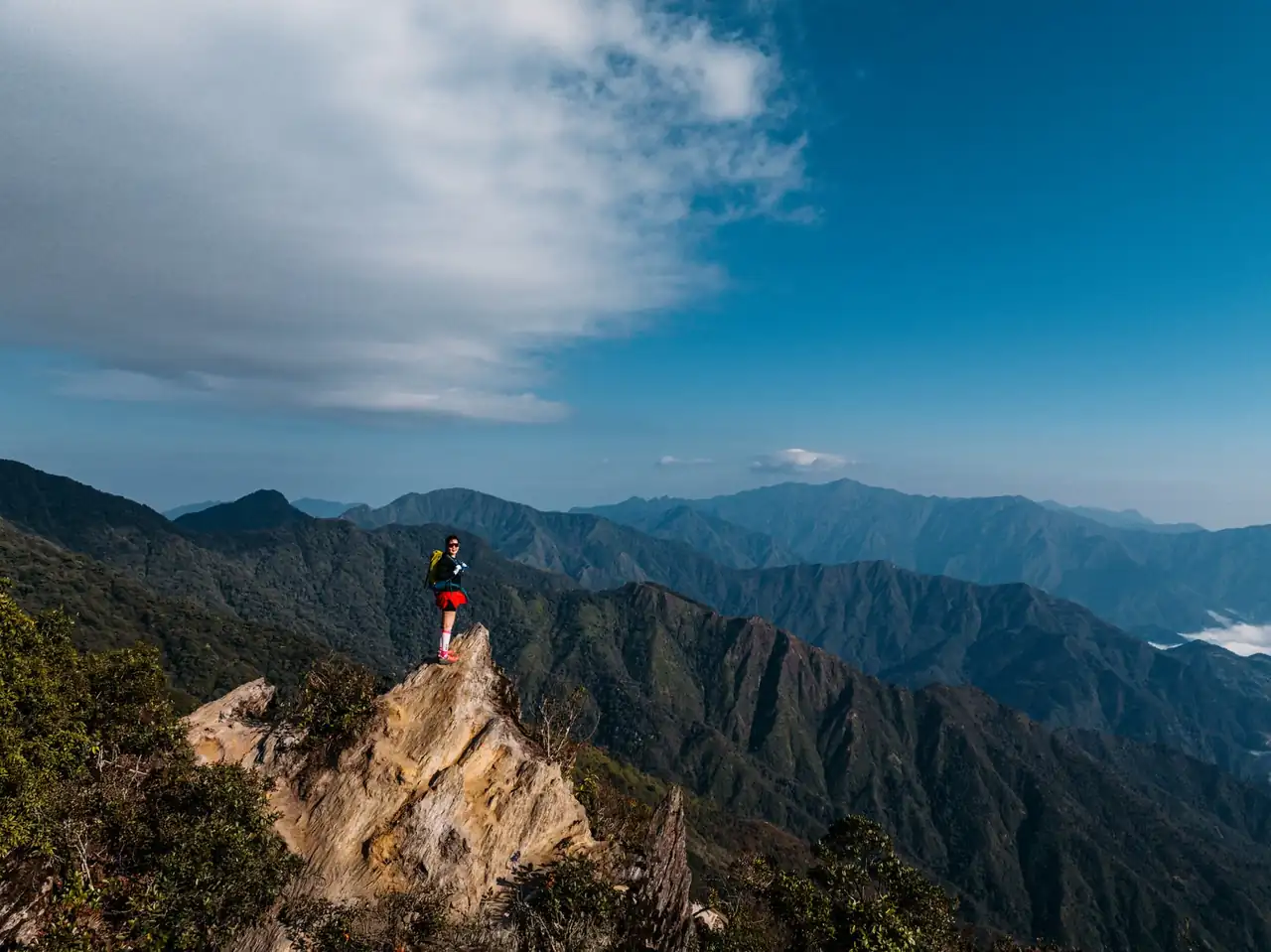
The Brooks Caldera 6 is one of those mountain shoes that don’t try to impress with agility, but with endurance over the miles. Its approach is clear: lots of cushioning, a wide base, and a forgiving ride for running long without the terrain taking too much of a toll. On tracks, compact trails, and mixed routes between dirt and asphalt, its behavior is especially convincing.
Brooks designed it for runners who value comfort over pure speed. The result is a maximalist-profile model, with a very high sense of protection and a soft feel that works well for straightforward ultras, long training runs, and days when the goal is to keep a steady pace. It’s not a shoe for improvising, but it is for moving forward with a kind of well-built calm.
A platform designed to support effort for hours
The first thing the Caldera 6 conveys is volume. The midsole is high, wide, and has a feel that is more like a firm mat than a soft, uncontrolled base. Brooks went with DNA Loft v3 foam, a nitrogen-infused blend that softens impact and adds a certain lightness compared with previous generations. That combination makes it a very solid companion for long outings, where fatigue usually shows up before the hunger for pace does.
Its geometry also explains its character. Lab measurements place the heel at 38.4 mm and the forefoot at 26.3 mm, with a real drop of 12.1 mm. That difference especially favors heel strikers and those looking to take some tension off the calves and soleus when the route gets longer. It’s not a low or naturalistic transition; it’s a guided ride, almost as if the foot were resting inside a small, stable channel.
That height doesn’t work alone. The platform is very wide, with 106.0 mm at the heel and 119.5 mm at the forefoot, figures that help distribute loads better and reduce the wobbling sensation often caused by other tall models. On simple trails, that width adds composure. On the other hand, when the terrain twists or narrows, the size starts to become more noticeable.
Soft cushioning, without losing control
The model’s big selling point is the midsole. DNA Loft v3 delivers a soft, but not sinking, feel, with a livelier response than its looks suggest. The lab durometer came in at 17.0 HA, a figure that confirms a clearly plush ride. In practice, that translates into a shoe that feels comfortable from the first minutes and especially pleasant when the session lasts longer than expected.
Protection from stones, roots, and small irregularities is high. The combination of height, generous foam, and raised sidewalls creates a kind of supportive bucket seat that holds the foot well. That idea of the foot being nestled in place, so typical of modern maximalist trail shoes, improves the sense of security and allows you to rack up miles with less muscular wear. It doesn’t work miracles, of course, but it does cushion with consistency.
There’s plenty of material in the forefoot too. That keeps the ride from feeling harsh when the terrain punishes more than usual and makes the transition smooth at moderate paces. The trade-off is obvious: it doesn’t invite you to speed up with enthusiasm or attack very broken descents. Its best version appears when the run keeps a steady cadence and the route gives you room to let it roll without too much strain.
Comfortable fit and better ventilation than it seems
The last feels roomy, but not sloppy. That balance matters in a shoe built for long efforts, because the foot tends to expand with heat and fatigue. The internal length measured in the lab was 274.1 mm and the forefoot width came in at 98.5 mm, a base that should suit many runners without squeezing too much or leaving a hollow feeling.
The big toe area is reinforced with TPU, so you shouldn’t expect a particularly flexible toe box. The good part is that the fit feels clear from the first wear. It doesn’t seem like a shoe that needs a long break-in period or a domestication phase. If it fits well right away, that feeling usually stays over the course of the runs, something very valuable on outings where you don’t want to be thinking about the footwear.
The Quick Air Dry upper is surprisingly breathable. At first glance, it might seem like a more closed upper than it really is, but the mesh lets air through quite easily and helps dissipate heat better than other, more armored trail models. In a highly protective trail shoe, that is no small achievement. The overall comfort also helps: the padding is well done and the interior gives off a pleasant feel, without annoying edges.
High stability for such a voluminous shoe
It’s not usual for a shoe with this much height to feel stable. Brooks has done notable work there. The Caldera 6 doesn’t just raise the midsole; it also builds generous sidewalls and a very wide support base that reduces collapse on landings. The foot sits down inside a structure that acts as a guide, not as a floating platform.
Torsional rigidity is very high, and you can feel it. In the lab it scored 5 out of 5, a figure that speaks of a shoe that is not keen on twisting. That firmness improves control and prevents the whole setup from deforming too much on uncertain landings, although in exchange it takes away some agility in tight, technical sections. It’s a very clear design decision: more composure, less liveliness.
The heel counter is also firm. While running, that helps hold the back of the foot well and maintain a secure ride when form starts to fade with fatigue. The overall effect is that of a shoe that transmits order. It’s not about dancing with the terrain, but about stepping with a fairly calm, almost silent confidence, like someone moving down a wide, well-lit corridor.
Enough grip for tracks, compact dirt, and mixed sections
The TrailTack outsole is designed for terrain that is less extreme than that of other pure trail shoes. Its 3.5 mm lugs and V-shaped pattern work well on compact paths, gravel, and simple trails. They also handle a short stretch of asphalt, which makes the model a reasonable option for door-to-trail routes, where the ground changes without much warning.
In dry conditions, the grip is convincing. The shoe responds securely both on support and on gentle braking, and that feeling is especially noticeable on long runs, where confidence in traction matters as much as lightness. It’s not an outsole designed for deep mud or very broken rock; there, its more rolling-oriented approach falls out of focus.
The durability of the rubber is one of its strengths. Abrasion tests left a very low wear mark, 0.6 mm, an excellent figure for a trail shoe. That matters more than it seems, because the long-distance runner isn’t just looking for immediate comfort: they also want that comfort to last. In that equation, the Caldera 6 outsole delivers solidly.
Weight, pace, and real running feel
At 315 grams in men’s size, it doesn’t belong in the lightweight group. It’s a shoe you can feel in the hand and also on the foot, although the foam helps keep that presence from turning into a brick-like sensation. Its natural terrain is long efforts and easy or moderate paces, where the body appreciates generous cushioning more than a nervous response.
It’s not a shoe for playing with pace changes. Anyone looking for a fast companion to race on technical routes or explosive descents will find more suitable options. The Caldera 6 works better when the runner adopts a stable, almost continuous stride and lets the shoe do its job of absorbing and guiding without asking it for too much improvisation.
The forefoot rocker helps make the transition smooth. It doesn’t turn the shoe into a reactive model, but it does help keep the ride from feeling stuck. That small mechanical aid is useful at the end of long runs, when fatigue makes it harder to push naturally. In that context, the Brooks doesn’t feel out of place: it accompanies, protects, and lets you keep going.
Protection and breathability coexist better than expected
One of Brooks’ successes is combining serious reinforcements with a relatively airy upper. In many trail shoes, more protection means more heat. Here the balance is better resolved. The TPU overlays protect the toe and key side areas well, but the mesh still lets air circulate quite freely, something useful on long outings and in mild weather.
The reinforced toe cap inspires confidence. Anyone who has suffered repeated small knocks against loose rocks knows that detail is not minor. The front end isn’t trying to be as flexible as a road shoe, but rather durable and with a certain robustness to handle the real abuse of the mountains. That approach is consistent with the rest of the model, which prioritizes longevity and protection over extreme lightness.
There are no reflective elements, and that’s worth keeping in mind. If you’re going to run near traffic or in low-visibility hours, the model itself doesn’t add extra help in that area. It’s a simple omission, but a relevant one in a shoe meant to accompany many hours of use. It also helps to know that its robust character doesn’t make it harsh: in overall feel, it remains a comfortable shoe, even a friendly one.
What kind of runner it makes the most sense for
The Caldera 6 fits very well with runners who prioritize comfort on long outings. Also with those who move from forest roads to short stretches of asphalt and need a shoe that doesn’t feel out of place in either world. Its mix of abundant cushioning, stable base, and durable outsole makes it a very logical option for endurance training.
It’s especially interesting for heel strikers and for those who want to reduce impact over long distances. The high drop, firm rear guidance, and wide construction all work in the same direction. That makes the model very rewarding when the legs start asking for a break. It’s not a shoe for fine sensations, but for clear protection and long mileage.
It may also appeal to runners who prefer a maximalist feel without falling into extremes that are too soft. There are models with more foam, yes, but not always with such a well-resolved structure. Here the key is that comfort is not disconnected from support. It feels like a big mountain armchair: high, comfortable, and built to stay a while, not to be in and out quickly.
Where it loses its place and in which scenarios it feels more limited
Its main limitation appears on technical and very broken terrain. Narrow trails, descents with loose rocks, deep mud, or frequent changes of direction are not the ideal landscape for this Brooks. The wide platform, which gives security on easy paths, can require more corrections and reduce precision in those scenarios. It doesn’t fail by concept; it simply wasn’t born for that.
It’s also not the ideal choice for running fast in the mountains. Its weight and size place it far from the most agile trail shoes on the market. If the priority is a lively response, a lower ride, or a feeling of continuous dynamism, there are alternatives better suited to that use. The Caldera 6 doesn’t compete on snap; it competes on endurance and consistency.
In complex sections, the reading is simple: it works, but it doesn’t shine. Where other models allow you to move with more precision, this one opts for stability and comfort even at the expense of agility. That is precisely why it fits so well on wide routes and so little on courses that demand constant turns or very quick feet.
A maximalist trail shoe that understands its role well
The Brooks Caldera 6 doesn’t try to be everything for everyone. And that’s where much of its appeal lies. It’s a coherent shoe, with a very defined personality, offering plenty of cushioning, a firm base, and an upper that’s more breathable than its looks suggest. In a market that often confuses lightness with versatility, this proposal reminds us that stacking up miles also requires rest for the foot.
Its value isn’t in dazzling, but in supporting. Supporting the stride, supporting comfort, and supporting protection when the session gets long. That’s why it works so well on easy routes, non-technical ultras, and endurance runs over changing but friendly terrain. It’s a shoe that does its job with a rather untheatrical seriousness.
For anyone looking for a big, stable trail shoe built to last many miles, it makes a lot of sense. For anyone who wants precision, lightness, and reactivity, not so much. That boundary is very clearly drawn, and knowing it is the best way to understand a shoe that, without making noise, has earned a clear place among Brooks’ long-distance options.
Este artículo contiene enlaces de afiliado: si compras a través de ellos, se genera una pequeña comisión sin coste adicional para ti. Más información.



How to prevent thigh chafing: causes and real solutions

Women’s running windbreakers: seven jackets and how to choose

Do more workouts get rid of soreness? A guide for runners

Jaén Half Marathon 2026: Record 3,800 Runners Registered

Men’s short running tights: how to choose the right pair

World Triathlon confirms data breach involving medical data

Izan Edo targets podium at Miyazaki World Cup

María Pérez ranks ninth in World Athletics’ 2026 top ten

Dos Santos, Duplantis and Sawe: World Athlete of the Year finalists

San Silvestre Vallecana 2026: 42,000 places, prices and start times

 Races3 months ago
Valencia Half Marathon 2027: date and registration

 Races3 months ago
Valencia Marathon 2026: entry, ballot and course

 Reviews and Comparisons4 months ago
Asics Gel-Roadmiles 3 for men: review and current price

 Reviews and Comparisons4 months ago
Asics Gel Sonoma 8 Gore-Tex: complete analysis for trail and rain

 Sneakers3 months ago
Saucony Endorphin Pro 4: full review and verdict

 News5 months ago
Strava API 2026: what changes for clubs, challenges and runner apps?

 Reviews and Comparisons5 months ago
Nike Alphafly 3: opinions, sensations, and real key points

 Reviews and Comparisons4 months ago
Under Armour running shoes review 2025-2026: models and key features

 Sports Equipment4 months ago
Shoe sizes in cm: a clear guide to getting the right fit for your footwear

 Sneakers3 months ago
Skechers GO RUN Consistent 2.0 analysis: comfort and limits

 News5 months ago
Valencia Marathon 2026 route: key tips to train and run better

 Sneakers4 months ago
Adidas Adizero Boston 13 for men: review and verdict