Reviews and Comparisons
Cheaper carbon plate running shoes: real options
Competition and hybrid models with a good price-performance ratio, cost ranges, and key tips to avoid overpaying.

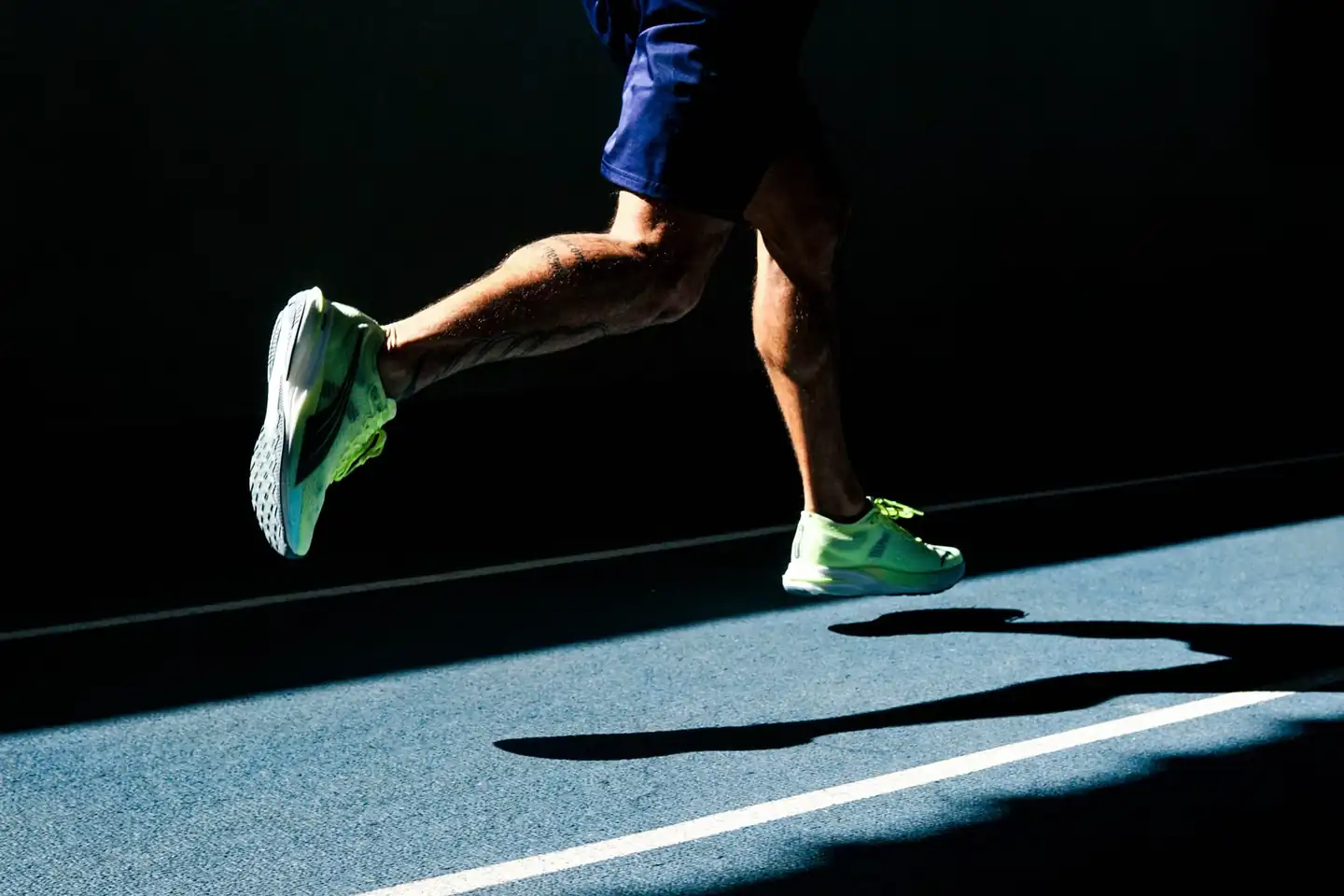
The super-shoe market no longer lives only in the €250 range. In 2026 there are carbon-plated models that lower the bar quite a bit, especially when official prices are compared with one-off deals from major retailers and with the appearance of more sensible offerings from brands like Joma, Nike, Saucony, Puma, Skechers or Adidas. Even so, cheap in this segment does not mean inexpensive in absolute terms: most serious options move between €120 and €200, and the most ambitious ones still exceed €220.
The key is to distinguish between a carbon-plated shoe that is truly valid for racing and one that only uses the tech as a marketing hook to seem fast. In running, price matters, but so do the foam, geometry, weight and the use it was designed for. A good buy is not the flashiest one, but the one that offers enough responsiveness, stable fit and reasonable durability without sending the bill through the roof. That is where several models start to stand out as they have closed the gap with Nike and Adidas benchmarks.
The price range where real value actually appears
The most affordable carbon-plated shoes are not usually the most radical on the market, but they are the smartest for many runners. Most truly interesting models sit in a price band ranging from €127 to €199 if you look at the Spanish market and the usual online retail deals. Below that floor you find entry-level models, very basic versions, or pairs that are less consistent in performance, while above €220 come the premium pure-racing bets.
In that middle range, a very useful reality emerges for everyday runners: you do not need to pay the market ceiling to notice a clear improvement at fast paces, long intervals or in 10K, half marathon and, in some cases, marathon races. The savings compared with a top-of-the-line model can be around €60 to €130, an important difference if the shoe will only be used in competitions or very specific sessions.
It is also worth looking at the market with a cool head. Many times the launch price does not tell the whole story. A model priced at €179.99 can end up showing up in stores for €149 or €129, while a super-shoe priced at €250 or €280 rarely drops that far unless it is part of very specific clearance sales. In a segment where durability often ranges from 300 to 400 kilometers in many cases, every euro counts.
Which models adapt best to the price landscape
Among the options with the best balance between cost and performance, the Saucony Endorphin Pro 4 remains one of the smartest buys. Its official price usually sits around €225, a little more contained than the most expensive references, and it offers very smooth transitions, responsive foam and fairly stable behavior for what this segment usually is. It is not the most explosive, but it is one of the most well-rounded for anyone who wants to race without buying a finicky shoe.
On a similar rung, the Hoka Rocket X3 moves around €250, although its real value appears when you want a carbon shoe that is not only for race day. It is more versatile than other rivals, with a less extreme feel and a base that is sensible enough to alternate quality workouts and racing. It is not the cheapest on the price tag, but it is one of the models that best amortizes the investment if used wisely.
Lower down on the map appears a very interesting piece in terms of market price: the Joma R-3000. In comparisons and online stores it has been seen around €127 to €180, depending on version and purchase timing, and that places it among the most accessible carbon-plated alternatives from a Spanish brand with racing experience. Its proposition does not aim to dazzle with gimmicks, but to offer lightness, responsive foam and a clear approach to running fast without paying the premium of the most elite lines.
The most serious entry-level option for not overspending
If the goal is to enter the carbon world without crossing the psychological barrier of €200, the Joma R-3000 stands out as one of the most logical candidates. Its combination of a responsive midsole, Endoplate and 8 mm drop works well for runners who want a straightforward, direct racing shoe without too many embellishments. It is not a lab missile, but it is a solid tool for fast paces.
The model’s own technical description points to a lightweight runner profile looking to improve times in middle and long distances. The weight figure, around 276 grams in the listing circulating in the market, does not place it among the lightest in the international catalog, but it is among the most reasonable when the price drops sharply. In practice, that difference is offset by a stable construction and a high-density rubber outsole that helps limit wear.
The great virtue of this kind of model is that it avoids a common trap: buying an extreme super-shoe without yet having the speed or technique to take advantage of it. In that case, the expensive purchase becomes an inefficient investment. A more affordable and less radical option makes it easier to enter the plated universe with less financial risk and a gentler adaptation curve.
When the official price is more misleading than helpful
The price tag does not always reflect the real cost of the purchase. On Amazon and other online stores, for example, a mid-range plated shoe can be seen at €142.95, €149.95 or €169 depending on size, color and stock. That movement completely changes the reading of the market, because models that were launched to compete in a high range end up getting closer to premium training shoes.
The case of the Nike Zoom Fly 6 is illustrative. It is not the cheapest shoe in the family, but it is one of the most interesting when discounted. Its official price sits above €169 in some stores, and it offers a very usable proposition for anyone who wants a fast, versatile model that is more durable than a pure super-shoe. Its plate and ZoomX foam give it convincing response, albeit without the radical nature of the pricier options.
Something similar happens with the Puma Deviate Nitro 3, which has appeared around €142.95 on certain channels. That figure makes it a very interesting alternative for anyone looking for carbon plating without jumping to the top of the market. Its mix of price, lightness and performance has put it on the radar of many runners who want a fast feel, but not necessarily an elite one.
The cheaper alternatives do not always use the stiffest plate
In this segment, it is worth not obsessing over the word carbon as if it were a magic seal. There are models that use rods, partial plates or nylon and Pebax structures that offer a very similar sense of propulsion for everyday runners, especially at half-marathon and 10K paces. Not all of them pursue the same degree of stiffness, and that can work in favor of the user looking for a friendlier stride.
The Adidas Adizero Boston is a good example of that gray area. Although it is not sold as a pure continuous-plate racer, its EnergyRods and foam blend bring it very close to the sensations of a racing model, with the advantage that in stores it usually appears below what a reference super-shoe costs. When the goal is performance without going to the price extreme, that kind of hybrid solution matters a lot.
The Saucony Endorphin Speed also often enters the conversation for a practical reason: it offers a quick structure, a clean transition and a price that, on sale, can land in a more accessible zone than that of pure carbon plates. It is not exactly the same thing, but for many runners the difference in feel does not justify paying much more. Sometimes the market rewards the carbon label; other times, the body appreciates a less aggressive behavior.
What is worth buying depending on your budget
Runners looking to spend less than €150 should first look at discounted mid-tier racing models rather than jumping to an old top-end shoe worn down by use. In that range you find options like the Joma R-3000 when discounted, the Puma Deviate Nitro 3 on promotion, or some reduced versions of the Nike Zoom Fly 6. The difference between paying €145 and €195 can be decisive, but so is buying a shoe that does not crush your foot or force you to run in an unnatural way.
If the budget rises to €180 or €200, a much more interesting window opens up. That is where models with better foam, more refined plates and a sharper overall construction appear. It is the sweet spot for anyone who races several times a year and wants a serious shoe without taking on the price of an Alphafly, an Adios Pro or a latest-generation Metaspeed. In smart-buy terms, that range is usually the most rational.
Above €220, the benchmark shoes come into play. Nike Vaporfly 4, Adidas Adizero Adios Pro 4, ASICS Metaspeed Sky Tokyo or New Balance SC Elite v5 offer top-level sensations, yes, but their price keeps them out of the bargain category. They are excellent products for racing, not for saving money. The decision, then, no longer depends only on performance but on how much you value a marginal improvement versus the final bill.
The relationship between weight, foam and price
In competitive running, a low price usually comes with some small sacrifice. Sometimes it is the weight, other times the quality of the upper, the foam or durability. A cheaper shoe can still be fast, but it may be a bit heavier or less refined in corners and pace changes. That is the usual trade-off in this market.
Foam is one of the most decisive pieces. The best options use compounds such as PEBA, ZoomX, Lightstrike Pro or FuelCell, all of them aimed at returning energy with much more liveliness than a classic training midsole. When a brand cuts price, it often does so by refining the upper, simplifying the base or adjusting the foam recipe so production costs do not soar.
Weight also makes visible differences. A model weighing 170 grams, like some ASICS or Puma racing versions, feels completely different from a 220- or 270-gram shoe. The problem is that radical lightness usually costs money. That is why, when the budget is tight, the sensible thing is to look for balance rather than the lowest possible number on the scale.
When paying less makes sense and when it does not
Spending less makes sense above all for occasional races, a first carbon shoe, or sporadic use. If a runner races two or three times a year, they do not need the sharpest blade in the display window. A shoe that is reliable, reasonably quick and able to retain its properties for a decent amount of time is more useful. That is where the economic equation becomes favorable.
On the other hand, if the goal is a personal best in the marathon and you are already running at very demanding paces, moving up to a more expensive model may make sense. Not for status, but for feel: more bounce, better fit, smoother transitions, a midsole that handles punishment better and a more refined whole when the legs start to empty out.
The underlying lesson is simple: carbon plating does not pay off equally for everyone. A 10K runner trying to shave a few seconds may notice more difference between a good warm-up and a bad night than between two models costing €180 and €250. But at fast paces and over long distances, the right shoe can indeed make a clear difference in the racing experience.
The smartest buy in a market that is no longer exclusive
The drop in prices has democratized a product that for years seemed reserved for elites and brand collectors. Today, with a little patience and good comparison shopping, you can find carbon shoes or models very close to that concept for much less than the first revolutionary versions cost. That does not make them cheap in the strict sense, but it does make them much more accessible.
The best purchase is not usually the cheapest on the shelf, but the one that truly matches the intended use. On that map, the Joma R-3000 appears as one of the most affordable options with a competitive pedigree; the Puma Deviate Nitro 3 and the Nike Zoom Fly 6 often offer good discounts; the Saucony Endorphin Pro 4 and the Hoka Rocket X3 raise the level without entering the harshest price zone; and the big references remain the ceiling to aim for when the budget is not tight.
The market has matured enough that it is no longer necessary to pay the highest price to run with a fast and convincing feel. The difference between buying well and buying expensively lies in understanding what you expect from the shoe: a one-off race bib, a season of races, or frequent, purposeful use. In that answer lies the true measure of savings.
Este artículo contiene enlaces de afiliado: si compras a través de ellos, se genera una pequeña comisión sin coste adicional para ti. Más información.



How to prevent thigh chafing: causes and real solutions

Women’s running windbreakers: seven jackets and how to choose

Do more workouts get rid of soreness? A guide for runners

Jaén Half Marathon 2026: Record 3,800 Runners Registered

Men’s short running tights: how to choose the right pair

World Triathlon confirms data breach involving medical data

Izan Edo targets podium at Miyazaki World Cup

María Pérez ranks ninth in World Athletics’ 2026 top ten

Dos Santos, Duplantis and Sawe: World Athlete of the Year finalists

San Silvestre Vallecana 2026: 42,000 places, prices and start times

 Races3 months ago
Valencia Half Marathon 2027: date and registration

 Races3 months ago
Valencia Marathon 2026: entry, ballot and course

 Reviews and Comparisons4 months ago
Asics Gel-Roadmiles 3 for men: review and current price

 Reviews and Comparisons4 months ago
Asics Gel Sonoma 8 Gore-Tex: complete analysis for trail and rain

 Sneakers3 months ago
Saucony Endorphin Pro 4: full review and verdict

 News5 months ago
Strava API 2026: what changes for clubs, challenges and runner apps?

 Reviews and Comparisons5 months ago
Nike Alphafly 3: opinions, sensations, and real key points

 Reviews and Comparisons4 months ago
Under Armour running shoes review 2025-2026: models and key features

 Sports Equipment4 months ago
Shoe sizes in cm: a clear guide to getting the right fit for your footwear

 Sneakers3 months ago
Skechers GO RUN Consistent 2.0 analysis: comfort and limits

 News5 months ago
Valencia Marathon 2026 route: key tips to train and run better

 Sneakers4 months ago
Adidas Adizero Boston 13 for men: review and verdict