Reviews and Comparisons
A mountain shoe that combines cushioning and grip over long distances
Analysis of a trail shoe for long distances: grip, fit, weight, protection, and feel on technical terrain.

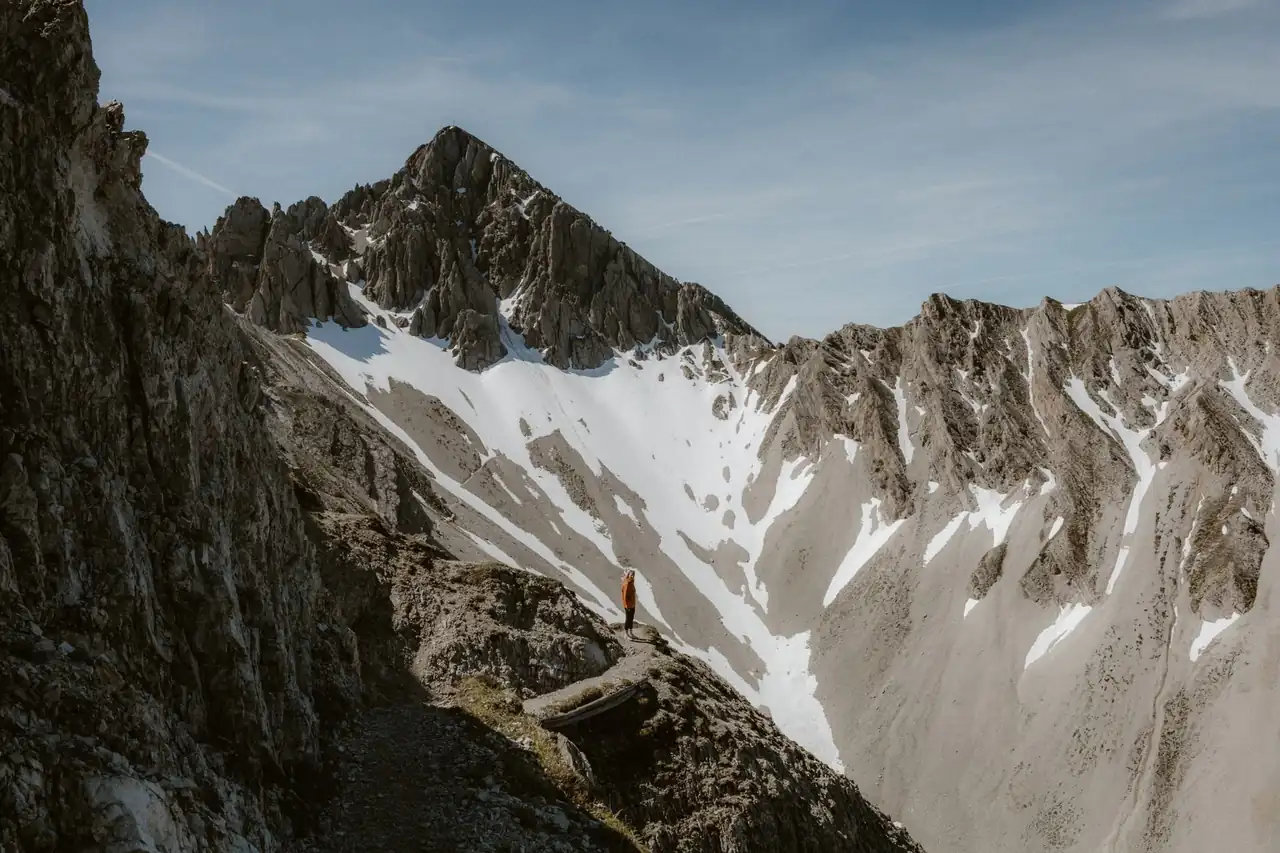
Imagen: cermanni / Pixabay
The fourth generation of this trail shoe arrived in August 2022 with a clear idea: to keep the usual protection, but do it with less weight, more flexibility, and a more refined performance in the mountains. The result is a model that moves with ease on technical trails, fast descents, broken tracks, and long efforts, where every gram and every millimeter of outsole start to really matter.
Its approach is neither that of an ultralight racing shoe nor that of a soft option meant for strolling along easy paths. It sits in a very valuable middle ground: it offers plenty of cushioning, a stable base, and serious traction, with a feeling of greater agility than in previous generations. That is why it has gained ground among runners looking for a model for ultras, long runs, and changing terrain without giving up a certain dynamism.
A redesign made for serious terrain
The overhaul of this family was not cosmetic. HOKA completely reworked the model to give it a smoother, less bulky ride, something you notice from the very first meters. The goal was to reduce that heavy-block feeling that sometimes comes with maximalist shoes, without losing that very useful cushion when the terrain takes its toll for hours. In the mountains, that balance between protection and response is often the difference between finishing in one piece or slowly piling up fatigue without even noticing.
The brand kept the philosophy of stable support and protected footstrike, but introduced deep changes in the midsole, outsole, and upper. The whole package gives off a more modern, more lively feeling, with a less rigid transition and a more natural toe-off in running. It does not turn the shoe into something aggressive or explosive, but it does make it a more versatile tool for runners who alternate paces and surfaces.
That approach brings it closer to an adventure companion than to a purely fast shoe. In ultras, mountain marathons, or long training runs, that difference matters a lot. A shoe that is too firm punishes you; one that is too soft can sink in technical sections. Here there is enough foam to protect, but also a clear response when the runner pushes on climbs or wants to hold a steady pace on uneven ground.
The midsole and the feel underfoot
The key to its behavior lies in the dual-density ProFly+ midsole. HOKA places a softer foam on top and a firmer layer underneath, a solution designed to combine comfort with stability. In runner language: the shoe cushions generously, but it does not fall apart when the support changes abruptly on stone, gravel, or roots. That dual character keeps the ride from becoming overly mushy.
The numbers help make it clearer. In a men’s reference size, the brand states 33 mm of stack height at the heel and 29 mm at the forefoot, with a 4 mm drop. In practice, different lab analyses have found slightly higher measurements, with differences that remind us declared geometries and real measurements do not always match to the millimeter. Even so, the overall impression is that of a shoe with plenty of material underfoot and a base wide enough to inspire confidence.
The cushioning does not feel overly sweet, nor dry like a board. It has a slight springiness that helps keep the ride from becoming monotonous on long outings. You notice that especially when the runner links descents with more runnable sections, because the foam gives back part of the impulse and supports the transition. It is not an aggressive rebound, but a restrained response, more useful for stacking up kilometers than for chasing pure speed sensations.
There is also an important nuance in stability. The base is relatively wide and the firm foam in the lower layer acts as support, which reduces wobble on uneven landings. In technical trail, where the ground moves underfoot like a badly aligned conveyor belt, that lateral stability can save a lot of micro-adjustments and, with them, quite a bit of fatigue by the end of the day.
Vibram outsole and grip in tricky conditions
The outsole is one of the model’s biggest selling points. The Vibram Megagrip compound remains a benchmark for mountain traction, and here it comes paired with an aggressive, multi-directional lug geometry. Lug depth is around 5 mm in many analyses, enough to bite into mud, loose dirt, wet rock, and mixed terrain without falling short in most demanding scenarios.
The way those lugs are distributed helps both uphill drive and downhill braking. In the rear and along the sides, chevron-style patterns help you brake with more confidence when the trail tips upward; in the forefoot, the tread offers better grip for taking off securely. That combination makes the shoe feel competent when pace changes, something very useful when a route alternates compact dirt, broken stone, and muddy sections in just a few minutes.
Wet ground does not intimidate it. On wet rock, slippery roots, or unstable gravel, its behavior is one of its strongest points. No shoe can turn ice into asphalt, but in real mountain conditions the grip is notable and inspires confidence. In addition, the Litebase construction aims to lighten the outsole without sacrificing durability, a solution that helps the shoe avoid weighing more than necessary despite its robust profile.
Still, one detail is worth noting. The outsole leaves some foam exposed in specific areas, and on very abrasive scree or terrain with very sharp stone it can suffer sooner than models with greater rubber coverage. It is not a serious flaw, but it does point to its best habitat: varied, technical mountains, with a mix of soft ground and rock, rather than endless rocky fields where everything scrapes and everything cuts.
Upper, fit, and support feel
The upper changed just as much as the midsole. The single-layer jacquard mesh brings lightness, ventilation, and a cleaner feel around the foot. Compared with more rigid or plasticky uppers, this fabric lets the shoe breathe better and dries faster, something valuable when the runner moves from a sunny section to a damp one or when rain decides to join the outing. The build also includes recycled materials and a vegan approach, a detail that is now common in the materials conversation, though not always decisive for performance.
The tongue sits well over the instep and helps distribute lace pressure more evenly. The ankle collar is more pronounced than it looks in photos, with a kind of cutout in the heel designed to relieve pressure on the Achilles tendon. That decision improves foot lockdown, but it has also led to a recurring observation among testers and users: on very loose terrain, that design can make it easier for small debris to get in. It is a classic mountain compromise, where gaining support sometimes means opening a gap to dust.
The overall fit is secure, with a feeling of being held rather than loose. The last tends to feel medium, although the forefoot is not especially wide. That favors control on descents and lateral steps, but it may limit runners with wide feet or those who need more room up front for swelling on very long ultras. Sizing usually runs fairly true, although over very long distances many runners appreciate that little extra margin that keeps the toes from hitting the front as the foot slides forward.
Forefoot protection is also well handled thanks to a rubber toe cap. It is the kind of detail that goes unnoticed until a stone suddenly appears in the middle of a descent. In trail running, that hard toe cap does not just protect from impacts; it also extends the life of the upper on routes where front-end wear is common from constant contact with rocks, roots, or hard braking.
Weight, drop, and what they mean on the run
At around 295 grams in a men’s reference size, it is not a light shoe, but it is reasonable for what it offers. In trail, the comparison can never be made on weight alone. Protection, platform width, traction, and material durability also matter. Under that lens, the figure fits well with the idea of a shoe for long distances, where the goal is not to fly, but to sustain effort without the material becoming a burden.
The 4 mm drop places the model in fairly versatile territory. It allows a relatively natural stride, with a transition that does not force a pronounced heel strike or push the runner extremely toward the forefoot. For technical mountain running, that balance works well because it leaves room for different running mechanics. Those who strike more with the midfoot will notice a smooth transition; those who land farther back will find enough material to cushion.
The overall feeling is that of a stable shoe that does not feel clumsy. Not every model with a lot of foam feels light on the move, and that is one of its merits. The redesign has trimmed the visual and functional heaviness of previous generations, so the shoe responds more easily on climbs and rolls along better on runnable sections. It does not have the spark of a pure racing shoe, but it is not trying to. Its natural terrain is in the hours, not the minutes.
That character shows most when fatigue starts to dictate biomechanics. As the muscles lose freshness, a stable base and well-distributed cushioning are almost a safeguard against bad foot placement. That is why this kind of model is so often liked in ultras and long mountain training runs: not for being spectacular, but for being reliable.
What kind of terrain it excels on
Its best setting is varied, technical trail. Where a fast track breaks into rocky trail, then mud, then wet rock, the shoe finds its purpose. Its design lets you run with confidence on climbs, control braking better on descents, and keep a high level of protection without feeling like you are carrying armor underfoot. That adaptability makes it a very serious option for long mountain training sessions and ultra-distance races.
It also works well on rolling compact-dirt terrain, though that is not where it shines most. On very fast tracks there are more responsive models with less material, designed to make the most of every stride. This shoe, by contrast, gains ground when the route becomes changeable and demands defensive resources. Where other models lose their composure, it stays calm, like a car with good suspension on a road full of potholes.
It is not meant for asphalt, nor for very simple trails, nor for extremely abrasive terrain with sharp rock. It can handle them, of course, but they are not its reason for being. If the route includes long stretches of smooth track or easy dirt paths, a lighter and less robust option may make more sense. Its value appears when the route gets complicated and the foot needs an ally with more character.
In that context, the versatility is real. Many shoes promise to do everything and end up being average at almost everything. This one, instead, does show a recognizable personality: it lands securely, protects a lot, responds just enough, and stands up well to punishment. That consistency is part of its appeal.
Durability and behavior over the miles
The durability of the whole package is one of the reasons it has been well regarded. Both the Vibram outsole and the woven mesh upper show solid behavior after many kilometers. There are lab tests with limited wear and also real-world use reports with very high mileage, even beyond 1,000 kilometers in demanding conditions. That does not mean every pair will last the same, but it does point to a build designed to keep going without falling apart halfway through.
With prolonged use, the midsole keeps its character fairly well. It does not suddenly turn into a dead slab or lose all cushioning after just a few outings. The feeling of comfort lasts for quite a while, something that matters a lot in trail, where runners often rack up uneven support, moisture, dust, and constant impacts. The less the material degrades, the less the shoe’s running feel changes, and that is a major advantage in ultras.
The outsole also holds up, though it is not invulnerable. On very aggressive terrain, the areas with less exposed rubber may show wear sooner than desirable. Even so, the overall balance is good, and the tread keeps its grip for quite a long time. It is not unusual for shoes of this type to remain useful long after they have started to show visible scars. In the mountains, aesthetics age before functionality.
The upper, for its part, mixes lightness with reasonable toughness. It does not feel fragile and stands up well to the usual rubbing against stones, branches, or compact dirt. The toe reinforcement and structural zones help prevent premature wear in the most exposed areas. In practical terms, it is a shoe that makes you think in seasons, not weeks.
What testers and everyday runners have valued
The specialized reception has generally been very favorable. Reviews consistently highlight the improvement in lightness, the outstanding traction, and the ability to perform on different kinds of trail. Another important idea also comes up repeatedly: the model has gained flexibility and agility compared with its predecessors, which helps the ride feel less rigid and more natural in motion. That kind of evolution usually goes down well because it does not betray the line’s essence, but it does update it.
Among the most repeated points are comfort on long efforts, the feeling of security on descents, and the confidence it inspires on wet rock or mud. In trail, those three factors matter almost as much as lab numbers. A runner may forget the exact drop, but they do not forget whether a shoe made them hesitate on every corner or let them descend with a clear head. Here the dominant impression is of a model that cuts the noise and lets you run.
The criticisms, on the other hand, focus on two specific points. The first is the forefoot, which is somewhat narrow for certain feet. The second is debris entering through the heel collar area when the terrain is very loose. Neither flaw cancels out its virtues, but they do help define more clearly the type of runner it is aimed at. It is a shoe made for those who value support and control over maximum roominess.
The final reading left by testers and users is quite consistent: it is a serious model, with many hours of mountain running behind every design decision. It does not try to win you over with marketing excess, but with the sum of details that really matter when the clock keeps adding elevation and the terrain starts to get complicated.
Which runner fits this profile best
It makes the most sense as a shoe for trail runners who spend many hours in the mountains. Anyone training for ultras, racing long technical events, or prioritizing stability and grip over extreme lightness will find a very logical option here. It also suits runners who alternate mountain sessions with long training routes and need a reliable model for many contexts, without having to save it only for race day.
On the other hand, it may fall short for those looking for a very wide feel, a generous toe box, or a sensation closer to the ground. It is also not the best choice for those who mainly run on easy paths and want to save grams above all else. Its personality is closer to hard mountain running than to a fast stroll. And that, far from being a limitation, is precisely what makes it interesting.
Its great virtue is that it does not promise too much. It offers abundant cushioning, an excellent outsole, durable construction, and a friendlier ride than before. That is enough to earn it a clear place in technical trail. There are faster models, softer ones, and roomier ones, but few combine protection, grip, and versatility so well in a single package.
In a market full of shoes competing for attention with extreme profiles, this one offers something else: consistency, balance, and a very sensible reading of what the mountains demand when the day gets long. That may not be the flashiest virtue, but it is one of the most useful.
A mature take on trail for long mountain days
The value of this model lies in its technical maturity. It does not invent anything radical, but it fine-tunes the elements that matter very well: enough cushioning, outstanding grip, precise fit, and real resistance to wear. That combination makes it a shoe that is easy for experienced runners to understand and quite rewarding for anyone who needs gear that does not make life harder when the mountain starts to bite.
Its evolution compared with previous versions shows a clear trend in current trail running: less obsession with stiffness and more interest in fluidity, without giving up protection. Mountain runners no longer want just toughness or just lightness; they want a balance that works uphill, downhill, and on broken flat ground, and that lasts too. That is where this proposal finds its place with real precision.
In practice, it is a shoe that responds better the more demanding the context becomes. When the terrain gets complicated, its virtues come through clearly. When the route softens, it still works, though without standing out as much. That is the sign of an honest design: it knows where it excels and does not try to pretend otherwise. For real trail, the kind that mixes beauty, toughness, and wear, that honesty matters as much as the foam or the rubber.



How to prevent thigh chafing: causes and real solutions

Women’s running windbreakers: seven jackets and how to choose

Do more workouts get rid of soreness? A guide for runners

Jaén Half Marathon 2026: Record 3,800 Runners Registered

Men’s short running tights: how to choose the right pair

World Triathlon confirms data breach involving medical data

Izan Edo targets podium at Miyazaki World Cup

María Pérez ranks ninth in World Athletics’ 2026 top ten

Dos Santos, Duplantis and Sawe: World Athlete of the Year finalists

San Silvestre Vallecana 2026: 42,000 places, prices and start times

 Races4 months ago
Valencia Half Marathon 2027: date and registration

 Races4 months ago
Valencia Marathon 2026: entry, ballot and course

 Reviews and Comparisons4 months ago
Asics Gel-Roadmiles 3 for men: review and current price

 Reviews and Comparisons4 months ago
Asics Gel Sonoma 8 Gore-Tex: complete analysis for trail and rain

 Sneakers3 months ago
Saucony Endorphin Pro 4: full review and verdict

 News5 months ago
Strava API 2026: what changes for clubs, challenges and runner apps?

 Reviews and Comparisons5 months ago
Nike Alphafly 3: opinions, sensations, and real key points

 Reviews and Comparisons4 months ago
Under Armour running shoes review 2025-2026: models and key features

 Sports Equipment4 months ago
Shoe sizes in cm: a clear guide to getting the right fit for your footwear

 Sneakers3 months ago
Skechers GO RUN Consistent 2.0 analysis: comfort and limits

 News5 months ago
Valencia Marathon 2026 route: key tips to train and run better

 Sneakers4 months ago
Adidas Adizero Boston 13 for men: review and verdict