Reviews and Comparisons
The protected version of the Xodus Ultra in cold and rain: this is how it really performs
More warmth, a more secure fit, and a stable feel to run with confidence when the mountain turns cold and damp.

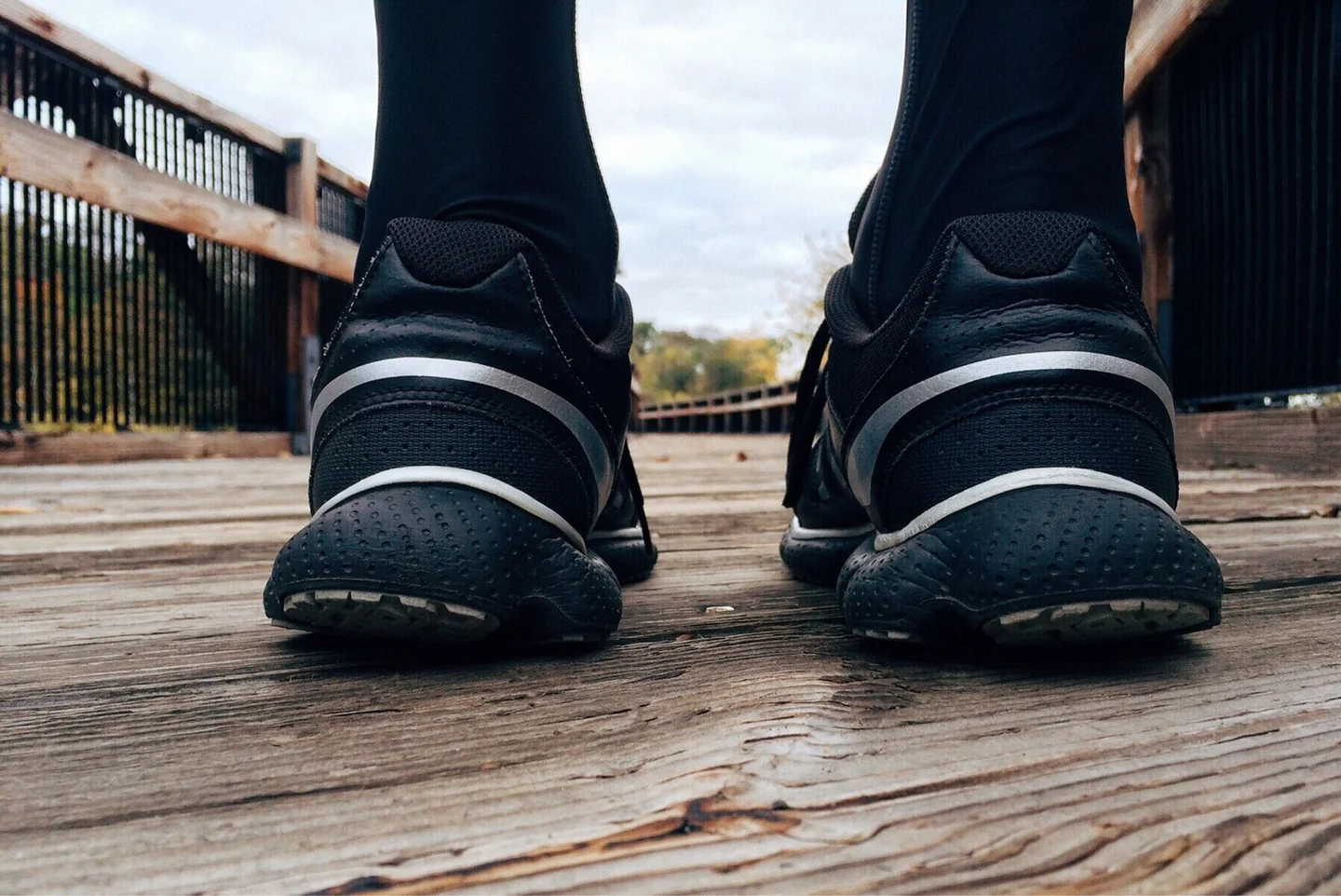
The added-protection edition of the Xodus Ultra doesn’t change the model’s winning recipe, but it does fine-tune it for winter. It keeps the same broad cushioning base, the smooth feel and the comfortable long-distance platform, and adds a more closed upper that helps keep out water, cold and light mud a little better. In practice, that makes it a very sensible option for long outings on cold, wet trails, where a summer mesh falls short and a waterproof boot can feel too stiff.
Its appeal lies in the balance. It doesn’t aim to be an absolute shield against water or a minimalist shoe for fast paces; it’s after something else, more useful for many runners: getting the foot to the end of the workout in better shape. That nuance changes the experience a lot on muddy paths, soaked grass and stretches with constant splashes, especially when the temperature drops and every minute counts to keep comfort intact.
A trail shoe made for bad weather without losing its character
The starting point is a model already known for its comfort on long runs. The protected version keeps the same architecture underfoot, so the overall behavior remains that of a friendly shoe, with a natural transition and a fairly balanced sense of support. The real difference is up top: a much denser, less open mesh, with a better ability to slow down moisture entry and a fit that hugs the foot more closely.
That change is no small thing in the colder months. On a run of an hour or more, thermal comfort depends as much on the fabric as on the effort, and a more closed upper helps prevent that loss of warmth that appears when water soaks through the mesh and the wind does the rest. The shoe still breathes, but in a more restrained way, as if it had gone from a light T-shirt to a mid-layer that protects without fully enclosing.
There’s also an immediate effect on lockdown. The foot moves less inside the shoe, and that gives a more secure reading on descents, turns and uneven sections. In trail running, stability doesn’t always depend on the midsole; sometimes the difference between feeling calm or having to think about every landing lies in how the upper material wraps the instep. Here the result is firmer and more convincing than in the unprotected version.
What changes in the upper when the rain arrives
The upper is the main reason for this edition. The water-resistant fabric doesn’t turn the shoe into a waterproof membrane, but it does create a useful barrier against dew, shallow puddles and repeated splashes. On a trail with wet grass or shallow water crossings, the foot takes longer to notice the soaking, and that extra margin is very welcome when the air is close to freezing and the damp clings to everything.
The feel when putting it on also changes. There’s more structure, more body and a slightly warmer sensation from the very first moment. It’s not winter insulation in the style of a boot, but it is a kind of thin layer of protection that becomes especially noticeable when you head out early, when the ground is cold and the body hasn’t yet generated all the heat from the session. That detail may seem secondary, though in reality it makes the difference between a comfortable outing and one where the cold settles into your toes from kilometer two.
The fit improves because the mesh gives less. The forefoot feels more contained, the midfoot more settled, and the heel loses some of the looseness that some runners noticed in the standard version. For runs lasting several hours, this matters a lot: when the foot swells, a construction with less elasticity prevents the shoe from becoming imprecise. On the downside, runners with wide feet may feel less room in the toe box and less tolerance for volume, especially if the run goes on for a long time or the socks are thick.
Cushioning and stability: the same base, a very recognizable feel
Underfoot, the sensation is still that of a well-solved long-distance shoe. The midsole combines a livelier foam in the core with a firmer outer structure that contains it, a formula that aims to return some energy without turning the whole thing into a soft, unstable block. In trail running that works well because it lets you run with less muscular punishment, but without that sinking feeling that on twisted terrain ends up tiring you out more than helping.
The platform height still offers enough protection for long routes, and the transition keeps a fairly natural roll. It doesn’t push like a racing shoe, nor does it try to. Its value lies in continuity: it lets you hold easy or moderate paces for a long time without the stride becoming clumsy. It’s the kind of foam that doesn’t ask for the spotlight, but holds everything up from below, like a well-built wooden floor that doesn’t creak with every step.
Stability is also reinforced by that combination of soft core and firmer frame. On loose rocks, roots or long descents, the platform inspires confidence because it distributes impacts better. It’s not a highly technical mountain shoe, the kind that demands a millimetric reading of the terrain, but it does handle the ebb and flow of changing trails with real competence. For long training runs and endurance races, that behavior is often more useful than a nervous or aggressive response.
Grip on mud, wet rock and cold paths
The outsole offers reliable grip in the scenario it was really made for. Its medium-profile lugs work well on compact dirt, forest tracks, multi-use paths and damp trails where the ground still has some consistency. They don’t bite with the violence of a very aggressive outsole, but in return they roll better over mixed surfaces and are less punishing on hard or paved sections.
When the mud gets deep or wet wood appears, the margin drops. There are no miracles there: a versatile outsole can’t behave like a studded one, especially on slippery boards or thin ice. In those conditions, the foot needs much more caution than aggression, because the rubber can lose security as soon as the surface stops being irregular and becomes smooth. It’s an expected limit, not an unexpected flaw.
Where this shoe moves best is on wet but not extreme terrain. Trails with moderate mud, wet leaves, compact sand and the occasional slippery stone suit its approach well. The grip feels consistent enough that you don’t end up tensing your body with every landing, and that helps the legs arrive less beaten up at the end. In trail running, predictable traction is often worth more than explosive traction that only shines for a few meters.
How it responds when the foot comes into contact with water
The most interesting part of this version appears when water doesn’t just fall, but starts to build up on the ground. In soaked grass, areas with persistent dew and small crossings, the outer fabric slows down the immediate entry of moisture very well. That doesn’t mean your foot will stay dry no matter what; it means the shoe buys time, and in winter that time translates into comfort.
When the outer layer eventually gets properly wet, the behavior changes. Water can end up getting in through the collar or saturating the material if exposure is continuous, so it’s best to read this protection as useful resistance rather than a total barrier. In other words, it’s a solution for extending comfort, not for turning a long outing in persistent rain into a dry experience from start to finish.
The advantage, even so, is obvious in normal training sessions. The upper dries faster than you’d expect once you leave the wet section and return to a more ventilated area. That reduces the dragging sensation and keeps the foot from staying trapped in a heavy, damp environment for too long. For runners who link tracks, trail and short road sections, that recovery ability has a lot of practical value.
A more secure fit for long runs and easy paces
The sense of security has improved compared with the more open version. The midfoot is held more firmly, the heel shows less lateral inertia, and the shoe feels more convincing when the terrain starts to tilt or break up. It’s not a matter of stiffness, but of coherence: the foot feels integrated, not just resting on a wide base.
That character fits very well with long outings, where the body gradually accumulates small changes in volume, temperature and fatigue. In an ultradistance race or a run lasting several hours, a too-forgiving last can become a problem when the foot starts moving around inside the shoe. Here the opposite happens: the construction protects the shape of the landing better and keeps a fairly clean reading of the terrain.
The toe box still gives the toes some room to move. That especially helps on long descents and during efforts where the foot expands. It’s not an extra-wide last, but it is generous enough not to squeeze unnecessarily. In winter, that small margin is usually an ally too, because thicker socks and the cold make comfort depend on details that would go unnoticed in summer.
Details designed for running before sunrise
The runner’s winter isn’t just cold: it’s dark too. That’s why the reflective elements here aren’t decoration, but pure logic. Leaving home before dawn or finishing as evening falls is part of the usual landscape in the colder months, and any improvement in visibility adds another layer of practical sense to the shoe.
The small functional touches are also appreciated, like the elastic pocket on the tongue or the inclusion of two lace options. They’re details that don’t change the headline of the product, but they do change the real experience. The pocket lets you stash a key or tuck away the excess lace, while the dual lacing option makes it easier to adjust the instep with more or less give depending on foot shape and workout length.
In a shoe meant to spend many hours in motion, those nuances matter a lot. Not everything is measured in grams or lug depth. Often, what separates a well-thought-out purchase from a mediocre one are those small gestures that prevent repeated discomfort. When the terrain gets tough, a buckle, a lace or a better-resolved tongue ends up mattering as much as a more modern foam.
Which type of runner will get the most out of this edition
This proposal makes sense for anyone who runs regularly in autumn and winter. It fits mixed routes, cold and wet trails, long sessions through the woods and workouts where the weather doesn’t cooperate. It also works well for runners who prioritize protection without wanting to give up a relatively smooth ride, something that isn’t always easy to find when the catalog fills up with overly closed waterproof models.
Its best scenario is long outings at a steady pace. There, the combination of cushioning, support and water resistance adds up in a very balanced way. On the other hand, if a runner is looking for a very lively feel, a lot of precision on technical terrain or an outsole with an almost aggressive grip in deep mud, there are more specific options. This shoe doesn’t want to be the most extreme; it wants to be the most sensible on more days of the year.
It also makes a lot of sense for runners who link track, trail and urban access sections. Its behavior on mixed terrain is one of its strengths, and the extra protection of the upper makes it more practical when the route starts or ends on wet streets, muddy parks or approach paths with puddles. That versatility broadens its usefulness beyond pure mountain running.
What it brings compared with a standard trail shoe and with a waterproof boot
The useful comparison is not just with the regular version, but with the rest of the winter lineup. Compared with a conventional mesh trail shoe, the difference is obvious right from the first part of the run: less cold, less moisture entry and a greater sense of wrap. Compared with a fully waterproof shoe, though, this edition avoids some of the stiffness and keeps more reasonable ventilation, something important when the effort rises and the body starts generating vapor from the inside.
That middle ground is precisely its reason for being. Not too open for a rainy day, and not so closed that the inside turns into a condensation chamber. On long routes, that dose of balance usually works better than extremes, because the runner spends more time managing comfort than thinking about aesthetics or technical marketing.
The result is a shoe that is more useful than spectacular. And in winter trail running, that’s a compliment. Not every outing needs a radical model; many just ask for a reliable tool that behaves well when the ground gets wet, the cold bites and mental energy drops. This edition is built precisely for that kind of day.
A realistic reading of its performance on cold, wet mountains
If you judge it by what it promises, it delivers with a lot of consistency. It protects better than an open-mesh trail shoe, keeps the comfortable character of the base model and improves the sense of lockdown without becoming heavy or clumsy. The result is a long-distance shoe that fits very well into the cold-month calendar, when the terrain changes face several times in the same outing.
Its behavior on wet ground isn’t perfect, but it is honest. In soft mud, puddles and dew, it gives you margin. In deep mud, compact snow or smooth, cold surfaces, it asks for caution and accepts its limits. That transparency is valuable because it lets you place it precisely: it’s not the universal solution for bad weather, but it is one of the most coherent options for running regularly when the mountains turn gray, damp and a little rough.
In the final balance, the most appealing thing is that it doesn’t force you to choose between warmth and the feeling of running. It keeps a pleasant ride, protects better than average and is still suitable for many kilometers. In winter, where so many shoes end up sacrificing too much to protect or too much to lighten, that mix of control and comfort has a lot more value than it first appears.



How to prevent thigh chafing: causes and real solutions

Women’s running windbreakers: seven jackets and how to choose

Do more workouts get rid of soreness? A guide for runners

Jaén Half Marathon 2026: Record 3,800 Runners Registered

Men’s short running tights: how to choose the right pair

World Triathlon confirms data breach involving medical data

Izan Edo targets podium at Miyazaki World Cup

María Pérez ranks ninth in World Athletics’ 2026 top ten

Dos Santos, Duplantis and Sawe: World Athlete of the Year finalists

San Silvestre Vallecana 2026: 42,000 places, prices and start times

 Races3 months ago
Valencia Half Marathon 2027: date and registration

 Races3 months ago
Valencia Marathon 2026: entry, ballot and course

 Reviews and Comparisons4 months ago
Asics Gel-Roadmiles 3 for men: review and current price

 Reviews and Comparisons4 months ago
Asics Gel Sonoma 8 Gore-Tex: complete analysis for trail and rain

 Sneakers3 months ago
Saucony Endorphin Pro 4: full review and verdict

 News5 months ago
Strava API 2026: what changes for clubs, challenges and runner apps?

 Reviews and Comparisons5 months ago
Nike Alphafly 3: opinions, sensations, and real key points

 Reviews and Comparisons4 months ago
Under Armour running shoes review 2025-2026: models and key features

 Sports Equipment4 months ago
Shoe sizes in cm: a clear guide to getting the right fit for your footwear

 Sneakers3 months ago
Skechers GO RUN Consistent 2.0 analysis: comfort and limits

 News5 months ago
Valencia Marathon 2026 route: key tips to train and run better

 Sneakers4 months ago
Adidas Adizero Boston 13 for men: review and verdict