Reviews and Comparisons
New Balance shoe finder: how to choose the right model
A clear guide to technologies, fit and models based on terrain, pace and mileage.

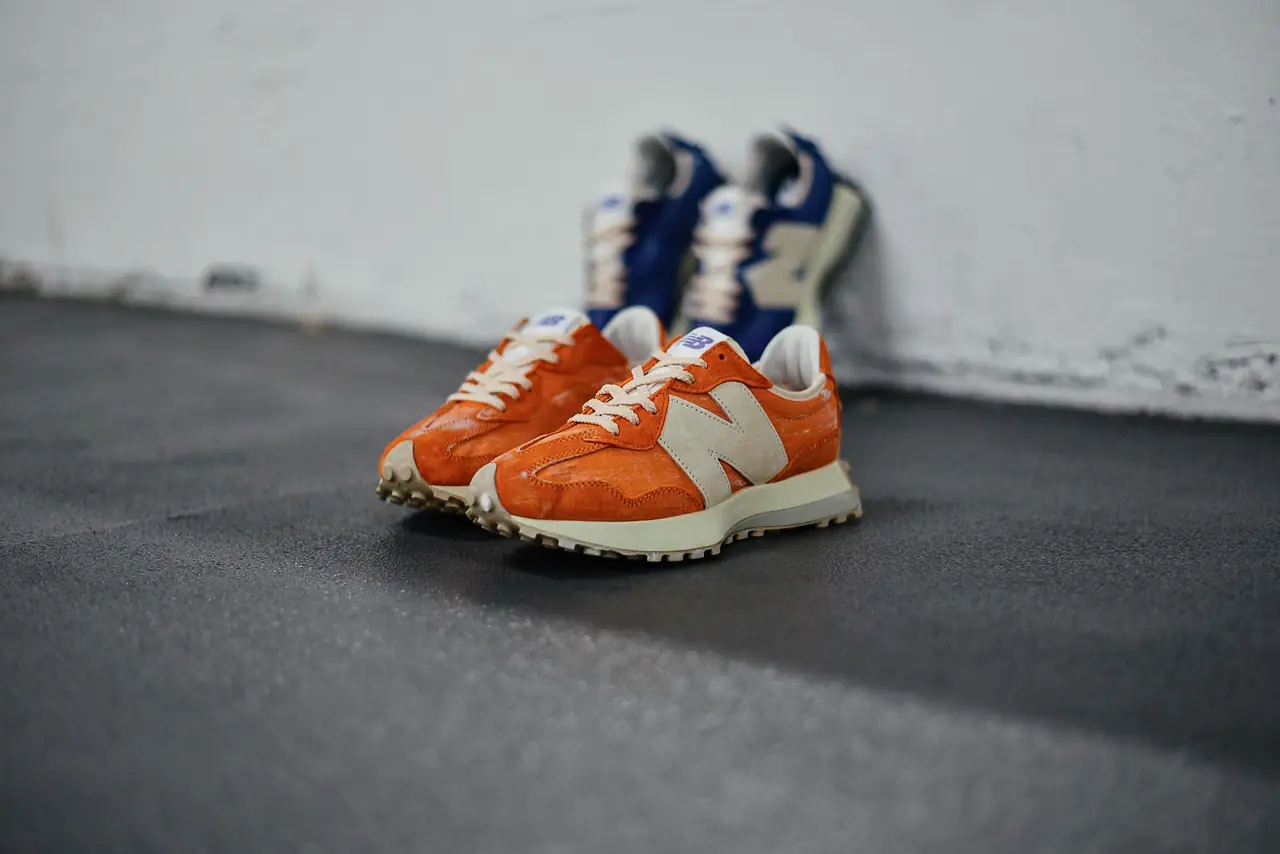
Choosing New Balance running shoes is not simply a matter of finding the most striking design or sorting products by price. The decision depends on the surface, weekly mileage, usual pace, foot width and the sensation each runner wants underfoot. A well-used shoe finder helps narrow the catalogue, but the final choice requires careful interpretation. The right shoe is the one that matches real use, not necessarily the most expensive one.
The American brand brings together very different options: daily trainers, lightweight shoes for faster sessions, racing footwear, trail shoes and models with different widths. Fresh Foam X, FuelCell and the 520, 680, 880 and 1080 families cover needs that are far from identical. Comparing technologies and geometries is therefore more useful than searching for a universal recommendation. The first filter should be the shoe’s purpose, followed by fit and midsole response.
What a good New Balance shoe finder should offer
An effective search tool should do more than display a brand and size. The useful features are the ability to separate road shoes from trail footwear, distinguish neutral designs from models offering more guidance, filter by width and identify whether a shoe is intended for easy runs, faster workouts or racing. When these details are mixed together, the catalogue becomes difficult to understand.
It is also worth checking the status of each product. Retail pages often mix new releases, previous seasons, alternative colours and limited-size stock. A reduced price may refer to a perfectly valid older version, but it may also reflect one remaining size or an outgoing collection. A discount alone says nothing about quality or suitability; it should be read alongside availability, release date and technical details.
Fresh Foam X and FuelCell: two very different answers
Fresh Foam X is associated with a soft, protective ride. Behaviour varies by model, but the technology generally appears in shoes designed to accumulate mileage comfortably. The 1080 represents the more cushioned and versatile road option, while the 880 aims for a more traditional balance between cushioning, stability and durability. Fresh Foam X prioritizes sustained comfort over explosive response.
FuelCell appears in more dynamic designs. The exact sensation depends on the formulation and geometry, although the family generally suits runners who want more speed during changes of pace, quality workouts or races. Propel offers a relatively versatile entry point, while Rebel focuses on a lighter and more agile build. FuelCell does not automatically mean racing: it can also be used in a fast training shoe.
How to read cushioning beyond marketing language
Cushioning cannot be reduced to midsole height. A shoe with more foam can feel soft while remaining stable if its platform is wide and its geometry is well balanced. The Fresh Foam X More v6, for example, is listed with a 44-millimetre heel, a 40-millimetre forefoot and a 4-millimetre drop. Its purpose is a plush ride with a rocker geometry that supports forward transitions.
Drop is the height difference between heel and forefoot, but it does not determine whether a shoe is better or worse. A 4, 6 or 8-millimetre drop changes the relationship between heel and forefoot, while the final result also depends on stiffness, platform width and individual technique. The number is one part of the whole, not a verdict on the runner’s stride.
Why width and fit matter
New Balance is known for offering different widths in part of its range. The standard version does not suit every foot: some runners need a wider last to let the toes spread, while others lose support when the internal volume is excessive. Market names vary, but many product pages include standard, 2E or extra-wide options. The right width prevents the foot from fighting the shoe at every landing.
Fit should be checked with normal running socks and preferably later in the day, when feet are often slightly more swollen. Leave roughly half a centimetre between the longest toe and the front of the shoe, while keeping the heel secure and the midfoot stable. Too much room is not the same as a comfortable fit: an excessively loose shoe can cause sliding, blisters and poor control.
Road, paths and trail require different tools
Road shoes are designed for relatively smooth and firm surfaces. Their outsoles usually prioritize continuous transitions and rubber that can withstand asphalt wear. They work well on pavements, paved cycleways and compact paths, but become less secure on mud, loose rock or wet roots.
Trail running requires deeper lugs, more protection from stones and an upper prepared for lateral movement. Fresh Foam X Hierro models belong to this part of the brand’s range and follow a different logic from the 1080 or 880. Terrain should be the first choice criterion, followed by the foam.
A smarter way to read technical specifications
Technical data is useful when read as a group. Weight helps anticipate agility, but does not determine performance. Drop describes geometry, but not the complete transition. Outsole rubber gives clues about durability and grip, while the mesh can indicate ventilation and fit. No single specification tells the complete story of a running shoe.
Descriptions about energy return, wrapped comfort or forward propulsion should be translated into concrete sensations. Energy return may mean a livelier response, but not necessarily greater speed. A breathable upper may feel pleasant in summer while providing less protection in rain and cold. Technical terms become meaningful only when connected to the situation in which the shoe will be used.
The final choice starts underfoot
A broad catalogue should not force anyone to choose blindly. New Balance families make the process easier: Fresh Foam X for comfort and mileage, FuelCell for a more active response, and specific models for racing or trail. Within each group, width, fit, weight, drop and outsole complete the profile.
The best purchase is not always the newest release or the most dramatic discount. It is the shoe that provides secure support, lets the toes move, maintains reliable ground contact and matches the training routine. Technology only works for the runner when the model fits real needs.
Este artículo contiene enlaces de afiliado: si compras a través de ellos, se genera una pequeña comisión sin coste adicional para ti. Más información.



How to prevent thigh chafing: causes and real solutions

Women’s running windbreakers: seven jackets and how to choose

Do more workouts get rid of soreness? A guide for runners

Jaén Half Marathon 2026: Record 3,800 Runners Registered

Men’s short running tights: how to choose the right pair

World Triathlon confirms data breach involving medical data

Izan Edo targets podium at Miyazaki World Cup

María Pérez ranks ninth in World Athletics’ 2026 top ten

Dos Santos, Duplantis and Sawe: World Athlete of the Year finalists

San Silvestre Vallecana 2026: 42,000 places, prices and start times

 Races3 months ago
Valencia Half Marathon 2027: date and registration

 Races3 months ago
Valencia Marathon 2026: entry, ballot and course

 Reviews and Comparisons4 months ago
Asics Gel-Roadmiles 3 for men: review and current price

 Reviews and Comparisons4 months ago
Asics Gel Sonoma 8 Gore-Tex: complete analysis for trail and rain

 Sneakers3 months ago
Saucony Endorphin Pro 4: full review and verdict

 News5 months ago
Strava API 2026: what changes for clubs, challenges and runner apps?

 Reviews and Comparisons5 months ago
Nike Alphafly 3: opinions, sensations, and real key points

 Reviews and Comparisons4 months ago
Under Armour running shoes review 2025-2026: models and key features

 Sports Equipment4 months ago
Shoe sizes in cm: a clear guide to getting the right fit for your footwear

 Sneakers3 months ago
Skechers GO RUN Consistent 2.0 analysis: comfort and limits

 News5 months ago
Valencia Marathon 2026 route: key tips to train and run better

 Sneakers4 months ago
Adidas Adizero Boston 13 for men: review and verdict