Reviews and Comparisons
Which running shoes should you buy? A practical guide
A clear guide to choosing comfortable, stable and suitable running shoes without being misled by advertising.

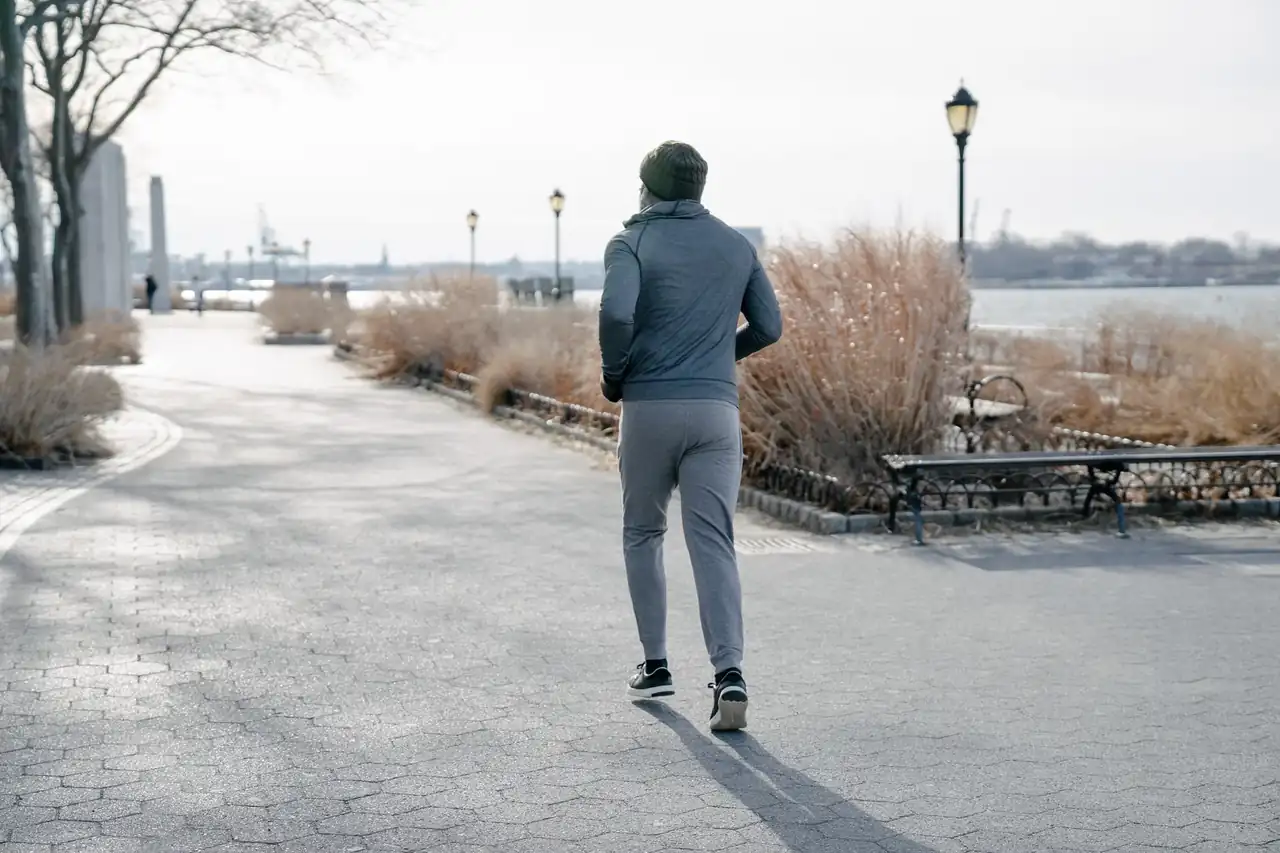
Choosing your first running shoes does not require knowing every foam on the market or memorizing each brand’s product range. The starting point is simpler: footwear that feels comfortable, fits properly and is designed for your usual surface. For most beginners, a daily trainer for roads or compact paths makes more sense than a racing shoe, a carbon plate or a shoe built around a specific gait correction.
A useful review must assess how the shoe behaves after several kilometres, not only how it looks when taken out of the box. Underfoot feel, stability, ventilation, grip and toe-box shape matter as much as the foam name. In terms of price, there is a sensible range between 70 and 140 euros, although sales can bring reliable models below 80 euros and advanced ranges can exceed 180.
The best choice starts with real use
The right shoe depends on use before it depends on the runner’s level. Someone running twice a week for 30 minutes needs something different from a runner covering 60 kilometres weekly or preparing for a half marathon. The choice also changes between Valencia pavements, compact dirt paths in l’Horta and rocky mountain trails.
Commercial categories can be confusing because they combine terms such as daily trainer, maximalist, stable or fast. In everyday language, a daily training shoe is usually the most balanced option: it has a durable enough outsole, a protective midsole and predictable behaviour at relaxed paces. It is not designed to break records, but to accompany many runs without demanding perfect technique.
Light, responsive shoes make sense when a runner already knows which sensations they want and intends to run faster. Trail shoes need lugs and an outsole suited to uneven ground; racing shoes prioritise weight and response, often at the expense of durability or stability. For a beginner, choosing one of these last options often means paying for features that do not yet provide a clear benefit.
What a running shoe test should check
A reliable test does more than describe the colour, official weight or technology promoted by the brand. The shoes should be used in several sessions and on surfaces that match their intended purpose. A first run can reveal rubbing and fit problems; more kilometres are then needed to assess the transition, fatigue and consistency of the cushioning.
Distance matters as well. A model may feel pleasant for 20 minutes and become too soft or unstable after an hour. That is why initial comfort does not always equal lasting comfort. A complete review observes what happens at the end of a run, when the foot swells slightly and the muscles no longer compensate for weaknesses in the shoe as easily.
The testing surface should be clear. Asphalt helps assess the ride and outsole wear, while compact paths reveal whether the platform feels secure. Wet pavement can be useful for checking grip, but a few metres do not justify conclusions about trail performance. Honest testing also means explaining where a model works less well.
Cushioning without going too far
Cushioning describes the midsole’s ability to deform and manage the load of each foot strike. A soft foam may feel pleasant and quiet, but it can also provide less control on bends or sloping ground. A firmer foam offers a more direct response and may feel stable, although it will not suit someone looking for a very plush ride.
There is no universal amount of cushioning that protects every runner. More foam does not automatically mean fewer injuries, just as a firm shoe is not necessarily aggressive. Body type, training volume, technique, weight, speed and previous physical problems matter far more than one isolated measurement of stack height.
For beginners, medium or medium-high cushioning often works well, together with a sufficiently broad base and a transition that does not force a particular running style. The aim is for the shoe to disappear from the runner’s attention. If every foot strike requires a balance correction or the foot sinks to one side, the pleasant first impression loses its value.
Fit, size and toe-box shape
Fit is one of the points that most clearly separates a good purchase from a return. The size printed on the box is not identical across brands and does not guarantee that the shape will suit every foot. Some models are narrow through the midfoot, others have a deep heel and some are built with a more generous toe box.
The shoe should be tried with the usual socks and preferably late in the day, when the foot may be slightly more swollen. The toes should move without being squeezed and the heel should stay secure without over-tightening the laces. There should be roughly a thumb’s width between the longest toe and the front of the shoe, especially for longer runs.
Front space should not be confused with a shoe that is too large. If the foot slides forward during braking, pressure on the nails, blisters or insecurity may follow. The tongue, collar padding and heel shape also matter: correctly tied laces should not have to compensate for a last that does not fit.
Differences between the right and left foot are normal. When one foot needs more room, the choice should accommodate the larger one rather than an average. In a physical shop, walking and jogging for a few minutes is useful; online, clear returns and the chance to try the product indoors have practical value that is often overlooked.
Drop, stability and gait: what matters
Drop is the height difference between the heel and the forefoot. It is measured in millimetres and commonly ranges from 0 to 12, although some shoes fall outside that range. A high drop does not correct technique or guarantee protection for the Achilles tendon; it simply changes the foot’s relative position inside the shoe.
Moving from a high drop to a very low one can increase the demand on the calves and Achilles tendon, especially when the change is sudden. The opposite may also happen to someone accustomed to a flat shoe. Drop should change gradually and for a specific reason, not because a specification table presents one option as superior.
Pronation is a natural movement of the foot during support. Some shoes include geometries or elements that limit part of that movement and are marketed as stability models. That does not mean everyone who pronates needs extra control. A quick visual look at the outsole or a brief observation in a shop cannot diagnose an injury on its own.
Stability can come from a broad base, a well-grounded platform, firmer foam or supportive sidewalls. For many runners, these features provide more security than a rigid part placed under the arch. The choice should be based on a feeling of control and the absence of discomfort, not on an automatic label.
The outsole shows where the shoe works best
The outsole is the direct contact with the ground and offers clear clues about intended use. Road shoes tend to have flatter patterns or shallow grooves, designed to encourage a smooth transition and resist abrasion. On compact paths they may work perfectly well, provided there is no mud, wet roots or loose rock.
Trail shoes have deeper and more separated lugs. The more aggressive the pattern, the better it may bite into soft terrain, but the less natural it will feel on pavement. The same outsole cannot optimise both a smooth pavement and a rocky descent. Hybrid models offer compromises, not miracles.
Early wear can also provide useful information. A light mark in the usual landing areas is normal, while rapidly separating rubber or striking deformation may point to a durability issue. Many road shoes are used for roughly 600 to 800 kilometres, but weight, surface, weather and shoe rotation can change that interval considerably.
It is not wise to retire shoes simply because they have reached a particular number. Loss of rebound, new discomfort, visibly compressed foam or a smooth outsole in important areas are more useful signs. Continuing to run in footwear that is torn, deformed or unable to hold the foot increases uncertainty with every run.
How much should you spend?
The market offers entry-level running shoes from around 50 or 60 euros, but at that price it is worth checking outsole quality, ventilation and midsole consistency. Between 70 and 120 euros there is a broad selection of reliable training shoes, especially when previous versions appear in sales.
Ranges from 130 to 180 euros may include lighter foams, more refined materials or constructions aimed at higher performance. These features can reduce weight or improve response, but they do not make the shoe universally suitable. A 90-euro shoe that fits well may be a better purchase than a 200-euro shoe that causes rubbing.
Sales are worth considering when they involve a recent version or a model that still offers the required performance. A large crossed-out price does not prove that the product is better. Size availability, returns and warranty should also be checked, especially online. A large discount stops being attractive when exchanging the product is difficult or the last does not fit as expected.
Buying two identical pairs is not necessary for a beginner, although alternating shoes can allow the foam to recover and makes it easier to notice when one pair has become fatigued. Rotation becomes more useful as training volume increases; during the first weeks, one suitable pair is usually enough.
Fast shoes, plates and maximalist models
Carbon-plated shoes and highly responsive foams are designed for speed and a particular running mechanic. They can be effective in races, but they are often expensive and less forgiving for walking or slow running. They are not an obligatory next step after a basic daily trainer.
It is also important to distinguish responsiveness from comfort. A foam that returns a lot of energy may feel exciting at first, but it is not always the most stable choice for a relaxed run. The best performance for a recreational runner is the performance they can maintain without discomfort and with control, not the one with the most impressive specification sheet.
Maximalist shoes, with a tall stack and a large amount of material underfoot, reduce direct ground feel and may feel comfortable. Their height can change the sense of balance, however, and not all of them behave well on bends, narrow paths or sloping surfaces. Comfort should be assessed while moving, not by looking only at the thickness of the midsole.
Common mistakes when buying a first pair
The most common mistake is choosing by appearance or by the recommendation of a runner with different needs. Colour does not change performance, and an excellent shoe for one person may feel narrow, unstable or too stiff for another. Other people’s reviews can help form a hypothesis, but they cannot replace testing the shoe on your own feet.
Another mistake is assuming that a gait analysis solves the entire decision. Observation can provide information, but it does not fully measure comfort, strength, injury history or adaptation to training volume. Being pain-free during and after several runs is more useful than a simplified gait category.
People also buy in too much of a hurry. Wearing new shoes for a long race or hard workout increases the chance of discovering a troublesome seam or an insecure heel too late. The first outings should be progressive, with familiar socks and without making sudden changes to distance, pace or surface at the same time.
Finally, shoe wear is sometimes confused with an inevitable injury. Footwear affects the experience, but it cannot compensate for a sudden increase in kilometres, insufficient rest or persistent discomfort. Intense pain, swelling, loss of strength or symptoms that do not improve should be assessed by a health professional.
How to read a review before deciding
A useful review should explain who tested the model, for how long, on which surfaces and in what type of sessions. It is not enough to say that a shoe is comfortable or fast: the context matters. A light runner doing track intervals offers a different experience from someone who walks, jogs and uses the same pair on asphalt several days a week.
Photographs help show the structure, but they cannot reveal the actual stiffness of the midsole or how the upper wraps the foot. Weight figures may vary by size and measurement method. The most valuable information combines objective data with clear limits: what the shoe does well, who may suit it and when it becomes less useful.
It is also important to separate personal impressions from verifiable facts. Colour, perceived feel and the sensation of being lively belong to the tester’s experience. Base width, outsole type, stated drop and recommended price are details that should be checked against the official product information. This distinction prevents advertising language from replacing useful information.
The final decision can be reduced to a simple check: the shoes should fit without pressure, move naturally, feel secure on the intended terrain and keep that sensation as the run gets longer. The right shoe is not the most famous one, but the one that allows stable and repeatable running.
A sensible purchase leaves room to learn
Needs change as runners gain experience. At first, it is difficult to know whether a firm or soft foam is preferable, whether a broad or close-fitting toe box feels better, or whether a pronounced or flexible transition suits the foot. That uncertainty is not solved by buying the most expensive model, but by observing sensations calmly and taking notes after each run.
A versatile first pair allows runners to discover their own pattern: how many days they run, which distances feel comfortable, which surfaces they use and where fatigue appears. The best first choice is the one that makes this exploration easier without adding unnecessary complexity. Over time, that information will make future comparisons more reliable.
The market will continue to introduce new names, lighter foams and promises of greater energy return. The foundations remain the same: correct size, secure fit, outsole suited to the terrain, tolerable cushioning and a price proportional to use. Among all the features listed on a product page, these are the ones that truly accompany every step.



How to prevent thigh chafing: causes and real solutions

Women’s running windbreakers: seven jackets and how to choose

Do more workouts get rid of soreness? A guide for runners

Jaén Half Marathon 2026: Record 3,800 Runners Registered

Men’s short running tights: how to choose the right pair

World Triathlon confirms data breach involving medical data

Izan Edo targets podium at Miyazaki World Cup

María Pérez ranks ninth in World Athletics’ 2026 top ten

Dos Santos, Duplantis and Sawe: World Athlete of the Year finalists

San Silvestre Vallecana 2026: 42,000 places, prices and start times

 Races4 months ago
Valencia Half Marathon 2027: date and registration

 Races4 months ago
Valencia Marathon 2026: entry, ballot and course

 Reviews and Comparisons4 months ago
Asics Gel-Roadmiles 3 for men: review and current price

 Reviews and Comparisons4 months ago
Asics Gel Sonoma 8 Gore-Tex: complete analysis for trail and rain

 Sneakers3 months ago
Saucony Endorphin Pro 4: full review and verdict

 News5 months ago
Strava API 2026: what changes for clubs, challenges and runner apps?

 Reviews and Comparisons5 months ago
Nike Alphafly 3: opinions, sensations, and real key points

 Reviews and Comparisons4 months ago
Under Armour running shoes review 2025-2026: models and key features

 Sports Equipment4 months ago
Shoe sizes in cm: a clear guide to getting the right fit for your footwear

 Sneakers3 months ago
Skechers GO RUN Consistent 2.0 analysis: comfort and limits

 News5 months ago
Valencia Marathon 2026 route: key tips to train and run better

 Sneakers4 months ago
Adidas Adizero Boston 13 for men: review and verdict