Reviews and Comparisons
The 10 best trekking boots of 2026: complete guide
An updated selection for choosing mountain footwear wisely: grip, fit, waterproofing, and real-world use.

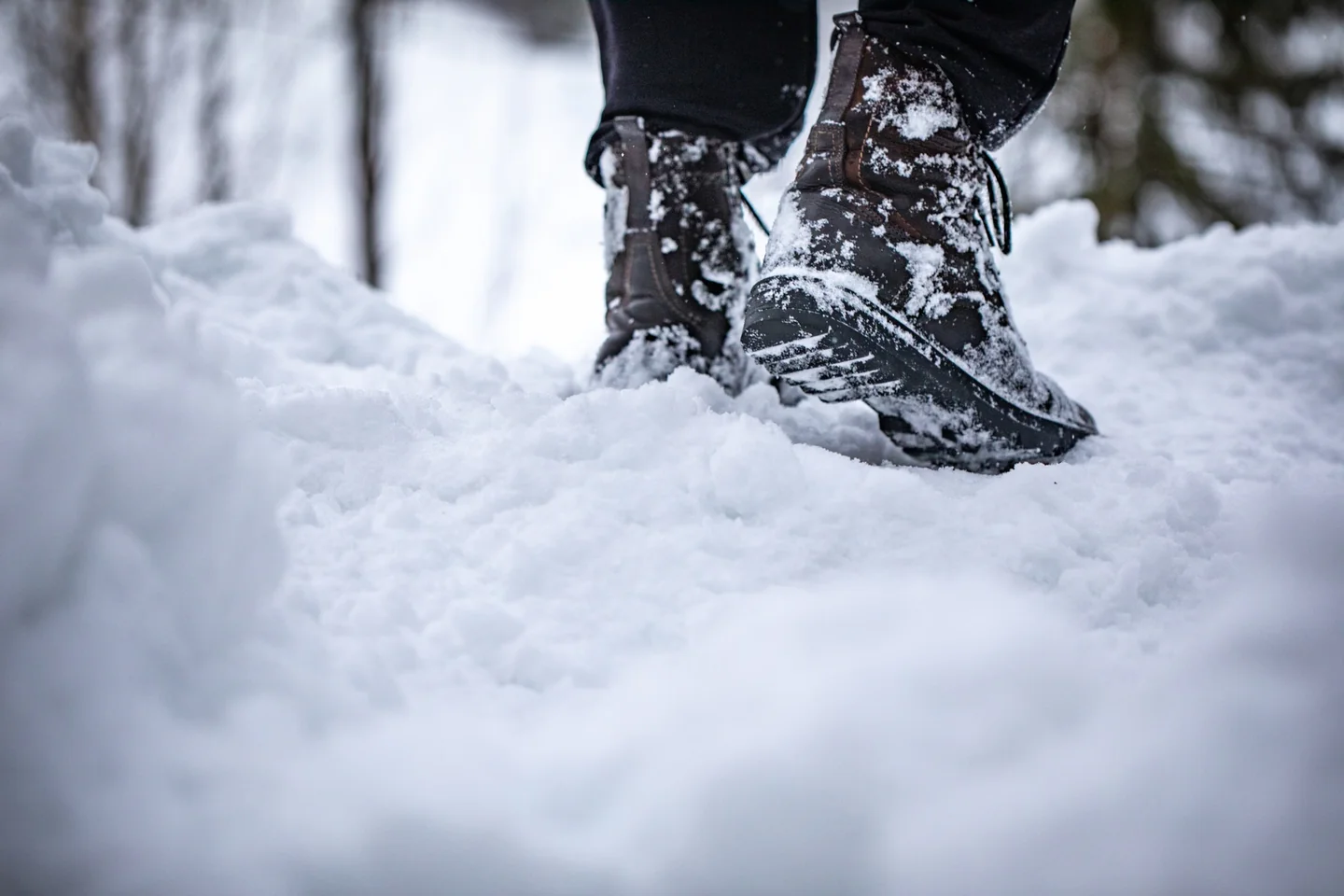
Trekking boots are no longer chosen only for the brand or the rugged look of the shaft. In the mountains, footwear matters as much as pace: a model that is too stiff causes fatigue, a soft one loses support, and one that fits poorly turns a long hike into a succession of blisters. That is why a good selection must look at support, cushioning, traction, and response to water and mud all at once.
Among the market’s most solid options, very different profiles coexist: heavy, highly stable boots for long treks, lighter models for fast routes, and designs with waterproof membranes for humid weather. The key is to match the type of terrain with the actual use. An excellent boot on a dry scree slope can feel clumsy on fast trails, and a very comfortable one in the shop can fall short when the backpack is heavy and the path steepens.
The references that set the pace in the mountains
In 2026, the outdoor footwear market still revolves around a few names that keep appearing in field tests, specialty stores, and sales lists. Salomon, Lowa, Merrell, La Sportiva, Keen, Scarpa, Hanwag, Asolo, Columbia, Adidas Terrex, and Mammut show up frequently because they combine reliable materials with well-regarded traction soles such as Vibram or Contagrip, and widely used waterproof membranes, especially GORE-TEX or equivalent technologies.
The difference between one model and another usually lies in balance. Some boots prioritize stability and protection, with weights close to 500 grams or more per foot; others trim grams to move more freely, though they may sacrifice some solidity on technical descents or when carrying a load. Fit also changes: there are wide lasts for fuller feet and close-fitting designs for those looking for a firm hug around the midfoot. Choosing well is, above all, understanding what is gained and what is lost with each setup.
That is why it is useful to group the best references not as a fixed catalog, but as a usage map. There are boots for multi-day treks, others for mid-mountain trails, some very good for those who prioritize lightness, and others designed for winter or wet terrain. The selection below follows that logic: proven quality, realistic performance, and enough variety for each profile to find a solid starting point.
Models that stand out for balance, grip, and durability
Salomon Quest 4 GTX remains one of the most complete names when talking about stability and support on long treks. Its structure conveys confidence, the ankle support is very firm, and the cushioning protects well when the backpack adds weight. It is not the lightest boot on display, but it is one of the best at balancing protection and performance on demanding routes.
Another very consistent model is Lowa Zephyr GTX Mid, especially appreciated for its energy return and sense of control. It has a responsive step, a stable base, and a build that stands up well to repeated use. In the mountains, that mix of agility and composure is noticeable, like shifting gears smoothly on a dirt track: it moves forward without surprises, but without feeling sluggish.
At a different level, Merrell Moab 3 Mid GORE-TEX maintains a well-earned reputation for comfort from the very first use. It requires almost no break-in and performs very well on mixed routes, where the trail alternates between rock, light mud, and compact sections. Its profile is not about intimidating the user, but about accompanying them, something appreciated by hikers who do not want to fight their footwear on every outing.
Close behind, Adidas Terrex Skychaser Mid Gore-Tex offers a modern take on trekking: restrained weight, good fit, and a sole with personality on changing terrain. It is an interesting option for those who combine hiking with more dynamic sections, because it does not feel clumsy or heavy. In the same vein, Mammut Aenergy Hike Low GTX and other low-cut or mid-low variants represent the trend toward faster solutions, even if they no longer fall into the classic high-boot category.
If the focus shifts toward pure durability, Hanwag Tatra II GTX and Asolo TPS 520 GV Evo sit in a more serious profile, designed for those seeking robust leather, plenty of protection, and a long service life. These are boots with long-distance ambitions, the kind that seem made to rack up seasons rather than isolated miles. On hard ground, their build conveys a sense of understated armor, without artifice.
Lightweight options change the pace of the route
Lightness has become a logical obsession for many hikers. With less mass on the feet, the stride feels freer and fatigue appears later. La Sportiva Ultra Raptor II Mid GTX fits that profile very well: it offers a highly balanced combination of restrained weight, grip, and protection. For technical trails and long outings where moving quickly matters, it is one of the most capable references.
That same spirit appears in Hoka Kaha 3 GTX, though with a different interpretation. Here, cushioning takes center stage and the feel underfoot is very generous. The result favors those who value a soft yet stable step, especially on days when impacts add up. It is not a boot with a dry, snappy response; it is more of a forgiving platform, like a thick rug on a hard floor.
Salomon X Ultra 360 Mid Gore-Tex also deserves attention, a model that is gaining ground among those who do not want to give up protection but also do not want to carry an overly heavy traditional boot. Its take on trekking is practical and modern, with good waterproofing and a reasonably agile performance on routes with different profiles.
On the border between boot and hiking shoe, options such as Salomon XA Forces GTX or Salomon SpeedCross 6 Forces have carved out a place thanks to their traction and quick feel. They do not replace a mid-cut boot when terrain demands a lot of support, but they do open a valid path for those moving on fast trails, in mild temperatures, and on routes where every gram counts. Less weight does not always mean less capability, though it is important to know the limits.
Waterproofing, fit, and grip: the three filters that matter most
In trekking, the waterproof membrane often shapes the experience more than it seems. GORE-TEX is the best-known label, but it is not the only valid technology. G-Dry, WP, and proprietary systems from each brand also appear. The goal is similar: prevent water from getting in while maintaining some breathability. The trade-off is well known: the more insulated the foot is, the worse heat is evacuated on warm days or during intense hikes.
Grip depends on two factors that are often confused: lug shape and rubber hardness. A deep tread usually works better in mud, wet snow, or loose terrain; a less aggressive lug pattern gains stability on rock, tracks, and hard trails. Vibram and Contagrip have built their reputation precisely there, in the ability to adapt to diverse surfaces without making the step feel clumsy.
Fit, for its part, decides whether the boot accompanies or pinches. Models like KEEN Pyrenees stand out for a wide toe box, something very useful for feet that need space or for long days with thicker socks. On the other hand, options like Salewa Alp Trainer 2 Mid GTX feel more snug and precise, ideal for those seeking control and a fine-tuned fit on technical terrain. There is no perfect fit; there is the fit that suits each foot.
One detail that is often overlooked is the stiffness of the whole package. A very flexible boot may feel comfortable at first, but lose stability when the terrain breaks up. A boot that is too stiff provides support, yes, but at the cost of natural feel. The desirable middle ground depends on use: load-bearing routes, rocky terrain, and harsh weather call for more structure; fast outings and clean trails can tolerate more elasticity.
The ten references that best summarize the current market
If the goal is a useful overview rather than just a list of names, these ten boots neatly summarize the current state of the segment. Salomon Quest 4 GTX stands out for its composure on demanding treks. Lowa Zephyr GTX Mid combines control and responsiveness. Merrell Moab 3 Mid GORE-TEX excels in immediate comfort. La Sportiva Ultra Raptor II Mid GTX offers lightness and technical grip. Hoka Kaha 3 GTX leans into outstanding cushioning.
Completing the picture are KEEN Targhee III Waterproof Mid, interesting for its warmth and wide toe box; KEEN Pyrenees, bulkier but very protective; Salewa Alp Trainer 2 Mid GTX, precise and stable on narrow feet; Asolo TPS 520 GV Evo, robust and mountain-oriented; and Columbia Newton Ridge Plus II Waterproof, a more affordable alternative that has gained presence thanks to its good balance of price and performance. Each one covers a specific need, and that is the best clue for avoiding impulse purchases.
The most sensible reading does not involve crowning a single universal winner. A multi-day trek with a heavy backpack over wet ground calls for something different than a day hike on dry trails. Nor do a person with wide feet and another with narrow ankles use the same pattern. That is why the best boots are not the most expensive or the most eye-catching, but the ones that fit the actual use most precisely.
The context of use in the Valencian Community and along the Mediterranean coast also deserves attention. On routes with heat, dry stone, and short climbs, a boot that is too enclosed can become a little oven; on the other hand, on outings inland, in the Sierra de Espadán, Penyagolosa, or in the humid areas of the north of the province, a waterproof membrane and a reliable sole make an immediate difference. The local terrain matters more than the showroom.
How to read a spec sheet without being swayed by the label
Abbreviations are impressive, but they do not always explain everything. GTX indicates a GORE-TEX membrane; WP usually refers to waterproof; Mid indicates a mid-cut shaft. These are useful but incomplete data. Two boots with the same membrane can behave very differently if the last, midsole density, or heel reinforcement changes.
It is also worth reading the stated weight carefully. Some brands list figures per boot and others per pair, which makes comparison harder. An approximate range helps more than an obsession with grams. In trekking, a difference of 50 or 100 grams per foot is noticeable, but it does not always pay off if the lighter boot sacrifices stability, durability, or long-term comfort.
The sole deserves as much attention as the upper. A beautiful fabric or premium-looking nubuck can dazzle, but if the rubber does not bite well on wet rock or fine mud, the rest matters less. Contact with the ground is the real test. That is where it is decided whether the foot moves with confidence or whether every step requires braking the motion.
And then there is break-in. New boots rarely perform at one hundred percent on the first day. Leather, stitching, and the tongue need some time to settle. Even the most comfortable models usually benefit from a short period of progressive use. Ignoring that phase is like taking a wrench straight into a long job: it may work, but not under the best conditions.
Today’s trekking rewards precision more than grandiosity
The market has moved beyond the idea that a good boot must look imposing at all costs. Today, the precision of the fit, real-world behavior on varied terrain, and the ability to maintain comfort for several hours straight matter more. The brands that have best understood that evolution are those that combine reliable materials with well-thought-out sole geometry and an honest last.
In that landscape, the 10 strongest references do not all look alike, and that diversity is an advantage. There are boots with alpine character, others more urban and versatile, some as light as a quick response, and others almost armored for load carrying and harsh weather. The best choice comes from the balance between body, terrain, and time, not from a shiny label or an abstract promise.
In the end, trekking asks for something as simple as it is demanding: every step should reach the ground with confidence. When that happens, everything else falls into place. The route stops being a series of corrections and becomes continuous progress, with the foot well planted, the ankle protected, and fatigue pushed a little farther away.
That is why the best trekking boots are not just a product; they are a way to negotiate better with the mountain. Less improvisation, fewer scares, and more room for the terrain to speak for itself.
Este artículo contiene enlaces de afiliado: si compras a través de ellos, se genera una pequeña comisión sin coste adicional para ti. Más información.



How to prevent thigh chafing: causes and real solutions

Women’s running windbreakers: seven jackets and how to choose

Do more workouts get rid of soreness? A guide for runners

Jaén Half Marathon 2026: Record 3,800 Runners Registered

Men’s short running tights: how to choose the right pair

World Triathlon confirms data breach involving medical data

Izan Edo targets podium at Miyazaki World Cup

María Pérez ranks ninth in World Athletics’ 2026 top ten

Dos Santos, Duplantis and Sawe: World Athlete of the Year finalists

San Silvestre Vallecana 2026: 42,000 places, prices and start times

 Races3 months ago
Valencia Half Marathon 2027: date and registration

 Reviews and Comparisons4 months ago
Asics Gel-Roadmiles 3 for men: review and current price

 Races3 months ago
Valencia Marathon 2026: entry, ballot and course

 Reviews and Comparisons4 months ago
Asics Gel Sonoma 8 Gore-Tex: complete analysis for trail and rain

 Sneakers3 months ago
Saucony Endorphin Pro 4: full review and verdict

 News5 months ago
Strava API 2026: what changes for clubs, challenges and runner apps?

 Reviews and Comparisons5 months ago
Nike Alphafly 3: opinions, sensations, and real key points

 Reviews and Comparisons4 months ago
Under Armour running shoes review 2025-2026: models and key features

 Sports Equipment4 months ago
Shoe sizes in cm: a clear guide to getting the right fit for your footwear

 Sneakers3 months ago
Skechers GO RUN Consistent 2.0 analysis: comfort and limits

 News5 months ago
Valencia Marathon 2026 route: key tips to train and run better

 Sneakers4 months ago
Adidas Adizero Boston 13 for men: review and verdict