Reviews and Comparisons
Vomero 18 vs. Vomero Plus: differences, feel, and price
Two very similar Nike running shoes in the photo, but different in motion: fit, feel, stability, and real-world use.

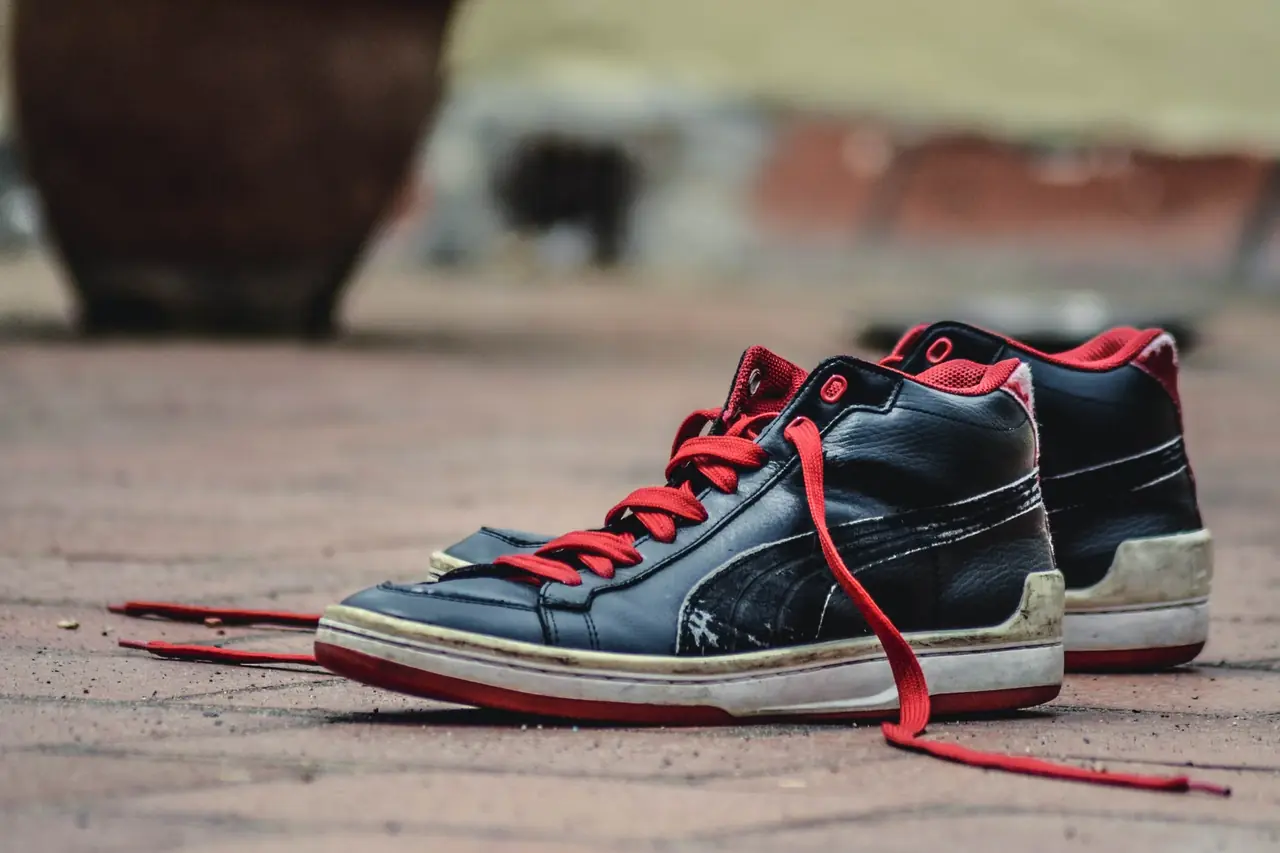
The comparison between Nike Vomero 18 and Vomero Plus is not about a simple increase in foam, but about two different ways of understanding comfort on the road. Both are aimed at daily training, long runs, and days with tired legs, but the feel when you put them on changes clearly: the Vomero 18 seeks a more versatile balance, while the Plus takes cushioning a step further, with a softer ride and a more enveloping feel.
In practice, the difference matters because not every pair of legs asks for the same thing. Vomero 18 combines ReactX and ZoomX to offer more response and a support base that is easier to move, while Vomero Plus bets on an all-ZoomX midsole, a taller platform, and a more protective character. The result is a duel between a highly comfortable shoe that still lets you run and another that prioritizes a cushioned feel without completely hiding a certain agility.
Two ways to cushion the same mileage
The Vomero line was born within Nike’s reorganization to simplify its road-running catalog. Pegasus became associated with versatility, Structure with stability, and Vomero with comfort. Within that family, the Vomero 18 occupies the entry step and the Vomero Plus sits one rung above in luxurious feel and amount of foam underfoot. They are not absolute rivals; they are sisters with nuances. One wants to be the all-round shoe for easy miles, the other aims to become a kind of highway armchair for adding kilometers without punishing the legs.
That nuance is noticeable from the very first step. The Vomero 18 has a more structured midsole, with a blend that better distributes the work between cushioning and energy return. The Plus, by contrast, sinks the runner a little deeper into the foam and delivers a very pronounced softness, especially in the heel. For anyone coming from firmer models, the difference is immediately noticeable; for anyone already looking for that plush feel, the Plus is more convincing and more extravagant in the best sense.
The intended use also changes. The Vomero 18 fits better when training is not limited to easy jogging: it can handle moderate pace changes, light intervals, and days when the body wants comfort but does not entirely give up on propulsion. The Vomero Plus, on the other hand, feels more natural on easy runs, recovery days, and long sessions where the priority is finishing with your legs intact. Its strength is protection, not liveliness.
What changes underfoot: foam, height, and geometry
The most important technical difference is in the midsole. Vomero 18 mixes ReactX and ZoomX, a combination that aims for softness with a useful touch of firmness so you don’t lose too much control. In the Plus, Nike goes all in with a 100% ZoomX midsole, a choice that increases the sensation of bounce and softness, although it also makes the ride somewhat more dependent on the type of foot strike and the runner’s weight. In theory, more ZoomX should mean more dynamism; in practice, geometry matters as much as foam.
The numbers help clarify the picture. The Vomero 18 reaches 46 mm in the heel and 36 mm in the forefoot, with a 10 mm drop. The Vomero Plus sits at 45 mm of stack height in the heel and also maintains a 10 mm drop. The height difference is minimal, almost invisible in a brochure comparison, but the feel is not. The Plus distributes support over a more generous base and with a more pronounced rocker, so the stride flows with a more obvious curve; the 18 delivers a somewhat more natural and less flashy ride.
That more pronounced rocker on the Plus does not just help the foot roll through. It also adds stability in motion when the cushioning is very high, something key in a shoe of this size. It is a subtle correction, not a gimmick. It’s like gently pushing a boat from the stern so it moves straight: it doesn’t change the sea, but it does change the direction. The Vomero 18, with its mixed recipe, feels a bit easier to settle into rhythm when the runner wants to alternate comfort and cadence.
Weight also separates the two models. The Vomero Plus is around 292 grams in the men’s version, while the Vomero 18 is around 325 grams for men and 263 grams for women, according to published test references. In real feel, the Plus may seem lighter than the scale suggests because of the softness of the whole package, although it remains a large shoe. The 18, despite its volume, feels somewhat more worked-in at toe-off and gives less of a block-like impression.
Fit, last shape, and upper feel
The upper is another point where character differences appear. The Vomero 18 features an engineered mesh upper with well-placed reinforcements and a generally generous fit, designed to accommodate different foot shapes without excessive pressure. The tongue is well padded and the heel area feels carefully finished, with a pleasant contact that avoids rubbing on long sessions. It is a shoe that tries to be friendly from the moment you slip it on until the workout ends.
The Vomero Plus maintains that comfort philosophy, but with a more elastic and modern feel in the fabric. The upper hugs without squeezing and gives an impression of softness similar to a premium lounge material, closer to a comfortable garment than to a rigid performance piece. For wide feet or for those who appreciate a bit of room in the forefoot, the overall package is especially interesting, and there is also a wide option in some markets. The collar and tongue are bulkier than in more performance-oriented models, which adds comfort but can also feel warm in summer.
In a direct comparison, the Vomero 18 seems a bit more compact and coherent when the pace picks up slightly. The Plus, by contrast, delivers a very clear sense of luxury, although the heel may feel less locked down while standing still than the firmness it offers once in motion. That is an important difference: feeling good on the foot does not always mean holding it in the same way. A very soft shoe can be comfortable when walking and, when running, become extraordinarily stable thanks to the dynamics of movement itself. That is the case here, especially with the Plus.
How they actually run: easy runs, recovery, and long runs
The most useful reading of this comparison appears when both shoes leave the table and hit the road. The Vomero 18 offers a more balanced feel, with a touch of firmness that makes it easier to change pace, link training blocks, and maintain an efficient stride without relying so much on foam rebound. It is a convincing option for those who log a lot of weekly mileage and want a model that doesn’t drag too much when training calls for more than a cheerful stroll.
The Vomero Plus, by contrast, is a shoe with a more voluptuous feel. Its strength lies in continuous comfort, in that deep-cushioning effect that protects for mile after mile. On recovery runs and smooth long runs, its proposition makes complete sense. The foot rests more, the muscles complain less, and contact with the ground becomes almost secondary. For heavier runners or for those who appreciate a more forgiving platform, the experience can be especially good.
That said, the Plus is not a fast shoe. It can be sped up, but it doesn’t encourage it enthusiastically. The Vomero 18, while not a racer and never pretending to be one, has a bit more spark in transitions and a more convincing behavior when cadence increases. That is where the major divide between them appears: the Plus prioritizes absorption and the 18 prioritizes balance. One protects more; the other responds better. That sentence, repeated in different tests, sums up the matter quite well without needing embellishment.
It is also worth looking at stability from real-world use. With so much midsole height, either shoe might seem delicate at first glance, but the wide base and rocker help more than you might think. The Vomero Plus is surprising because, despite its thickness, it stays fairly stable once in motion. The Vomero 18, being less extreme in feel, gives a bit more reassuring sense of security for runners who don’t want to wrestle with the foam. Neither is a classic control shoe; both work best for neutral foot strikes or very mild pronation.
Price, value, and who each one is for
Price also tips the scales. The Vomero 18 launched with a reference price of 150 euros in some European tests, while the Vomero Plus is positioned around 170 or 180 euros depending on the market and the time of sale. That difference is not huge in absolute terms, but it is visible enough to demand a real justification. And it has one: the Plus offers more foam, a more maximalist experience, and a feel closer to the high end of comfort.
However, value is not measured only by the amount of material. The Vomero 18 may be the smarter choice for anyone who wants one training shoe with a wider range of uses. The Plus, for its part, is more specific, more indulgent if you will, and more rewarding when the goal is maximum cushioning. If the runner alternates paces and wants an everyday tool with some character, the 18 comes out ahead. If the absolute priority is pampering the legs, the Plus wins.
In today’s market, that contrast makes sense because Nike has covered two close but not identical niches. The Vomero 18 competes in the daily trainer zone with lots of comfort; the Plus moves closer to the territory of pure max-cushion shoes, where models like the Gel-Nimbus, Glycerin Max, or the Invincible line also play, and whose spirit it partly inherits. The decision depends not only on taste, but also on the runner’s body and how they absorb impact.
Those who weigh more, spend many hours on their feet, or stack up slow miles usually appreciate the Plus. Those who prefer to feel a bit more ground, a less mushy transition, and a more straightforward response in gentle pace changes usually find more balance in the Vomero 18. That is the real key to the duel: there is no universal winner, only a very clear difference in use. Choosing well here means choosing the kind of fatigue you want to avoid.
Which shoes they resemble and why they are not the same
The most logical reference for understanding the Vomero Plus is other heavily cushioned shoes. The Brooks Glycerin Max shares that idea of a high platform and lots of comfort, though with a different personality and a lower drop. The Puma MagMax Nitro also enters that conversation thanks to its noticeable bounce and strong underfoot presence, while the Asics Gel-Nimbus 27 represents the classic route to stable comfort, a bit less playful but very consistent. None of them copies the others; they simply solve the same problem with different accents.
Compared with them, the Vomero 18 has a more versatile and less extreme profile. It does not aim to be the softest shoe on the shelf or the most agile, and precisely for that reason it can occupy a more natural place in a real rotation. It is the one that best understands the day-to-day of a runner who mixes easy runs, recovery, and the occasional somewhat livelier workout. The Plus seduces by excess; the 18 convinces by balance. That is a good way to sum them up without falling into empty simplifications.
There is also an aesthetic and conceptual difference. The Plus gives off a sense of technical luxury, almost like a civilized prototype, with a more substantial presence. The 18, although big, looks less bulky and fits better into the idea of a training shoe that still retains some agility. It is no coincidence that many comparisons end up saying the Plus is more special and the 18 more usable. In shoes, as in cooking, sometimes the richest recipe is not the one you want every day.
The journalistic takeaway from the comparison
The Vomero family confirms that Nike has chosen to divide comfort into tiers rather than a single giant proposition. Vomero 18 and Vomero Plus are not competing to dethrone each other; they split the territory between those who want a highly protective but still versatile shoe and those who seek maximum cushioning without too many compromises. In both cases, there is a clear commitment to comfort as the central argument, something that fits a market increasingly open to large-volume models for training without drama.
In a cold analysis, the Vomero 18 is the more well-rounded purchase for most runners who train regularly and do not want a shoe to dictate too much. The Plus, by contrast, has more personality and more foam, two virtues that also become limits when the pace increases or when the runner prefers a more lively response. It is not worse; it is more specific. And that, in a well-structured catalog, is exactly how it should be.
The practical conclusion is quite clear: Vomero 18 for balance, Vomero Plus for maximum comfort. Two very similar names, two different sensations, and the same underlying goal, which is none other than running with less punishment. Anyone choosing between them is not just choosing a shoe, but a way of adding miles. And that is the real difference.
Este artículo contiene enlaces de afiliado: si compras a través de ellos, se genera una pequeña comisión sin coste adicional para ti. Más información.



How to prevent thigh chafing: causes and real solutions

Women’s running windbreakers: seven jackets and how to choose

Do more workouts get rid of soreness? A guide for runners

Jaén Half Marathon 2026: Record 3,800 Runners Registered

Men’s short running tights: how to choose the right pair

World Triathlon confirms data breach involving medical data

Izan Edo targets podium at Miyazaki World Cup

María Pérez ranks ninth in World Athletics’ 2026 top ten

Dos Santos, Duplantis and Sawe: World Athlete of the Year finalists

San Silvestre Vallecana 2026: 42,000 places, prices and start times

 Races3 months ago
Valencia Half Marathon 2027: date and registration

 Races3 months ago
Valencia Marathon 2026: entry, ballot and course

 Reviews and Comparisons4 months ago
Asics Gel-Roadmiles 3 for men: review and current price

 Reviews and Comparisons4 months ago
Asics Gel Sonoma 8 Gore-Tex: complete analysis for trail and rain

 Sneakers3 months ago
Saucony Endorphin Pro 4: full review and verdict

 News5 months ago
Strava API 2026: what changes for clubs, challenges and runner apps?

 Reviews and Comparisons5 months ago
Nike Alphafly 3: opinions, sensations, and real key points

 Reviews and Comparisons4 months ago
Under Armour running shoes review 2025-2026: models and key features

 Sports Equipment4 months ago
Shoe sizes in cm: a clear guide to getting the right fit for your footwear

 Sneakers3 months ago
Skechers GO RUN Consistent 2.0 analysis: comfort and limits

 News5 months ago
Valencia Marathon 2026 route: key tips to train and run better

 Sneakers4 months ago
Adidas Adizero Boston 13 for men: review and verdict