Reviews and Comparisons
Xiaomi Redmi Watch 5 Lite vs Active: key differences and which one is worth it
A clear comparison of design, display, battery, and features to decide between two Xiaomi watches that look very similar on the outside.

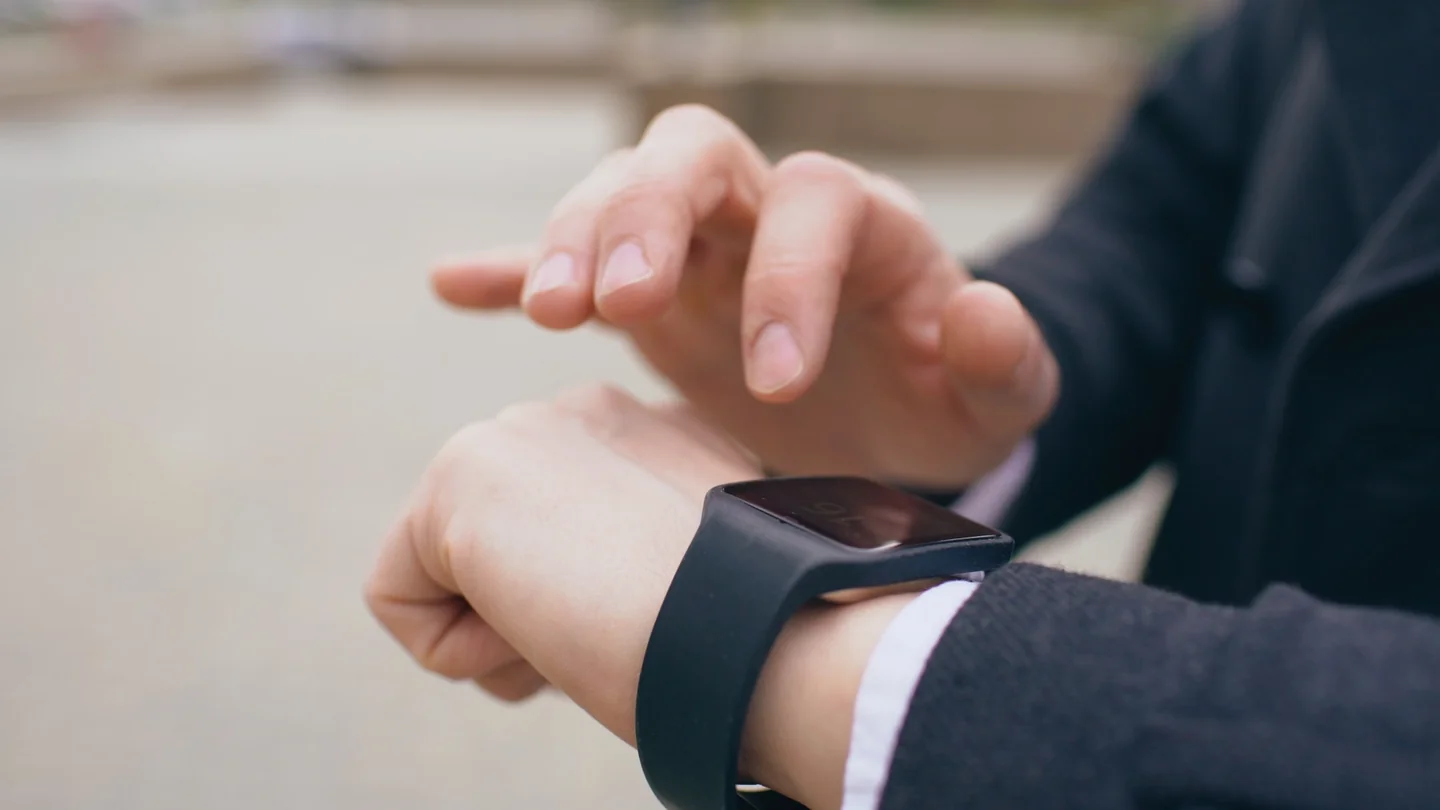
The comparison between the Redmi Watch 5 Lite and the Redmi Watch 5 Active comes down to a simple idea: both are aimed at users who want an affordable, lightweight watch with useful everyday features, but they are not in the same league when it comes to the display, the finish, and the overall precision of the package. The Lite is the more balanced model; the Active cuts back on looks and technical specs to lower the price.
In practice, that means the choice depends less on a major difference in basic features and more on what you value most in a cheap smartwatch: a sharper AMOLED display, a better-finished body, and a more pleasant experience, or a lower cost even if you have to live with a more modest LCD panel and a simpler design. That is where the real crossroads lies.
Two watches that look very similar from the outside, but not in experience
At first glance, the two watches convey the same philosophy: square format, compact size, and a general-purpose approach. They are not trying to impress like an advanced sports watch or compete with much more expensive ranges. Their territory is the everyday wrist, the one that goes from public transport to the office, from a walk to the gym, and back home without ceremony.
However, there is a real difference in perception when using them. The Redmi Watch 5 Lite offers a more polished feel, closer to what you expect when you open the box and find a cheap watch that doesn’t look cheap. The Active, on the other hand, prioritizes cost-cutting and that shows especially on the front, where the screen and bezels set the distance between a decent product and one that feels a bit more convincing.
That nuance is far from minor in a device you look at dozens of times a day. A smartwatch lives on immediacy: time, notifications, steps, heart rate, alarms, weather. If the screen responds well, the watch feels better than it costs. If the screen falls short, every glance reminds you that compromises were made.
Display: AMOLED versus LCD, and that changes almost everything
The clearest difference between the two models is the display. The Redmi Watch 5 Lite has a 1.96-inch AMOLED panel with a resolution of 410 x 502 pixels and a density of 332 ppi. The Redmi Watch 5 Active, meanwhile, uses a 2-inch LCD with a resolution of 320 x 385 pixels and 250 ppi. On paper, the gap may seem reasonable; once powered on, it becomes much more obvious.
The Lite’s AMOLED offers deeper blacks, better contrast, and a more pleasant reading experience indoors and outdoors. Icons, menus, and watch faces look sharper, almost as if the watch had been designed to look more expensive than it is. The format also helps, with bezels that feel less bulky and give the display a better visual presence.
The Active, by contrast, opts for a simpler matrix and that translates into an image that is more muted and less precise, with noticeable bezels and an overall look that feels more functional than attractive. It does not ruin the experience, but it does downgrade it. On a sunny day, that difference becomes even more pronounced: the readability of such a panel depends much more on brightness and wrist position.
For anyone who uses the watch as an extension of the phone and wants to read alerts at a glance, the Lite is clearly more comfortable. The Active can do the job without problems for basic information, but the visual feel is different. And in a smartwatch, first impressions are not just decorative: they are part of the utility.
Design, weight, and wrist feel
The specs for both models show similar dimensions and very light weights. The Redmi Watch 5 Lite weighs about 29.2 grams without the strap, with a 48.1 x 39.2 x 10.6 mm body. The Active weighs around 30.6 grams without the strap and measures 49.1 x 40.4 x 11.4 mm. The real difference is small, but enough for the Lite to feel a bit slimmer and less bulky.
The finish also separates the two watches. The Lite uses plastic with an NCVM treatment, a sober solution aimed at giving a more refined appearance without driving up the cost. The Active uses a plastic frame with spray-coated metal finish, a formula intended to strengthen its exterior presence, although it does not always manage to disguise the feel of an entry-level model. Neither is meant to be luxurious, but one conveys more refinement than the other.
In daily use, those differences affect something that often goes unnoticed in spec sheets: perceived comfort. A thinner watch, with a cleaner screen and less distracting bezels, integrates better on the wrist. It may not weigh dramatically less, but it is less visually intrusive. And in the wearable space, that matters almost as much as the numbers.
The Active has a more sporty, robust profile, aimed at users who prioritize a simple aesthetic and a tighter budget. The Lite fits better into a more complete product logic: it doesn’t stand out for extravagance, but for balance. It is the difference between a watch that does the job and one that, in addition, doesn’t apologize for doing it.
Health and sports features: similar in the essentials, different in the details
In the health section, both share the foundation most users expect in this price range: heart rate monitoring, sleep tracking, activity tracking, and multiple sports modes. They also let you receive notifications and manage Bluetooth calls, a feature that has already become part of the standard for these budget watches.
Where important nuances appear is in the amount of information each one can provide. The Redmi Watch 5 Active adds SpO2 tracking, meaning blood oxygen measurement, a metric that many cheap watches already include but that remains useful as a general reference. On the Lite, the proposal is more focused on essential functions and on a less ambitious use case.
The most relevant difference for anyone who goes running, walks around the city, or trains recreationally is route recording. The Active does not include built-in GPS, so it cannot map a route independently. The Lite does offer built-in GNSS, a feature that changes the watch’s profile quite a bit: it lets you go out for a workout without relying on the phone for geolocation and get more complete tracks.
For running, that detail has real value. We are not talking about an advanced training watch, but it is a more useful tool for anyone who wants to see distance, pace, and route with some independence. The Active is still fine for counting steps, monitoring heart rate, and tracking basic sessions; the Lite, by contrast, adds a layer of usefulness that brings it closer to the typical active user.
Connectivity, calls, and system: a shared foundation
Both watches run Xiaomi HyperOS and are compatible with Android 8.0 and iOS 12.0 or later. In both cases, pairing with the phone relies on the Mi Fit app, now integrated into Xiaomi’s usual wearable ecosystem. The overall experience is simple and does not require learning a complex system.
On connectivity, both share Bluetooth 5.3 and Bluetooth call support. This allows you to answer or reject calls from your wrist without taking your phone out of your pocket, a very practical function for commutes, at home, or during a light workout. It does not turn the watch into a communications hub, but it does give it clear everyday usefulness.
The difference is more about the overall package than the feature list. Thanks to its better screen and GNSS inclusion, the Lite feels more complete as a product. The Active delivers on the basics, but its appeal rests more on price than on the full experience. It is a subtle distinction on a spec sheet, but clear in use.
If the priority is checking notifications, telling the time, taking calls, and tracking basic metrics, both work. If, in addition, you want information to be easier to read and the watch to better support walking or running sessions without always depending on the phone, the balance tilts toward the Lite.
Battery: same advertised endurance, different internal capacity
In terms of battery life, Xiaomi places both at around 18 days of normal use, a very good figure for a watch of this type and especially convenient for anyone who does not want to live attached to a charger. The Lite and Active both have a 470 mAh battery, enough capacity to sustain that promise in typical scenarios.
The explanation for why the Active, despite its simpler screen, does not get a clear advantage in battery life may lie in the internal balance of the whole setup and real-world use, which always depends on brightness, notifications, automatic heart rate monitoring, and measurement frequency. Even so, the official comparison paints a pretty clear picture: neither stands out by lasting much longer than the other.
The important point here is not which one lasts two extra days, but that both offer generous battery life for the segment. Charging a smartwatch every two and a half weeks changes the experience a lot compared with watches that need constant charging. In this case, battery life separates them less than the screen or the presence of GPS.
For occasional sports use, that endurance is a relief. A watch that lasts does not become another worry. And in cheap devices, that peace of mind is also part of the final value.
Price and value for money: where the choice becomes obvious
The price gap between the two models explains much of the debate. In the international market, the Redmi Watch 5 Active is often seen as the cheaper option, with prices in some stores starting around 2,600 rubles, while the Redmi Watch 5 Lite has appeared at around 3,700 rubles. In Spain, the range varies depending on promotions and retailers, but the logic remains the same: the Active costs less and the Lite asks for a small extra effort.
That step makes sense when set against what each one offers. The Active is attractive because of the price, yes, but it cuts back on screen quality and visual experience. The Lite better justifies the difference thanks to its AMOLED, a more pleasant reading experience, and integrated GNSS. In other words: the Active saves money, the Lite saves frustration.
In a rational purchase, that matters a lot. A watch is not paid for by the sticker price alone, but by everything you see and touch afterward. If the user is going to wear it every day, screen quality and tracking accuracy usually justify the small price increase. If the goal is to spend as little as possible, the Active still has a very clear reason to exist.
The final balance depends on the usage profile. In a market where catalogs are full of nearly identical watches, this Xiaomi pair shows a real difference: one leans more toward value in itself; the other, toward the entry price.
What each one brings to the wrist of an amateur runner
When it comes to running, the Redmi Watch 5 Lite comes out ahead. Not because it is a pure sports watch, which it is not, but because it includes a more useful GPS for recording outings without relying so much on the phone and because its screen makes it easier to read pace, distance, or alerts during a workout. For anyone running in parks, promenades, or urban routes, that clarity makes the difference.
The Active is still valid for recreational use and, in fact, may be enough for occasional runners who only want to track general activity and check their heart rate. But its LCD screen conveys less precision, and the lack of integrated geolocation puts it a step behind in convenience for autonomous running.
There is also a matter of perception while moving. A watch with a better panel and better contrast helps you check data on the go without stopping. It may seem minor, but during a run in harsh light or after a long straight stretch, looking at your wrist and reading it clearly is part of the experience. The Lite handles that better.
So, if sports use is going to be a regular presence even if not intensive, the Lite fits better. If sport will be secondary and the watch will mostly serve as a lightweight phone companion, the Active can do the job without requiring a bigger budget.
The verdict this comparison leaves behind
The answer is actually quite clear. The Redmi Watch 5 Lite is the more balanced purchase because it combines a better screen, a better overall feel, and integrated GNSS, three elements that elevate the experience beyond the bare minimum spec sheet. It is the model that ages best in everyday use, exactly where a smartwatch proves whether it is worth it.
The Redmi Watch 5 Active, for its part, makes sense when price comes first above everything else. It delivers notifications, heart rate, sleep, and Bluetooth calls, but it does so with a clearly more modest screen and a less pleasant presence. It is enough, yes; more convincing, not so much.
The comparison between the two does not pit two very different watches against each other, but two ways of cutting costs within the same product idea. One lowers the price by sacrificing visual quality. The other keeps a more solid base and raises the bar slightly without moving into expensive territory. For most users, especially those who also go running or want a more wrist-friendly wearable, the Lite ends up being the more sensible option.
In a category where budget decides almost everything, this specific difference matters more than any decorative touch. And that is the key to the purchase: not choosing the cheapest one, but the one that best prevents the savings from becoming noticeable every time you raise your wrist.
You may also like: Xiaomi Redmi Watch 5 Lite white: specs, battery, and key features and Redmi Watch 5 vs Redmi Watch 5 Active: differences and which one is worth it.
Este artículo contiene enlaces de afiliado: si compras a través de ellos, se genera una pequeña comisión sin coste adicional para ti. Más información.



How to prevent thigh chafing: causes and real solutions

Women’s running windbreakers: seven jackets and how to choose

Do more workouts get rid of soreness? A guide for runners

Jaén Half Marathon 2026: Record 3,800 Runners Registered

Men’s short running tights: how to choose the right pair

World Triathlon confirms data breach involving medical data

Izan Edo targets podium at Miyazaki World Cup

María Pérez ranks ninth in World Athletics’ 2026 top ten

Dos Santos, Duplantis and Sawe: World Athlete of the Year finalists

San Silvestre Vallecana 2026: 42,000 places, prices and start times

 Races3 months ago
Valencia Half Marathon 2027: date and registration

 Races3 months ago
Valencia Marathon 2026: entry, ballot and course

 Reviews and Comparisons4 months ago
Asics Gel-Roadmiles 3 for men: review and current price

 Reviews and Comparisons4 months ago
Asics Gel Sonoma 8 Gore-Tex: complete analysis for trail and rain

 Sneakers3 months ago
Saucony Endorphin Pro 4: full review and verdict

 News5 months ago
Strava API 2026: what changes for clubs, challenges and runner apps?

 Reviews and Comparisons5 months ago
Nike Alphafly 3: opinions, sensations, and real key points

 Reviews and Comparisons4 months ago
Under Armour running shoes review 2025-2026: models and key features

 Sports Equipment4 months ago
Shoe sizes in cm: a clear guide to getting the right fit for your footwear

 Sneakers3 months ago
Skechers GO RUN Consistent 2.0 analysis: comfort and limits

 News5 months ago
Valencia Marathon 2026 route: key tips to train and run better

 Sneakers4 months ago
Adidas Adizero Boston 13 for men: review and verdict