Health and Nutrition
Best sports drinks for Dry January: a runner’s guide
Alcohol-free options for January: flavor, hydration, electrolytes, and what to choose according to each time of day.

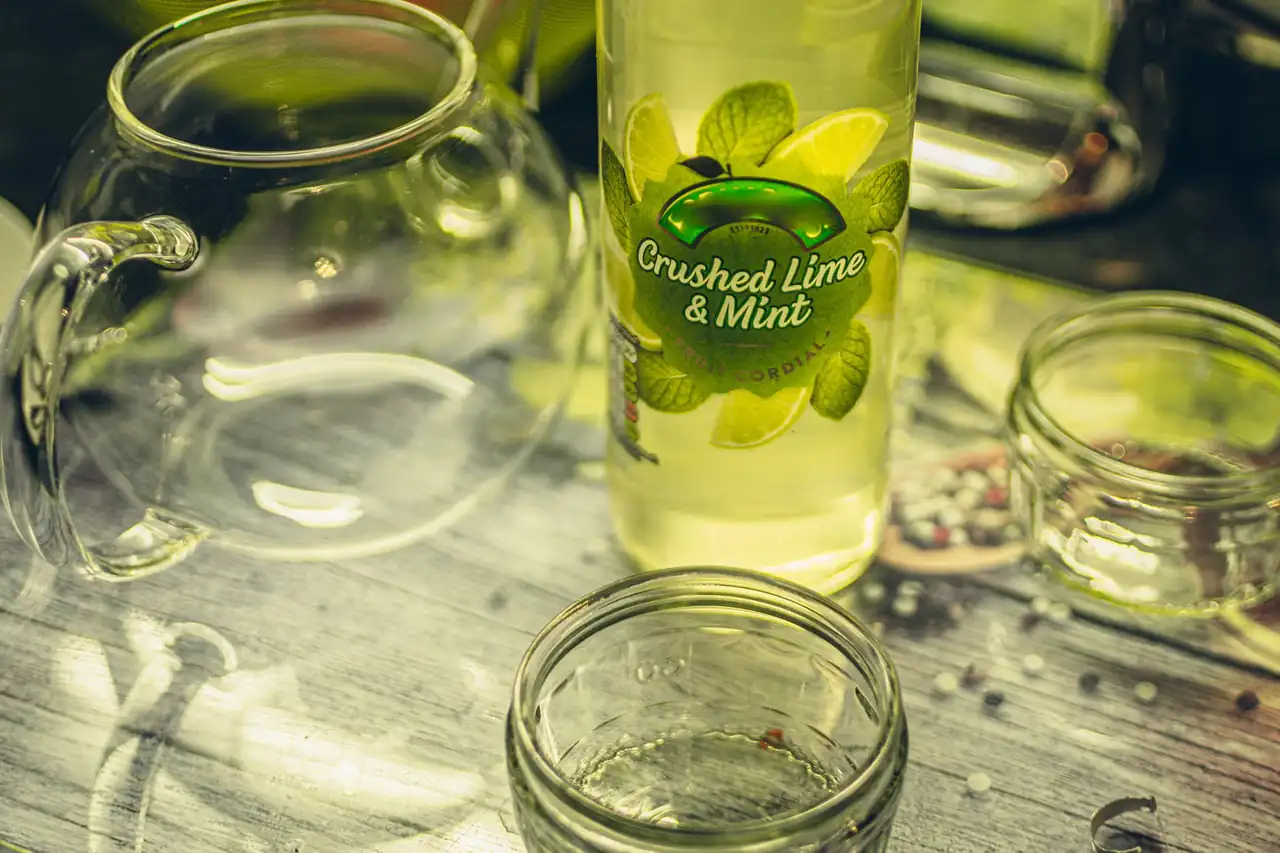
January can change what you reach for after a run or when plans call for a toast: less alcohol, more water with character. The best sports drinks for a Dry January can offer hydration, flavor, and a sense of ritual when you cut back or stop drinking. For runners, the useful choices are often simple: water with electrolytes when the session calls for it, lower-sugar blends, and citrus or herbal flavors that are appealing before or after a run.
The rise of this type of drink responds to a very specific need. During a month when many people cut out alcohol, the social routine is still there: dinners, sofa plans, training sessions, and long afternoons that call for something more than tap water. A good choice should refresh, provide salts if needed, and avoid excess sugar, without becoming a disguised soft drink with healthy marketing. On the market there are options with adaptogens, probiotics, tea, kombucha, sparkling water, and functional blends; not all of them serve the same purpose, and that is the key.
What a useful drink should provide in January
The first difference between a drink that hydrates and one that merely entertains lies in its composition. If you sweat from training, you need fluids and electrolytes; if you want to replace the gesture of pouring yourself a glass at the end of the day, texture, bubbles, bitterness, or a hint of acidity also matter. The body does not always ask for the same thing, even if habit presents it as a single need. That is why in January it is worth separating the functional from the celebratory.
Drinks with sodium, potassium, and magnesium can help you recover better after a demanding outing or a gym session, especially if it is cold and thirst can be deceptive. Meanwhile, other formulas emphasize botanical ingredients, mild caffeine, or compounds such as L-theanine and ashwagandha. They are not equivalent. The first are designed for replenishment; the second, to offer a calm or sophisticated profile without alcohol. Choosing well avoids drinking something nice-looking that does not fit what the day truly needs.
Sugar also matters. In a month that usually comes loaded with excess, many people aim to cut calories without losing pleasure. The most sensible versions usually fall between 0 and 60 calories per container, with a moderate sweetness level or none at all. That does not mean they should be bland: lemon, grapefruit, ginger, cucumber, hibiscus, lime, rosemary, or black tea can provide enough structure for the drink not to feel flat. Often, the difference lies in balance, not intensity.
The drink families that fit best
If you look at the full map, several useful families appear. There are classic hydration drinks, with water, salts, and a mild aroma; sparkling drinks, which replace the feeling of a glass very well; tea and kombucha options, which provide body and a gentle acidity; and functional formulas that add ingredients such as adaptogens or probiotics. Each one solves a different moment of the day, and that is a big part of their value.
Sparkling drinks usually win in social settings. The bubbles trick the palate with a sense of complexity that recalls a mixed drink, even when there is no alcohol or aggressive sweeteners. Flavored waters also work very well, especially if they contain citrus or fresh herbs. By contrast, iced teas, iced coffees, and drinks based on mate or kombucha are more interesting when what you want is a routine replacement, not a copy of a drink.
At bottom, the question is not which product is trendy, but which one most closely matches the moment you want to cover. After running, replenishment takes priority; at the table, pleasure takes priority; before bed, lightness and calm take priority. The same brand can work for one scene and fail in another. That is why it is worth looking at the package as someone reading a bar menu, not as someone shopping blindly.
Best-fitting options for training and recovery
For those who keep going out for a run during January, electrolyte drinks make a lot of sense. They are not miraculous, but they do cover a basic need when the effort has been notable, there has been sweating, or training has been long. Formulas with sodium are usually the most useful for real rehydration, while potassium and magnesium round out the profile. On a cold morning, moreover, a drink with slight acidity and a clean flavor can go down better than a plain glass of water.
Some functional drinks include added ingredients such as vitamins, probiotics, or apple cider vinegar. The latter adds a sharper profile and can be interesting for those who prefer less sweet drinks. They are not essential for hydration, but they broaden the repertoire when the goal is to get through the month without falling into boredom. Useful hydration does not have to be boring, but it should be clear in its purpose.
It is worth watching out for excess caffeine on days when fatigue is already present. An iced coffee or a mate tea can help in the morning, but they do not always fit after an evening run or on days with accumulated sleepiness. The body appreciates a cleaner, more moderate drink more than an overly ambitious combination. In January, consistency usually beats showiness.
The most interesting options for the table and the sofa
When the goal is to replace the social gesture of drinking, botanical and sparkling drinks have the edge. Some are inspired by classic nonalcoholic cocktails, such as gin and tonic-style versions with cucumber, bitter orange tonics, or blends playing with juniper, rosemary, and citrus. The real value lies in the grown-up feeling: a very cold glass, a lime slice, large ice cubes, a subtle bitterness. All of that does far more than a list of ingredients.
Drinks with bubbles and low calorie loads are usually the most versatile for light dinners, snacks, or gatherings. A base of sparkling water and vegetal flavor can work with nuts, hummus, or canned fish; a grapefruit-and-herb blend pairs better with savory dishes; a sweeter option, with pomegranate or peach, goes well with dessert. The drink should accompany the dish, not distract from it. When that happens, Dry January stops feeling like sacrifice and starts to feel like a sensible reorganization.
There is also a very useful middle ground: drinks with tea, infusions, and spices. Hibiscus, ginger, cinnamon, cardamom, mint, or lemon have a remarkable ability to add depth without weighing down the palate. In winter, those flavors also evoke home cooking, hot cups, and long after-dinner conversations. If alcohol used to occupy that space, these alternatives do not imitate it by force, but they do translate it into a lighter language.
What to look for on the label
The label remains the least flashy and most important part. The first useful detail is the sugar per serving. Many drinks that look healthy hide a sweet load that gets too close to a soft drink. The actual serving size also matters, because some cans look small but contain two servings. If the goal is to sustain an entire month sensibly, these details count.
Then there is the type of functional ingredient. L-theanine and ashwagandha appear in some drinks aimed at rest or calm; probiotics and apple cider vinegar point to another kind of use; electrolytes address recovery and hydration; tea or coffee provide stimulation. Not all promises work well together. A drink can be good after training and less suitable at night. Another may be ideal for socializing but weak as sports support.
Alcohol level also deserves attention when it comes to nonalcoholic alternatives to wine, beer, or spirits. In many countries, a drink labeled as nonalcoholic can contain up to 0.5% alcohol by volume if it has been dealcoholized. For most consumers that is not a problem, but anyone who wants absolute zero should check the package carefully. In January, nuance matters as much as intention.
What works best depending on the time of day
In the morning, a drink with some acidity and little sugar can be more awakening than a heavy blend. Iced tea with lemon, sparkling water and grapefruit, or even a mild iced coffee help you start without feeling as if you have entered dessert territory. The morning calls for cleanliness and clarity. If there is also a workout, the salts can add value when the session has been demanding or sweating has been high.
During lunch or after the meal, sparkling and botanical options fit better. They have presence, but they do not overwhelm. A drink with cucumber, herbs, or light bitters recalls the structure of a dry cocktail and works well with savory dishes, rice, warm salads, or simple tapas. If the meal is already intense, it is best to avoid drinks that are too sweet, because they compete instead of accompany.
At night, the situation changes. That is where calmer options usually win: herbal teas, caffeine-free blends, spiced milk, drinks with vanilla notes, or mild functional formulas. Night does not need sparkle; it needs a landing. A drink that helps lower the revs does not have to taste like medicine or punishment. It can have texture, aroma, and a measured touch of sweetness, as long as it does not push the body upward when it is already trying to come down.
Which types tend to offer the most real value
Among all the categories, some usually offer the best balance of flavor, function, and ease of use. Electrolyte waters are probably the most coherent option for anyone who trains regularly. Low-sugar sparkling drinks work very well in social settings. Tea or kombucha drinks add complexity and usually work better in the late morning or afternoon. And nonalcoholic botanical formulas fill that very human gap of wanting something special in your hand.
One little-mentioned advantage is versatility. The same bottle can serve as a standalone drink or as a mixing base. A few drops of citrus, plenty of ice, or a sprig of rosemary change the tone without needing to complicate anything. In a month when many people quickly tire of the same cans, that flexibility is worth almost as much as the composition.
It is also worth remembering that taste adapts. What initially seems too dry, herbal, or not sweet enough can become ideal after a few days without alcohol. The palate readjusts quickly. That is why the drinks most highly valued in this context are not the loudest, but the ones that leave room to repeat without fatigue. That simple, almost homey criterion is what separates a curious purchase from a month-long companion.
The best choice is not always the flashiest
In January, the smartest drink is usually the one that fits the moment rather than the one that promises to solve everything. If recovery after training is what matters, electrolytes take priority. If maintaining a social ritual is what matters, bubbles, mild bitterness, and a well-served glass take priority. If getting calmly to night is what matters, lightness and the absence of caffeine take priority. Utility changes by the hour, and that is the rule that truly organizes the month.
The market has learned to offer more nuance than ever: options with adaptogens, sugar-free blends, botanical tonics, kombuchas, functional waters, and dealcoholized versions of wine or beer. Abundance, however, does not guarantee success. The best purchase will not be the most decorated, but the one that responds precisely to the body, the workout, and the social context. That is the difference between a bearable January and one that becomes a useful habit.
And, in the end, that is the most interesting part of these drinks: they do not try to erase the month, but to give it shape. A January without alcohol can still have flavor, texture, color, and a certain ceremony. You just have to choose with judgment, read the label, and understand what each moment calls for. Sometimes sobriety does not taste like absence; it tastes like a well-thought-out table.
Choosing a drink before and after a run
The right drink for running depends on the session and how much you sweat, not on the month. For an easy run, water is often enough. If you’re running for a long time or sweating heavily, a drink with electrolytes can help replace fluids and salts. Cold weather doesn’t remove the need to hydrate, though you may notice thirst less; pay attention to how you feel rather than relying only on thirst.
After a run, distinguish between replacing what the session demands and simply enjoying a more interesting drink. Options with sodium, potassium, and magnesium may suit you after a demanding workout. Sparkling drinks with citrus or herbs can bring flavor and help preserve the social ritual of Dry January. But an appealing drink or one with functional ingredients doesn’t automatically meet the needs of a hard session. Check the label and consider the sugar content, especially if you plan to drink it every day.
Timing matters, too. Before a run, choose something you enjoy and know sits well; afterwards, prioritize fluids and, when the session warrants it, consider an electrolyte drink. For a long evening or a post-dinner catch-up, bubbles, acidity, or herbal flavors may matter more than replacing what you lost in training. One drink doesn’t have to do everything. If discomfort or symptoms persist during training or recovery, consult a healthcare professional.



How to prevent thigh chafing: causes and real solutions

Women’s running windbreakers: seven jackets and how to choose

Do more workouts get rid of soreness? A guide for runners

Jaén Half Marathon 2026: Record 3,800 Runners Registered

Men’s short running tights: how to choose the right pair

World Triathlon confirms data breach involving medical data

Izan Edo targets podium at Miyazaki World Cup

María Pérez ranks ninth in World Athletics’ 2026 top ten

Dos Santos, Duplantis and Sawe: World Athlete of the Year finalists

San Silvestre Vallecana 2026: 42,000 places, prices and start times

 Races4 months ago
Valencia Half Marathon 2027: date and registration

 Races4 months ago
Valencia Marathon 2026: entry, ballot and course

 Reviews and Comparisons4 months ago
Asics Gel-Roadmiles 3 for men: review and current price

 Reviews and Comparisons4 months ago
Asics Gel Sonoma 8 Gore-Tex: complete analysis for trail and rain

 Sneakers3 months ago
Saucony Endorphin Pro 4: full review and verdict

 News5 months ago
Strava API 2026: what changes for clubs, challenges and runner apps?

 Reviews and Comparisons5 months ago
Nike Alphafly 3: opinions, sensations, and real key points

 Reviews and Comparisons4 months ago
Under Armour running shoes review 2025-2026: models and key features

 Sports Equipment4 months ago
Shoe sizes in cm: a clear guide to getting the right fit for your footwear

 Sneakers3 months ago
Skechers GO RUN Consistent 2.0 analysis: comfort and limits

 News5 months ago
Valencia Marathon 2026 route: key tips to train and run better

 Sneakers4 months ago
Adidas Adizero Boston 13 for men: review and verdict