Health and Nutrition
Calf cramps: causes, signs, and what triggers them
Calves cramp due to fatigue, hydration, posture, or irritated nerves. Signs and risks.

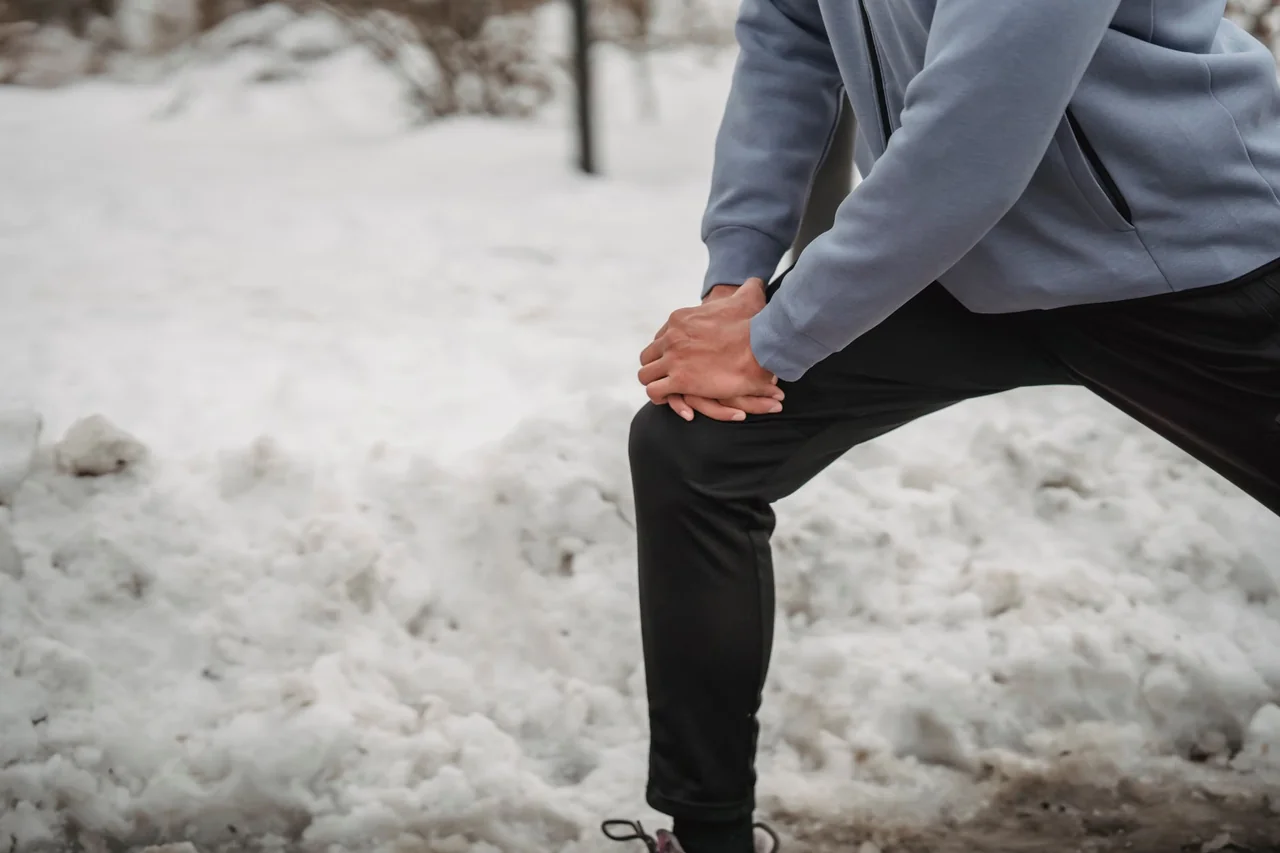
A calf cramp can appear in the middle of a run, when getting out of bed, or in the middle of a quiet night. The muscle hardens, pulls like a taut cable, and causes brief but intense pain, sometimes followed by discomfort that lasts for hours. Behind that episode there is usually not a single explanation, but a combination of overload, dehydration, neuromuscular fatigue and, in some cases, circulatory or nerve-related changes.
In runners, the most common cause is usually mechanical: a lot of work from the calf and soleus, a training progression that is too fast, heat, sweating and too little rest. In other people, the trigger lies in medication, pregnancy, lower back problems, or simply holding one position for too long. Understanding that map of causes helps distinguish an isolated episode from a sign that deserves medical review.
What happens when the calf suddenly contracts
The calf does not get stiff; it contracts involuntarily. In simple terms, the muscle enters a kind of brief lock-up in which the fibers activate all at once and fail to relax normally. The result is that hard, painful lump that many people describe as a stone in the leg. The gastrocnemius and soleus, which make up the triceps surae, work every day with every push while running, climbing stairs, or simply walking.
When that area is fatigued, it loses its ability to respond finely to the nervous system’s orders. The contraction can last seconds or several minutes, and although it usually goes away on its own, the muscle remains sensitive afterward. In runners, that post-cramp feeling can seem like a badly tightened rope or like a stab of pain that appears when the foot is put down again. It is not unusual for the episode to repeat in the same session if the effort continues.
The internal mechanics matter more than they seem. A muscle with poor ankle mobility, not well prepared for eccentric load, or insufficiently recovered reaches its limit sooner. Local circulation, ambient temperature and coordination between muscle and nerve also play a role. That is why two people with the same training can experience it very differently.
The most common causes in runners and active people
Overload is the main culprit. When the calves work too hard, the tissue accumulates fatigue and responds worse. This happens with long hills, intervals, high paces, sudden changes in volume, or sessions on hard ground. It also happens if a runner returns to training after a break and immediately resumes the same mileage. The muscle needs not only strength; it needs gradual adaptation.
Dehydration and mineral imbalance remain classic causes. Sweat carries away water and electrolytes, and in heat that effect is intensified. You do not need to become severely dehydrated to notice it: it is enough to lose fluids and not replace them properly during a long run. Sodium, potassium and magnesium participate in muscle excitability, but their role does not explain every case on its own. Even so, when exertion coincides with heat, low fluid intake and fatigue, conditions are set for cramps.
Insufficient warm-up also matters. A cold, stiff muscle tolerates explosive effort or accelerations worse. In fact, many cramps appear at the start of a run, when changing pace, or when finishing a workout with a weak aerobic base. The calf is a fast-response muscle, but it does not forgive a sudden cold start.
Inadequate footwear can add extra load. Shoes with too little cushioning, with a very low drop if there has been no prior adaptation, or shoes that are too worn alter the way the foot distributes impact. The calf compensates and ends up accumulating tension. In a runner, that detail can be the final straw in a demanding training week.
Why the pain can continue after the cramp
It does not always end when the muscle relaxes. After the episode there is a kind of afterburn: irritated fibers, residual tension and, sometimes, mild micro-injuries caused by the violent contraction. If the cramp was intense, the area may be sore when walking, stretching, or climbing stairs. That residual pain is usually not dangerous, but it does help indicate how severe the episode was.
There is another less visible reason: the initial trigger is still active. If the cause was fatigue, dehydration, or poor mechanics, the muscle may start demanding attention again soon after. In runners, insisting on training after a cramp usually makes the problem worse. The tissue needs some recovery time for excitability to drop and the movement pattern to normalize.
When pain lasts longer than expected or changes in character, it is worth considering other possibilities. A muscle tear, tendinopathy, nerve compression, or a venous problem does not behave like a simple spasm. The difference is in the details: swelling, redness, local heat, real loss of strength, or pain that does not ease with rest point to something different.
Factors that increase the likelihood of suffering them
Age, sedentary habits and lack of specific strength increase the risk, even if they seem like opposite scenarios. An underused muscle loses tolerance, and one that is used too much without rest does too. In both cases, the same problem appears: a calf that does not know how to regulate effort properly. The balance between load and recovery is as important as training itself.
Pregnancy deserves special mention. In the second and third trimesters, pressure on venous return, postural changes and weight gain favor nighttime calf cramps. Often prolonged immobility, reduced return circulation and limited ankle mobility are all mixed together. It is not a rare phenomenon, nor necessarily serious, but it is very bothersome.
Certain medications also increase the risk, such as some diuretics, bronchodilators or statins, as well as problems like diabetes, neuropathies, thyroid disorders, vascular disease or lower back pain with radiation. The calf sometimes acts as a screen for something happening higher up or lower down, from the back to the peripheral circulation. That is why it is not wise to look only at the muscle and forget the context.
How to recognize when the origin may be muscular and when it may not
The typical muscle cramp appears suddenly, with visible contraction and sharp pain. It usually lasts a short time, eases with gentle stretching, and leaves a feeling of tightness. By contrast, pain from structural injury tends to be more localized, more persistent, and less dependent on stretching. If there is a feeling of tearing, bruising, or clear loss of strength, we are no longer talking about a simple cramp.
When the problem comes from circulation, swelling, heat, color change, or heaviness are often added. If the pain appears in only one leg, does not go away, and is also accompanied by shortness of breath or chest pain, the situation requires immediate attention. It is also worth suspecting a nerve-related cause if the cramp is repeated with tingling, numbness, or pain that travels down from the back.
In runners, distinguishing between overload and injury is not always easy, because both can start after a hard session. The key is how it evolves. If the next day the discomfort is more of a diffuse tension and improves with gentle movement, it usually fits fatigue. If it still hurts when bearing weight, there is limping, or the pain spikes when stretching, more caution is needed.
What role hydration and minerals play
Hydration does not prevent all cramps, but it does reduce an important risk factor. In long races, workouts in the heat, or mountain sessions, losing fluid without enough replacement makes the muscle work at a disadvantage. The issue is not only the amount of water, but also sodium replacement when exertion is prolonged and sweating is heavy.
Magnesium, potassium and calcium often come up in any conversation about the topic, and with partial reason. They are necessary for muscle function, but there is no single cause, and no magic pill that solves every case. Real deficiencies exist, although in most active people cramping is better explained by a combination of load, heat, fatigue and movement technique. Diet matters, yes, but it should not hide the rest.
In practice, the most useful thing is to think in context. A runner who finishes with hard calves after a long outing in July does not need the same explanation as someone with repeated nighttime cramps that are not clearly related to effort. The first suggests excessive demand; the second calls for looking at habits, rest, posture, medication and possible underlying problems.
What really helps once the cramp has already appeared
Gently stretching the ankle into dorsiflexion is usually the most effective maneuver in the acute moment. The movement brings the tip of the foot toward the shin and allows the calf to lengthen little by little. Doing it abruptly, on the other hand, can worsen the discomfort. The muscle needs a calm exit, not a tug.
Gentle massage can also relieve it, especially if paired with moderate heat once the most acute phase has passed. Cold makes more sense if there is inflammation or suspected associated injury; heat, if stiffness is the main issue. Immediate recovery is about reducing tension, not forcing the tissue. Drinking fluids and, if the session was long, replacing salts may help end the episode more effectively.
What usually does not work well is continuing to run as if nothing happened. The overworked calf compensates poorly and starts complaining again. In races or workouts, the body often gives warning before breaking down completely. Stopping in time, walking for a few minutes and relaxing the muscles can make the difference between a passing scare and a more serious injury.
How to prevent them when the problem repeats
Effective prevention combines smart load, strength and mobility. A runner who wants to reduce recurring episodes needs the triceps surae to be resilient, flexible and capable of tolerating volume. That is achieved through gradual progressions, strength work, eccentric exercises and an ankle mobility routine that is not just stretching for the sake of stretching. The tissue responds better to consistency than to one-off remedies.
It also helps to review mechanics. A very long stride, poor cadence, lack of glute strength, or ankle stiffness make the calf take on more work than it should. The calf often pays other people’s bills. What starts in the hip or the foot sometimes ends up in the calf, like tension traveling up the muscle chain.
For nighttime cramps, sleeping with the feet in a slightly more neutral position, avoiding many hours of sitting still, and getting up regularly during the day can reduce frequency. It is also wise to protect rest and not turn weeks of high load into a string of micro-exhaustions. The muscle, like any material under stress, needs room to repair.
When it is worth looking beyond the muscle
An isolated episode is usually not worrying; repetition changes the picture. If cramps are very frequent, appear without relation to exercise, are accompanied by swelling, or consistently disrupt sleep, it is worth ruling out medical causes. The same applies when there is a history of thrombosis, vascular disease, diabetes, or neurological symptoms. The leg may be warning of something broader than a simple muscle spasm.
It is also wise to be more cautious if the pain does not fit a classic spasm. Discomfort that lasts for days, stiffness that limits walking, or marked tenderness when touching a specific point suggests another injury. The boundary between cramp and injury is thin, but important. Sometimes the popular name oversimplifies what is actually happening in the calf.
In a medical or physiotherapy consultation, the examination usually focuses on the pain pattern, ankle mobility, strength, hydration, medication and medical history. That combined view avoids treating as identical problems that are not. The calf, in the end, responds to the sum of habits, loads and overall context.
A small discomfort that sometimes tells a longer story
Calf cramps are common, but not trivial when they repeat. They can be a passing reaction to a hard session or the visible tip of sustained overload, poor hydration, a metabolic imbalance or a circulatory problem. The symptom is brief; the explanation almost never is. That is why it helps to read the calf like a warning light on a dashboard, not like a mere annoying alarm.
In running, that warning often appears when the muscle has worked beyond its recovery capacity. In daily life it can show up after hours sitting, at night, or during pregnancy. The key is repetition, context and associated signs. That is where an occasional cramp is separated from a condition that deserves closer study.
Knowing the causes helps avoid overreacting in fear and, at the same time, not trivializing it. The calf does more than hurt: it speaks. And when it speaks too often, it is worth listening before effort, lack of rest or a hidden cause turns a brief spasm into a persistent problem.
When the calf warns that something is not right
Most cramps do not hide an emergency, but some do require quick attention. Marked swelling, redness, local heat, pain that does not ease, real loss of strength, numbness or difficulty breathing completely change the picture. In those cases, it is not wise to assume everything is due to fatigue. The safety of the runner or any active person starts with not confusing a common discomfort with a warning sign.
Outside those scenarios, the solution often involves adjusting training, improving hydration, sleeping better, checking footwear and strengthening in an orderly way. A less overloaded and better prepared calf complains less. It sounds simple, but it rarely is: it requires repeated habits, not isolated gestures. That is where much of real prevention lies, the kind that does not promise miracles and does reduce the chance of repeating the episode.
In the end, the calf tells a story of demand and response. When demand repeatedly exceeds the muscle’s recovery capacity, the cramp appears as a sudden, almost theatrical pull that forces you to stop. Reading that scene well helps explain why it occurs, what makes it worse, and when waiting for it to pass is no longer enough.
You may also like: Why do the balls in the legs rise: causes and relief.
Medical reference: Muscle cramps, Mayo Clinic.



How to prevent thigh chafing: causes and real solutions

Women’s running windbreakers: seven jackets and how to choose

Do more workouts get rid of soreness? A guide for runners

Jaén Half Marathon 2026: Record 3,800 Runners Registered

Men’s short running tights: how to choose the right pair

World Triathlon confirms data breach involving medical data

Izan Edo targets podium at Miyazaki World Cup

María Pérez ranks ninth in World Athletics’ 2026 top ten

Dos Santos, Duplantis and Sawe: World Athlete of the Year finalists

San Silvestre Vallecana 2026: 42,000 places, prices and start times

 Races3 months ago
Valencia Half Marathon 2027: date and registration

 Races3 months ago
Valencia Marathon 2026: entry, ballot and course

 Reviews and Comparisons4 months ago
Asics Gel-Roadmiles 3 for men: review and current price

 Reviews and Comparisons4 months ago
Asics Gel Sonoma 8 Gore-Tex: complete analysis for trail and rain

 Sneakers3 months ago
Saucony Endorphin Pro 4: full review and verdict

 News5 months ago
Strava API 2026: what changes for clubs, challenges and runner apps?

 Reviews and Comparisons5 months ago
Nike Alphafly 3: opinions, sensations, and real key points

 Reviews and Comparisons4 months ago
Under Armour running shoes review 2025-2026: models and key features

 Sports Equipment4 months ago
Shoe sizes in cm: a clear guide to getting the right fit for your footwear

 Sneakers3 months ago
Skechers GO RUN Consistent 2.0 analysis: comfort and limits

 News5 months ago
Valencia Marathon 2026 route: key tips to train and run better

 Sneakers4 months ago
Adidas Adizero Boston 13 for men: review and verdict