Health and Nutrition
Home remedies for muscle soreness after running: what works
Pain and stiffness after working out: here’s how they can be relieved with safe and realistic home measures.

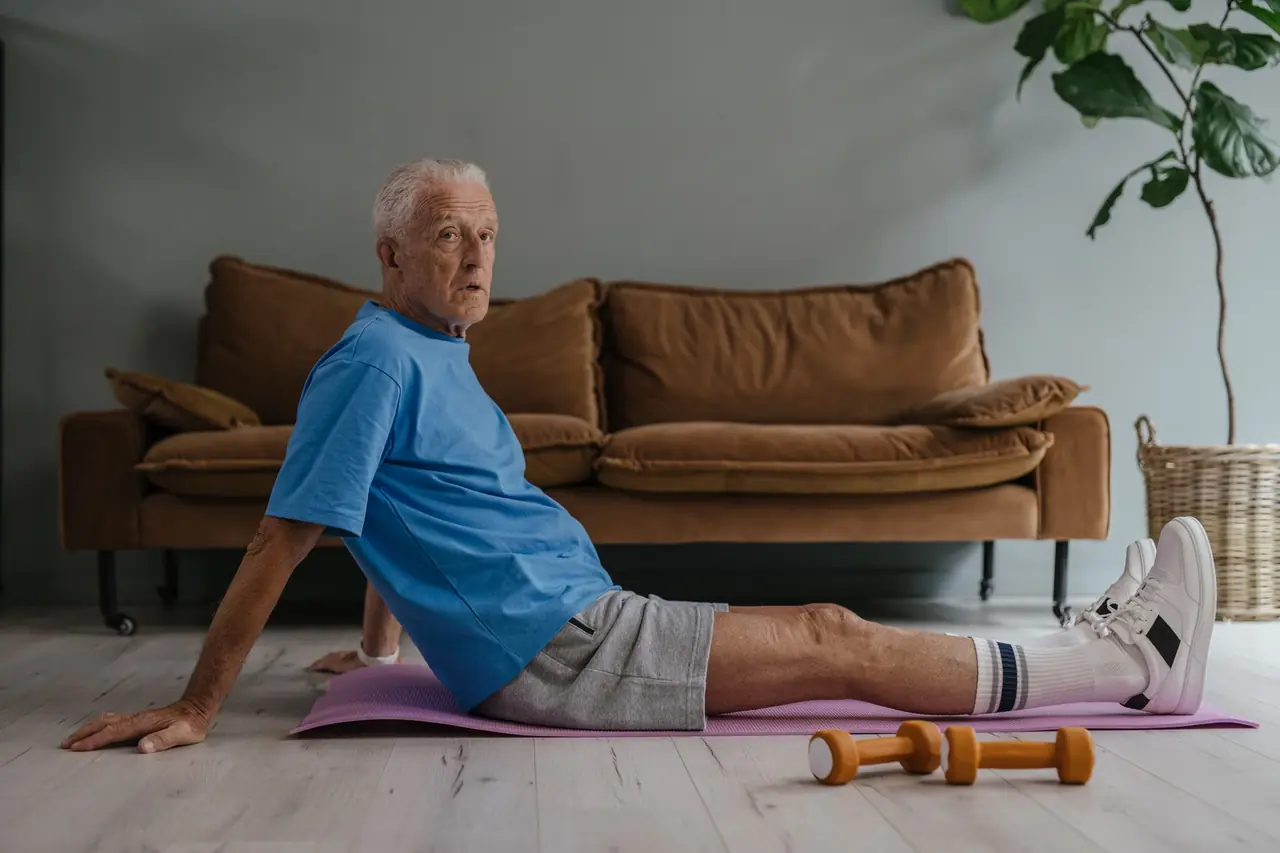
Delayed onset muscle soreness usually appears between 12 and 48 hours after intense exertion, especially when running exposes the body to a new stimulus that is longer or more demanding than usual. It does not mean the muscle is breaking down dangerously; it can be the normal response to small microinjuries and the inflammation associated with recovery.
In the case of running, it often appears after faster intervals, hills, long runs, or a return to training after several days of rest. The sensation can range from mild discomfort to stiffness that makes you go downstairs carefully, as if your legs were wearing an invisible armor. That is where some home remedies can help ease the discomfort without worsening the body’s natural repair process.
Why they hurt and how long they last
Muscle soreness does not come from lactic acid, an old idea that still circulates like a worn-out coin. What is seen in practice is diffuse muscle pain, with tenderness to the touch and temporary loss of mobility, related to eccentric exertion, lack of adaptation, or a sudden increase in load. The body responds with local inflammation, increased blood flow, and nerve signals that make every stride feel heavier than it should.
The pain peak usually arrives between the second and third day, and in most cases fades within three to five days. When training has been especially aggressive, the discomfort may last a little longer, but it usually leaves no lasting effects. The key is to distinguish expected stiffness from sharp, stabbing, or localized pain, which points to something else and not just simple soreness.
In runners, the most affected area is usually the quadriceps after downhill running and pace changes, although it also appears in the calves, glutes, hamstrings, and lower back. The feeling is as physical as it is domestic: getting up from the sofa, bending down to tie your shoes, or getting into the car becomes a small negotiation with the body.
Hydration and minerals: the least flashy foundation
Drinking enough water does not magically eliminate soreness, but it does prevent recovery from becoming more difficult. When there is dehydration, the muscle works and repairs itself less effectively, pain perception increases, and fatigue feels heavier. That is why it is worth replenishing fluids throughout the day, not only when you finish training.
Water alone is not always enough after long sessions, intense heat, or heavy sweating. In those cases, replenishment with foods rich in potassium and magnesium, or with electrolyte drinks if the effort has been substantial, can help the body regain balance more effectively. Banana, kiwi, yogurt, nuts, or a salad with fruit and seeds fit well with that idea.
There is no need to turn the kitchen into a laboratory. A glass of water, fresh fruit, and a complete meal are enough in most cases. Prudence matters more here than the appearance of a quick fix: the goal is not to reduce inflammation overnight, but to give the body the tools to get out of the jam.
Cold, heat, and contrast: when each one helps
Cold remains one of the most useful resources when discomfort comes with a feeling of inflammation or if the area is especially sensitive. Applied for 10 to 15 minutes, always wrapped in a cloth, it can temporarily reduce pain and provide relief. You should not put ice directly on the skin or extend the application longer than necessary.
Gentle heat, on the other hand, is useful when stiffness is the main issue. A lukewarm shower, a low-setting heating blanket, or a hot pack can relax the muscles and improve the feeling of mobility. Heat does not erase microscopic damage, but it does loosen the muscle’s state of alertness, as if lowering the volume of the internal noise.
For some people, alternating cold and heat works well, especially when the body goes from a feeling of heaviness to one of blockage. The trick is simple and restrained: no extreme temperatures, no bare skin, no long heroic baths. The idea is to modulate, not punish.
Gentle movement instead of total immobility
Staying completely still usually makes stiffness worse. A relaxed walk, a few minutes of very gentle cycling, or light joint mobility promotes circulation and helps the muscle recover without sinking into a thick lethargy. It is the kind of movement that does not seek performance, only unlocking.
Active recovery has something of common sense and physiology at the same time. Moving a little, but moving, usually gives better results than spending the whole day curled up. In runners, a 15- or 20-minute walk at a comfortable pace can do more for the legs than lying down and waiting for the pain to go away on its own.
That does not mean forcing it. If running clearly makes the discomfort worse, the body is asking for something else. There are days when a very easy session is worth more than a full workout, because what matters is not accumulating miles, but allowing the tissue to respond and reorganize.
Massages, foam rollers, and oils: mechanical relief, not a miracle
A moderate massage can reduce the feeling of hardness and improve overall well-being. There is no need to press to the limit or seek pain on top of pain. It is enough to work the area with slow movements, tolerable pressure, and a few minutes of steady attention for the muscle to release some tension.
The foam roller has become a common tool because it combines pressure and self-massage in a simple way. Used properly, it helps relax the quadriceps, calves, and glutes. Used poorly, it can leave the area more irritated. The difference is in the dose: a few seconds per section, calm breathing, and no turning the session into a battle.
Some people add oils such as lavender or rosemary for their aroma and the feeling of comfort they create. They are not a medical solution, but they can accompany the massage with a pleasant subjective effect. In an article about soreness, that also matters: when the body feels less tense, recovery becomes more manageable.
Useful food for recovery
After a hard workout, the muscle needs repair materials. That is why it is worth not leaving food to chance. A balanced intake of proteins and carbohydrates helps restore energy and repair muscle fibers, especially if the effort was long or intense. Eggs, yogurt, fish, legumes, rice, oats, or whole-grain bread fit that picture.
Certain foods with a reasonably anti-inflammatory profile can also help, such as tart cherries, berries, pineapple, ginger, or turmeric, always as part of a normal diet and without expecting spectacular effects. Bromelain from pineapple, for example, often comes up in recovery discussions, although its real role is modest and complementary.
Balance matters more than shortcuts. Drinking, eating, resting, and moving a little form a chain. If one part fails, recovery becomes slower and more uncomfortable. In the end, soreness is not overcome with a brilliant trick, but with a set of consistent habits.
Warm baths, salts, and home relief
A warm bath can reduce the perception of stiffness, especially at the end of the day. If Epsom salts are added, the ritual becomes more popular, although the evidence for significant magnesium absorption through the skin is limited. Even so, the warm soak and the rest that accompanies it can produce a clear sense of relief.
The advantage of this resource is more sensory than technical: water at a pleasant temperature, the body at rest, and a few minutes without asking anything of the muscle. The relaxing effect is often noticed before any other change. For someone coming back from training with legs that feel as if they have come down an entire mountain, that respite matters.
It is best to avoid baths that are too hot, which can increase the sensation of throbbing or heaviness, as well as overly aggressive home solutions such as rubbing hard or applying heat without control. Home relief works better when it is gentle, almost elegant.
Rest, sleep, and the line between discomfort and injury
Sleep is a central part of muscle recovery. During the night, the body organizes part of the repair work, adjusts hormones, and reduces accumulated wear. Sleeping little does not cause soreness, but it does worsen the feeling of fatigue and makes pain feel more intense.
Resting does not mean giving up. On soreness days, reducing load, respecting sleep, and not pushing intensity is usually a smart decision. Running delivers better results when combined with patience than when trying to win every battle by force. The muscle needs time to reorganize, like a house after moving.
There are signs that do not fit normal soreness: very localized, stabbing pain, noticeable swelling, fever, marked weakness, dark urine, or discomfort that gets worse instead of better after several days. In those cases, the condition no longer resembles the usual post-workout stiffness and needs medical evaluation.
What to avoid so you do not make it worse
Some popular remedies carry more myth than usefulness. Sugary water, for example, does not dissolve soreness. Nor does bicarbonate, or the idea that the more pain you feel, the better the training. The body does not work that way, and chasing suffering as if it were a medal often ends in overload or injury.
Taking anti-inflammatories out of habit is not the best option either. They can mask pain and interfere with natural recovery, in addition to having unwanted effects if used without judgment. For mild or moderate pain, relative rest, gentle movement, hydration, and proper nutrition are almost always enough.
The most common mistake is interpreting soreness as a test of training quality. It is not. You can run well, progress, and improve without ending up bent over the next day. In fact, a well-adjusted plan usually reduces the intensity of these discomforts over time, because the body learns and adapts.
Muscle soreness after a run: relief and training adjustments
Soreness can follow faster intervals, hills, a long run or a return to training. If you feel stiffness or general muscle tenderness, adjust your plan rather than trying to make up for it with more intensity. Rest, or try a very easy run only if it does not increase the discomfort or change your stride. A comfortable walk is another option. No home remedy makes soreness disappear straight away; the aim is to ease discomfort while your body recovers.
Drink regularly and have a balanced meal with foods that are already part of your diet, particularly after a training session. A warm shower may feel soothing if stiffness is the main issue; a cold pack wrapped in cloth may temporarily ease a sensitive area. Gentle massage or foam rolling may also feel relieving, but avoid pressing hard on a painful spot. These measures do not replace rest or guarantee that soreness will go away sooner.
While discomfort makes you change the way you run, avoid intervals, hills and demanding long runs. Build training back gradually once everyday activities and an easy jog feel comfortable. Pay attention if pain is sharp or very localised, gets worse, clearly restricts movement or does not improve over time; do not assume it is ordinary soreness. If symptoms persist or concern you, seek advice from a healthcare professional.
What really helps when the legs complain
The home remedies for soreness that work best are the simplest and most sensible ones: enough water, restorative food, cold or heat used properly, self-massage, gentle movement, and real rest. None of them eliminates the problem in minutes, but together they reduce muscle noise and make the return to normal easier.
In running, the body speaks clearly. Sometimes it asks for a slower pace; other times, simply for more care. Listening to that signal prevents a normal discomfort from turning into a chain of mistakes. The muscle that complains today adapts tomorrow. The one that is forced without mercy, on the other hand, stops cooperating.
The best recipe is modest and consistent. No miracle promises or dramatic formulas. Soreness usually fades on its own, but when it is well cared for, it stops feeling like a wall and becomes what it is: an uncomfortable but temporary consequence of asking the body to do a little more than it was used to.
Medical reference: Muscle soreness after a workout, Cleveland Clinic.



How to prevent thigh chafing: causes and real solutions

Women’s running windbreakers: seven jackets and how to choose

Do more workouts get rid of soreness? A guide for runners

Jaén Half Marathon 2026: Record 3,800 Runners Registered

Men’s short running tights: how to choose the right pair

World Triathlon confirms data breach involving medical data

Izan Edo targets podium at Miyazaki World Cup

María Pérez ranks ninth in World Athletics’ 2026 top ten

Dos Santos, Duplantis and Sawe: World Athlete of the Year finalists

San Silvestre Vallecana 2026: 42,000 places, prices and start times

 Races4 months ago
Valencia Half Marathon 2027: date and registration

 Races4 months ago
Valencia Marathon 2026: entry, ballot and course

 Reviews and Comparisons4 months ago
Asics Gel-Roadmiles 3 for men: review and current price

 Reviews and Comparisons4 months ago
Asics Gel Sonoma 8 Gore-Tex: complete analysis for trail and rain

 Sneakers3 months ago
Saucony Endorphin Pro 4: full review and verdict

 News5 months ago
Strava API 2026: what changes for clubs, challenges and runner apps?

 Reviews and Comparisons5 months ago
Nike Alphafly 3: opinions, sensations, and real key points

 Reviews and Comparisons4 months ago
Under Armour running shoes review 2025-2026: models and key features

 Sports Equipment4 months ago
Shoe sizes in cm: a clear guide to getting the right fit for your footwear

 Sneakers3 months ago
Skechers GO RUN Consistent 2.0 analysis: comfort and limits

 News5 months ago
Valencia Marathon 2026 route: key tips to train and run better

 Sneakers4 months ago
Adidas Adizero Boston 13 for men: review and verdict