Health and Nutrition
How to treat blisters on the sole of the foot without making them worse
Friction and sweat are behind many injuries on the sole of the foot. Here’s how to treat them safely.

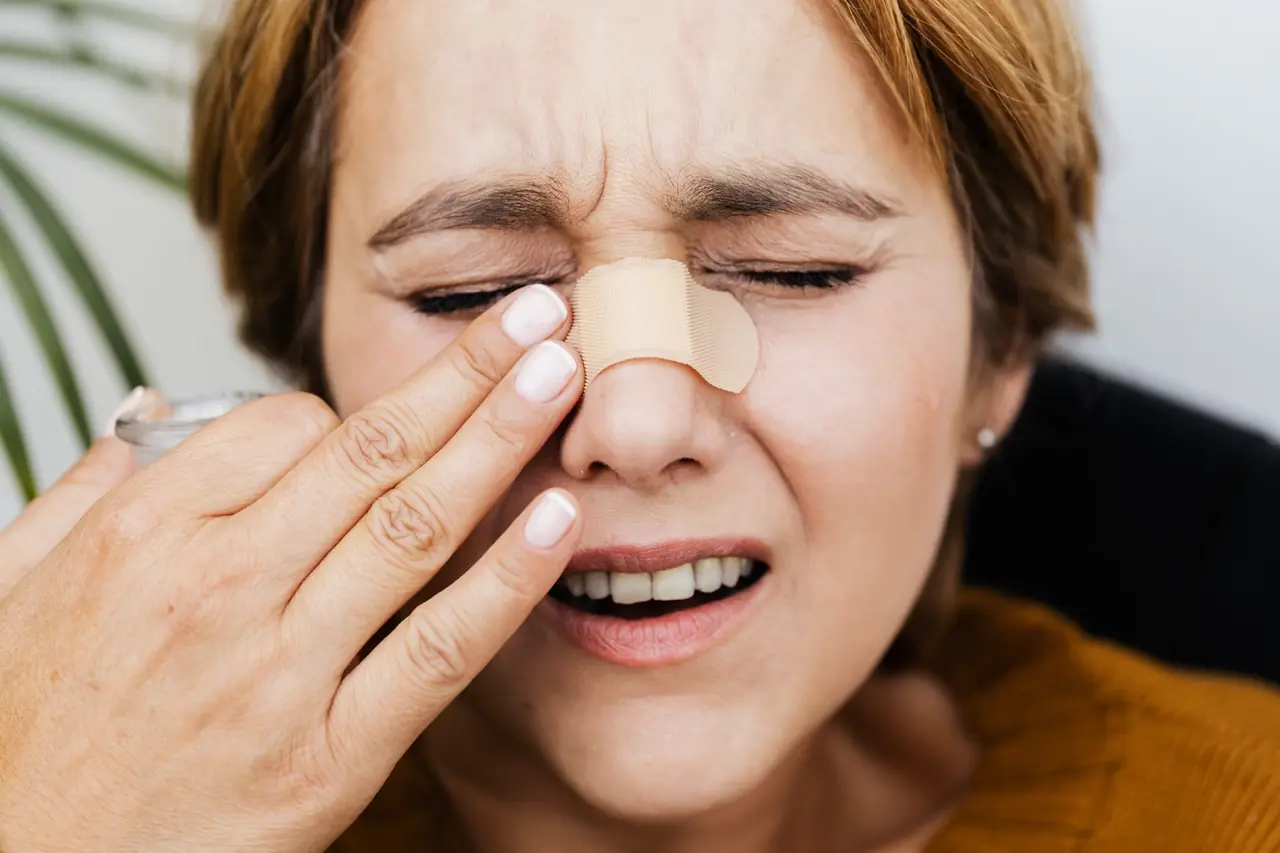
A blister on the sole of the foot hurts more than it seems because each step presses it against the ground and multiplies the friction. It is not just a bubble of fluid under the skin: it is a sign of the body’s defense against friction, pressure, or accumulated moisture. That is why treating it properly is not about speeding up healing, but about reducing the mechanical punishment that keeps it open.
For a runner, a hiker, or someone wearing new shoes for the first time, the sole is usually the most stressed area because it bears the full weight of the body. That constant pressure makes healing slower than in other parts of the foot. From the very beginning, the priority is to protect the skin, prevent infection, and stop the rubbing that turned a minor annoyance into a persistent injury.
Why the sole of the foot is injured so easily
The sole of the foot works like a landing wheel. It absorbs impact, distributes load, and withstands the moisture generated by sweat and heat inside the shoe. When that combination is out of balance, the epidermis separates into layers and the space where fluid accumulates appears. It is a protective response, not an accidental malfunction of the body.
The problem usually starts with nearly invisible details: a poorly placed seam, an insole that shifts support, a sock that bunches up in the middle of the effort, or a sudden increase in mileage. In sports, those small frictions turn into a silent storm. In everyday life, just a few hours of stiff, dirty, or overly loose footwear are enough for the skin to become inflamed and separate.
Moisture plays a decisive role. Skin dampened by sweat loses strength and becomes more vulnerable to tearing from friction. That is why plantar blisters are so common in summer, on long marches, and in intense running sessions. When the foot heats up, swells slightly, and changes how it bears weight, pressure concentrates in specific points and the injury gains ground.
What to do in the first few hours
The first correct decision is often not to touch it if the blister is closed, intact, and manageable. The skin covering it acts as a natural shield, similar to a biological dressing. If there is no excessive pain or immediate risk of rupture, leaving it alone speeds up tissue protection and reduces the chance of infection.
After that, it is best to wash the foot with warm water and mild soap, without rubbing. Drying it with a clean towel by patting it avoids adding more friction to an already sensitive area. If the blister is in a direct weight-bearing spot, a hydrocolloid dressing or a specific protector can cushion the pressure and help reduce rubbing in the following hours.
The goal is not to dry it out at all costs, but to isolate it from the environment that irritates it. Changing shoes, loosening the laces, or temporarily stopping the activity can make the difference between an injury that stabilizes and one that breaks open at the first step. On the sole of the foot, mechanics matter more than any quick remedy.
How to clean and protect the injury without damaging it
Hygiene should be gentle, consistent, and minimal. Cleaning the area with water and neutral soap is enough in most cases. Antiseptics can be useful if the skin is open, but it is not wise to overuse harsh products that irritate the surface further. The tissue needs cleanliness, yes, but also a stable environment in which to close.
If the blister remains closed, the best move is usually to cover it with a dressing that reduces pressure. Hydrocolloids work well because they cushion impact and create a controlled moist environment, more favorable for repair. On the sole, that small cushion can be decisive during a walk or a long day on your feet.
When the area is highly exposed to weight-bearing, it also helps to limit external friction with a soft gauze fixed without excessive tightness. The important thing is that protection does not become a new source of rubbing. A poorly applied bandage, wrinkled or too tight, can do more harm than it intends to prevent.
What happens if the blister has already opened
An open blister stops being a simple bubble and becomes a superficial wound. At that point, the risk of infection rises because the skin barrier has been broken. The first measure is to wash the area gently, remove any visible dirt, and apply an appropriate antiseptic if the skin is exposed.
Do not tear off the loose skin. Although it may be bothersome aesthetically, that layer still protects part of the tissue underneath and can help the wound close. Cutting or peeling it away abruptly exposes a more sensitive wound bed, like removing the roof of a house in the middle of a storm.
After that, the wound should be covered with a clean, breathable dressing. If it oozes a lot or gets dirty easily, the dressing should be changed with clean hands and without dragging the skin. Visual monitoring matters: spreading redness, increasing pain, or cloudy fluid are signs that this is no longer just a simple friction blister.
When to drain it and when it is not worth doing so
Puncturing a blister should not be the first option. As long as the upper skin remains intact, the injury is better protected. Draining only makes sense when the volume prevents normal walking, the pressure is very high, or the location makes a sudden rupture almost inevitable. Even then, the procedure must be clean and cautious.
If draining is chosen, the technique must be careful, with sterile material and without removing the skin covering it. Releasing the fluid relieves tension, but the skin covering is still a useful barrier. An improvised puncture, done in a hurry or without hygiene, turns an annoying injury into an unnecessary problem.
The practical criterion is simple: if the blister does not interfere too much, protect it; if it interferes a lot, consider draining it under safe conditions. On the sole of the foot, where pressure never lets up, that decision depends greatly on size, location, and how much walking is expected in the following hours.
Mistakes that prolong healing
The most common mistake is insisting on the same area. Continuing to walk in the same shoes that caused the blister keeps the injury alive, like picking at a scab over and over again. Mechanical damage returns with every step and the skin never gets a chance to fully close.
Another common mistake is removing the superficial skin as soon as it no longer seems useful. That temptation accelerates exposure of the wound and encourages bleeding or bacterial entry. Ignoring the pain and continuing intense activity as if nothing had happened also significantly worsens recovery.
Aggressive home remedies are often more noise than help. Applying irritating substances, using heat, puncturing without disinfection, or covering the injury with non-breathable materials can complicate healing. A plantar blister does not call for alchemy; it calls for relative rest, cleanliness, and an effective barrier against friction.
How footwear influences it and why socks matter so much
The wrong shoe creates blisters with alarming efficiency. If it is too loose, the foot slides and rubs; if it is too tight, it concentrates pressure in one fixed point; if it is stiff, it does not follow the foot’s natural movement. The sole of the foot ends up paying the price for that poor combination of fit and material.
The sock matters too, though it is often underestimated. Thick seams, fabrics that retain moisture, and internal wrinkles act like fine sandpaper. In impact sports, a good technical sock helps wick away sweat and reduce friction. By contrast, a thick, old, or poorly positioned sock can be the silent trigger of the injury.
On long walks and runs, the foot needs a stable environment. An insole that does not shift support, a proper heel fit, and reasonable breathability lower the risk. The sole of the foot suffers not only from what touches the ground, but also from everything that happens inside the shoe before it gets there.
Signs that something is wrong
A blister that gets worse leaves clear clues. If pain increases instead of decreasing, if redness spreads, if the area feels hotter than normal, or if pus appears, the injury is no longer following a simple course. Foul odor, swelling, or the appearance of red streaks around it are also concerning.
Blisters that keep recurring in the same spot deserve special attention. They often reveal a support problem, a repeated seam, a foot deformity, an altered gait, or poorly distributed sports load. In those cases, the blister is the visible symptom of a mechanical conflict that is worth understanding better.
There are profiles in which the margin for improvisation is very small. People with diabetes, poor circulation, or loss of sensation in the feet should not manage these injuries on their own. A small wound can become complicated faster and with less warning, precisely because the foot signals trouble late when something is wrong.
How to reduce the risk of it coming back
Preventing a new plantar blister requires thinking about the walk before thinking about the injury. The skin needs less friction, less moisture, and fewer sudden changes in load. In practice, that means breaking in new shoes carefully, tightening the laces properly, checking seams, and avoiding letting the foot move around inside the shoe.
It also helps to prepare the skin before long efforts. Keeping it clean and dry, using protection on the most sensitive areas, and stopping in time if heat or stinging appears greatly reduces the risk of damage. On a route, a long outing, or a steady run, the foot warns you before it breaks down completely.
Prevention is not always elegant, but it is effective. A small change in sock type, a more sensible footwear choice, or a short break midway through a session can prevent several days of discomfort. A blister on the sole of the foot often seems like a minor anecdote; in reality, it is a very precise message about how the foot is working.
When professional assessment is advisable
A wound that does not improve in several days should not keep waiting. If the blister remains painful, opens easily, oozes, or becomes infected, a clinical evaluation is needed to rule out complications. The same applies if it appears after only a short walk or without a clear cause, because there may be an underlying problem with gait or shoe fit.
In athletes, repeated blisters on the sole are not a minor detail. Sometimes they act as an alarm for excessive load, running technique, intense sweating, or poorly distributed pressure points. In those cases, looking only at the injury and not the context usually leaves the problem untouched for the next outing.
The sensible approach is to monitor progress with clinical judgment, not resignation. A closed blister that begins to dry, a clean wound bed, and pain that gradually lessens describe a normal healing process. Anything else, especially if signs of infection or disproportionate pain appear, belongs to a different scenario and should not be treated like just another minor friction sore.
When the skin speaks more than it seems
The sole of the foot silently bears a person’s entire life in motion. Running, walking, carrying weight, changing pace, braking, turning. Everything passes through there. That is why a blister in that area is not just a superficial annoyance, but a physical reminder that support, moisture, and the material that covers us can win or lose a battle in a matter of miles.
Treating it well means less drama and more method. Protect, clean, observe, reduce friction, and do not force the skin to work before its time. Healing is usually straightforward when the process is respected; it becomes complicated when speed is mistaken for effectiveness. On the foot, as in almost everything that touches the ground, haste usually comes at a cost.
The best recovery is the one that progresses quietly: the skin closes, the pain subsides, the burning disappears, and bearing weight feels normal again. Until then, the blister deserves sober, clean, and attentive care. Nothing more, but nothing less either.
Medical reference: Blisters, MedlinePlus (U.S. National Library of Medicine).



How to prevent thigh chafing: causes and real solutions

Women’s running windbreakers: seven jackets and how to choose

Do more workouts get rid of soreness? A guide for runners

Jaén Half Marathon 2026: Record 3,800 Runners Registered

Men’s short running tights: how to choose the right pair

World Triathlon confirms data breach involving medical data

Izan Edo targets podium at Miyazaki World Cup

María Pérez ranks ninth in World Athletics’ 2026 top ten

Dos Santos, Duplantis and Sawe: World Athlete of the Year finalists

San Silvestre Vallecana 2026: 42,000 places, prices and start times

 Races4 months ago
Valencia Half Marathon 2027: date and registration

 Reviews and Comparisons4 months ago
Asics Gel-Roadmiles 3 for men: review and current price

 Races4 months ago
Valencia Marathon 2026: entry, ballot and course

 Reviews and Comparisons4 months ago
Asics Gel Sonoma 8 Gore-Tex: complete analysis for trail and rain

 Sneakers4 months ago
Saucony Endorphin Pro 4: full review and verdict

 News5 months ago
Strava API 2026: what changes for clubs, challenges and runner apps?

 Reviews and Comparisons5 months ago
Nike Alphafly 3: opinions, sensations, and real key points

 Reviews and Comparisons4 months ago
Under Armour running shoes review 2025-2026: models and key features

 Sports Equipment4 months ago
Shoe sizes in cm: a clear guide to getting the right fit for your footwear

 Sneakers3 months ago
Skechers GO RUN Consistent 2.0 analysis: comfort and limits

 News5 months ago
Valencia Marathon 2026 route: key tips to train and run better

 Sneakers4 months ago
Adidas Adizero Boston 13 for men: review and verdict