Health and Nutrition
Recovery After the Marathon: Timings, Symptoms, and Key Points
The body needs days and sometimes weeks to recover after 42.195 km. These are the key timeframes and signs.

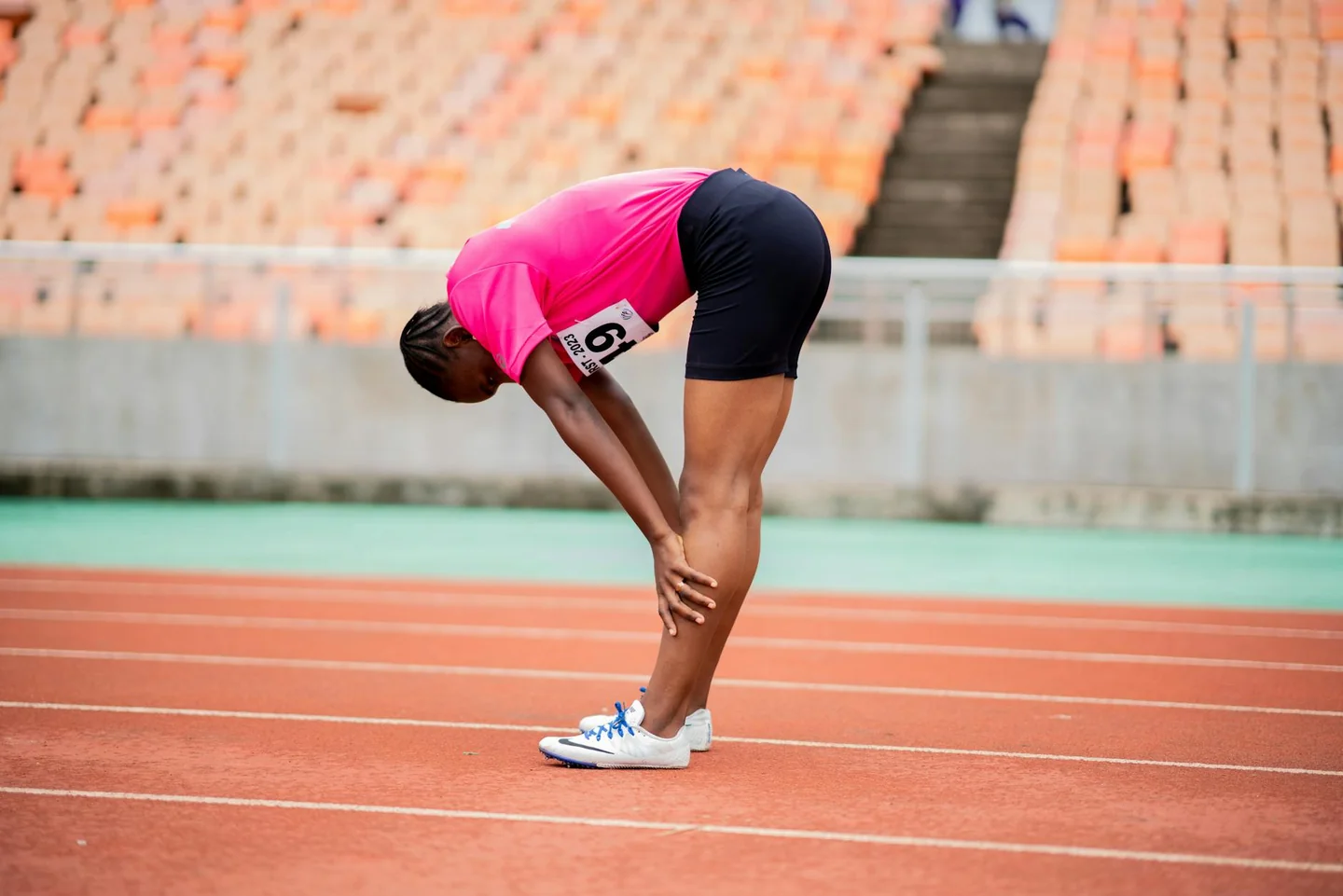
Marathon recovery begins at the finish line and continues for days or weeks. After 26.2 miles, a prudent approach is to take at least 48 hours off running and allow the following two or three weeks for a gradual return to activity, without mistaking the disappearance of soreness for complete recovery.
Rest does not mean staying completely still: walking or very gentle exercise can feel good when it is well tolerated. Some runners are ready for a first jog sooner than others, depending on their preparation, race effort and subsequent progress. The calendar is a guide; the body’s response determines the pace.
What happens to the body after 26.2 miles
During the race, muscles, tendons and joints absorb thousands of foot strikes. Prolonged effort also uses up a substantial portion of glycogen, the form in which the body stores carbohydrates in the muscles and liver for energy.
In the hours that follow, small amounts of muscle fibre damage and an inflammatory response associated with the effort can occur. Soreness is often most noticeable between 24 and 48 hours afterwards, particularly in the quadriceps, calves and hips. Pain intensity alone, however, cannot measure how much tissue has recovered.
General fatigue, heavy or awkward-feeling legs and reduced tolerance for impact can also persist. Some markers of muscle damage remain elevated for days or even weeks, although their course varies. A first marathon, hot conditions, a course with many descents or an all-out effort can leave more fatigue than a race finished comfortably.
Finish-line euphoria can mask some of that strain. Being able to walk or feeling eager to train does not necessarily mean being ready for another heavy load: the ability to handle a session and recover afterwards matters too.
The first hours after the finish line
If you feel well, walking for a few minutes helps transition from racing to rest without stopping abruptly. Then change out of damp clothes and find a comfortable place to reduce heat loss. The walk to your transport or accommodation may already provide enough movement for the day.
If you experience dizziness, severe weakness or difficulty standing, do not insist on walking farther: ask for medical attention in the finish area. The race may be over, but this is still a time to pay attention to how your body responds.
Check your feet before travelling home. A blister, chafing or a painful toenail can alter your gait and make even a short journey uncomfortable. Keeping the area clean and protected helps reduce friction; spreading redness, pus or increasing pain calls for a medical assessment.
Food and drink to replenish what was used
A combination of carbohydrates and protein helps replenish energy and provides material for muscle repair. Yoghurt with cereal and fruit, a sandwich with a protein filling, or rice and beans are familiar options; you do not need a specific product for the meal to serve that purpose.
Eating within the first half-hour can be practical, especially if your next meal will be delayed, but it is not a deadline that determines whether recovery succeeds. If your stomach is unsettled, small amounts of foods you tolerate and sips of a drink may be more comfortable than a large meal straight away.
Replenishment continues throughout the day and over the following days. Eating enough and keeping meals varied still matters when mileage drops: the body continues to use energy and nutrients. Drastically cutting food intake because training has stopped can make that process harder.
To replace fluids, water alongside food is often a suitable choice. After heavy sweating, an electrolyte drink or foods containing salt can help replace sodium. Drink gradually, responding to thirst and changes in urination without relying on urine colour as the only indicator.
There is no need to force down large amounts: excess water can contribute to hyponatraemia, an overly low sodium concentration in the blood. Avoiding alcohol during the first few hours is also prudent, as it can impair rehydration and sleep.
Rest and movement during the first few days
The first 48 hours without running allow time to assess how fatigue develops. If walking normally feels comfortable, everyday movement or a short walk may ease stiffness. If every step hurts or exhaustion is pronounced, there is no obligation to complete an active recovery session.
Rest does not normally mean spending several days in bed either. Alternating rest with gentle everyday movement may be enough. The aim is not to cover a distance or accumulate minutes, but to check that activity does not increase pain or leave you more tired afterwards.
Easy cycling or gentle swimming are alternatives for those who are already accustomed to them and feel well. They do not automatically count as rest: a long ride, an intense class or a demanding swim can add load. Trying a new activity can also cause soreness that makes your body’s signals harder to interpret.
When to run again after a marathon
Some runners can try an easy jog towards the end of the first week; others need five to seven days without running or longer. Before heading out, useful signs include walking normally, going up and down stairs without significant pain and managing daily activities without disproportionate fatigue.
An initial outing might involve 15 to 20 minutes of comfortable jogging on flat ground, or alternating walking and running. The pace should allow a conversation. There is no minimum distance to cover and no need to match your pre-race easy-run pace.
How you respond afterwards matters as much as how the exercise feels. If the jog leaves your legs substantially heavier for the following two or three days, the load was too demanding for that point in recovery. Returning to rest or gentle movement before trying again is preferable.
During the second week, short, easy runs can be added if the earlier outings were well tolerated. By the third week, some runners may be ready to extend their running time; others will still need impact-free days. Increasing one variable at a time — duration, frequency or intensity — makes it easier to recognise which load is manageable.
Intervals, long runs and the next race
Comfortable runs come before speed sessions, hills and long runs. Before introducing them, it is reasonable to have completed several easy outings without pain or disproportionate fatigue, both during exercise and the following day. The first demanding session should be more restrained than those you did before the marathon.
Missing a few days of training does not mean you must make up the mileage. Trying to squeeze missed sessions together increases the load just as you are testing your tolerance for impact. Fitness does not disappear after a week of rest, whereas ignoring a niggle can disrupt a much larger part of the season.
A short race run without chasing a personal best does not demand the same as another all-out marathon, but both add effort. If another race is already on the calendar, base the decision on actual progress rather than the entry date alone. An injury during the race, illness or a heat-related problem may require a clinical assessment before competing again.
Strength, mobility and ways to ease heavy legs
The gym can wait until muscle tenderness has eased and everyday movements feel comfortable. On returning, reducing weight and volume from your usual levels allows you to resume the routine without aiming for exhaustion. Heavy loads, jumps and unfamiliar exercises can impose demands that are unhelpful at this stage.
Gentle mobility work and comfortable stretches can ease stiffness, but forcing a painful muscle does not speed its repair. A long routine at the finish line is not essential either. If you use a foam roller, the pressure should be tolerable rather than turning care into another source of pain.
Gentle massage, compression garments or cold may ease the feeling of heavy legs for some people. They are optional tools, not substitutes for rest or a guarantee of an earlier return. When the legs are very tender, an intense massage can make discomfort worse; waiting a couple of days and avoiding painful pressure is a prudent option.
Physiotherapy can help assess persistent stiffness or a localised complaint. By contrast, routinely piling on treatments, devices and protocols makes it difficult to tell what provides relief and adds time and expense to a recovery that requires no mandatory purchase.
Expected soreness and signs to seek help
General muscle heaviness, soreness and some difficulty walking downstairs usually improve gradually. Seek medical assessment for localised or increasing pain, significant swelling, a limp that does not resolve or a complaint that returns in the same place whenever you run. Do not try to resolve these signs by increasing training.
Some symptoms require urgent medical attention: chest pain, breathing difficulty that does not settle with rest, fainting, confusion or a worsening general condition. Very dark urine accompanied by severe muscle pain, weakness or low urine output also requires urgent assessment for possible serious muscle injury.
Persistent nausea or a severe headache after the race should not automatically be attributed to a lack of water: they can also occur with sodium disturbances. A previous injury, pregnancy or an illness can change the approach to returning to exercise and make individual clinical advice necessary.
Sleep and the mental adjustment after the race
Sleep supports repair and helps process accumulated physical and mental strain. For most adults, seven to nine hours per night is a general guide. One disrupted night after racing does not ruin recovery: returning to reasonable sleep schedules and allowing extra rest when needed makes sense in the following days.
After months of long runs and schedules shaped by training, the absence of an immediate goal can leave a sense of emptiness. You may also feel like putting your running shoes away for a while. Neither response means you must choose another race immediately, and a slow run does not represent a permanent loss of fitness.
The pause also offers space to review the race with perspective: how you handled the pace, food and conditions, or when a niggle first appeared. That assessment provides information for the next training cycle without turning every subsequent run into a test.



How to prevent thigh chafing: causes and real solutions

Women’s running windbreakers: seven jackets and how to choose

Do more workouts get rid of soreness? A guide for runners

Jaén Half Marathon 2026: Record 3,800 Runners Registered

Men’s short running tights: how to choose the right pair

World Triathlon confirms data breach involving medical data

Izan Edo targets podium at Miyazaki World Cup

María Pérez ranks ninth in World Athletics’ 2026 top ten

Dos Santos, Duplantis and Sawe: World Athlete of the Year finalists

San Silvestre Vallecana 2026: 42,000 places, prices and start times

 Races3 months ago
Valencia Half Marathon 2027: date and registration

 Races3 months ago
Valencia Marathon 2026: entry, ballot and course

 Reviews and Comparisons4 months ago
Asics Gel-Roadmiles 3 for men: review and current price

 Reviews and Comparisons4 months ago
Asics Gel Sonoma 8 Gore-Tex: complete analysis for trail and rain

 Sneakers3 months ago
Saucony Endorphin Pro 4: full review and verdict

 News5 months ago
Strava API 2026: what changes for clubs, challenges and runner apps?

 Reviews and Comparisons5 months ago
Nike Alphafly 3: opinions, sensations, and real key points

 Reviews and Comparisons4 months ago
Under Armour running shoes review 2025-2026: models and key features

 Sports Equipment4 months ago
Shoe sizes in cm: a clear guide to getting the right fit for your footwear

 Sneakers3 months ago
Skechers GO RUN Consistent 2.0 analysis: comfort and limits

 News5 months ago
Valencia Marathon 2026 route: key tips to train and run better

 Sneakers4 months ago
Adidas Adizero Boston 13 for men: review and verdict