Health and Nutrition
My calf has cramped up and it still hurts: causes and relief
Calf pain can last for hours or days. These are the causes, warning signs, and ways to relieve it.

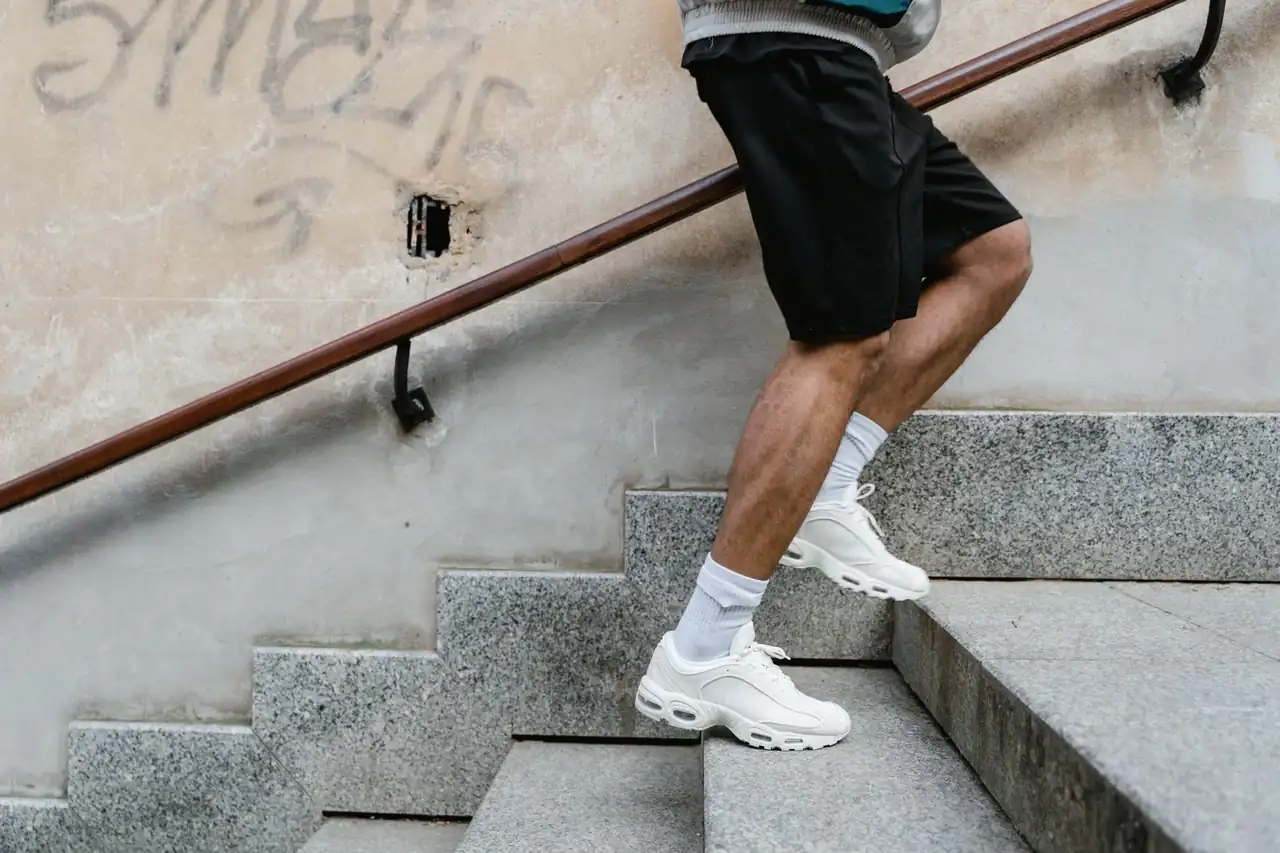
The calf can remain sore long after the initial cramp. What starts as a sudden contraction, sometimes in the middle of the night or after a change of pace while running, can leave a dull, tight, persistent ache in the calf. In most cases, it is a benign muscle spasm, but when the pain does not let up, it is worth looking beyond the initial scare and thinking about overload, dehydration, fatigue, or even an injury that has been disguised as a cramp.
For runners, that difference matters. A calf that burns when you put weight on it, stiffens like a rope, or keeps complaining the next day is not always telling the same story. It may be a simple cramp, but it could also be a mild strain of the soleus or gastrocnemius, muscles that work nonstop with every stride. The body warns you with a twinge; the problem is when that warning drags on and the leg keeps protesting as if it does not want to return to normal.
What happens in the calf when the spasm appears
A calf cramp is, in reality, an involuntary contraction of the calf muscle. It usually involves the triceps surae, a group made up of the gastrocnemius and soleus, which shorten suddenly and painfully. For a few seconds or minutes, the muscle becomes hard, tender to the touch, and sometimes even visible under the skin, like a cable pulled to its limit. At that moment, the pain can be so intense that it forces you to stop the activity or sit up abruptly in bed.
That episode is usually not serious in itself, but it leaves a mark that can last for hours. In some cases, the muscle fibers remain irritated and sensitive, especially if the cramp appeared after a hard session, a long run, or training in the cold. The later sensation is no longer that of a fierce contraction, but of a loaded, fatigued, somewhat clumsy area, as if the leg were walking a step behind the rest of the body.
The trigger is not always a single one. Medical literature and sports practice agree on several common factors: dehydration, electrolyte loss, muscle fatigue, lack of warm-up, excessive load, and insufficient rest. Sudden changes in routine, hill work, a sudden increase in mileage, or wearing unsuitable footwear also play a role. In an already fatigued leg, any stimulus can be the spark that ignites the spasm.
Why the pain can remain after the cramp
When the pain persists, we are no longer talking only about a muscle that has tightened up. Sometimes the tissue remains sensitized for hours or days, especially if the episode was intense. The muscle may have suffered a small overload, a microinjury, or a defensive reaction that leaves the area stiff. In that phase, the body tries to protect the calf and the runner notices less elasticity, more stiffness when walking, and an ache that appears when climbing stairs, running lightly, or going up on tiptoe.
The persistence may also be due to the original problem not being a pure cramp. A mild pull, a deep muscle knot, or a small strain can be mistaken for a cramp if the pain began suddenly. The difference lies in what happens afterward: if the discomfort remains, if it returns with minimal effort, or if the area swells, the picture stops looking like a simple cramp and requires more attention. In that case, the calf acts like a damaged spring that keeps vibrating after the удар.
There are signs that should not be minimized. Visible swelling, redness, local heat, numbness, tingling, or chest pain accompany conditions that require medical evaluation. Special care is also needed if the pain appears with no clear relation to exercise or worsens as the hours pass. Not all calf pain is sports-related, and the line between overload and a vascular problem can be thinner than it seems at first glance.
Factors that raise the risk in runners and active people
The calf is one of the main victims of running. It contributes to propulsion, stabilizes the ankle, and absorbs part of the impact of each foot strike. When training accumulates without sensible progression, the muscle gets into debt. That debt translates into fatigue, loss of elasticity, and a greater likelihood of spasms, especially at the end of the day or during the night, when the body slows down and the tissue, still loaded, does not respond with the same ease.
Dehydration and mineral imbalance also matter. Potassium, calcium, and magnesium take part in muscle contraction and relaxation, and when intake is low or sweating is high, the system becomes unbalanced. In long races, on hot days, or during double sessions, sweat can drain part of that balance. The runner notices it first as strange legs, unusual fatigue, or a feeling of tightness that seems to come from within, as if the muscle had lost its lubrication and were moving through sand.
Rest and technique matter too. A plan with too many impacts, too little sleep, or sudden changes in terrain can trigger the problem. Running more miles on asphalt, adding hills, or trying new shoes without an adaptation period are small details that, added together, end up taking their toll. In less-trained runners, the risk increases even more if the calf was already weak, if sedentary periods are mixed with intense efforts, or if daily stretching is scarce and irregular.
What to do when the calf keeps hurting
The first useful step is to ease the tension, not fight with the leg. It is best to stop the activity, bear weight calmly, and stretch the muscle gently, without bouncing or abrupt movements. A sustained calf stretch, with the heel firmly on the ground and the knee extended or slightly bent depending on the affected area, can help relax the spasm and reduce the feeling of locking up. If the pain appeared during a run, it is sensible to walk for a few minutes before running again or calling the workout finished.
Gentle massage can also help. There is no need to pound the area or press too hard on the exact spot; a firm, gradual rubbing is enough to encourage relaxation. Local heat is often helpful once the most acute phase has passed, because it improves circulation and helps the muscles recover their tone. On the other hand, if there was a real strain or obvious inflammation, cold may be more appropriate during the first few hours to reduce irritation. The key is not to confuse relief with aggression: the calf appreciates calm, not punishment.
Hydration does not fix everything, but it does prevent it from getting worse. Drinking water and replacing salts if there has been heavy sweating helps restore internal balance. In athletes, electrolyte drinks can be useful during prolonged efforts, although they do not replace a sensible diet or by themselves resolve an already established overload. If the pain persists, common pain relievers may help, but their use should be cautious and should never mask a problem that is worsening underneath.
When it stops looking like a cramp and starts looking like an injury
Pain duration provides guidance, but it does not explain everything. A simple spasm usually subsides in minutes, although residual discomfort may last a bit longer. If the calf still hurts the next day with the same intensity, if walking feels odd, or if pain appears when pushing off with the foot, a muscle strain should be considered. In a strain, the fibers have been stretched beyond their capacity, and the body responds with pain that is more mechanical, more localized, and more predictable than an isolated cramp.
The difference can also be seen in the context. Pain that arises during an explosive run, a hill, or a quick change of pace suggests an acute overload. Pain that appears after several loaded days, with little recovery and a feeling of stiffness every morning, fits better with a fatigued muscle. And pain accompanied by swelling or heat should not be casually attributed to sport. In sports medicine, the prudent thing is not to romanticize discomfort: a leg that is crying out deserves to be heard.
There are factors that increase suspicion of something more serious. Pregnancy, obesity, a sedentary lifestyle, a history of vascular problems, and certain diseases such as diabetes or thyroid, liver, or nerve disorders can promote repeated cramps or persistent pain. In those cases, the calf is not always the source of the problem, but rather the place where it shows up. The calf works like a loudspeaker: it picks up the noise of an imbalance that may be coming from higher up.
How to recover a loaded calf without tearing it again
Getting back to normal is not measured by the clock alone. It depends on whether the pain is an isolated cramp, an overload, or a minor muscle injury. A simple spasm may stop bothering you in minutes, but an irritated area may need hours or even several days to stop sending signals. The priority is not to return quickly, but to return without carrying the problem into the next outing. Rushing in this case is usually bad advice; the muscle does not negotiate well with impatience.
During recovery, it helps to reduce the load, sleep well, and avoid exercises that bring the discomfort back. Gentle stretching, ankle mobility work, and easy walking help more than indefinite total rest. If the discomfort improves with movement but returns when running, the signal is clear: the muscles have not yet regained their responsiveness. The balance point is to keep them active without forcing them, like tuning a string without tightening it until it snaps.
When the episode repeats, the whole picture needs to be examined. Hydration, nutrition, training load, rest, footwear, and overall health form a system. A single factor rarely explains everything. That is why nighttime cramps, calf spasms while running, or persistent pain that seems minor but never quite goes away are often more revealing than they appear. In running, the legs often speak softly; when the calf complains, it is usually asking for more than just a massage.
The calf as a warning, not just a nuisance
A sore calf can be the most visible symptom of a simple problem or a chain of small excesses. The key is to distinguish between an isolated episode and pain that settles in. Most of the time, the cause is a combination of fatigue, sweating, lack of warm-up, and accumulated overload. Other times, the body is signaling a muscle injury or a circulatory disorder that should not be overlooked. In both scenarios, the message is the same: do not keep pushing the leg as if nothing had happened.
The experienced runner usually learns this through repetition. The calf is a grateful muscle when it is treated with progression and consistency, but very demanding when too much is asked of it without giving it room. If the pain has stayed alive after the cramp, the most useful interpretation is not the dramatic or the trivial one, but the precise one: it is probably no longer just a scare, but tissue that needs time, hydration, rest, and a smarter load to respond normally again.
Listening to that signal makes the difference between a brief setback and an injury that lingers. In the end, the calf usually does not fail without warning. First it tightens, then it protests, and if you insist, the balance breaks. Treating it patiently is a way to prevent a brief discomfort from becoming a long story.
You may also like: Why does the calf rise: causes, pain, and relief.
Medical reference: Muscle cramps, Mayo Clinic.



How to prevent thigh chafing: causes and real solutions

Women’s running windbreakers: seven jackets and how to choose

Do more workouts get rid of soreness? A guide for runners

Jaén Half Marathon 2026: Record 3,800 Runners Registered

Men’s short running tights: how to choose the right pair

World Triathlon confirms data breach involving medical data

Izan Edo targets podium at Miyazaki World Cup

María Pérez ranks ninth in World Athletics’ 2026 top ten

Dos Santos, Duplantis and Sawe: World Athlete of the Year finalists

San Silvestre Vallecana 2026: 42,000 places, prices and start times

 Races4 months ago
Valencia Half Marathon 2027: date and registration

 Races4 months ago
Valencia Marathon 2026: entry, ballot and course

 Reviews and Comparisons4 months ago
Asics Gel-Roadmiles 3 for men: review and current price

 Reviews and Comparisons4 months ago
Asics Gel Sonoma 8 Gore-Tex: complete analysis for trail and rain

 Sneakers3 months ago
Saucony Endorphin Pro 4: full review and verdict

 News5 months ago
Strava API 2026: what changes for clubs, challenges and runner apps?

 Reviews and Comparisons5 months ago
Nike Alphafly 3: opinions, sensations, and real key points

 Reviews and Comparisons4 months ago
Under Armour running shoes review 2025-2026: models and key features

 Sports Equipment4 months ago
Shoe sizes in cm: a clear guide to getting the right fit for your footwear

 Sneakers3 months ago
Skechers GO RUN Consistent 2.0 analysis: comfort and limits

 News5 months ago
Valencia Marathon 2026 route: key tips to train and run better

 Sneakers4 months ago
Adidas Adizero Boston 13 for men: review and verdict