Health and Nutrition
Pain Behind the Knee When Bending: Causes, Warning Signs, and Relief
Discomfort when bending the knee can indicate anything from overuse to injuries that require medical attention.

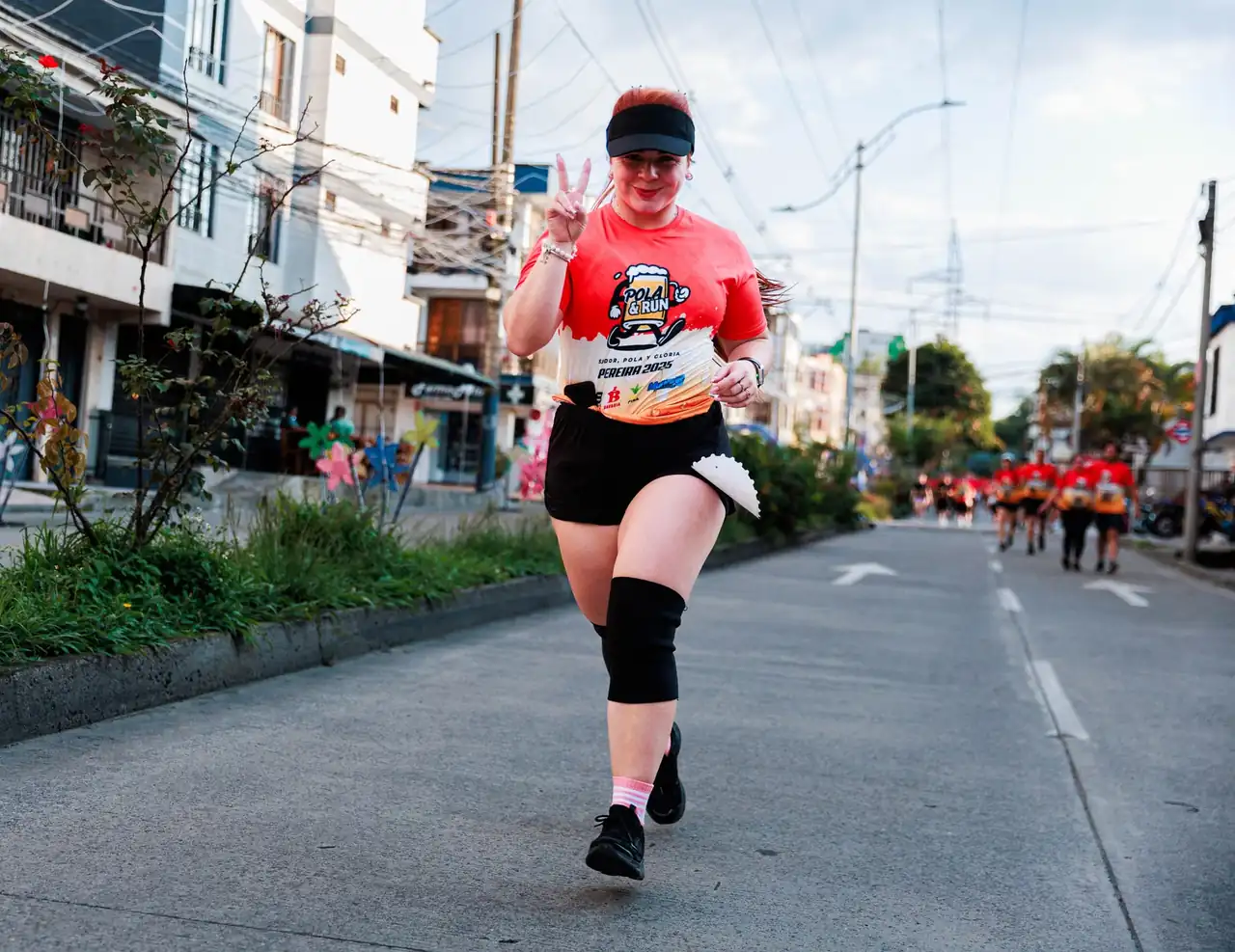
Pain in the back of the knee when bending usually starts in a small area, but one that is heavily loaded with work: tendons, ligaments, menisci, bursae, vessels, and nerves coexist in a narrow space, like cables and hinges inside a casing. That is why a simple discomfort when squatting, climbing stairs, or straightening the leg can have very different origins, from muscle overload to a Baker’s cyst, a meniscus injury, or a vascular problem that should not be overlooked.
In runners, cyclists, and active people, it often appears after adding mileage, pace changes, or intense training without enough recovery. In other cases it arises after a sudden twist, a blow, a sustained posture, or even without a clear trigger. The key lies in the pattern of the pain, stiffness, swelling, and the way it limits movement: that combination is far more informative than the exact spot where the twinge is felt.
What really happens in the popliteal area
The back of the knee, known as the popliteal region, functions as a crossroads. The hamstrings insert there, vascular and nerve structures pass through, and tissues slide to allow the leg to bend and straighten smoothly. When one of those elements becomes irritated, the joint pays the price right away: a feeling of tightness, pressure, or stabbing pain appears, sometimes moving toward the calf or thigh.
When the knee bends, that area is compressed; when it fully extends, some tendons tighten like a bowstring. That mechanics explains why pain may be felt more when bending than when walking, or vice versa. Not all discomfort is serious, but that difference helps distinguish a simple overload from a structural injury that deserves evaluation.
In runners, the back of the knee takes repeated impact and demands continuous stability. Every stride involves cushioning, propulsion, and alignment control. If the posterior musculature is fatigued or the technique accumulates errors, the knee complains at the point where it bears the most tension. It is an uncomfortable reminder, yes, but a very useful one: the body usually warns before it breaks down completely.
Common causes that explain discomfort when bending
Hamstring tendinitis is one of the most common causes. These muscles, located at the back of the thigh, end in tendons that cross the knee. When they become inflamed, pain usually appears when bending or fully straightening the leg, especially after overexertion, hills, intervals, or a return to training that is too quick. In athletes, it can also be felt as a dull pulling pain that worsens as you cool down.
Another possibility is a meniscus injury. The menisci act as internal shock absorbers and, when damaged, pain may be located behind the knee or toward one side. It is often accompanied by stiffness, locking, popping, or the feeling that the joint gets stuck when squatting or going downstairs. In younger people it is often related to twists or turns; in older ages, to progressive wear.
Baker’s cyst also fits this picture. It is an accumulation of synovial fluid that forms a kind of bulge at the back of the knee. Often it does not appear on its own, but rather is associated with osteoarthritis, rheumatoid arthritis, or meniscus injuries. It can cause pressure, swelling, and a very clear discomfort when bending, as if something were taking up too much space inside the hinge.
Bursitis, less famous but fairly common, occurs when the bursa becomes inflamed from repeated friction or pressure. Sometimes it appears after frequent kneeling, overtraining, or minor trauma. The result is a more superficial, localized pain, with heat or tenderness to the touch, which may worsen when bending the knee or staying in the same position for a long time.
Injuries, inflammation, and wear: when the problem runs deeper
Ligament injuries must also be included in the differential diagnosis. The cruciate and collateral ligaments provide stability, and a sudden twist, a fall, or poor foot placement can damage them. In those cases the pain is usually more intense, may be accompanied by swelling, and creates a feeling of insecurity when walking, as if the knee were not responding firmly. There is not always a large bruise or a dramatic sound; sometimes the picture is quieter, but just as important.
Knee osteoarthritis and rheumatoid arthritis can also cause pain behind the joint. In osteoarthritis, cartilage wear changes the mechanics and promotes mechanical discomfort, stiffness, and limitation, especially in people over 50 or with excess weight. In rheumatoid arthritis, inflammation is usually felt more in the morning and improves with movement, although the overall picture is different and usually affects several joints.
In long-distance runners and cyclists, iliotibial band syndrome often appears, which although it is often felt on the outer side of the knee, can radiate toward the back. The combination of mileage, insufficient strength, poor mobility, and deficient technique creates persistent friction that will not resolve on its own if the effort continues unchanged. It is an injury closely tied to repetition, like a rope fraying at the same spot over and over again.
There are also less common but important causes, such as deep vein thrombosis. When pain behind the knee is accompanied by leg swelling, heat, redness, or calf tenderness, it should not simply be attributed to sports overuse. That picture requires prompt medical assessment because it may involve a clot in a deep vein.
How pain changes depending on the movement
The movement that triggers the discomfort provides valuable clues. If it hurts when bending the knee, compression of posterior structures, a Baker’s cyst, an irritated meniscus, or a local inflammation trapped when the joint closes is often suspected. That sensation is often described as pressure, a stab, or a soft block, a kind of internal mechanical warning.
If the pain appears when fully straightening, the suspicion shifts toward the posterior tendons and muscles, especially the hamstrings. In runners, this pattern is quite typical after intense efforts or poor load progression. The leg feels tight, and the final extension movement seems to pull the discomfort from deep inside the joint.
When discomfort arises when going downstairs, squatting, or standing up from a low chair, the problem may involve several layers at once: cartilage, meniscus, tendon, and muscle control. The knee does not always give a single clue, but rather a small map of faults. Reading that map calmly helps avoid improvised treatments that only mask the symptom for a few days.
Signs that mean it is time to look beyond a simple overload
Visible swelling, local heat, marked stiffness when starting to move, and a locking sensation are signs that raise suspicion of an internal injury. So are popping sounds after a twist, a clear loss of strength, or the feeling that the knee gives way when bearing weight. If the pain persists for several days despite relative rest, or returns every time you resume activity, it is no longer just a passing discomfort.
There are situations that require special attention. Fever, significant redness, inability to bear weight, severe pain after a blow, or sudden swelling of the leg do not fit well with a simple muscle spasm. Nor does the appearance of a tense lump behind the knee that grows with flexion, or deep calf pain with a feeling of abnormal tightness.
In recreational runners, the temptation is often to keep going for a few more days and hope it settles. Sometimes it does. Other times, what seemed like a minor irritation ends up becoming an overuse injury that forces you to stop for longer. Listening to how it evolves matters as much as listening to the initial pain, because the body speaks in real time and not always dramatically.
What tests are usually ordered to find the source
Medical evaluation begins with an accurate history: when the discomfort started, which movement makes it worse, whether there was trauma, and whether there is swelling, locking, or a feeling of instability. Then the physical examination assesses mobility, strength, tender points, and the response to specific maneuvers. That first contact guides the diagnosis more than it may seem, especially when posterior knee pain has several possible explanations.
Depending on the case, X-rays may be ordered to assess osteoarthritis, bone changes, or fractures; ultrasound to visualize cysts, tendons, and effusions; and MRI to study the meniscus, ligaments, and cartilage in more detail. If a vascular problem is suspected, a Doppler ultrasound comes into play. They are not requested routinely, but to fine-tune a diagnosis that often cannot be seen with the naked eye.
In athletes, MRI becomes more valuable when pain persists or there is mechanical locking. It helps distinguish between mild irritation and a partial tear, between soft tissue inflammation and an internal problem that changes the direction of treatment. Getting the diagnosis right saves weeks of trial and error, and in knee injuries that margin makes a huge difference.
Initial measures that usually relieve pain without hiding the problem
The first measures, when the situation does not suggest urgency, are usually simple: relative rest, ice, compression, and elevation. Cold is applied for 15 to 20 minutes several times a day, always with a cloth between the ice and the skin. This routine helps reduce inflammation and ease pain, especially when the discomfort comes from a recent overload or irritation.
It may also be helpful to temporarily reduce movements that trigger the pain, without falling into prolonged complete immobility unless advised by a professional. The knee needs to move so it does not stiffen, but it should move within a tolerable range. The difference between resting and stopping movement altogether is important: the first option promotes recovery; the second, in some cases, delays it.
Over-the-counter pain relievers or anti-inflammatories may help for a while, although they do not solve the cause. They should be used carefully and not as permission to train through the injury. If the pain returns as soon as the medication wears off, the message is quite clear: the structure is still irritated.
Rehabilitation, strength, and return to running
When the problem is related to tendons, overuse, or certain mechanical discomforts, recovery is usually based on progressive exercise. Gentle stretching and strengthening of the quadriceps, hamstrings, and glutes help unload the joint and improve stride control. The knee rarely works alone; it depends on the entire muscle chain around it.
In the running world, coming back too soon is usually worse than losing a few more days. If pain appears when bending, squatting, or at the end of a run, it is worth reviewing volume, intensity, elevation gain, and footwear. Accumulated load matters more than a single session. A week with intervals, hills, and long runs can take a toll on a joint that has not yet recovered from the previous one.
Technique also matters. Strides that are too long, hip fatigue, poor ankle mobility, or a posterior strength deficit alter mechanics and overload the back of the knee. In those cases, the symptom is not just a local problem: it is the visible tip of a chain of compensations coming from above or below.
If there is a meniscus injury, a large cyst, ligament rupture, or an important inflammatory condition, treatment changes and may include injections, specific physiotherapy, or even surgery. Not all painful knees are treated the same way, and that is precisely why the cause matters as much as relief.
When discomfort stops being normal in a runner
A knee that feels loaded after a long run may still fall within what is expected. Discomfort that eases with brief rest too. But pain that forces you to change your gait, wakes you at night, appears earlier and earlier, or prevents you from bending the knee normally no longer fits the picture of simple fatigue. Persistence is a more serious sign than isolated intensity.
In recreational runners, the usual mistake is to interpret every discomfort as a muscle spasm or a lack of stretching. The reality is broader. Posterior knee pain can be muscular, tendinous, joint-related, cystic, or vascular, and each source leaves a different trace. Confusing them prolongs the problem and, at times, adds new compensatory injuries.
The sensible approach is to think of the knee as a demanding hinge: if it squeaks, it may just need lubrication, but it could also be misaligned, bruised, or worn down. Behind that uncomfortable sensation, the body is asking for something very specific: less improvisation and a more precise reading of what is failing.
The posterior knee as a warning, not background noise
Pain behind the knee when bending is not a single entity, but a symptom with many faces. Sometimes it arises from mild tendinitis; other times, from a damaged meniscus, a Baker’s cyst, or a more significant joint inflammation. It can also indicate a ligament injury or, in less frequent but important scenarios, deep vein thrombosis. The location gives guidance, but the context decides.
That is why it is so important to pay attention to the type of pain, the swelling, the movement that triggers it, and the way it evolves over hours or days. In an active knee, every detail matters. Pain does not always shout; often it whispers insistently, like a hinge that begins to fail and still allows the door to open and close, but no longer as before.
In sports and in daily life, that posterior area functions as a point of tension and balance. When it hurts, it does not just limit movement: it changes the way you walk, run, and carry weight. Taking it seriously early prevents a localized discomfort from ending up altering the entire mechanics of the leg.
You may also like: Why Does It Hurt Behind My Knee: Causes and Warning Signs.
Medical reference: Pain behind the knee, Cleveland Clinic.



How to prevent thigh chafing: causes and real solutions

Women’s running windbreakers: seven jackets and how to choose

Do more workouts get rid of soreness? A guide for runners

Jaén Half Marathon 2026: Record 3,800 Runners Registered

Men’s short running tights: how to choose the right pair

World Triathlon confirms data breach involving medical data

Izan Edo targets podium at Miyazaki World Cup

María Pérez ranks ninth in World Athletics’ 2026 top ten

Dos Santos, Duplantis and Sawe: World Athlete of the Year finalists

San Silvestre Vallecana 2026: 42,000 places, prices and start times

 Races3 months ago
Valencia Half Marathon 2027: date and registration

 Races3 months ago
Valencia Marathon 2026: entry, ballot and course

 Reviews and Comparisons4 months ago
Asics Gel-Roadmiles 3 for men: review and current price

 Reviews and Comparisons4 months ago
Asics Gel Sonoma 8 Gore-Tex: complete analysis for trail and rain

 Sneakers3 months ago
Saucony Endorphin Pro 4: full review and verdict

 News5 months ago
Strava API 2026: what changes for clubs, challenges and runner apps?

 Reviews and Comparisons5 months ago
Nike Alphafly 3: opinions, sensations, and real key points

 Reviews and Comparisons4 months ago
Under Armour running shoes review 2025-2026: models and key features

 Sports Equipment4 months ago
Shoe sizes in cm: a clear guide to getting the right fit for your footwear

 Sneakers3 months ago
Skechers GO RUN Consistent 2.0 analysis: comfort and limits

 News5 months ago
Valencia Marathon 2026 route: key tips to train and run better

 Sneakers4 months ago
Adidas Adizero Boston 13 for men: review and verdict