Health and Nutrition
Remedies for sore legs after running: what really helps
Discomfort after training can improve with simple habits, but not everything that circulates works the same.

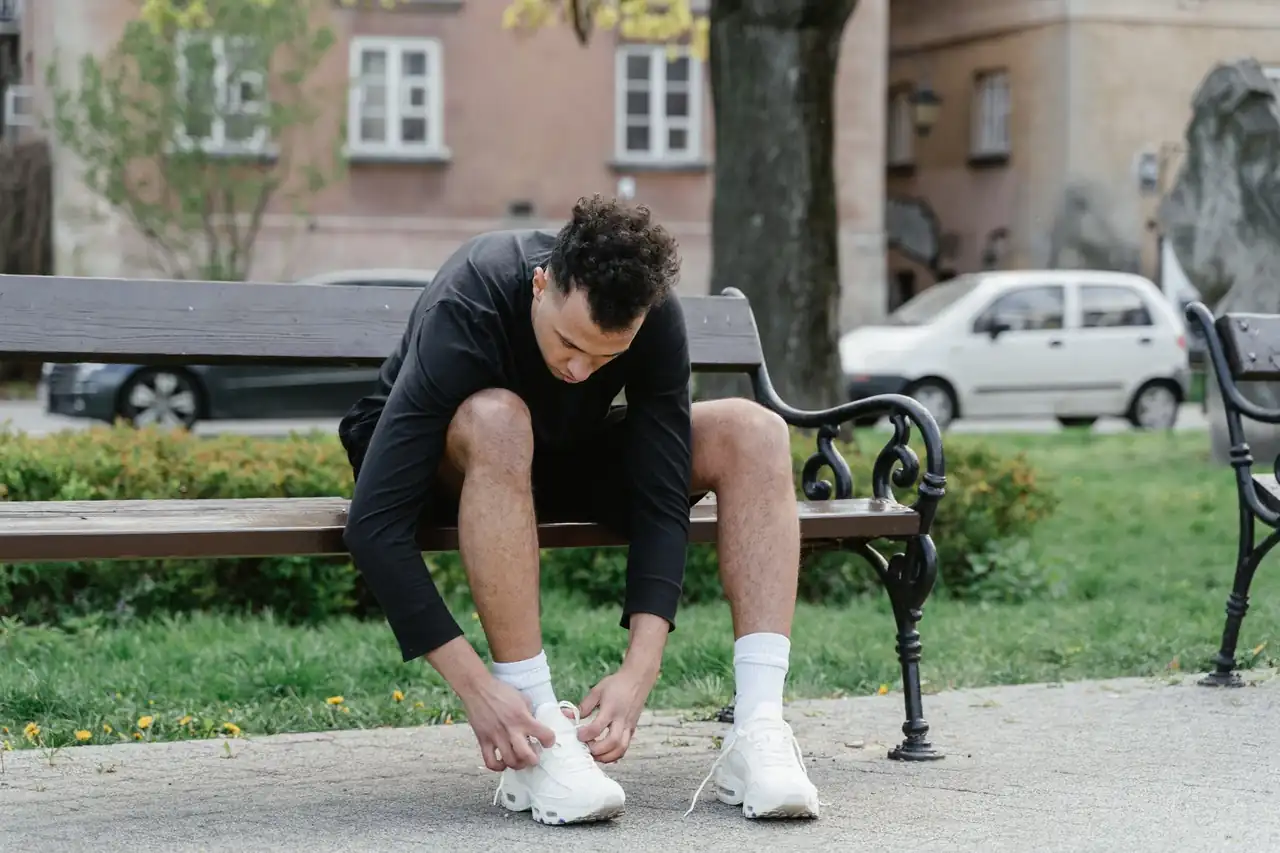
Heavy, sore legs after running, doing squats, or returning to the gym are often due to delayed-onset muscle soreness. It can appear 12 to 48 hours after exercise, feel worst after a day or two, and usually settles on its own within a few days.
The good news is that there are useful measures to ease the discomfort and speed up functional recovery. The bad news, for anyone looking for immediate relief, is that there is no miracle cure capable of wiping out the problem at a stroke. What does work is usually much less flashy than viral tricks: moving gently, sleeping well, staying hydrated, eating sensibly, and not punishing the already irritated muscle even more.
Why the legs protest after exertion
Sore muscles are not just a simple feeling of tiredness. Behind them there are microtears in the muscle fibers, local inflammation, and the body’s response to work it was not used to. That is why they appear especially often after an intense session, a change of pace, a long downhill run, a hilly workout, or a strength training session in which the legs receive more load than usual.
In running, the lower body pays the price easily because it absorbs repeated impact, stabilizes the body, and brakes and pushes with every stride. If the stimulus is new or excessive, the muscle behaves like a rope under repeated tugs: it does not tear badly, but it becomes irritated, tight, and sensitive to movement. That is why going up stairs, sitting down, or standing up from a chair can feel like a small negotiation with pain.
It is worth distinguishing this condition from a more serious injury. Sore muscles are usually bilateral or widespread, create stiffness and diffuse discomfort, but still allow you to keep walking, even if awkwardly. Very localized pain, with bruising, sharp stabbing, marked weakness, or inability to bear weight no longer falls into the same category and deserves medical evaluation.
What can actually relieve the pain without making it worse
The most useful resource is often the least spectacular: light activity. A walk, a few minutes of easy cycling, joint mobility exercises, or a very moderate session help increase blood flow and allow the muscle to recover its range of motion sooner. Complete rest, unless the pain is very intense, tends to leave the leg stiffer and clumsier.
Gentle heat also helps once the first hours after exertion have passed. A lukewarm shower, a brief heating pad, or a hot bath can provide a feeling of relief and relax muscle tension. Cold, on the other hand, is especially useful if there is notable inflammation or a recent feeling of overload, although it should not be confused with a definitive cure. It helps soothe; it does not erase the cause.
Gentle massage can be useful if done without beating up the area. The goal is not to crush the muscle, but to encourage relaxation and reduce the feeling of stiffness. A foam roller, used prudently, can help in some cases, although pain should not be turned into a test of endurance. If the pressure makes you clench your teeth, it is too much.
On a practical level, night rest matters more than is usually acknowledged. During sleep, tissue repair and hormonal regulation processes are activated, helping recovery. Sleeping badly, sleeping too little, or stringing together several days of fatigue turns the legs into a rough mechanical part, as if the gears were missing oil.
Habits that really make a difference
Hydration is one of those discreet elements you notice when they are lacking. Drinking enough water during the day and after exercise does not magically eliminate soreness, but it helps the body function with less friction. If the session has been long or hot, a drink with electrolytes may be reasonable, especially when there has been a lot of sweating.
Diet also matters, although not through the shortcut remedies that promise the impossible. An adequate intake of protein, carbohydrates, and micronutrients supports muscle repair and energy replenishment. After leg training, a simple meal with rice, potatoes, pasta, legumes, eggs, fish, yogurt, or fruit makes more sense than looking for improvised potions. The body is not rebuilt with shortcuts; it is rebuilt with enough material.
In the hours after exertion, combining protein and carbohydrates is usually useful for overall recovery. Not because it cures soreness itself, but because it reduces the biological cost of the session and leaves the muscle in better condition to repair itself. That is especially relevant for runners who string together load days or for those who alternate running with the gym.
Another decisive factor is progression. Most legs that wake up sore have not suffered a disaster, but rather too much enthusiasm. Suddenly increasing volume, intensity, hills, or eccentric strength turns a session into a small internal storm. The muscle usually warns before giving out, and that discomfort is part of the warning.
Home remedies that may help and which ones should be viewed with caution
Among home remedies, some ease the feeling of heaviness without pretending to do more than they can. Local heat, warm baths, and gentle mobility are usually the most sensible options. Cold compresses may also help in cases of noticeable inflammation, always with skin protection and for short periods. The idea is to reduce the noise of pain, not freeze the area or irritate it further.
Massages with oils or topical creams are popular because they provide a pleasant sensation, and in some cases can relax. The real benefit often comes from the massage itself, not the product. That nuance matters: relief may exist, but it is not worth attributing to the bottle an effectiveness it does not have.
Food-based suggestions also circulate, such as juices or smoothies with fruits rich in potassium, magnesium, or vitamin C. They can be part of a healthy diet, but they do not act like a switch that turns off pain. A piece of fruit by itself does not solve muscle overload, although it does fit into a more orderly recovery.
Alternating hot and cold water has gained fame because some people feel relief. It can be useful as a sensation of recovery, but its effect is neither uniform nor miraculous. If used, it should be seen as a complement, not the center of recovery. The same goes for compression socks: some athletes find them comfortable, while others notice little difference.
What you should not do when your legs hurt
One of the most common mistakes is thinking that going back to hard training will solve the problem. Sometimes gentle movement improves the sensation; forcing an intense session does not. A muscle that is recovering does not need a second bill. If pain limits technique or alters your stride, pushing through is a bad bet.
It is also wise to distrust the famous glass of water with sugar, the idea that lactic acid gets trapped in the muscle, or the notion that soreness is a good measure of a workout’s value. These are convenient stories because they simplify, but they simplify badly. Lactic acid does not explain this delayed pain, and the presence of discomfort does not guarantee a better session; sometimes it only indicates that the stimulus was excessive or poorly adapted.
Another common mistake is stretching aggressively, as if the sore muscle were a rubber band that must be forced to surrender. Gentle stretching can help, but painful stretching, held in anger, can worsen irritation. With heavy legs, less drama usually means more usefulness.
Nor is it a good idea to confuse fatigue with injury. Soreness improves with controlled movement and the passing of days. A strain, muscle tear, or tendinopathy does not follow the same pattern. If there is significant swelling, stabbing pain, clear loss of strength, or discomfort that worsens over time, this is no longer the usual discomfort after exercise.
How long it usually lasts and when to stop dismissing it
Most commonly, the discomfort appears the next day, peaks between 24 and 72 hours, and then gradually fades over the following days. In many cases, it lasts between three and five days, although it can last a bit longer if the session was very demanding, if there had been a long break from training, or if overall recovery is poor.
For runners who do hills, intervals, or downhill work, the legs tend to feel it more because eccentric work, the kind that brakes the body while the muscle lengthens, leaves a mark. That is why recovery depends not only on the perceived pain, but also on the context: accumulated load, sleep, nutrition, stress, and level of training adaptation.
There are signs that should change the focus. If the pain does not improve after several days, if a fever appears, if there is a large bruise, if one leg swells unevenly, or if the discomfort prevents you from walking normally, it is advisable to seek professional evaluation. Sore muscles are uncomfortable, yes, but they should not immobilize you or clearly distort your gait.
In a runner’s day-to-day life, recognizing that boundary saves trouble. Not all discomfort after training is part of the process, nor is all rest a sign of weakness. Sometimes the body asks you to slow down; other times it asks you to stop and check. Knowing how to hear that difference is worth more than any quick trick.
How to better prevent heavy, sore legs
Prevention starts long before anything hurts. A progressive warm-up, a well-distributed workload, and a reasonable increase in volume or intensity reduce the risk of ending up with battered legs quite a bit. Warming up is not a waste of time: it prepares the muscles, activates circulation, and reminds the body what will be asked of it.
Gentle stretches at the end of the session can help restore a feeling of length and ease, although they are not an infallible shield. It is better to think of them as a curtain drawn at the end of the effort: they do not stop the construction, but they let in less noise. Real prevention lies in smart progression and rest between hard sessions.
Variety also matters. A plan that alternates running, strength, mobility, and recovery days usually punishes the legs less than a succession of identical efforts. The body adapts, yes, but it also gets saturated. Giving it time to absorb the work avoids the classic scenario of wooden legs and a short stride.
When training includes the gym, eccentric work for the quadriceps, glutes, and calves deserves respect. Deep squats, lunges, controlled descents, or new exercises can create more discomfort if introduced without prior adaptation. The key is not to fear them, but to dose them properly.
Sore legs after running: how to ease them and adjust your training
Soreness can follow a harder-than-usual session, a hilly long run, speed work, a race, or a return to strength training. If your legs feel stiff and generally achy, you do not need to try to ‘run it off’ with another hard workout. A walk, gentle mobility, or a very easy jog may ease the feeling of stiffness, but slow down or stop if movement clearly makes the pain worse. Rest is also a sound option: you do not have to run to recover.
While your legs are tender, adjust your plan: postpone intervals, hills, long runs, and demanding lower-body strength work. If you do head out, choose a flat, comfortable route and stop if your stride changes or the pain builds. A warm shower, light massage, or gentle foam rolling may feel soothing, but none is an instant fix. Prioritise good sleep, drink to thirst, and stick to your usual balanced meals; avoid harsh remedies or a hard session intended to ‘loosen up’ your legs.
Pay attention to how the soreness changes, and build your training back gradually once walking and everyday movement feel comfortable. Typical post-exercise soreness is often widespread and improves over a few days. Do not automatically put very localised or severe pain, marked swelling, bruising, weakness, difficulty bearing weight, or symptoms that persist or worsen down to training: stop running and consult a healthcare professional. Seek advice as well if you are unsure whether it is sensible to return to intervals or race.
The legs speak loudest after hills and strength work
Sore legs usually follow a very recognizable pattern: they appear after a new stimulus, hurt when moving, improve with gentle activity, and disappear without a trace in a few days. That behavior helps distinguish them from other muscle or joint problems. The texture of the pain changes, but so does its meaning.
In such a physical sport as running, knowing how to interpret that signal is almost as important as training. Sore legs do not always call for immobility, and they do not demand heroics either. Between the couch and the forced stride lies a middle ground: walking, hydrating, sleeping, eating well, and getting moving again with common sense. That combination, unglamorous but logical, is what usually helps most.
The most sensible remedies do not compete with one another; they add up. Gentle movement, enough rest, cold or heat depending on the moment, prudent massage, and proper nutrition form a much stronger package than any quick promise. In the end, muscle recovery has something of craftsmanship about it: patience, consistency, and zero magic.
Medical reference: Muscle aches, MedlinePlus (U.S. National Library of Medicine).



How to prevent thigh chafing: causes and real solutions

Women’s running windbreakers: seven jackets and how to choose

Do more workouts get rid of soreness? A guide for runners

Jaén Half Marathon 2026: Record 3,800 Runners Registered

Men’s short running tights: how to choose the right pair

World Triathlon confirms data breach involving medical data

Izan Edo targets podium at Miyazaki World Cup

María Pérez ranks ninth in World Athletics’ 2026 top ten

Dos Santos, Duplantis and Sawe: World Athlete of the Year finalists

San Silvestre Vallecana 2026: 42,000 places, prices and start times

 Races4 months ago
Valencia Half Marathon 2027: date and registration

 Races4 months ago
Valencia Marathon 2026: entry, ballot and course

 Reviews and Comparisons4 months ago
Asics Gel-Roadmiles 3 for men: review and current price

 Reviews and Comparisons4 months ago
Asics Gel Sonoma 8 Gore-Tex: complete analysis for trail and rain

 Sneakers4 months ago
Saucony Endorphin Pro 4: full review and verdict

 News5 months ago
Strava API 2026: what changes for clubs, challenges and runner apps?

 Reviews and Comparisons5 months ago
Nike Alphafly 3: opinions, sensations, and real key points

 Reviews and Comparisons4 months ago
Under Armour running shoes review 2025-2026: models and key features

 Sports Equipment4 months ago
Shoe sizes in cm: a clear guide to getting the right fit for your footwear

 Sneakers3 months ago
Skechers GO RUN Consistent 2.0 analysis: comfort and limits

 News5 months ago
Valencia Marathon 2026 route: key tips to train and run better

 Sneakers4 months ago
Adidas Adizero Boston 13 for men: review and verdict