Health and Nutrition
Spirulina: what it is and what it’s used for in running
A clear guide to its composition, real-world uses, indicative doses, and safety for runners.

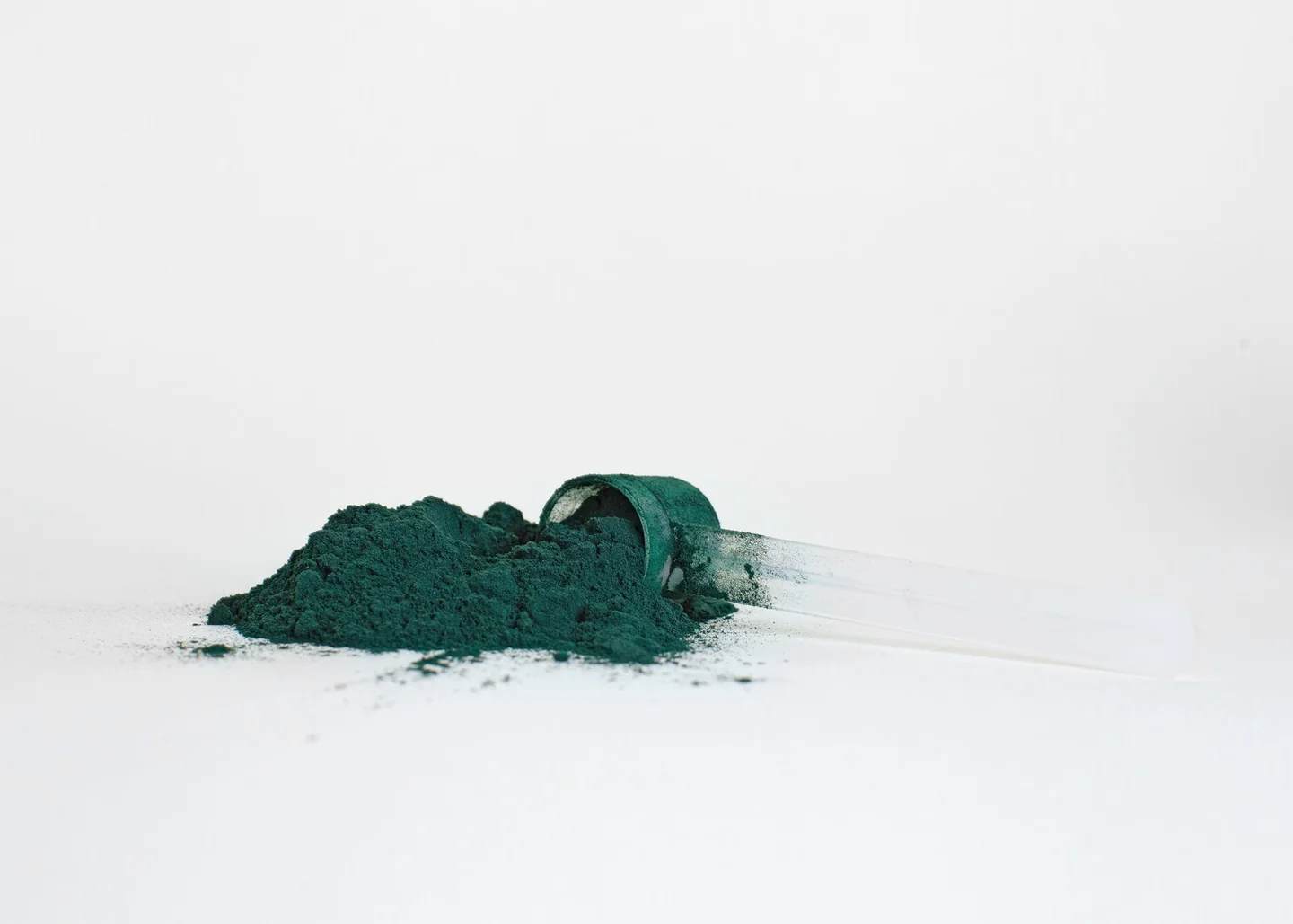
Spirulina is a blue-green microalga that has secured a steady place on supplement shelves thanks to its nutritional density and its profile of proteins, iron, and antioxidant pigments. In the running world, it often appears as a plant-based add-on to help increase nutrient intake, although its real role is more modest than its reputation: it does not improve performance on its own, but it can fit into diets that need extra protein or minerals.
Its appeal for runners comes from a very specific combination: it provides nutrients in a small amount and is easy to take, as powder or capsules, without requiring major changes to daily meals. Even so, it is worth looking at the product critically. Quality, origin, and dosage matter more than trendy marketing, because what truly makes the difference in recovery and energy is still a complete diet, rest, and well-planned training.
What spirulina is and why it appears in so many supplements
Spirulina is not a conventional seaweed, but a cyanobacterium, a photosynthetic microorganism cultivated in freshwater and alkaline environments. Its commercial name coexists with that of Arthrospira, and its intense color comes from pigments such as phycocyanin and chlorophyll. That almost electric blue-green tone explains why many smoothie mixes, bars, or functional powders include it as a visible and easily identifiable ingredient.
Its popularity is not new. Peoples in different parts of Africa and Mesoamerica were already using similar microalgae as food, and in the 20th century spirulina entered the international conversation as a high-nutritional-value option for extreme contexts, including space food. That historical path has fueled a superfood narrative, but serious analysis forces us to turn the volume down: it is a concentrated food, not a miracle shortcut.
In practical terms, spirulina stands out for something very simple and very valuable: it offers a good amount of plant protein, B vitamins, iron, and certain antioxidants in a small serving. That balance has made it a common resource in vegetarian and vegan diets, but also a supplement that shows up in athletes’ breakfasts, especially when they want a convenient way to add nutrients without increasing food volume too much.
What spirulina is used for in practice
Spirulina’s strongest use is its concentrated nutritional contribution. In a smoothie, a tablet, or mixed into plant-based yogurt, it can add protein and micronutrients with very little caloric load. For someone who trains regularly, that can be useful during high-mileage weeks, in phases with little appetite, or in periods when it is hard to meet iron and protein needs through the usual diet.
When it comes to performance, its effect is indirect. It does not act as a stimulant or produce an immediate change in running pace. What it can do is help sustain adequate intake of nutrients related to recovery, red blood cell formation, and muscle function. Its real value lies in complementing, not replacing.
It is also used for its antioxidant profile. Phycocyanin and other compounds found in the microalga have been studied for their possible role against oxidative stress, a process that increases with intense exercise. In plain language, that means it may be part of a nutrition strategy aimed at supporting the body when training gets demanding, but without presenting it as a magical barrier against fatigue or injury.
What its nutritional profile says
Dried spirulina has a striking composition. Around 57 to 65 grams of protein per 100 grams, depending on cultivation and processing, plus notable amounts of iron, magnesium, potassium, phosphorus, and carotenoids. That figure is impressive, but it needs to be read carefully: nobody takes 100 grams a day. Typical servings are much smaller, so the absolute intake ends up being modest, though useful.
In a serving of about 7 grams, the protein amount is around 4 grams, with a mineral density that can add up, especially in diets with narrow margins. It also provides some fat and carbohydrates, along with compounds such as chlorophyll and phycocyanin. It does not replace a meal serving, but it can act as a boost at specific times of the day.
There is an important nuance for those following a strict plant-based diet: spirulina contains compounds similar to vitamin B12, but they are not considered a reliable source of active B12 for the body. That difference is not minor. In other words, it should not be used as a replacement for a B12 supplement when this vitamin is needed due to medical guidance or diet type.
Potential benefits that matter most to runners
In the running world, interest in spirulina usually revolves around three areas: perceived energy, recovery, and nutritional support. Regarding energy, the most cautious evidence points to an indirect effect. If a person is low in iron, protein, or certain micronutrients, better covering those gaps can translate into less fatigue. But that is not the same as an immediate coffee-like effect. Spirulina does not speed up the body’s clock; it may simply help it run with less friction.
In recovery, its contribution is more logical than spectacular. Running workouts, especially quality sessions, deplete stores and leave behind muscle wear. A supplement with protein and antioxidants can fit into an afternoon snack or the breakfast after a hard session, especially when it is convenient and easy to digest. Even so, recovery still depends on the basics: enough carbohydrates, total daily protein, hydration, and sleep.
The third area is iron. This mineral is key for transporting oxygen, something central to any endurance sport. Spirulina contains iron, which is why it often comes up in conversations about anemia or tiredness. But here precision matters: it does not treat anemia on its own, and if there are symptoms such as persistent fatigue, pallor, or poor performance, medical evaluation is still essential. Taking it can be useful as dietary support, not as a standalone solution.
What effects it may have on energy, weight, and overall health
Some people associate it with weight loss, and that connection deserves nuance. Spirulina can promote satiety because of its protein content and may help organize intake in certain routines, but it does not make you slim down on its own. For a runner, its role would be more of a nutritional support that fits into energy-control plans, always within a coherent diet and real physical expenditure.
Its possible influence on lipids, glucose, and inflammatory markers has also been studied. The available results suggest modest benefits in some contexts, but the effect size is usually small and highly dependent on the starting situation. In practical journalism and sports terms, that translates into a simple idea: it works as a supplement with potential, not as a treatment or a substitute for solid habits.
Its reputation as a general boost comes partly from the combination of micronutrients and antioxidants. That profile can be attractive for people with less varied diets, high needs, or periods of heavy training load. Even so, the quality of the evidence is uneven, and not all the promises circulating in the market have the same support. The sensible approach is to stick with what can be verified: nutritional density, ease of use, and possible dietary support.
How to take it and in what form it is most often used
Spirulina is sold mainly in powder, tablets, and capsules. The powder mixes easily with water, juice, yogurt, vegetable creams, or smoothies, although its flavor resembles intense vegetation, with a slightly marine, earthy edge that not everyone likes. Capsules avoid that problem and make it easier to take, but they give up the culinary versatility of the powder form.
The amounts most often cited in studies and usage guides range from 3 to 10 grams a day, although the right dose depends on the goal, tolerance, and the rest of the diet. In practice, many people start with small amounts to see how they tolerate it. That caution makes sense, because a supplement that is well tolerated in moderate doses can become bothersome if pushed too quickly.
For runners, it usually fits best at times when meals already include some carbs or protein: breakfast, a snack, or post-workout recovery. The form does not change its nutritional value, but it does affect ease of use. Consistency matters more than exact timing, as long as the overall diet is reasonable and no digestive discomfort appears.
Safety, side effects, and who should be cautious
In general, spirulina is considered safe when it comes from reliable sources and is consumed in normal amounts. The problem is usually not the microalga itself, but the possibility of contamination with toxins, heavy metals, or microcystins in poorly controlled products. That is why origin and quality control are decisive. A cheap container is not always a bargain if the raw material is poor.
The most common side effects, when they occur, are digestive: nausea, diarrhea, abdominal discomfort, or a feeling of heaviness. Allergic reactions can also occur, though they are less common. If taken in excess or by sensitive people, tolerance may worsen. That is why it is worth remembering that more does not mean better. In supplementation, that mistake is paid for quickly.
There are groups that deserve special caution. People with phenylketonuria should avoid it because of its phenylalanine content. Those with autoimmune diseases, liver problems, algae allergies, or specific treatments should consult a professional before adding it. During pregnancy, breastfeeding, and in minors, caution matters even more, because the safety evidence is not as broad as it is for healthy adults.
What to look at before buying it
The label matters more than it seems. A good spirulina product should clearly show information about origin, format, batch, best-before date, and, above all, quality controls. Controlled cultivation is a basic sign of trust, because it reduces the risk of impurities and makes its composition more predictable. When the packaging is vague, the product deserves suspicion.
It is also useful to pay attention to the presentation. Powder is usually more versatile, but it requires accepting the flavor. Capsules are practical for those who travel, train early, or do not want to taste the plant flavor. In both cases, the editorial criterion should be the same: few embellishments in the promise, lots of clarity about origin and composition.
For readers in the runner world, the final criterion is almost always the same as with other minor ergogenic aids: that it fits without complicating the diet. If a supplement requires too many expectations, it is probably occupying a place that belongs to food, hydration, or rest. Spirulina works better as a supporting note than as the main character.
The superfood trend and the reality behind the noise
Spirulina’s success is easy to understand if you look at today’s sports nutrition showcase. The market rewards ingredients with history, color, and a promise of simplicity. This microalga has all three: it is ancient, visually striking, and easy to turn into a marketing message. But useful journalism requires separating the story from the real function. Its value lies in nutritional density, not in the packaging’s epic tale.
That does not diminish it. It simply places it where it belongs. In a runner with an orderly diet, good rest, and sufficient protein intake, spirulina is not going to change a season. On the other hand, it can help complete a diet plan if there is little variety, a busy schedule, or a need to add nutrients conveniently. That difference is key and avoids many disappointments.
There is also a language issue. Calling it a superfood sounds powerful, but says very little. It is more useful to describe it as a concentrated source of plant protein, iron, and antioxidants. That removes some of the commercial shine and adds precision. And precision, in nutrition and running, is often the best antidote to inflated expectations.
What the evidence makes clear and why it still matters
Spirulina continues to take up space because it meets several needs at once: it is easy to take, it concentrates nutrients, and it fits varied diets, including plant-based ones. Its profile can be interesting in physical activity contexts, especially when the goal is a small nutritional boost that does not complicate the routine. It is not a central piece of performance, but it can be a useful supporting piece.
The final assessment is cautious. It makes sense as a supplement, especially if chosen well and used with realistic expectations. It makes less sense as a promise of instant energy, weight loss, or miraculous recovery. In endurance sports, as in almost everything, consistency matters more than a dramatic effect.
That is why its appeal does not disappear. Spirulina remains there, between curiosity and usefulness, as a small but reasonable tool within a broad diet. It serves to add, not to replace, and that is probably the most honest way to understand it.
Medical reference: Spirulina and its health benefits, Cleveland Clinic.



How to prevent thigh chafing: causes and real solutions

Women’s running windbreakers: seven jackets and how to choose

Do more workouts get rid of soreness? A guide for runners

Jaén Half Marathon 2026: Record 3,800 Runners Registered

Men’s short running tights: how to choose the right pair

World Triathlon confirms data breach involving medical data

Izan Edo targets podium at Miyazaki World Cup

María Pérez ranks ninth in World Athletics’ 2026 top ten

Dos Santos, Duplantis and Sawe: World Athlete of the Year finalists

San Silvestre Vallecana 2026: 42,000 places, prices and start times

 Races4 months ago
Valencia Half Marathon 2027: date and registration

 Races4 months ago
Valencia Marathon 2026: entry, ballot and course

 Reviews and Comparisons4 months ago
Asics Gel-Roadmiles 3 for men: review and current price

 Reviews and Comparisons4 months ago
Asics Gel Sonoma 8 Gore-Tex: complete analysis for trail and rain

 Sneakers4 months ago
Saucony Endorphin Pro 4: full review and verdict

 News5 months ago
Strava API 2026: what changes for clubs, challenges and runner apps?

 Reviews and Comparisons5 months ago
Nike Alphafly 3: opinions, sensations, and real key points

 Reviews and Comparisons4 months ago
Under Armour running shoes review 2025-2026: models and key features

 Sports Equipment4 months ago
Shoe sizes in cm: a clear guide to getting the right fit for your footwear

 Sneakers3 months ago
Skechers GO RUN Consistent 2.0 analysis: comfort and limits

 News5 months ago
Valencia Marathon 2026 route: key tips to train and run better

 Sneakers4 months ago
Adidas Adizero Boston 13 for men: review and verdict