Health and Nutrition
10 benefits of oats for runners: energy and recovery
Fiber, sustained energy, and lighter digestion: why this cereal has earned a permanent place in the pantry and in sports.

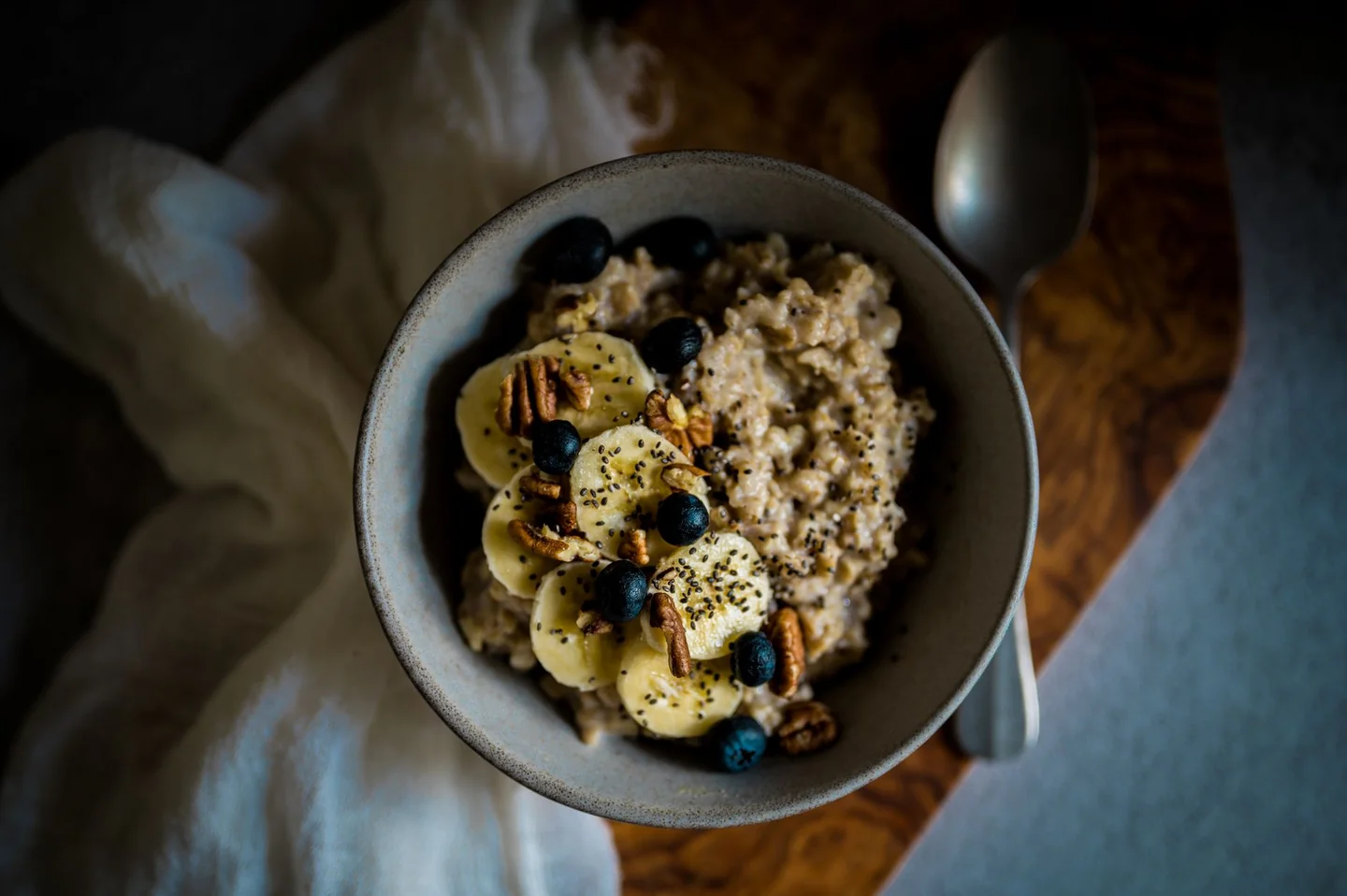
Oats have become one of the most complete and versatile cereals in the modern pantry. For runners, a bowl of flakes provides soluble fiber, slowly absorbed carbohydrates, plant proteins, B vitamins, and minerals such as magnesium, iron, phosphorus, and zinc. That combination explains why oats often feature in breakfasts, snacks, and meal plans geared towards physical performance.
Their value lies not only in nutrition, but in the way the body processes them. They provide sustained energy, help modulate glucose, promote satiety, and fit easily into active routines, something especially useful for those who run, train, or simply want to eat better without making things complicated.
A humble cereal with a very serious nutritional load
Oats stand out for a very balanced relationship between energy, fiber, and micronutrients. In 100 grams of flakes, they can provide around 360 kilocalories, although the usual serving is quite a bit smaller. The important thing is not just the calorie count, but the quality of that energy: complex carbohydrates predominate, releasing gradually and avoiding the sharp ups and downs that other more refined options often leave behind.
They also provide a noteworthy amount of protein for a cereal. In a 30-gram serving, the figure is around 4 or 5 grams, depending on the variety and processing. They do not replace a main protein source, but they do make a significant contribution to breakfasts and light meals, especially when combined with yogurt, milk, plant-based drinks, nuts, or eggs.
Another of their strong points is fiber, especially beta-glucans. This soluble fiber forms a kind of gel when mixed with water in the digestive tract. That physical effect explains much of its benefits for cholesterol, satiety, and glycemic response. It is not a minor detail: it is the basis of its nutritional interest.
1. Keeps you full for longer and helps you eat with more control
The feeling of fullness is one of the most immediate effects of oats. The combination of soluble fiber and complex carbohydrates slows gastric emptying, so hunger takes longer to appear. That makes them a very useful option for those who need to endure a long morning without falling into constant snacking.
In practice, that satiety has a simple but relevant effect: it reduces the temptation to turn to ultra-processed products between meals. A breakfast with oats, fruit, and some healthy fat usually keeps appetite in check better than a quick alternative based on pastries or sugary cereals. The body receives fuel, but not in the form of a fleeting spike.
For runners, that nuance matters even more. A filling breakfast can help stabilize the morning before an easy run, a workday, or a technique session. The point is not to eat more, but to eat at a more efficient pace to avoid crashes and early cravings.
2. Helps keep glucose more stable
Oats have a moderate glycemic index when consumed in minimally processed forms. This means blood glucose tends to rise more gently than with other breakfasts loaded with sugar or refined flour. The difference is noticeable in perceived energy: fewer peaks, fewer sharp drops, and greater continuity throughout the morning.
The effect is due, once again, to the beta-glucans and the structure of the grain. The more intact the cereal is, the slower it digests. That is why whole flakes, bran, or less processed oats usually behave better than versions with added sugars or very sweet flavors that alter their original profile.
This benefit is especially relevant for people with insulin resistance or type 2 diabetes, always within a diet guided by healthcare professionals. Oats do not by themselves correct any metabolic problem, but they can be part of a diet that promotes a more stable response after meals.
3. Helps lower LDL cholesterol
The link between oats and cholesterol is among the strongest in the entire food world. Beta-glucans help carry away some cholesterol and bile acids in the intestine, making their elimination easier. That mechanism can help reduce LDL cholesterol, the so-called bad cholesterol, when consumption is regular and integrated into a coherent diet.
The key is consistency. There is no single food that completely changes the lipid profile, but oats do provide a very useful piece within a broader whole: fewer trans fats, more fresh foods, more physical activity, and a balanced eating pattern. In that scenario, its effect makes sense and is supported.
They also provide antioxidant compounds, such as avenanthramides, which are interesting for vascular health. They do not act like a medicine, but they do add extra value to a cereal that already has a very well-rounded composition.
4. Promotes gentler digestion and regular bowel movements
The fiber in oats works like a small support network for the intestine. The soluble fraction helps soften the passage of digestive contents, while the insoluble fraction adds bulk to stool and contributes to more regular transit. That combination explains why many people find it useful when they want to improve bowel regularity without resorting to harsh solutions.
Texture matters too. Well-cooked porridge, flakes soaked in yogurt, or a light cream usually tend to be easier to tolerate than very dry or poorly prepared mixtures. In sensitive people, the way it is consumed can make a clear difference in digestive comfort.
Oats also act as a prebiotic. In other words, they serve as food for part of the intestinal microbiota. That interaction with beneficial bacteria is linked to better digestive health and a more favorable intestinal environment in the long term.
5. Provides sustained energy to train and perform better
In sports, oats function as a slow-release fuel. They do not deliver the immediate hit of a simple sugar, but they do provide steadier energy that can be valuable before a session, at breakfast on a workday, or as an afternoon snack before a light workout. That profile makes them highly appreciated by runners and active people.
In a long run, for example, a breakfast with oats can help you start with better reserves and a calmer stomach if eaten with enough time in advance. In other situations, such as post-exercise recovery, they also add carbohydrates to replenish glycogen, which is important when training volume is constant.
It is not a magic formula, but it is a solid and practical resource. Its relatively easy digestion, combined with its nutritional density, makes it one of the most logical choices for those seeking energy without heaviness.
6. Facilitates weight control within a balanced diet
Oats help regulate appetite, and that has direct consequences for body weight. By generating satiety and stabilizing energy, they can reduce the likelihood of arriving at the next meal overly hungry. Over time, that effect usually translates into better portion management and fewer snacking impulses.
It is worth clarifying something important: they do not make you gain weight on their own, nor do they make you lose weight by magic. Everything depends on the amount, the accompaniments, and the overall diet. A reasonable serving of oats with fresh fruit and plain yogurt is not in the same league as very sugary granola served in excess.
Their real advantage is that they help you eat with more structure. And in nutrition, that word matters a lot. Weight control is usually a matter of repeated habits, not isolated actions.
7. Provides vitamins and minerals the body uses every day
Oats do not just provide energy; they also deliver raw materials for many body functions. They are an interesting source of magnesium, phosphorus, iron, zinc, manganese, and B vitamins, especially thiamine or B1. These nutrients participate in energy production, neuromuscular function, tissue formation, and the overall balance of metabolism.
For athletes, that profile is especially useful because the demand for certain minerals increases with physical activity, sweating, and the metabolic demands of exercise. Oats do not cover all needs on their own, but they do add a very valuable nutritional foundation in frequent meals.
They also contain vitamin E and phenolic compounds with antioxidant function. That combination helps offset part of the oxidative stress generated by daily life, intense exercise, and the passage of time itself.
8. Can support cardiovascular health overall
When fiber, unsaturated fats, and antioxidants come together, the heart benefits. Oats provide that trio quite coherently. They do not act in isolation on a single parameter, but rather contribute to a more favorable cardiometabolic context: more controlled cholesterol, more stable glucose, and a better satiety profile.
In addition, they are a cereal with a noteworthy amount of unsaturated fats, considered more beneficial for the body than saturated fats when part of a balanced diet. That characteristic, together with beta-glucans, explains why they often appear in dietary recommendations related to cardiovascular care.
In journalistic terms, their value does not lie in a grand headline, but in the sum of small and consistent effects. That sum, repeated over weeks and months, is what ends up mattering.
9. Fits well into breakfasts, snacks, and light dinners
Versatility is one of oats’ great secrets. They can be eaten cooked, soaked, ground into flour, mixed with yogurt, or incorporated into cakes, pancakes, and quick bread batters. That ease of use makes them very convenient for anyone who wants to eat more healthily without spending hours in the kitchen.
At breakfast, they work as porridge, overnight oats, or homemade muesli. As a snack, they can be part of yogurt with fruit or simple bars. Even at light dinners, they pair well with milk, cinnamon, or fruit, as long as the portion and the rest of the menu make sense within the day.
Their discreet profile is an advantage. They do not impose a dominant flavor and welcome both sweet and savory combinations. That multiplies the possibilities without requiring complicated techniques.
10. They are economical, accessible, and easy to actually incorporate
A healthy food gains a lot when it is also affordable and easy to buy. Oats are available year-round, usually reasonably priced, and make it possible to put together complete breakfasts with few ingredients. That combination of low cost and high usefulness explains part of their lasting success.
In an era when many products are marketed as healthy through flashy packaging, oats retain an almost old-fashioned virtue: they deliver on their promise without needing gimmicks. With water or milk, with fruit or yogurt, with cinnamon or seeds, the result remains useful and quite coherent from a nutritional point of view.
They also have a practical point that should not be underestimated: they last a long time, keep well, and allow improvisation. For a daily routine, that flexibility is gold.
The amount matters as much as the form
A usual serving for healthy adults is often around 30 or 40 grams of flakes per day. That amount is roughly equivalent to three or four tablespoons and is enough to notice its effect in a normal diet. From there, digestive tolerance and each person’s energy needs determine the rest.
Anyone not used to eating much fiber should introduce it gradually. If intake increases suddenly, gas, heaviness, or bloating may appear. It is also advisable to accompany it with enough water, because fiber needs liquid to do its job properly in the intestine.
People with celiac disease or gluten sensitivity should check that the package indicates certified gluten-free oats. The cereal is naturally free of that protein, but cross-contamination during processing is common in some brands and production lines.
What the body gains when oats replace worse options
The big change usually does not come from adding oats, but from replacing other less interesting products. A breakfast based on pastries, sugary cereals, or very refined breads leaves less satiety and more energy fluctuation. Swapping it for oats can reduce excess sugar, improve fiber quality, and give the day a more solid nutritional foundation.
In nutrition, those substitutions carry enormous weight. It is not about chasing perfect foods, but about more often choosing those that contribute more and distract less. Oats fit there naturally, because they work quietly: they fill, nourish, stabilize, and do not require impossible logistics.
That is why they have gone from being a niche cereal to a regular presence in homes, sports menus, and urban breakfasts. Their reputation does not come from a passing trend, but from a combination that is fairly hard to dispute: good nutritional profile, real usefulness, and reasonable price.
How to fit oats around your runs and races
Oats can be a practical breakfast before an easy run or part of a meal on a training day. Their carbohydrates provide energy, while the fiber helps make them filling. The right portion and timing depend on the individual and the session: an easy jog is different from a demanding workout. See how oats work for you on ordinary training days rather than trying them for the first time before a race.
Fiber is one of oats’ strengths, but it may feel uncomfortable if you eat shortly before running or are not used to it. Look out for heaviness, bloating, or an urgent need to use the toilet during a run. If these occur, try eating earlier, adjusting the portion, or choosing a simpler preparation. Avoid adding lots of ingredients if you think the combination is upsetting your stomach, and stay mindful of hydration when eating a fiber-rich diet.
For a more complete breakfast, you could pair oats with yogurt or milk, fruit, or nuts, depending on your preferences and tolerance. After training, oats can be part of a meal that also includes a source of protein. Before a long run or race, stick with foods you have already tested, and do not rely on oats as your only fueling plan: tailor your meal to the session’s duration and demands. If discomfort persists, consult a healthcare professional.
A simple cereal that still gives reasons to come back to it
The 10 benefits of oats are best understood when viewed as a whole rather than as an isolated list of virtues. Satiety, glucose control, help with cholesterol, better bowel movements, sustained energy, mineral intake, cardiovascular support, versatility, accessibility, and usefulness in sports form a coherent block. Few everyday foods offer so much room for so little complexity.
Their greatest strength is that they do not need exaggerated claims to defend themselves. It is enough to observe how they behave in daily routine: they calm hunger, support effort, fit into different recipes, and provide nutrients with a fairly clean footprint. In a food market full of fleeting claims, that consistency is worth a lot.
Oats do not solve a diet on their own, but they do easily improve the ground on which everyday meals are built. And in health, that foundation matters more than any brilliant, isolated gesture.
Medical reference: Health benefits of oatmeal, Cleveland Clinic.



How to prevent thigh chafing: causes and real solutions

Women’s running windbreakers: seven jackets and how to choose

Do more workouts get rid of soreness? A guide for runners

Jaén Half Marathon 2026: Record 3,800 Runners Registered

Men’s short running tights: how to choose the right pair

World Triathlon confirms data breach involving medical data

Izan Edo targets podium at Miyazaki World Cup

María Pérez ranks ninth in World Athletics’ 2026 top ten

Dos Santos, Duplantis and Sawe: World Athlete of the Year finalists

San Silvestre Vallecana 2026: 42,000 places, prices and start times

 Races4 months ago
Valencia Half Marathon 2027: date and registration

 Races4 months ago
Valencia Marathon 2026: entry, ballot and course

 Reviews and Comparisons4 months ago
Asics Gel-Roadmiles 3 for men: review and current price

 Reviews and Comparisons4 months ago
Asics Gel Sonoma 8 Gore-Tex: complete analysis for trail and rain

 Sneakers4 months ago
Saucony Endorphin Pro 4: full review and verdict

 News5 months ago
Strava API 2026: what changes for clubs, challenges and runner apps?

 Reviews and Comparisons5 months ago
Nike Alphafly 3: opinions, sensations, and real key points

 Reviews and Comparisons4 months ago
Under Armour running shoes review 2025-2026: models and key features

 Sports Equipment4 months ago
Shoe sizes in cm: a clear guide to getting the right fit for your footwear

 Sneakers3 months ago
Skechers GO RUN Consistent 2.0 analysis: comfort and limits

 News5 months ago
Valencia Marathon 2026 route: key tips to train and run better

 Sneakers4 months ago
Adidas Adizero Boston 13 for men: review and verdict