Health and Nutrition
Thumb pain: causes, signs, and treatment
Causes, warning signs, and real options for relieving pain and regaining thumb mobility.

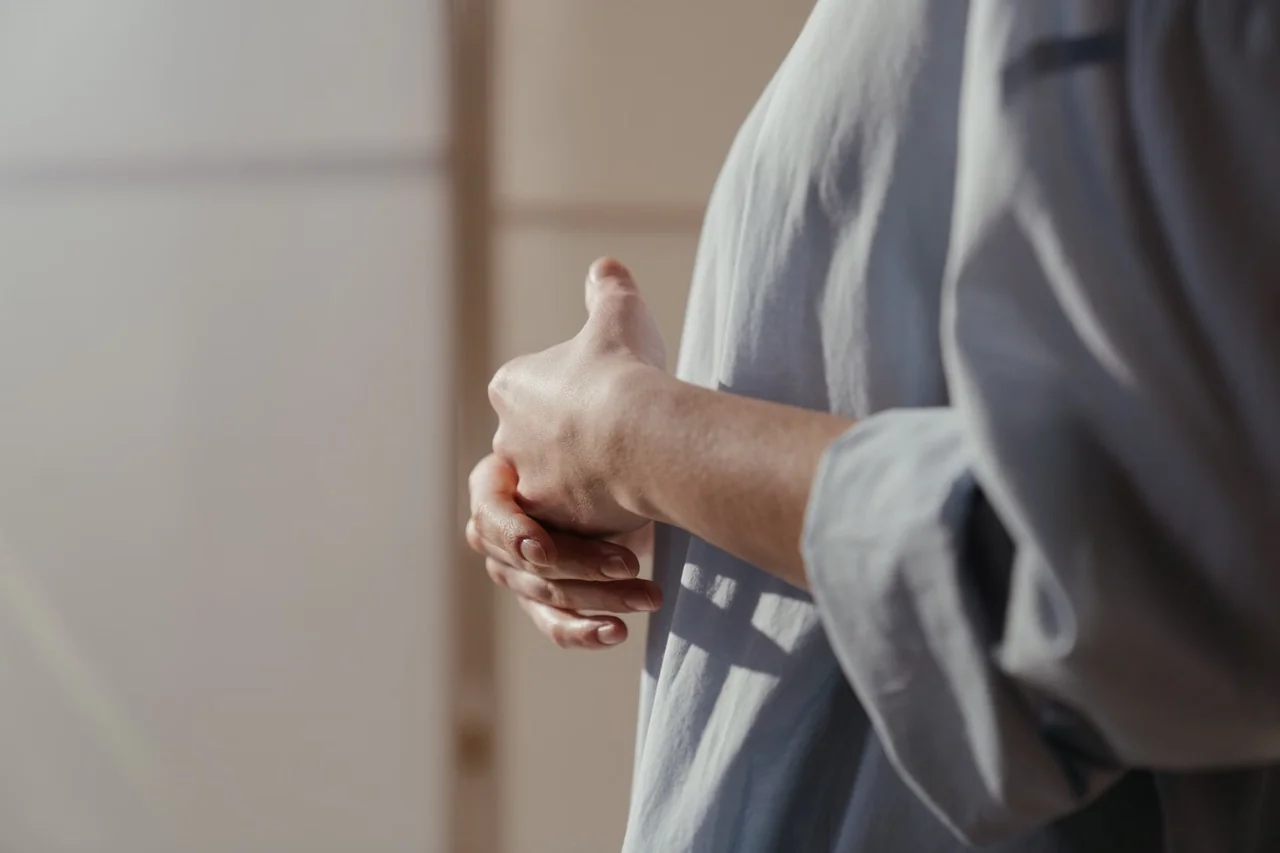
The thumb supports a large part of the hand’s fine work: opening a jar, holding your phone, writing, picking up a racket, or buttoning a shirt all depend on a small joint that, when it fails, alters basic actions such as turning a key. Pain in this area usually appears due to overuse, tendon inflammation, arthritis at the base of the thumb, or traumatic injuries, and it should not be dismissed as a simple passing annoyance.
Treatment changes depending on the cause. Tendinitis is not treated the same as thumb arthritis, and a fall that leaves the finger swollen is not managed like a slow-developing inflammatory condition. The key is identifying which structure is irritated, how long the pain has been present, and whether there is loss of strength, morning stiffness, deformity, or clicking when moving the hand.
When the thumb really starts to hurt
Pain in the thumb of the hand is usually felt at the base of the thumb, near the wrist, although it can also extend into the forearm or concentrate in the joint at the tip. In some cases it appears when pinching with the fingers, grabbing bags, or lifting a bottle; in others, it even shows up at rest, like a dull stab that flares with any attempt to move.
That pattern matters. Pain that worsens with repeated use often points to tendon overload, while stiffness on waking and the feeling of a worn-out joint fit better with arthritis. If the onset was sudden after a blow, twist, or fall, suspicion shifts toward sprain, fracture, or ligament injury. This is no minor detail: it determines the type of treatment and recovery time.
The hand does not work in isolated compartments. The thumb depends on tendons, ligaments, joint capsule, and small muscles that work like a precision orchestra. When one of those parts becomes inflamed or worn down, the rest compensates and overloads the neighboring area. That is why pain is often accompanied by weakness, clumsiness, or the sensation that the hand no longer responds with the same ease.
The most common causes and how to tell them apart
Thumb tendinitis, especially De Quervain tenosynovitis, is one of the most common causes. It irritates the tendons that pass along the thumb side, near the wrist, and usually shows up as pain when gripping, twisting, or lifting objects. In people who use their phone a lot, do repetitive hand tasks, train with poorly distributed weights, or perform manual work, the area becomes a constant friction point.
Osteoarthritis at the base of the thumb, also called thumb arthritis, follows a different course. It usually does not start with a clear episode, but with a progressive deterioration of the cartilage that gradually reduces the space in the joint. The result is a mix of mechanical pain, stiffness, loss of strength, and, in advanced stages, visible deformity at the root of the thumb. Opening a clothespin, wringing out a cloth, or holding a glass can become surprisingly uncomfortable.
Arthritis, sprains, fractures, and ligament injuries can also be involved. Arthritis adds warmth, swelling, and stiffness, sometimes affecting several fingers. Traumatic injuries, on the other hand, usually come with sudden swelling, bruising, or inability to hold objects. If the finger changes shape, locks up, or the discomfort appeared after a clear impact, medical evaluation becomes important right away.
There is another less striking but very common factor: repeated use. Keyboard, mouse, tools, rackets, weights, or even a long day holding the phone can punish the base of the thumb with repetition that seems harmless, but adds up to thousands of micro-loads. Tissue tolerates only a limited amount of friction; when it is exceeded, pain appears as the warning sign.
Signs that help guide the diagnosis
The location of the pain provides valuable clues. If it is on the radial edge of the wrist and worsens when moving the thumb outward, tenosynovitis becomes more likely. If the pain is at the base of the thumb and appears mainly when squeezing or pinching, arthritis becomes more likely. If the problem is accompanied by diffuse swelling, redness, or warmth, joint inflammation or an acute injury moves to the forefront.
Morning stiffness also says a lot. A hand that wakes up stiff and takes a while to get going may fit with arthritis or osteoarthritis, although the duration of stiffness and the rest of the symptoms help distinguish between them. Arthritis is usually more inflammatory, with flare-ups and swelling, while osteoarthritis causes pain more linked to load and precise movements. There is no infallible rule, but the clinical pattern is quite informative.
Loss of strength is a sign that should not be normalized. If opening a lid, holding a cup, or carrying a backpack becomes awkward, the thumb is losing functional efficiency. Sometimes there is no serious injury behind it, only a tendinopathy or a worn joint; other times, however, the hand is warning of a fracture, a ligament tear, or a more serious inflammation. Physical examination and, when needed, an X-ray or ultrasound clarify many doubts.
Treatment: what usually works depending on the cause
The first pillar of treatment is reducing the load on the area. That does not mean immobilizing the hand all day, but rather avoiding for a while the movements that trigger pain and reorganizing activity so the same irritated spot is not kept rubbing. In tendinitis, that relative rest is often essential; in arthritis, it helps prevent the joint from being overstrained by unnecessary effort.
Cold can be useful in acute phases, especially if there is visible inflammation after a blow or a recent overload. Heat, on the other hand, usually relieves better when stiffness dominates and the tissue needs to loosen before moving. Analgesics and anti-inflammatory medications may be part of the approach, but always as temporary support and not as a lasting solution. Relief without correcting the cause usually does not last long.
Hand and wrist physiotherapy plays an important role when pain comes from tendinopathy, post-traumatic stiffness, or arthritis that has reduced mobility and strength. Manual therapy, gentle joint mobilization, progressive strength work, and tendon-gliding exercises aim at something very specific: making the thumb move with less friction and more control. The hand needs well-dosed movement, not just rest.
In some cases, splints or supports are used to unload the base of the thumb. This is especially useful in thumb arthritis, because it limits the movement that causes pain and allows the tissues to calm down. It can also help in inflammatory phases of tendinopathy, as long as it does not become a permanent solution that ends up weakening the muscles further.
Other techniques may come into play depending on the case. Electrotherapy, radiofrequency, dry needling, or shock waves are used in certain clinical contexts, especially when pain persists and the tissue shows ongoing irritation. They do not act like a magic switch; they work better within a plan that combines load management, mobility, and progressive strengthening.
Thumb tendinitis and repetitive hand use
De Quervain tenosynovitis usually causes very recognizable pain: it appears on the thumb side, worsens when gripping objects or doing pinching motions, and often hurts when twisting the wrist. In more intense stages, even carrying a bag, opening a door, or holding a child in your arms can become a small daily challenge. The constant friction of the inflamed tendons explains that feeling of tightness and stabbing pain.
Treatment is not limited to relieving pain. If the hand goes back to doing exactly the same thing the next day, the problem returns easily. That is why people are encouraged to relearn everyday movements, share the effort between both hands when possible, and gradually rebuild tolerance to load. Recovery is usually more solid when the tendon no longer has to fight the same trigger every day.
In athletes and very active people, overload can be silent at first. A slight burning sensation after training, discomfort when gripping the bar, or tightness at the end of the day may seem minor. However, these signs are the equivalent of a red dashboard light: there is still room to act before pain becomes more persistent and the limitation clearer.
Thumb arthritis: wear and tear that shows when gripping
Thumb arthritis alters the fine mechanics of the hand. The cartilage wears down, the joint loses smoothness, and movement becomes more costly. At first, pain appears only in certain motions; later, any pinching action can trigger it. The person often notices weakness, creaking, or the feeling that the thumb no longer lines up as it used to.
In this condition, treatment aims to relieve symptoms and preserve function. Controlled mobility prevents the joint from stiffening even more, while strengthening the muscles around the thumb helps support the load better. A splint, during periods of high pain, can be a reasonable ally; when used properly, it unloads the area without completely isolating it from daily life.
Arthritis does not always hurt the same every day. Some days are easier and others make the simple act of opening a container feel like an industrial precision task. That ebb and flow confuses many patients, who think the problem is improving on its own. In reality, the joint may be going through inflammatory phases, which is why tracking the symptom pattern is as important as momentary relief.
When pain needs medical evaluation
There are signs that require prompt medical attention: visible deformity, inability to move the thumb, sudden loss of strength, significant swelling, intense redness, fever, or very severe pain at rest. A finger that becomes locked, a persistent painful click, or discomfort that does not improve after several days of basic care also deserves attention. In these cases, time does not always heal; sometimes it only delays the correct diagnosis.
Suspected fracture, dislocation, or ligament injury changes the scenario. A blow with a fall, an odd twist of the thumb, or landing on an outstretched hand can cause damage that is not visible at first glance. An X-ray can rule out fractures, but soft-tissue injuries may need a specific examination and, sometimes, additional imaging tests.
Numbness or tingling do not fit as well with simple tendinitis. When they appear, nerve compression, circulation problems, or inflammatory conditions affecting more than just the tendon must also be considered. This combination of symptoms deserves a broader evaluation, because hand pain does not always start where it is felt.
What a well-planned approach usually provides
The goal is not only to hurt less, but to make the thumb useful again. The difference between those two things matters a lot. Some treatments ease the pain in the short term but do not restore the ability to grip, pinch, or carry without relapse. The best results usually come when tissue irritation is reduced and then strength and mobility are gradually restored.
In practice, that means combining relative rest, pain control, guided exercises, and, if necessary, temporary partial immobilization. The hand responds well when it is given a reasonable dose of stimulus and time. Neither neglect nor punishment: a smarter middle ground, more stable and less likely to make the problem chronic.
The prognosis depends greatly on the cause and on how quickly action is taken. An overload detected in time can improve significantly within weeks. Advanced arthritis, by contrast, requires more patience and an ongoing management strategy. In both cases, the sooner the hand’s warning signs are understood, the less likely pain is to gain ground and become an uncomfortable companion to every movement.
The hand warns before it runs out of margin
Thumb pain rarely appears by chance. It is usually the result of excessive load, progressive wear, or a specific injury that the hand can no longer compensate for on its own. Ignoring it can lead to loss of strength, precision, and comfort in simple tasks such as writing, cooking, or holding a small object between the fingers.
That is why treatment must correctly identify the cause. An inflamed tendon needs unloading and recovery of gliding; a worn joint requires load control and support; a traumatic injury calls for ruling out structural damage; arthritis requires monitoring inflammation and its progression. Not all thumb pain tells the same story, and listening to it in time often saves months of limitation.
The hand lives by precision, like a small and highly sensitive machine. When the thumb fails, the rest of the system notices immediately. Paying attention to that first warning, with clinical judgment and without drama, often makes the difference between a passing annoyance and a problem that settles into routine.
Your thumb matters when you run, too
Although running relies mainly on your legs, your thumb is involved in everyday training tasks: holding a bottle or phone, adjusting a zip, and handling equipment during strength sessions. If gripping or twisting objects hurts, these actions can become uncomfortable and make normal use of your hand more difficult; squeezing harder to compensate is rarely helpful.
Pay attention to when the discomfort occurs and whether there is swelling, stiffness or loss of strength, especially if it began after an impact or repetitive activity. While the cause is being clarified, avoid repeatedly making movements that trigger pain and, if needed, adapt tasks that involve gripping equipment. If the pain persists, gets worse or limits hand function, consult a healthcare professional before resuming exercises that put strain on it.
Medical reference: Thumb pain, NHS.



How to prevent thigh chafing: causes and real solutions

Women’s running windbreakers: seven jackets and how to choose

Do more workouts get rid of soreness? A guide for runners

Jaén Half Marathon 2026: Record 3,800 Runners Registered

Men’s short running tights: how to choose the right pair

World Triathlon confirms data breach involving medical data

Izan Edo targets podium at Miyazaki World Cup

María Pérez ranks ninth in World Athletics’ 2026 top ten

Dos Santos, Duplantis and Sawe: World Athlete of the Year finalists

San Silvestre Vallecana 2026: 42,000 places, prices and start times

 Races4 months ago
Valencia Half Marathon 2027: date and registration

 Races4 months ago
Valencia Marathon 2026: entry, ballot and course

 Reviews and Comparisons4 months ago
Asics Gel-Roadmiles 3 for men: review and current price

 Reviews and Comparisons4 months ago
Asics Gel Sonoma 8 Gore-Tex: complete analysis for trail and rain

 Sneakers3 months ago
Saucony Endorphin Pro 4: full review and verdict

 News5 months ago
Strava API 2026: what changes for clubs, challenges and runner apps?

 Reviews and Comparisons5 months ago
Nike Alphafly 3: opinions, sensations, and real key points

 Reviews and Comparisons4 months ago
Under Armour running shoes review 2025-2026: models and key features

 Sports Equipment4 months ago
Shoe sizes in cm: a clear guide to getting the right fit for your footwear

 Sneakers3 months ago
Skechers GO RUN Consistent 2.0 analysis: comfort and limits

 News5 months ago
Valencia Marathon 2026 route: key tips to train and run better

 Sneakers4 months ago
Adidas Adizero Boston 13 for men: review and verdict