Health and Nutrition
What does sweet potato taste like and why does it change depending on its color
Its flavor depends on the color, the cooking, and the variety: sweeter, earthier, or creamier depending on the case.

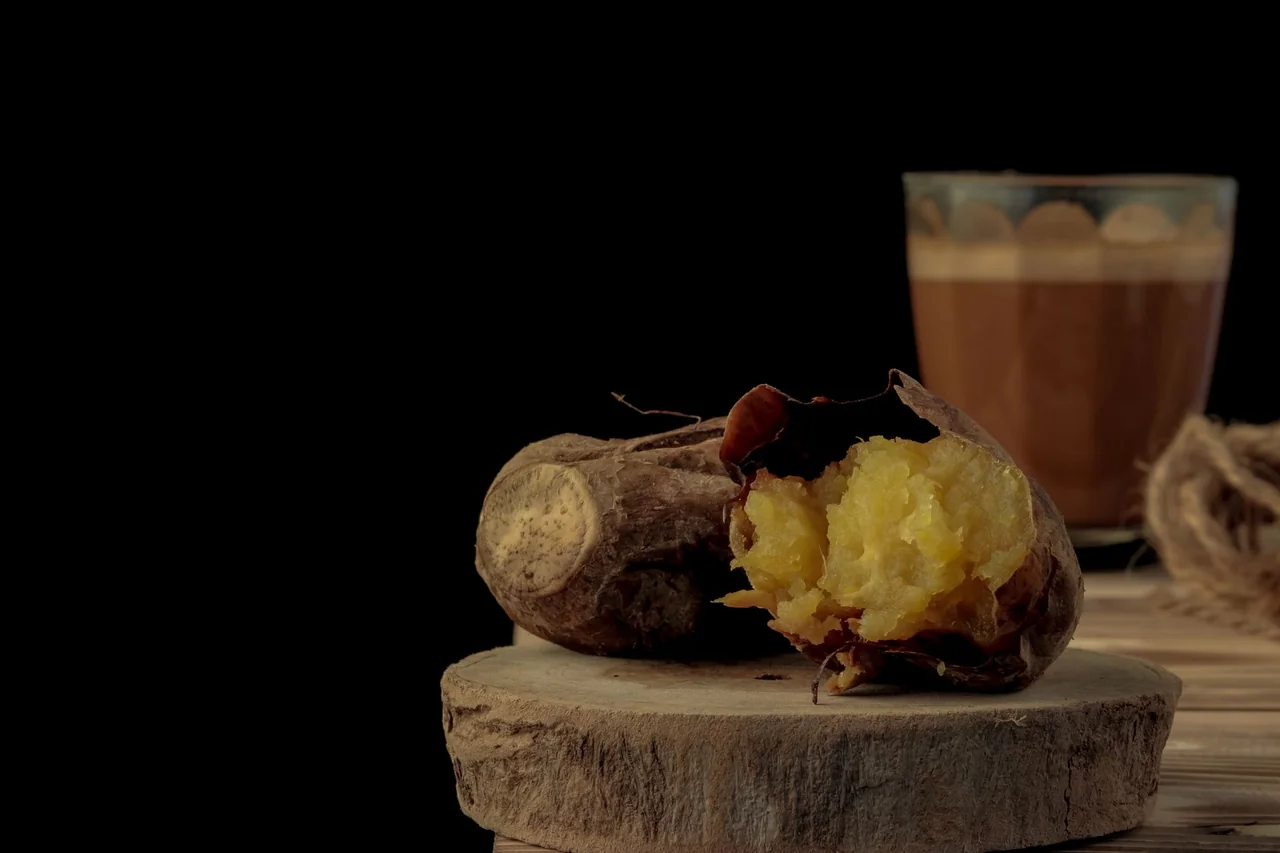
Sweet potato tastes sweet, but not in just one way. It can bring to mind roasted pumpkin, soft chestnuts, or a more aromatic potato, depending on the variety, the level of cooking, and the color of the flesh. In orange versions, a rounded sweetness dominates, almost like gentle caramel; in white ones, a drier, more floury note appears; and in purple ones, a more earthy, less sugary nuance emerges, with a firm texture that completely changes the mouthfeel.
Its reputation as an autumn food is no coincidence. Under the heat of the oven, that tuber with elongated flesh and thick skin turns into a soft, creamy, fragrant pulp, with a perfume that fills the kitchen and blends with cinnamon, butter, or olive oil without losing its identity. The flavor of sweet potato lies in the balance between starch, natural sugars, and water, which is why it is better not to speak of a single profile, but of several.
A sweetness that emerges when cooked
Raw, sweet potato does not stand out especially on the palate. Its character awakens with heat, when part of its starch turns into simpler sugars and the flesh gains a silky feel. That reaction explains why a sweet potato cooked at low temperature for longer often seems sweeter than one cooked quickly over high heat. Slow cooking enhances its mellow side, while a shorter treatment leaves its vegetal side more visible.
That change is no minor detail. The same specimen can move in the kitchen between two extremes: from a discreet side dish to an almost natural dessert. Grilled, it keeps a firmer texture, with toasted edges and a flavor that recalls mild nuts; steamed, it becomes more neutral and clean; baked, however, it shows its best-known version, the one that falls apart with a spoon and leaves an enveloping sweetness. In culinary terms, the cooking method decides much of the result.
What notes it leaves on the palate depending on the variety
The most common variety in the Spanish market, the orange-fleshed one, best fits the idea of a sweet and creamy flavor. It has a pleasant aroma, an almost naturally puréed texture, and an intensity that holds up well to warm spices such as cinnamon, nutmeg, or ginger. Its profile is easy to understand for anyone looking for a comforting food, similar to a sweet cream without the need for added sugar.
White sweet potato, on the other hand, falls into another category. It tastes less sweet, has more starch, and a drier feel, somewhat closer to potato than to pumpkin. That makes it useful in savory dishes where structure is sought, not just sweetness. White is more restrained and orange more expressive; that difference explains why the same recipe changes so much if one variety is swapped for another.
The purple version, less common in ordinary greengrocers, brings a rougher, earthier reading, with nuances that recall damp soil, beetroot, or certain toasted nuts. It is not sweeter because it is more eye-catching. On the contrary, its appeal lies in the contrast: an intense, almost vibrant color and a more contained flavor. In cooking, that combination is useful because it adds visual presence without being cloying.
Texture, aroma, and memory: three keys to its flavor
Speaking of sweet potato only as a sweet food is too limited. Texture matters as much as taste. When properly cooked, the flesh offers a dense creaminess, with a certain natural silkiness that coats the tongue without becoming heavy. If overcooked, it turns pasty; if undercooked, a more pronounced fiber appears and the flavor remains shy. The point of cooking determines whether it feels silky, floury, or firm.
Aroma matters too. A freshly roasted sweet potato gives off a warm fragrance, somewhere between toasted sugar and damp earth, setting it apart from potato. That scent helps the brain anticipate sweetness even before the first bite. Hence, in many kitchens, baked sweet potato is associated with cold afternoons, chestnuts, and festive doughs. It is not just flavor; it is edible memory, a food that seems to bring an entire season with it.
Why it pairs so well with savory and sweet dishes
Its greatest gastronomic virtue lies in that blurred boundary between sweet and savory. Sweet potato fits in a leek and curry soup, but also in a sponge cake, a side purée, or as a base for doughs and breads. It does not act as a decorative ingredient, but as a structural one: it adds body, moisture, and a sweetness that rounds out the whole. That sweet background softens strong flavors and balances spiced dishes.
In a savory recipe, it can replace potato with a warmer personality. In a sweet preparation, it acts as a bridge between vegetal flavor and dessert. That is why it works so well in creations such as creams, roasts, stews, or baked doughs. Its behavior resembles that of some ingredients that seem to belong to two worlds at once, like carrot or pumpkin, though with a firmer texture and cleaner sweetness.
On the Spanish table, that versatility is especially noticeable in autumn and at Christmas. In the Valencian Community it appears in sweet potato pastries; elsewhere it is incorporated into sweet doughs, fillings, or traditional desserts. Outside Spain, its role changes, but the logic is the same: a tuber that brings sweetness, moisture, and a sense of complete nourishment, capable of supporting a dish without the need for grand flourishes.
What its composition reveals about the palate
Sweet potato contains mostly carbohydrates, and that explains its energy-giving character and its feeling of satiety. It also provides fiber, potassium, and antioxidant vitamins, especially provitamin A in orange varieties. That nutritional profile affects perceived flavor, because the starch-rich flesh and natural sugars create a smoother, more enveloping impression than that of other less sweet tubers. Its sweetness is not a whim, but a consequence of its composition.
The most intensely colored varieties are often associated with a higher content of carotenoids, responsible for the orange or, in other cases, purple tone. In culinary practice, this translates into different nuances: orange tastes more like domestic autumn, white recalls a more neutral root, and purple adds a more vegetal profile. None of them is flat. Even when served alone, boiled or roasted, sweet potato retains a fairly clear identity, something between soft and persistent, with a finish that does not disappear immediately.
Its low fat content also matters. Since it does not have an inherently rich, fatty flavor, its creamy texture is supported by starch, not fat. That explains why, when butter, oil, or coconut milk are added, it seems to double in richness on the palate. It absorbs accompaniments well and transforms them into part of its own profile, a highly valued quality in cooking.
How it changes when roasted, boiled, or fried
Roasted, sweet potato shows its fullest version. The surface caramelizes slightly, the interior becomes creamy, and the flavor gains depth. It is the preparation that best suits anyone expecting a sweet, pleasant, and slightly toasted taste. Boiled, by contrast, it becomes cleaner but also more discreet; it loses some concentration and can seem simpler, though it works for purées and creams where smoothness matters more than intensity. The oven accentuates its sweetness; water makes it more austere.
Fried or seared in a pan, it enters a different territory. The golden crust provides contrast and the interior keeps that melting point that makes it so recognizable. If cut into sticks, it comes close to the idea of fries with a sweeter background and a somewhat softer texture. If roasted whole and then opened, the flesh almost spills out, like a root fruit, with a sweetness that is more evident than with any other technique.
The choice does not change only the taste, but also the perception of sweetness. A sweet potato cooked slowly can seem almost candied, while one boiled too much loses brightness and becomes more muted. That is why many recipes aim to concentrate flavor with dry heat, because evaporation favors its sweeter side.
Sweet, yes, but not cloying
One reason it is so beloved is that its sweetness is not aggressive. It does not have the direct hit of a sugary dessert or the density of pastry cream. Gentle, rounded, and slightly earthy, it leaves a pleasant impression that does not overwhelm. That quality makes it very useful in everyday menus, where a food that is too intense can become tiring too quickly. Its sweetness is homely, not strident.
That nuance also explains why it works in breakfasts, snacks, and spoon dishes. With yogurt, nuts, or fruit, it provides a warm, stable base; with legumes, meat, or fish, it softens and balances. Even when served as a cream or purée, it does not take over the dish, but accompanies it. It has the tone of a low but confident voice, able to sustain the conversation without dominating it.
To the palate, sweet potato is a kind of midpoint between vegetable and dessert. It does not fully belong to either territory, and precisely for that reason it is so easy to use. Its flavor invites blending and contrast, not the rigidity of a single gastronomic label.
Which flavor tends to be most popular and why
In Spain, the orange one usually wins out, because it offers a more recognizable sweetness and a texture that recalls homemade creams and roasts. Someone approaching sweet potato for the first time usually understands this version better, as it offers a more immediate profile. The white one, by comparison, may seem flatter to those expecting a pronounced flavor, although in savory cooking it has very firm supporters because of its discretion and body. Preference depends on whether character or neutrality is sought.
The purple one, by contrast, appeals less through the palate than through the full experience. Its color makes the table stand out, and its more earthy flavor sparks curiosity. It is the kind of ingredient that does not need much explanation: just seeing it cut is enough to understand that it plays in a different sensory league. In markets and kitchens, these differences open up a very wide range of uses, from simple side dishes to desserts with a strong visual impact.
The key is to accept that there is no single answer. Sweet potato tastes different depending on its color, variety, and preparation. Sweeter when roasted, more restrained when boiled, creamier when mashed, deeper when browned. That flexibility explains its constant presence in cuisines as varied as Mediterranean, Caribbean, Andean, or Southern U.S. cooking.
A flavor that explains its success across half the world
Sweet potato has spread through tropical and subtropical regions because it combines productivity, resilience, and a highly versatile culinary outlet. But its success is not understood through agriculture alone. Its flavor also matters: sweet enough to please, vegetal enough to serve as a base, and flexible enough to adapt to different traditions. It is a food that rarely leaves anyone indifferent, precisely because it has several faces.
In some kitchens it is eaten with sugar; in others, with salt and fat; in others, as a side dish for festive meals. It crosses borders without losing identity. And in all of them it retains that central trait: a root sweetness, warm and earthy, that recalls the earth when it becomes food. It is not a flavor of immediate impact, but of staying power. It lingers a little longer on the palate, as if asking to be remembered.
That is why, when brought to the table, sweet potato does not just add nutrients or color. It brings a recognizable sense of season, slow cooking, and honest food. Its flavor is the taste of earth turned into cream, roast, or dessert, and that is where much of its lasting appeal lies.
When a tuber becomes an autumn reference
There are ingredients that do not need major campaigns to carve out a place in collective memory. Sweet potato belongs to that group. Its presence in ovens, markets, and traditional recipes has created a very strong association between the product and the arrival of cold weather. It is bought for its aroma, cooked for its texture, and repeated for its flavor. Its appeal comes from an uncommon combination of sweetness, softness, and simplicity.
That triangle explains why it continues to gain space in home and professional cooking. It can appear on a modest table, in a signature recipe, or in a homemade dessert without seeming out of place. And it always leaves a clear, recognizable mark even for those who do not name it often: a calm sweetness, with tender flesh and a warm perfume, that does not overwhelm and that accompanies. That is what sweet potato tastes like: toasted root, autumn, and a sweetness that never needs to raise its voice.
Sweet potato in a runner’s diet
Sweet potato can provide carbohydrates in a runner’s meals, thanks to its starch and natural sugars. Its sweetness and texture depend on the variety and cooking method: orange-fleshed types tend to be creamier, while white ones are drier and less sweet. Choosing between them can help tailor a meal to your taste and to the other ingredients on the plate.
Roasting makes sweet potato soft and easy to pair with other foods, while steaming leaves its flavour milder. It can be served with vegetables and a source of protein as part of an everyday meal, or included around training if you find it comfortable to digest. As with any food, try it at a low-pressure time before relying on it for a meal ahead of a demanding session.
Medical reference: Sweet potatoes and their health benefits, Cleveland Clinic.



How to prevent thigh chafing: causes and real solutions

Women’s running windbreakers: seven jackets and how to choose

Do more workouts get rid of soreness? A guide for runners

Jaén Half Marathon 2026: Record 3,800 Runners Registered

Men’s short running tights: how to choose the right pair

World Triathlon confirms data breach involving medical data

Izan Edo targets podium at Miyazaki World Cup

María Pérez ranks ninth in World Athletics’ 2026 top ten

Dos Santos, Duplantis and Sawe: World Athlete of the Year finalists

San Silvestre Vallecana 2026: 42,000 places, prices and start times

 Races4 months ago
Valencia Half Marathon 2027: date and registration

 Races4 months ago
Valencia Marathon 2026: entry, ballot and course

 Reviews and Comparisons4 months ago
Asics Gel-Roadmiles 3 for men: review and current price

 Reviews and Comparisons4 months ago
Asics Gel Sonoma 8 Gore-Tex: complete analysis for trail and rain

 Sneakers4 months ago
Saucony Endorphin Pro 4: full review and verdict

 News5 months ago
Strava API 2026: what changes for clubs, challenges and runner apps?

 Reviews and Comparisons5 months ago
Nike Alphafly 3: opinions, sensations, and real key points

 Reviews and Comparisons4 months ago
Under Armour running shoes review 2025-2026: models and key features

 Sports Equipment4 months ago
Shoe sizes in cm: a clear guide to getting the right fit for your footwear

 Sneakers3 months ago
Skechers GO RUN Consistent 2.0 analysis: comfort and limits

 News5 months ago
Valencia Marathon 2026 route: key tips to train and run better

 Sneakers4 months ago
Adidas Adizero Boston 13 for men: review and verdict