Health and Nutrition
Pain behind the knee when running: what may be causing it
Pain in the back of the knee can come from tendons, the meniscus, a Baker’s cyst, or vascular problems.

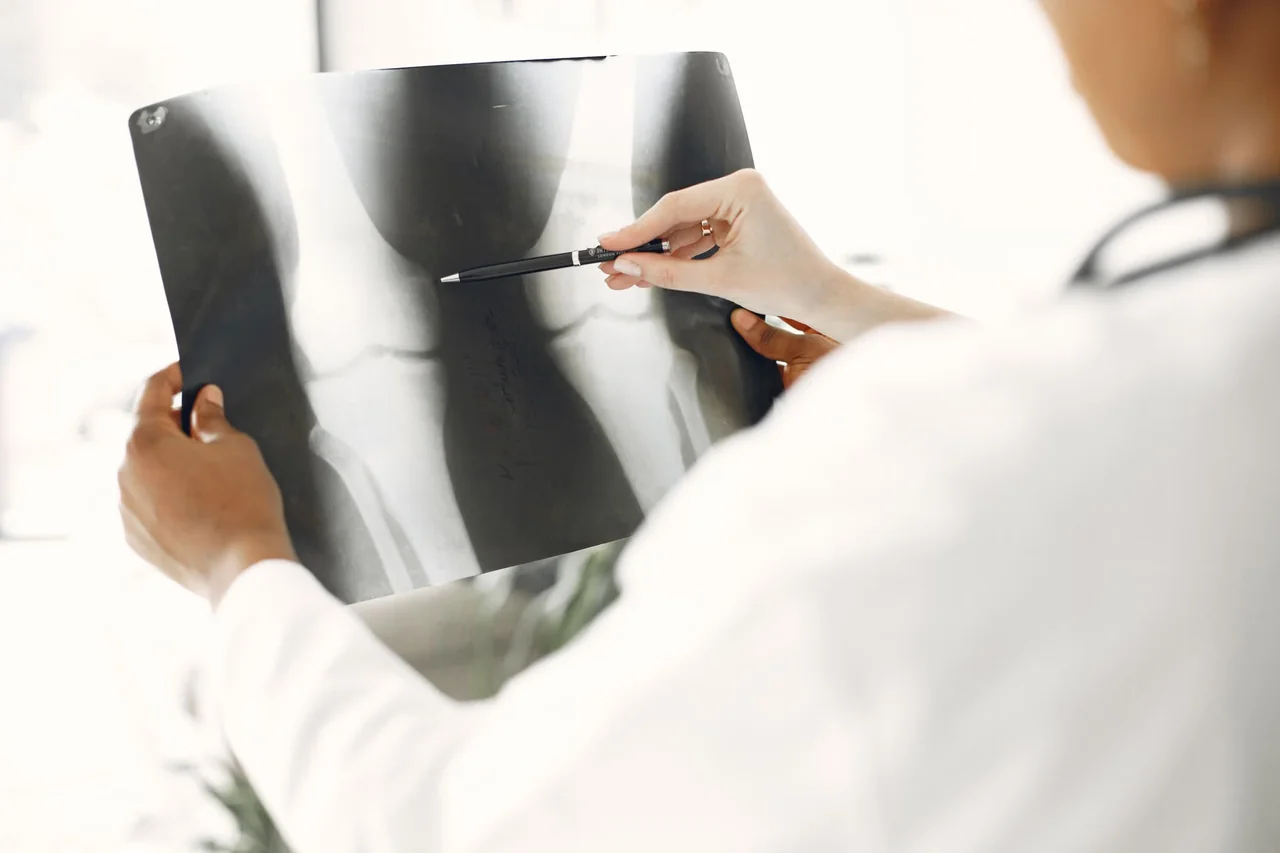
For runners, the area behind the knee contains tendons, muscles, blood vessels, and the back part of the joint, so pain there does not have just one explanation. It may come from the posterior chain of the leg or from inside the knee and, less commonly, be related to venous circulation or a broader inflammatory process. Depending on the tissue involved, the discomfort may feel like tightness, a sharp pain, pressure, a lump, or stiffness.
In a runner, in an active person, or in someone who spends many hours standing, that pain often appears after repeated load, a sudden twist, or overuse that does not show itself immediately. In other cases, the knee warns of itself with visible swelling, difficulty bending it, or a feeling of locking that completely changes the walking pattern. The key lies in the pattern: when it appears, what makes it worse, and whether it is accompanied by inflammation, fever, redness, or inability to bear weight.
What structures are in the back of the knee
The popliteal fossa is a small space, but anatomically very dense. There you find the hamstring tendon, the popliteus muscle, part of the joint capsule, the menisci in their posterior portion, bursae, nerves, and the major vessels of the leg. That mix explains why an apparently similar pain can have very different origins and require treatments that are nothing alike.
In practical terms, that region works like a hinge with multiple cables around it. When one of those cables becomes irritated, inflamed, or loses elasticity, the discomfort can radiate toward the calf, the thigh, or even the outer side of the knee. That is why looking only at the exact point where it hurts is not always enough; the movement that triggers it and the context in which it appears also matter.
Flexion and extension make structures work that at rest go unnoticed. Climbing stairs, running uphill, crouching, braking abruptly, or twisting on one leg are movements that demand a lot from that area. When the tissue is overloaded, the discomfort is usually mechanical: it worsens with activity and partially eases with rest. When the origin is joint-related, the knee often also warns of stiffness, effusion, or a catching sensation.
Common causes that explain the discomfort
Muscle and tendon overloads are among the most common causes. The hamstrings, which run along the back of the thigh, and the tendon of the popliteus muscle can become inflamed after intense runs, sudden pace changes, or poorly progressed training. The pain is usually felt as a sharp twinge or a deep tightness, sometimes more noticeable when extending the leg, going downhill, or accelerating.
In runners, that discomfort does not always announce itself dramatically. It may start as mild unease in the last few kilometers, turn into stiffness the next day, and end up altering stride technique. If the body tries to protect the area, the way of stepping changes and the load is distributed more poorly, which can open the door to discomfort in the calves, hips, or lower back.
Meniscal injury also plays an important role, especially when there are twists, squats, or a feeling of locking. The posterior meniscus acts as a shock absorber inside the knee, and a tear or degeneration can translate into deep pain, clicking, swelling, and difficulty fully straightening or bending the knee. It does not always hurt at the exact same point, but the back part can be the star, especially when going up or down stairs.
When the problem is inside the joint, the knee often behaves like a mechanism with sand inside: it works, but it does not flow smoothly. That detail is useful because it distinguishes a simple overload from an injury that needs more precise evaluation. If there is also a sensation that the knee gives way, locks, or responds with effusion after exertion, the meniscus becomes a strong suspect.
Baker’s cyst is another well-known cause and, in reality, is often the consequence of another underlying alteration. It is an accumulation of synovial fluid that forms a bulge in the back of the knee, sometimes visible and other times only felt as pressure or a movable lump. It is often associated with osteoarthritis, rheumatoid arthritis, synovitis, or meniscal injuries, so the cyst is usually more of a symptom than an isolated disease.
When that cyst grows, the sensation can be strange: localized pressure, tightness when bending, or discomfort when standing for a long time. In some cases it causes no symptoms, and in others it ruptures and causes acute pain with swelling in the calf, something that deserves special attention because it can be mistaken for other leg conditions.
Osteoarthritis and rheumatoid arthritis can also result in posterior pain. In osteoarthritis, cartilage wears down and the knee loses its ability to glide without friction; in rheumatoid arthritis, prolonged inflammation affects several joints and usually causes morning stiffness that improves somewhat with movement. If the back of the knee is the most affected area, the pain may be felt just behind the joint or around it, with a feeling of heaviness and functional limitation.
These causes tend to be more persistent and less tied to a single movement. The knee hurts with use, but also when getting up after sitting, walking a long distance, or at the end of the day. The timing detail matters a lot: inflammatory pain tends to cause stiffness, while mechanical pain usually appears with load and eases with relative rest.
The posterior and collateral ligaments, as well as the joint capsule, can also be injured after a blow or hyperextension. When the knee receives an impact or is forced backward beyond its limits, the supporting tissue becomes irritated or tears, and pain can settle behind the joint with swelling, instability, and difficulty walking normally. In these cases, the traumatic history is usually very clear.
It is important not to confuse a mild sprain with a significant ligament injury. If the knee feels unstable, swells quickly, or prevents weight bearing, the picture no longer resembles a simple muscle spasm. That difference, although it may seem subtle, completely changes the diagnostic approach and the type of recovery afterward.
There are also less frequent causes that should not be overlooked, such as deep vein thrombosis, symptomatic varicose veins, or a joint infection. Thrombosis can cause posterior pain with leg swelling, warmth, redness, and a feeling of heaviness; varicose veins usually cause heaviness, tightness, and worsening at the end of the day; joint infection is often accompanied by fever, intense pain, and a very inflamed joint.
In these situations, the location behind the knee can be misleading, because the origin is not a tendon or the meniscus. The vascular or infectious picture requires a different reading: the problem is not just what hurts, but what is happening around the joint and in the rest of the leg.
How to tell the source based on what you notice
The time when the pain appears offers valuable clues. If it starts while running, when changing pace, or on hills, hamstring, calf, or popliteus overloads usually gain importance. If it appears when going down stairs, doing squats, or twisting on one leg, the meniscus and intra-articular irritation move up the list. If you notice a lump or clear pressure, Baker’s cyst becomes a very reasonable possibility.
The shape of the pain also matters. A localized sharp pain points more to a tendon, a locking sensation suggests something mechanical inside the knee, and a heaviness with swelling makes you think of venous congestion or joint effusion. It is not an absolute rule, but it is a useful guide so that different problems are not mixed under the same label.
The previous history helps greatly in organizing the picture. A recent blow points toward trauma or ligament injury; a sudden increase in running volume can explain tendinopathy; a knee that has been troublesome for months may fit better with osteoarthritis, synovitis, or meniscal degeneration. The time course often speaks almost as much as the physical examination.
In active people, there is also a detail that often goes unnoticed: posterior pain sometimes does not start in the knee at all, but in the muscle that moves it. A tight hamstring, a fatigued calf, or an irritated popliteus muscle can project discomfort toward the popliteal fossa and mislead the person who feels it. In that case, the knee is the visible stage of a conflict that started a bit higher up.
What the doctor does to reach a diagnosis
Physical examination is usually the first filter and, often, the most useful one. The specialist assesses the exact point of pain, looks for swelling, checks whether the knee flexes and extends normally, and performs maneuvers that point toward the meniscus, ligaments, or tendons. At first glance, it is already possible to distinguish between a localized exertional discomfort and a more complex picture.
After that, if needed, imaging tests come into play. X-rays help to see bone wear, alignment, and signs of osteoarthritis; ultrasound is useful for tendons, bursae, effusions, or cysts; magnetic resonance imaging offers a broader view of the meniscus, ligaments, cartilage, and soft tissues. They are not always all necessary, but each adds a different piece to the puzzle.
The correct diagnosis is based not only on the intensity of pain, but on its internal logic. A very painful knee is not always a severely injured knee, and a minor discomfort can hide an important mechanical lesion. That is why the story of how it started, what worsens it, and what relieves it is almost as relevant as the imaging test.
In cases with suspected vascular problems or infection, the pathway changes. The priority is not to see whether there is tendinitis, but to rule out a problem that requires prompt attention. Calf swelling, local warmth, fever, or redness change the order of things and call for more urgent evaluation.
What is usually done in the early stages
In many mechanical complaints, the first useful step is to reduce the load, not immobilize without reason. That means cutting back intense training, avoiding hills, jumps, and deep squats, and keeping only the activity that does not trigger pain. The goal is not to stop living, but to take the fuel away from inflammation so the tissue stops being irritated.
Cold can help during the first hours or days if there is visible inflammation. Applied in short intervals, it usually eases the feeling of tightness and reduces swelling. In stiffer than inflammatory pictures, gentle heat may feel more comfortable before moving, though it is important not to confuse relief with healing.
Light compression and elevating the leg can reduce the feeling of congestion. They are simple, almost home-style measures, but useful when the knee appears swollen or heavy. Pain relievers or anti-inflammatory medications are also used in some cases, always under medical guidance and taking personal history into account, because not all bodies respond the same way or tolerate the same things.
If the cause is tendon overload, improvement usually comes through a well-dosed progression. If the problem is meniscal or ligamentous, recovery requires a different logic and, sometimes, more time and more precision. In both scenarios, forcing the joint beyond its capacity only prolongs the problem and makes the return to normal harder.
When pain stops being a minor annoyance
There are signs that deserve prompt medical evaluation. If the pain lasts several days without improving, if the knee does not bend properly, if there is clear locking, if there is instability when walking, or if the pain interferes with daily tasks, we are no longer talking about a simple passing discomfort. Marked swelling, redness, fever, or pain radiating to the calf are also concerning.
For runners, there is another warning worth listening to: the same pain keeps coming back every time you train. When discomfort returns each time the knee is loaded, the tissue is still not responding well or the underlying cause has not been resolved. Continuing to add sessions in that scenario usually turns a small problem into a chronic one.
Inability to bear weight or a feeling that the knee is giving way changes the level of urgency. Not because it always implies a severe injury, but because it suggests significant structural involvement. When the knee loses stability, it stops being a reliable hinge and the whole body compensates; that is where the chain reaction of wear begins.
A pain that appears suddenly with calf swelling or warmth in the leg also deserves attention. That pattern requires thinking beyond the musculoskeletal system and ruling out a circulatory problem. In health, the exact location should never overshadow the overall set of signs.
The back of the knee in people who run or train frequently
Running exposes the popliteal fossa to a very specific combination of repeated load, impact, and technical fatigue. On pavement, packed dirt, or hills, each stride requires stability and force absorption. If the hip, hamstrings, and calf muscles do not keep up, the back of the knee ends up acting as an improvised shock absorber, and that takes a toll.
Discomfort in that area usually appears after changes in volume, speed work, hill training, or sessions on uneven ground. The runner feels tightness when extending the leg, pain when braking, or a pressure that was not there before. Often it is not an explosive injury, but a silent accumulation of micro-irritations that build up kilometer after kilometer.
Technique also matters, even if it is not visible at first glance. Overstriding, poor landing coordination, or lack of strength in the posterior chain can overload tendons and the joint capsule. In this type of picture, the knee is not the sole culprit: it is the place where a poor distribution of effort becomes apparent.
That is why posterior pain should not be read only as a knee problem, but as a conversation among joints, muscles, and sports load. The body rarely gets it wrong without warning first; it usually sends small, almost discreet signals that only become clear when they are already affecting everyday movement.
When the knee is speaking of something more than a local injury
There are pains that seem very specific, but actually express a systemic or vascular disorder. Rheumatoid arthritis, for example, does not stay in a single joint and usually causes stiffness and inflammation in several areas. Symptomatic varicose veins, for their part, point to less efficient venous return and can worsen at the end of the day, with heavy legs and visible veins.
Deep vein thrombosis is one of the reasons not to trivialize posterior pain with swelling. The tissue may first warn with diffuse discomfort and then with a more striking picture. In these cases, the context matters as much as the symptom, because the risk is not in the joint itself, but in what surrounds the leg’s circulation.
There are also conditions in which pain is the tip of the iceberg of persistent inflammation inside the knee. A Baker’s cyst, synovitis, or advanced osteoarthritis can make the back of the knee the most sensitive area, but the real origin lies in the joint’s internal mechanics. Treating only the visible part without addressing the root usually leaves the problem halfway solved.
In that sense, the knee works as a rather honest window. If something breaks, inflames, or becomes congested, it usually shows. The hard part is not finding the pain, but interpreting correctly what it is telling you.
Pain behind the knee when running: how to adjust your training
For runners, discomfort behind the knee may follow a build-up in training load, sudden pace changes, or adding hills and turns too quickly. Tightness that starts in the final kilometres or leaves the knee stiff the next day may worsen when you accelerate, run downhill, or straighten your leg. These symptoms alone cannot identify the affected tissue, but they are a reason to track when the pain starts and how it changes.
If the pain increases during a run, changes your stride, or makes it difficult to bear weight, do not try to compensate just to finish the session. Reduce or pause running for a few days, and avoid intervals, hills, and changes of direction that bring on the discomfort. You do not need to replace running with another activity if that also causes symptoms. Note any swelling, stiffness, catching, or feeling that the knee may give way, and whether discomfort also occurs when walking, climbing stairs, or bending the leg.
Return gradually only when everyday activities and an easy jog do not make the area worse during or after exercise. If the pain persists, returns as you increase your training load, or limits movement, consult a healthcare professional before resuming demanding sessions. Marked swelling, redness, fever, or inability to bear weight warrants prompt medical assessment; do not treat these signs as a simple overuse issue.
The warning sign worth hearing before the discomfort becomes chronic
Pain behind the knee is rarely just a passing anecdote when it persists or repeats. It may be a temporary overload, yes, but it may also be a meniscal injury, a Baker’s cyst, osteoarthritis with effusion, tendinopathy, or a vascular problem that cannot wait. The difference between a short recovery and a discomfort dragged out for months often lies in identifying the source correctly from the start.
The good news is that most cases have an explanation and a way to address it. The bad news is that the knee does not tolerate repeated movements well once it is irritated. Listening to the pattern, respecting recovery times, and not confusing partial relief with complete healing are basic pieces so that pain does not become a permanent shadow.
Behind that discomfort there is, almost always, a specific structure asking for space, less load, or a more precise evaluation. Sometimes it will be a tendon, other times a meniscus, other times the joint fluid itself and, on occasion, the circulation of the leg. That diversity explains why the popliteal fossa deserves more attention than it usually gets: small on the outside, complex on the inside.
Medical reference: Pain behind the knee, Cleveland Clinic.



How to prevent thigh chafing: causes and real solutions

Women’s running windbreakers: seven jackets and how to choose

Do more workouts get rid of soreness? A guide for runners

Jaén Half Marathon 2026: Record 3,800 Runners Registered

Men’s short running tights: how to choose the right pair

World Triathlon confirms data breach involving medical data

Izan Edo targets podium at Miyazaki World Cup

María Pérez ranks ninth in World Athletics’ 2026 top ten

Dos Santos, Duplantis and Sawe: World Athlete of the Year finalists

San Silvestre Vallecana 2026: 42,000 places, prices and start times

 Races3 months ago
Valencia Half Marathon 2027: date and registration

 Races3 months ago
Valencia Marathon 2026: entry, ballot and course

 Reviews and Comparisons4 months ago
Asics Gel-Roadmiles 3 for men: review and current price

 Reviews and Comparisons4 months ago
Asics Gel Sonoma 8 Gore-Tex: complete analysis for trail and rain

 Sneakers3 months ago
Saucony Endorphin Pro 4: full review and verdict

 News5 months ago
Strava API 2026: what changes for clubs, challenges and runner apps?

 Reviews and Comparisons5 months ago
Nike Alphafly 3: opinions, sensations, and real key points

 Reviews and Comparisons4 months ago
Under Armour running shoes review 2025-2026: models and key features

 Sports Equipment4 months ago
Shoe sizes in cm: a clear guide to getting the right fit for your footwear

 Sneakers3 months ago
Skechers GO RUN Consistent 2.0 analysis: comfort and limits

 News5 months ago
Valencia Marathon 2026 route: key tips to train and run better

 Sneakers4 months ago
Adidas Adizero Boston 13 for men: review and verdict