Sports Equipment
Gore-Tex trekking shoes for men: guide and key points
How to choose a waterproof and comfortable model for the mountains: fit, traction, weight, and real-world use on trails.

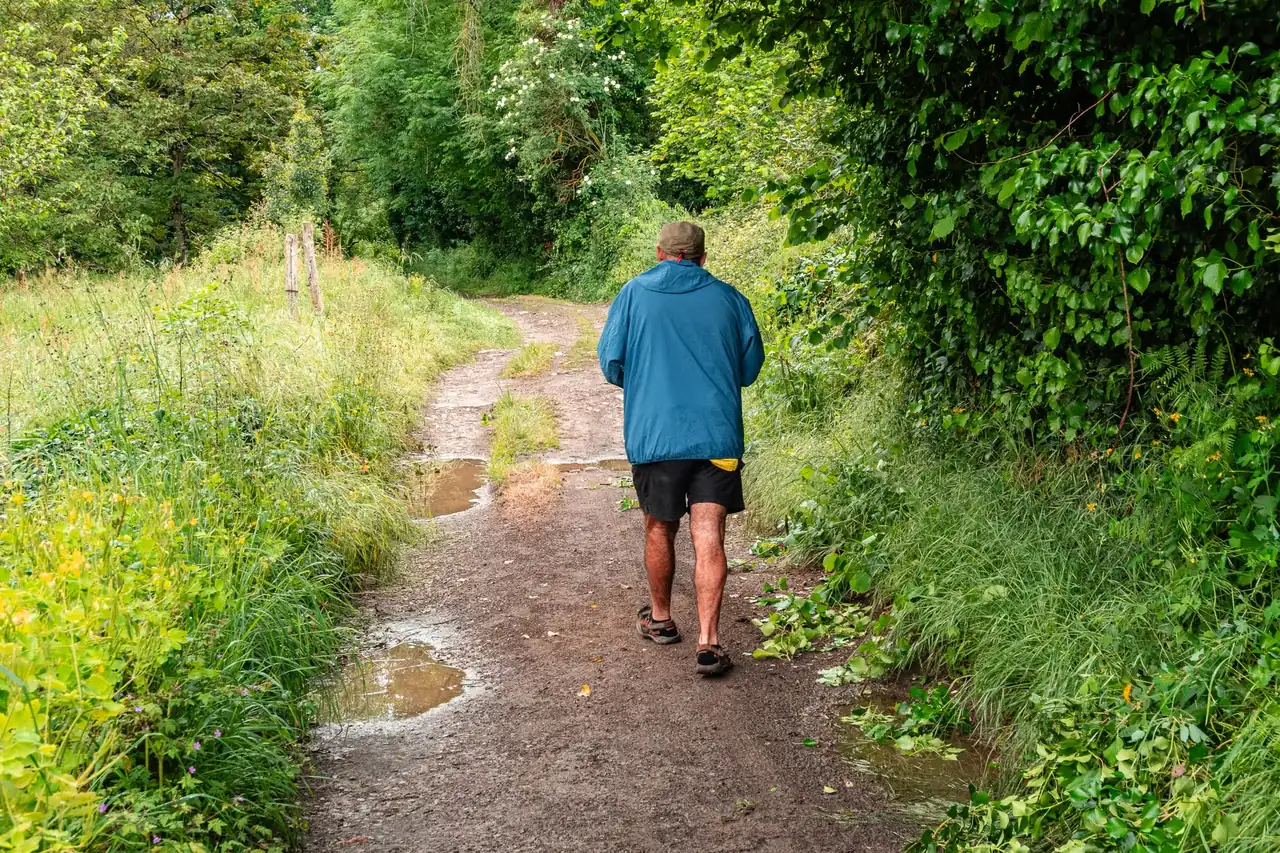
The mountain punishes from the ground up first: a poorly designed toe box, a sole that slips on wet rock, or a membrane that traps sweat as if it were a bag. That is why men’s Gore-Tex trekking shoes have become such a widely used option among those looking for a balance of lightness, protection, and waterproofing.
The key is not just that they repel water. A good model combines grip, stability, ventilation, and fit so you can walk with a steady step on dirt trails, forest tracks, seasonal mud, and loose rock. In practice, they are the middle ground between a lightweight hiking shoe and a more robust boot, with enough room for day outings and longer routes.
What a waterproof membrane really contributes
Gore-Tex is not a magical layer or a simple outer coating. It is an internal membrane designed to stop water from getting in while allowing some of the vapor generated by the foot to escape. That dual function explains why footwear with this technology keeps the foot drier in rain, puddles, wet grass, or light mud.
That said, waterproof does not mean invulnerable in every situation. If the water rises above the collar height, if the model is not properly sealed, or if the exterior soaks through and cannot release moisture, the experience changes. The real advantage is noticeable in changing terrain, where the sky can open up without warning and the trail alternates between dry sections and wet crossings. There, a well-designed membrane makes the difference between staying comfortable and feeling your feet become heavy and cold.
It is also important to understand the physiological cost of waterproofing. The more enclosed a shoe is, the slower it evacuates heat than a shoe without a membrane. In summer or on very intense routes, that lower ventilation can make the inside feel warmer. That is why intended use matters as much as technology: not every trail or every season calls for the same thing.
When it makes sense to choose this type of footwear
Waterproof shoes work well for frequent mountain getaways, hikes with rain in the forecast, paths with streams, or days when the ground stays wet for hours. They also perform well in autumn and winter, when moisture clings to the ground like a thin, treacherous film. In that context, the membrane helps maintain a more stable feeling of comfort.
For those who often walk on marked trails, tracks, and moderately difficult routes, this type of model offers a very sensible compromise. It is more agile than a high boot, more adaptable than rigid footwear, and generally kinder to your stride when the pace is steady walking rather than a hard push. That combination explains why brands such as Salomon, Merrell, adidas Terrex, Columbia, La Sportiva, and Lowa account for much of the market.
On the other hand, if the route is very technical, with lots of sharp rock, heavy loads, or multi-day traverses on tough terrain, a boot with more structure may be preferable. The waterproof membrane helps, yes, but it does not replace ankle support or a more solid base when the path demands more control than freedom.
What changes compared with a shoe without a membrane
The comparison is easy to understand: a shoe without a membrane usually breathes better and dries faster, while one with Gore-Tex prioritizes protection from water. There is no universally superior option; there are different uses. In a dry, warm climate, the non-membrane model may feel fresher. In a wet winter, the waterproof one wins hands down in perceived comfort.
There are also differences in the overall feel of the shoe. Many membrane-equipped shoes feel somewhat more structured, with a more protective vibe, almost as if they had a discreet suit of armor under the outer fabric. That does not make them heavy by definition, but it does change the balance between flexibility and protection. The result can be excellent if the user wants security without giving up the ability to walk quickly.
Commercial spec sheets also feature other terms worth reading carefully. Waterproof, membrane, OutDry, or similar terms do not always describe the same system, even if they aim for a similar goal. What matters for the user is paying less attention to the flashy word and more to the real behavior of the whole package: upper, sole, reinforcements, and fit.
How to interpret the most repeated technologies
The market is full of names that seem to compete with one another, but in practice they often refer to solutions built around a common idea: keep water out without suffocating the foot. Gore-Tex is the best-known benchmark by reputation and presence, while other brands have developed their own systems to seek a similar result.
In this segment, Vibram, Continental, Michelin, and proprietary compounds from each manufacturer appear very frequently. Those soles do not make the shoe waterproof, but they do affect grip, durability, and performance on rock, compact dirt, or mud. An excellent membrane with a poor sole is still a limited package. And conversely, a great sole on a weak upper does not save the experience either.
That is why the most complete trekking catalogs highlight models such as Salomon X Ultra 5 Gore-Tex, Merrell Moab 3 Gore-Tex, adidas Terrex Trailmaker 2 Gore Tex, or La Sportiva Ultra Raptor 3 Gore-Tex. They share the same commercial logic: versatile footwear, with enough protection for regular hiking and enough dynamism to avoid feeling clumsy while walking.
Fit, last shape, and support: the detail that decides the purchase
In the mountains, the most expensive mistake is usually not choosing one membrane over another, but getting the size or last shape wrong. A shoe that looks excellent on paper can become a bad purchase if it pinches the forefoot or leaves too much slack in the heel. Fit rules over technology, often with far more authority than catalogs admit.
It is worth checking three areas: the heel, which should stay secure to prevent rubbing; the midfoot, where the foot should not slide around; and the toe box, which needs room so the toes do not hit the front on long descents. On a long route, a small pressure point becomes a serious problem. In that sense, the balance between internal hold and front room is almost as important as waterproofing.
Foot shape also matters. Some models are narrower and more responsive, others broader and more comfortable for long days. Certain lines such as Merrell Moab or Columbia Redmond are often associated with a friendlier, more accessible stride, while other ranges aim for a more athletic feel, designed to move fast with less bulk. The difference shows in the first steps, not at the end of the ad copy.
Sole, lugs, and terrain: where confidence is won or lost
Waterproofing does little good if the step does not settle well. On wet rock or compact dirt trails, what matters is the combination of rubber compound, tread pattern, and flex. Very aggressive lugs help in mud and loose terrain, while a more moderate profile offers better transition on easy paths and tracks.
In mixed use, balance is usually the best news. A sole that is too soft wears out sooner and can feel unstable. One that is too rigid protects more but takes away natural movement. Brands try to move that pendulum toward the middle with protective plates, toe reinforcements, and geometries that encourage forward motion without your foot shaking on every stone.
That is why very different models coexist in today’s lineup. Salomon X Ultra 360 leans toward a fast, modern line; adidas Terrex Skychaser Gore-Tex is aimed at users who want more protection; Columbia Redmond IV Low Waterproof sits in a very popular space thanks to price and comfort; and Lowa Renegade Evo GTX Low occupies a classic, robust, well-known zone for stability.
Materials, weight, and the feeling while walking
Weight remains a decisive factor. Lighter shoes are appreciated at the end of the day, especially when the terrain allows for a steady cadence. Lightness, however, usually means a lower degree of protection. The technical challenge is not to lose protection along the way, as if removing grams were an operation without consequences.
The uppers combine mesh, synthetics, and, in some cases, leather or suede. Each material adds something different: mesh improves ventilation, synthetics reduce external water absorption, and leather offers resistance and a tougher feel against abrasion. The right combination depends on real use, not on a superficial preference for one aesthetic or another.
The overall feel also matters. Some models feel soft from day one, almost as if they had been worn for weeks, while others need a short break-in period. In trekking, that phase matters more than in other sports because the foot spends hours absorbing micro-impacts, changes in slope, and small rotations over uneven ground.
Well-known models and why they appear so often in searches
If a product family appears again and again in listings, it is usually because it meets a very specific user need. Merrell Moab 3 Gore-Tex has become a recurring name thanks to its combination of comfort, price, and reputation. Salomon X Ultra 5 Gore-Tex stands out for its more technical image and its focus on stability. adidas Terrex Free Hiker SL Gore-Tex is associated with a more ambitious profile, with greater cushioning and contemporary design.
The La Sportiva Ultra Raptor 3 line and its membrane-equipped version appeal to those who want a mountain shoe with a more aggressive character, designed for broken trails and secure footing. Meanwhile, references such as Columbia Peakfreak or Salomon Outscape tend to attract those who prioritize a balanced relationship between everyday use, excursions, and less technical routes.
The names are repeated because they solve similar problems, but each does so with a different tone. Some feel more like classic hiking shoes, others closer to easy trail running, and others seem designed to go from pavement to mountain without changing pace. That versatility explains much of their presence in the market and in searches too.
Price, discounts, and the real buying range
The price of these shoes varies widely depending on brand, collection, and technology. The information reviewed shows entry-level models starting at 55.99 euros and options that easily climb to 179.99 euros or more. In the most common range, users find a broad band between 80 and 140 euros, where many balanced options are concentrated.
Discounts are especially common in this category. It is normal to see reductions of 15%, 20%, 30%, and even more on some references, especially during clearance campaigns, season changes, or online sales. That has made waterproof trekking footwear a product highly sensitive to the sales calendar, with notable differences between the recommended price and the final price.
The editorial advice is simple: a discount matters, but it should not obscure the central question. A discounted model is not necessarily the best buy if its last shape does not fit, if the intended use does not match, or if the sole does not provide the expected grip. In the mountains, a bad choice at a low price is still a bad choice.
What user experiences say
User ratings often repeat a fairly consistent idea: comfort from the first moment, a feeling of lightness, and good performance for moderate hiking. In some cases, nuances appear about grip on tricky surfaces or the need to find the right fit to avoid pressure points. That mix of praise and caution is, in fact, a useful signal.
The most repeated comments talk about models used for mountain routes, country walks, and everyday hiking. That breadth of use confirms that the market values versatility a great deal. Few people want ultra-specialized footwear for a single situation. Most are looking for a route companion that works well in more than one scenario, like a reliable, discreet tool.
There is also an interesting pattern: those who keep buying the same brand usually do so not out of habit, but because they have found a specific combination of fit and feeling of security. When a foot gets along well with a last shape, the user notices it almost immediately. In the mountains, that kind of confidence matters more than any technical sheet.
How to read the catalog without being swayed by the display
The current selection may seem endless, but in reality it is organized around a few important decisions. Waterproof or not waterproof, lighter or more protective, more technical or more comfortable, narrower or wider. Those four questions usually guide you better than any endless list of brand names.
Within that map, a waterproof membrane makes a lot of sense for men in autumn, winter, or wet mountain use. It is not the ideal answer for someone who only goes out in summer and wants maximum ventilation. Nor for someone who wants a sensation very close to that of a pure trail-running shoe. But it is a strong choice for anyone walking on variable terrain and wanting to reduce surprises.
The best result comes when real use, climate, terrain, and fit line up. From there, the choice stops depending on catalog noise and starts to resemble what mountain footwear has always been: a practical, almost silent decision, where the foot leads and the label only follows.
Footwear for walking with less uncertainty
Men’s waterproof trekking shoes do not promise invulnerability, but they do offer something more valuable in everyday mountain use: less uncertainty underfoot. Against mud, light rain, wet grass, or unexpected puddles, they provide a clear, measurable response without turning the route into a survival exercise or an uncomfortable chore.
That is why they still occupy a central place in the catalogs of major brands. They bring together a set of virtues that fit the most common use: walking securely, keeping the foot drier, supporting the heel well, and responding reliably on changing surfaces. When all that comes together well, the trail stops feeling like an exam and becomes more like what it should be: an open line forward.
At that point, the choice no longer depends on a trend or on a single technical promise, but on a sum of details. Waterproofing, grip, comfort, and fit form the core of a sensible purchase, especially in a market where brands multiply variants, colors, and names. The best shoe is not the one that makes the most noise, but the one that accompanies you without bothering you when the path gets serious.
You may also like: Chiruca Gore-Tex men’s shoes: models, uses and prices.
Este artículo contiene enlaces de afiliado: si compras a través de ellos, se genera una pequeña comisión sin coste adicional para ti. Más información.



How to prevent thigh chafing: causes and real solutions

Women’s running windbreakers: seven jackets and how to choose

Do more workouts get rid of soreness? A guide for runners

Jaén Half Marathon 2026: Record 3,800 Runners Registered

Men’s short running tights: how to choose the right pair

World Triathlon confirms data breach involving medical data

Izan Edo targets podium at Miyazaki World Cup

María Pérez ranks ninth in World Athletics’ 2026 top ten

Dos Santos, Duplantis and Sawe: World Athlete of the Year finalists

San Silvestre Vallecana 2026: 42,000 places, prices and start times

 Races4 months ago
Valencia Half Marathon 2027: date and registration

 Races4 months ago
Valencia Marathon 2026: entry, ballot and course

 Reviews and Comparisons4 months ago
Asics Gel-Roadmiles 3 for men: review and current price

 Reviews and Comparisons4 months ago
Asics Gel Sonoma 8 Gore-Tex: complete analysis for trail and rain

 Sneakers4 months ago
Saucony Endorphin Pro 4: full review and verdict

 News5 months ago
Strava API 2026: what changes for clubs, challenges and runner apps?

 Reviews and Comparisons5 months ago
Nike Alphafly 3: opinions, sensations, and real key points

 Reviews and Comparisons4 months ago
Under Armour running shoes review 2025-2026: models and key features

 Sports Equipment4 months ago
Shoe sizes in cm: a clear guide to getting the right fit for your footwear

 Sneakers3 months ago
Skechers GO RUN Consistent 2.0 analysis: comfort and limits

 News5 months ago
Valencia Marathon 2026 route: key tips to train and run better

 Sneakers4 months ago
Adidas Adizero Boston 13 for men: review and verdict