Sports Equipment
How to choose trail shorts that really hold up
Keys to choosing a lightweight, durable, and comfortable mountain garment, with practical details and real price ranges.

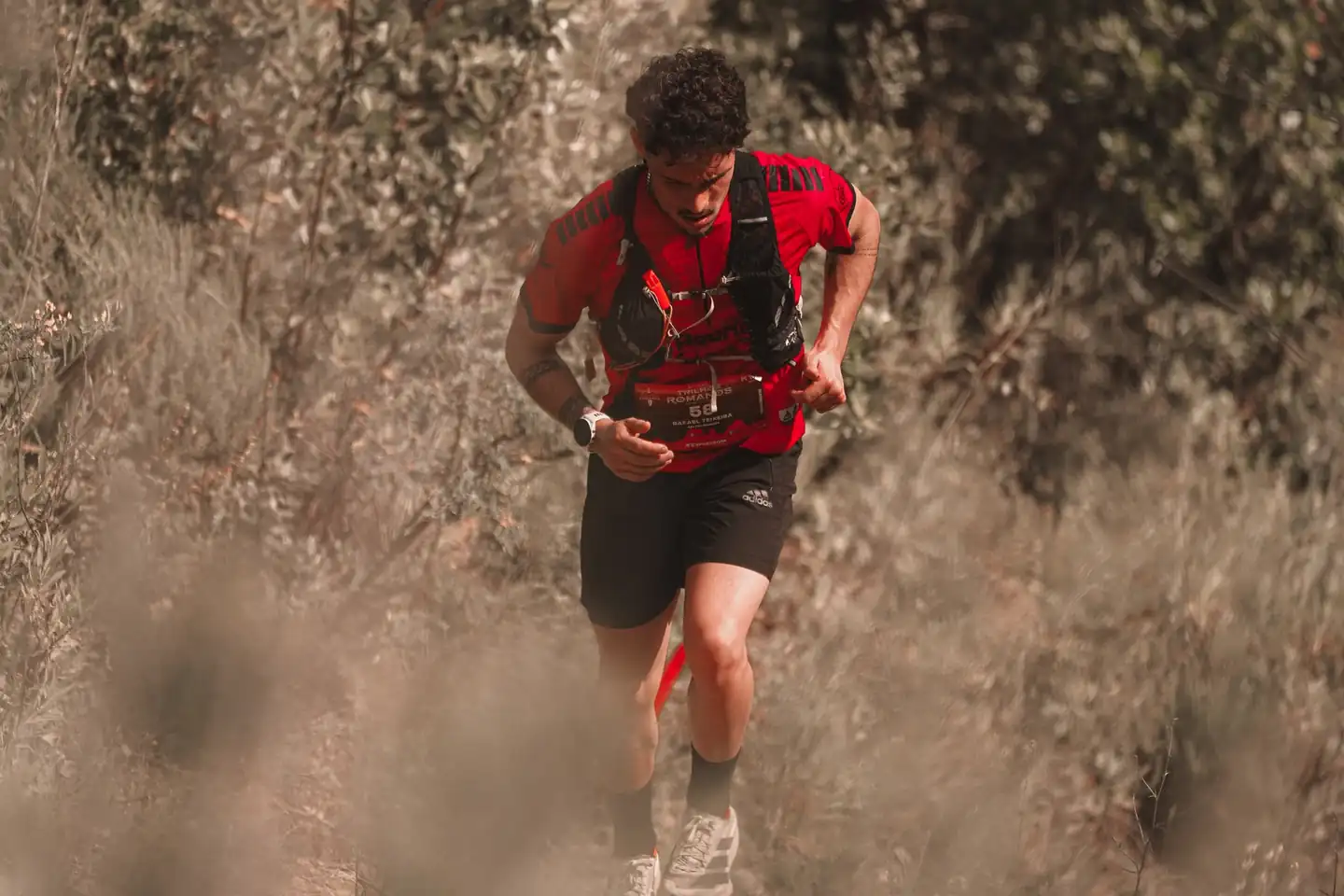
In the mountains, a good short is no small detail. It’s the difference between running freely or spending kilometers readjusting the waistband, watching for chafing on the thighs, or fighting with a poorly designed pocket. For the runner who moves through trails, broken tracks, and constant elevation changes, the right garment has to combine lightness, stability, and durability without getting in the way with every stride.
The best-rated models on the market make one thing clear: users aren’t just comparing brands, they’re comparing sensations too. They’re looking for quick drying, breathable fabric, clean seams, good support, and solutions for carrying keys, gels, or a phone without everything bouncing around as if it were loose in a small backpack. In that context, choosing well matters just as much as proper running shoes or a well-fitted hydration pack.
What a garment for mountain running really needs to offer
The number one priority is comfort in motion. In trail running, the body changes pace, opens up its stride on descents, and shortens it in technical sections. That’s why it’s worth choosing a piece that doesn’t squeeze too much or sit too loose. The fit should be firm, but not rigid, and the waistband has to stay in place when the runner sweats or carries bars, a phone, or a small windbreaker.
The material also makes a difference. In the reference catalogs, polyester, elastane, and technical blends appear again and again, because they manage moisture better than cotton and dry quickly when the terrain, the heat, or a light rain make the outing more complicated. That ability to wick away sweat reduces the feeling of heaviness and helps prevent chafing, something especially useful on long routes or during repeated training sessions throughout the week.
Ventilation and chafing control are two decisive filters. Versions with mesh panels, side openings, or longer inner liners are designed precisely for that: to move air and protect the critical area between the thigh and the groin. When the run goes beyond an hour, every poorly placed seam becomes a small stone in your shoe. And in the mountains, where the terrain already demands plenty, adding discomfort from clothing is usually an expensive mistake.
Why 2-in-1 models keep gaining ground
The 2-in-1 formula dominates a large part of today’s catalog. It’s a lightweight outer short with an inner mesh, usually with light or medium compression. That design stabilizes the muscles more, reduces bounce, and provides coverage without needing an extra layer. It doesn’t work miracles, but it does make the runner’s experience much more manageable on medium- and high-intensity outings.
The inner mesh also adds security when technique falls apart on descents or when jumping over small stones and roots. In addition, some models include zippered back pockets, side compartments, or mesh panels that let you carry the basics without needing a separate belt. In market analysis, solutions designed for real use keep showing up, not for the photo: a small pocket for keys, another for gels, and in some cases enough space for a compact phone.
Not every runner needs the same kind of support. Those who head out for easy runs on wide tracks usually prioritize freedom and freshness. Those tackling technical sections, hilly races, or long runs appreciate more stability and support. That’s why models with integrated mesh have grown so much: they answer a specific demand, from people who want to run light but aren’t willing to give up a minimum of structure.
Fabrics, seams, and waistband: where comfort is won or lost
A technical short is recognized by the details you don’t always see at first glance. Flat seams reduce chafing, ultralight fabrics avoid that leaden feeling when sweat starts to build up, and an elastic waistband with a drawcord makes the difference between a reliable fit and a garment that slowly starts sliding down. On a practical level, construction matters just as much as the outer design.
Mid- and high-range models usually include quick-drying fabrics and treatments that improve breathability. In specialized brands, you’ll also find proprietary technologies aimed at dissipating sweat or reducing friction. Lurbel, for example, has made thermal management and protection against bacteria a very present argument in its technical range; other brands, such as Gore Wear or adidas Terrex, go for more athletic patterns and fabrics tuned for continuous mountain running.
The waistband deserves as much attention as the fabric. If it’s too loose, the garment bounces. If it’s too tight, it ruins your breathing and your sense of freedom. The sweet spot is usually a wide band, a simple drawcord, and a construction that distributes pressure well. On long routes, that calm around the lower back matters more than any visible embellishment. Good technical clothing, in the end, is noticed because it disappears.
What price is reasonable depending on how much you use it
The market shows a fairly clear range. The most affordable and functional models sit around 10 to 20 euros, with options like some general-purpose sporty garments or basic shorts with a pocket and quick-drying fabric. In that bracket, there are plenty of very competitive options for everyday training without major technical demands, although durability and refinement are usually modest.
In an intermediate range, between 20 and 35 euros, many of the most balanced options already appear. This is where very common references in searches and comparisons are found, with better finishes, more secure pockets, and more refined fabrics. It’s the territory where models like Joma, TCA, Under Armour, or Nike in specific versions often fit, along with several well-resolved 2-in-1 designs. For most amateur runners, this range offers the best balance between cost and performance.
Above 35 or 40 euros, you get into the more specialized pieces or brands with greater technical weight. Joma Trail Short, GORE WEAR, The North Face, adidas Terrex, or some offerings from Compressport and Lurbel show that the price rises when construction, lightness, or specialization rise too. Paying more doesn’t always mean running better, but it usually does mean better finishing, a more refined feel, and greater attention to the experience on the trail.
Which practical details change the outing in the mountains
Pockets matter more than they seem. On the road, a key or a phone may be enough, but in the mountains, weight distribution and quick access are essential. A zippered back pocket reduces the risk of losing things, while mesh side pockets are useful for carrying gels or small wrappers more comfortably. The problem usually isn’t a lack of space, but too much bounce when everything is placed badly.
Length is worth checking too. Current catalogs show measurements ranging from 4 inches to 7 inches, and even longer combinations in specific designs. That reference isn’t decorative: it defines how much of the leg is covered and how much air gets into the stride. Those who prefer freshness go for shorter cuts; those looking for less exposure or more coverage usually feel safer with something longer. It’s not an aesthetic issue, but one of sensations with every step.
Visibility adds points when the route starts or ends in low light. Reflective elements keep appearing in many garments, especially in models aimed at daily training. On forest paths or tracks shared with occasional traffic, that small silver strip can be just as useful as a well-closed pocket. It doesn’t change running technique, but it does add a margin of safety that’s worth appreciating.
Models and brands that show what the market looks like
The most frequent searches paint a pretty revealing picture. Joma appears strongly in multiple variants, from affordable and lightweight options to more technical versions like Trail Short, R-Combi, or Olímpia. That constant presence is no accident: the Spanish brand has managed to move between contained prices, wide distribution, and designs aimed at different runner profiles.
At the more technical end, names like Raidlight, Compressport, Lurbel, or GORE WEAR stand out. Their strong point is usually lightness, mountain-specific construction, and very fine-tuned ergonomics. Nike and adidas Terrex, meanwhile, bring the muscle of big brands with lines aimed at trail and mixed training. In these cases, the runner is also paying for accumulated experience and for a certain consistency in sizing and finishes.
Among the most popular options online, there are also 2-in-1 models with thousands of reviews, such as those from TCA, Lixada, HMIYA, or Smatstyle. Their success is easy to understand: contained prices, enough features, and a proposal that covers general use very well. They’re not lab-made pieces, but they do solve the day-to-day needs of people who alternate between mountains, the gym, and short weekday runs very well.
How to tell a reliable garment from an impulse buy
The temptation to buy based on price alone is still strong. However, in trail running that decision usually doesn’t last long. A garment that’s too cheap may have decent fabric but a poor waistband, a useless pocket, or an inner mesh that chafes from the very first use. On the first outing, you can already tell whether the design works or just looks convincing on the product page.
It’s worth paying attention to three simple signs: the quality of the seams, the stability of the waistband, and the logic of the pockets. If the garment keeps its shape when loaded, the fabric doesn’t feel heavy with sweat, and the compartments don’t get in the way while running, there’s a good chance it will work for many seasons. It also helps to check reviews from users with a similar kind of use, because someone who goes out once a month doesn’t judge the same way as someone training several times a week.
Another useful aspect is the intended use. For short summer workouts, a simple, airy model may be enough. For long runs, races with sparse aid stations, or training in the mountains with elevation gain, it’s better to look at something more technical, with a better fit and more carrying capacity. The right garment isn’t the most expensive or the flashiest one; it’s the one that disappears while you run and lets the body do its job.
Why trail running calls for a different logic than road running
The mountains change the rules of the game. On the road, pace is usually more stable and the movement more repetitive. On trails, by contrast, there are braking moments, uneven foot placements, changes in incline, and constant contact with branches, dust, or moisture. That variety punishes clothing in a way flat ground doesn’t. A short designed for the city or the track can fall short in durability or support.
That’s why, in mountain clothing, the key word isn’t just lightness. Resistance to abrasion, adaptability to movement, and the ability to dry quickly when sweat or light rain change the scene also matter. A good technical trail garment should feel agile, but also sturdy in the areas that suffer most: the groin, the sides, and the waistband.
In the end, the right garment works like a well-behaved second skin: it accompanies, it doesn’t interrupt. It lets you jump a root, bend a knee, climb a fire road, or lengthen a descent without thinking about it. And that lack of noise, in sport, is usually the best compliment.
The purchase that holds up over kilometers doesn’t show itself in the first minute, but in the tenth workout
The difference between a decent short and a truly useful one appears with repeated use. The first may seem enough in the store; the second earns its place once sweat has appeared, the terrain changes, and the body starts looking for efficiency. That’s when the seam, the waistband, the pocket, and the feel of the fabric matter just as much as the visual design.
That’s why the market has ended up rewarding garments that solve real problems. Options with inner mesh, quick drying, closed pockets, and good ventilation don’t dominate by chance. They respond to a very specific demand: running light without going unprotected, moving through the mountains freely, and accepting that every detail, however small it may seem, ends up adding to or taking away from the final experience.
Choosing well isn’t about chasing the perfect model, but about getting the one that best fits the way you run. Those who train in summer, cover technical trails, or spend a lot of time in motion will appreciate a more thoughtful construction. Those who only need a functional garment for occasional outings can stay in a mid-range option without losing much. In both cases, judgment matters more than the logo, and the mountains usually reward that quiet caution.
Este artículo contiene enlaces de afiliado: si compras a través de ellos, se genera una pequeña comisión sin coste adicional para ti. Más información.



How to prevent thigh chafing: causes and real solutions

Women’s running windbreakers: seven jackets and how to choose

Do more workouts get rid of soreness? A guide for runners

Jaén Half Marathon 2026: Record 3,800 Runners Registered

Men’s short running tights: how to choose the right pair

World Triathlon confirms data breach involving medical data

Izan Edo targets podium at Miyazaki World Cup

María Pérez ranks ninth in World Athletics’ 2026 top ten

Dos Santos, Duplantis and Sawe: World Athlete of the Year finalists

San Silvestre Vallecana 2026: 42,000 places, prices and start times

 Races3 months ago
Valencia Half Marathon 2027: date and registration

 Races3 months ago
Valencia Marathon 2026: entry, ballot and course

 Reviews and Comparisons4 months ago
Asics Gel-Roadmiles 3 for men: review and current price

 Reviews and Comparisons4 months ago
Asics Gel Sonoma 8 Gore-Tex: complete analysis for trail and rain

 Sneakers3 months ago
Saucony Endorphin Pro 4: full review and verdict

 News5 months ago
Strava API 2026: what changes for clubs, challenges and runner apps?

 Reviews and Comparisons5 months ago
Nike Alphafly 3: opinions, sensations, and real key points

 Reviews and Comparisons4 months ago
Under Armour running shoes review 2025-2026: models and key features

 Sports Equipment4 months ago
Shoe sizes in cm: a clear guide to getting the right fit for your footwear

 Sneakers3 months ago
Skechers GO RUN Consistent 2.0 analysis: comfort and limits

 News5 months ago
Valencia Marathon 2026 route: key tips to train and run better

 Sneakers4 months ago
Adidas Adizero Boston 13 for men: review and verdict