Sports Equipment
Waterproof trail shoes: key tips for choosing well
Mud, rain, and cold demand different footwear: this is how to understand what an waterproof membrane adds and when it’s worth it.

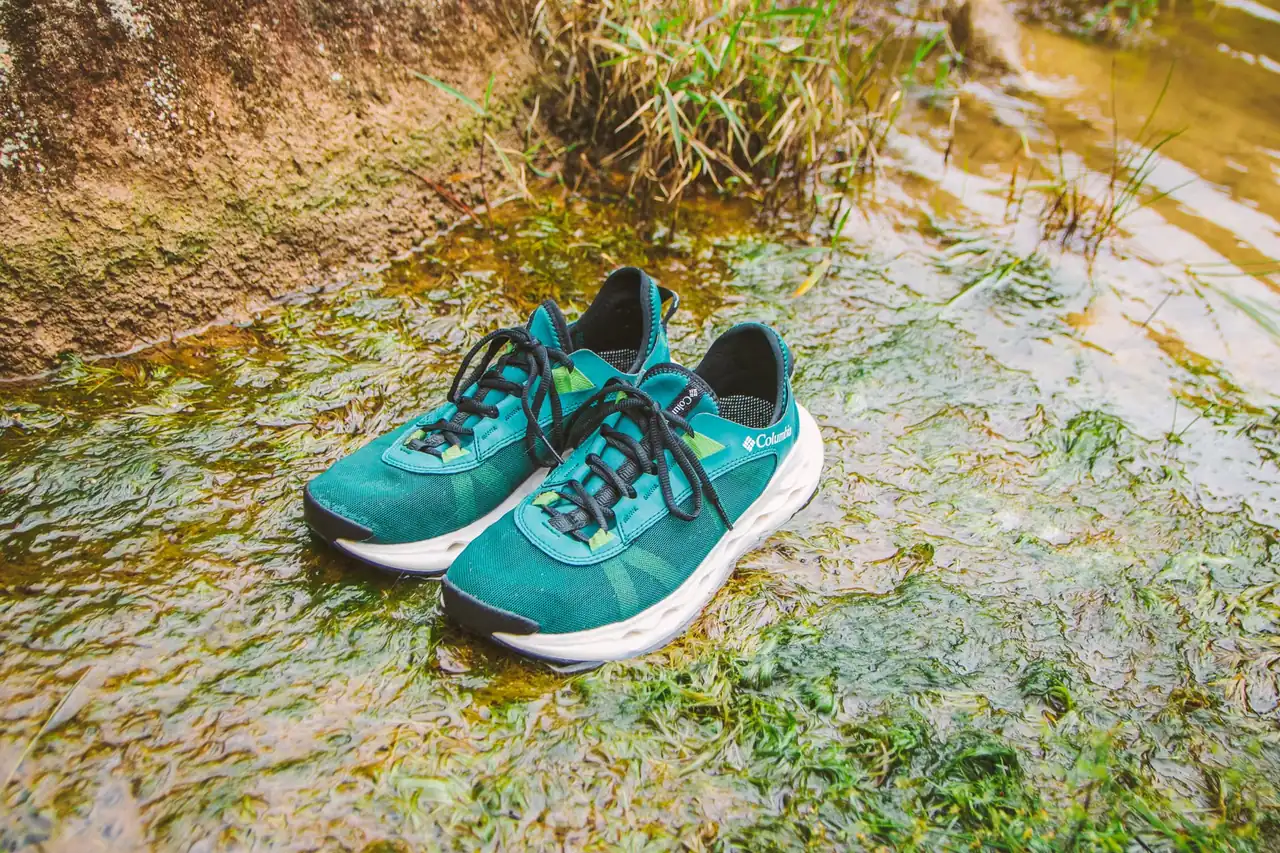
The waterproof membrane has gone from being a winter extra to a standard feature in many mountain models. In trail running, where the weather can change in minutes and the ground can go from dry to a mud bath around a bend, that layer adds a very specific form of protection: it keeps the foot better insulated against water, wind, and outside moisture.
Not all waterproof models are made for the same thing. Some are designed for easy runs on compact trails, others for technical terrain, and there are also models for runners who prioritize comfort, stability, or durability over speed. The key is not to choose based on price or brand, but to understand what that construction really provides and in which situations it stops being worthwhile.
What the waterproof membrane contributes in the mountains
GORE-TEX is a laminated membrane that is placed between the outside of the shoe and the inner lining to prevent water from entering, without turning the footwear into a rigid boot. Its function is not to create an airtight block, but to form a very thin barrier that helps protect the foot when it rains, mud splashes, or the terrain is covered with slushy snow and puddles.
That balance between protection and breathability explains its popularity. On a long mountain outing, keeping the foot dry reduces the feeling of cold and also the loss of comfort that appears when the outer fabric gets soaked. In winter, that difference is noticeable almost immediately: the foot stops being hit by damp wind and the runner maintains a more stable thermal sensation for longer.
The flip side is ventilation. Although the technology has improved a lot, a waterproof membrane always breathes a little less than an untreated mesh. That is why, on hot days or during very intense efforts, the inside can build up more heat and moisture. It is not a flaw, but a logical consequence of providing better protection from the outside. In trail running, as in so many things, every advantage comes with a trade-off.
When it pays off and when it is unnecessary
The decision changes with the environment. In areas with frequent rain, muddy tracks, cold trails, or early-morning outings for much of the year, waterproof footwear makes sense. Also on routes where streams, wet grass, or light snow are common. Those who train in the mountains during winter usually appreciate that extra insulation a lot, especially if they run slowly or do long sessions where the foot stays exposed for longer.
By contrast, during late spring and summer, a ventilated shoe often makes more sense. The foot sweats, the interior heats up, and moisture does not come in from outside, but stays inside. In that context, the benefit of protection from water loses value compared with a feeling of freshness that is essential for running comfortably. That is why it is not unusual for the same runner to use two pairs: one for wet months and another for dry, warm days.
The type of outing also matters. Someone competing over long distances on very variable terrain may prefer a waterproof option if they expect cold or prolonged rain. Someone doing short, intense, frequent workouts in dry areas may get more out of a breathable model. The shoe does not run on its own; it responds to the landscape, the schedule, and the pace at which the runner moves through it.
How to recognize a well-executed model
The membrane is only one part of the whole. A good waterproof model needs a stable upper, a lacing system that wraps the midfoot without squeezing, and a sole that maintains traction when the ground turns slippery. If any of those pieces is missing, water protection becomes a flashy but impractical display item.
There are several details worth looking at carefully in the technical sheet. The weight gives clues about the model’s philosophy: a lighter shoe usually favors quicker paces, while a more robust one usually prioritizes support and cushioning. The drop, which is the difference in height between heel and toe, influences the feeling of support, and the midsole height determines how much ground you feel underfoot. You do not need to become a technician; it is enough to understand that those numbers shape how the shoe behaves.
The outsole deserves as much attention as the membrane. In trail running, grip is the line between running smoothly and having to tense up on every step. A more aggressive lug pattern usually works better in mud and soft ground; a more restrained pattern usually performs better on compact tracks and mixed terrain. When a waterproof shoe combines a good fit, reasonable cushioning, and a reliable outsole, it stops being just a shelter from the rain and becomes a complete tool.
Models that usually suit different profiles
There are families of waterproof shoes aimed at very different profiles. At one end are the more versatile models, designed to train comfortably and handle the mountains without major surprises. At the other end are the more technical ones, which seek precision underfoot, protection from rocks, and firmer behavior when the terrain demands constant attention. Choosing well depends on that: not on the model’s fame, but on the relationship between the foot, the route, and the intensity.
Among the best-known options, models with generous cushioning often stand out, such as those that prioritize long outings and lots of stability on varied terrain. There are also simpler, more affordable offerings, designed for getting started in trail running without investing too much, though with solid enough performance for occasional outings. And then there are shoes that feel like a hybrid between road and mountain, useful for runners who link paths, tracks, and trails without venturing into overly aggressive zones.
The most complete models usually share three traits: a well-structured upper, a midsole that does not punish you on long runs, and a sole capable of holding on in wet conditions. When the whole setup is balanced, the runner gains confidence. In the mountains, that detail is worth almost as much as cushioning: a secure foot plants better, brakes less, and moves forward with less doubt.
In reference tests and brand catalogs from companies like Hoka, New Balance, Asics, Salomon, or Merrell, the waterproof version usually follows the same logic: a known base model with a membrane added to broaden its range of use. That is how variants of popular models such as Speedgoat, Hierro, Trabuco, XA, or Morphlite appear, each with its own nuance. Some seek comfort for long runs; others, grip and response on harder terrain; others, simply a bit of protection without driving up the price.
What changes in practice when running in rain and mud
The feeling of keeping your foot dry is not just a matter of comfort. It also changes the way the runner steps and moves. When the inside is cold or soaked, the stride tends to stiffen, and the body compensates by tensing more than necessary. By contrast, with proper protection, movement usually stays looser, especially during long workouts or brisk mountain hikes.
In mud, however, expectations need to be lowered. No membrane replaces a good outsole or turns a clay track into a carpet. If the lugs do not clear mud well, grip drops. If the upper does not hold the foot in place, it slides around inside. That is why a quality waterproof shoe is judged not only by its ability to stay dry, but by how it performs as a whole in ugly conditions, which is where marketing and real usefulness part ways.
Drying time is also worth thinking about. A waterproof shoe may take longer to dry after a very wet outing, especially if water has gotten in through the collar or from prolonged immersion. That does not make it invalid, but it does require more care in the weekly routine. In back-to-back training sessions, that detail matters much more than it seems on paper.
Price, range, and value for money
The market has moved toward a very broad offering, with models ranging from entry-level to fairly high-end. In recent sector references, there are waterproof shoes around the 80 or 90 euro mark on sale and others that easily exceed 150 euros at recommended retail price. The difference is not only in the membrane, but in the overall quality of materials, outsole, foam, and finishing.
A cheaper option may be enough for someone who runs occasionally, goes out on forgiving terrain, and mainly wants to keep their feet protected when the weather turns bad. By contrast, for someone who logs mountain kilometers almost every week, investing in a better-finished model usually pays for itself in comfort and durability. Trail shoes are subjected to abrasion, water, mud, rocks, and constant torsion; saving too much can end up being expensive in wear or lack of security.
Value for money is not measured by the price tag alone. It also depends on how long the midsole lasts, how much the outsole holds up, and how the upper ages. A shoe that maintains its performance for many months of real use is worth more than another that is a bit cheaper but deforms quickly or loses grip fast. In the mountains, short-term savings rarely pay off if support falls apart halfway through.
Common mistakes when buying in a hurry
The first is focusing only on waterproofing. The membrane seems to solve everything until the runner discovers that the fit is too tight, that the last is too narrow, or that the outsole does not perform well on the terrain they usually run on. The second mistake is assuming a pricey model will automatically be better. In trail running, there are mid-priced shoes with excellent performance for regular runs and others that cost more but only prove their worth in very specific contexts.
Another common error is ignoring the actual weather in the area where you run. Someone living in a dry environment does not need the same protection as someone training from November to March with persistent humidity and waterlogged paths. Likewise, running on forest tracks is not the same as moving over rock, roots, and mud. The terrain is in charge, and the shoe must respond to that changing landscape.
Nor should sizing be overlooked. The presence of a membrane, reinforcements, and inner booties can alter the fit sensation. A model that fits well in dry conditions may feel tighter with a thick technical sock or on long descents. Trying them on with the same logic you will use when training avoids very unromantic surprises: black toenails, rubbing, and that uncomfortable back-and-forth that ruins an hour-and-a-half outing.
The choice that really works on the mountain
The best waterproof shoes are not the most eye-catching ones, but the ones that fit real, repeated use. In the mountains, usefulness beats the showroom. A good option should protect without suffocating, hold without being uncomfortable, and offer enough grip so that rain does not turn every step into a small negotiation with the ground.
Anyone training in the cold season, doing long routes, or heading out often in uncertain weather finds a very clear ally in this category. Anyone competing in summer, running fast, and barely stepping onto wet areas may prefer a lighter, more ventilated mesh. Both choices are valid; the important thing is not to ask one shoe to do the work of two whole seasons.
Trail running is full of small decisions that can change an entire day. A well-chosen membrane can be the difference between finishing with numb feet or arriving with the feeling of having run inside a bubble of reasonable comfort. It is not magic, and it is not total armor. It is a very useful tool when mud, rain, and cold stop being a minor issue and become part of the route.



How to prevent thigh chafing: causes and real solutions

Women’s running windbreakers: seven jackets and how to choose

Do more workouts get rid of soreness? A guide for runners

Jaén Half Marathon 2026: Record 3,800 Runners Registered

Men’s short running tights: how to choose the right pair

World Triathlon confirms data breach involving medical data

Izan Edo targets podium at Miyazaki World Cup

María Pérez ranks ninth in World Athletics’ 2026 top ten

Dos Santos, Duplantis and Sawe: World Athlete of the Year finalists

San Silvestre Vallecana 2026: 42,000 places, prices and start times

 Races3 months ago
Valencia Half Marathon 2027: date and registration

 Races3 months ago
Valencia Marathon 2026: entry, ballot and course

 Reviews and Comparisons4 months ago
Asics Gel-Roadmiles 3 for men: review and current price

 Reviews and Comparisons4 months ago
Asics Gel Sonoma 8 Gore-Tex: complete analysis for trail and rain

 Sneakers3 months ago
Saucony Endorphin Pro 4: full review and verdict

 News5 months ago
Strava API 2026: what changes for clubs, challenges and runner apps?

 Reviews and Comparisons5 months ago
Nike Alphafly 3: opinions, sensations, and real key points

 Reviews and Comparisons4 months ago
Under Armour running shoes review 2025-2026: models and key features

 Sports Equipment4 months ago
Shoe sizes in cm: a clear guide to getting the right fit for your footwear

 Sneakers3 months ago
Skechers GO RUN Consistent 2.0 analysis: comfort and limits

 News5 months ago
Valencia Marathon 2026 route: key tips to train and run better

 Sneakers4 months ago
Adidas Adizero Boston 13 for men: review and verdict