News
100 km races in Spain 2025: schedule and key points
The most demanding ultra-distance events of the year, with venues, formats, and key information to help you orient yourself.

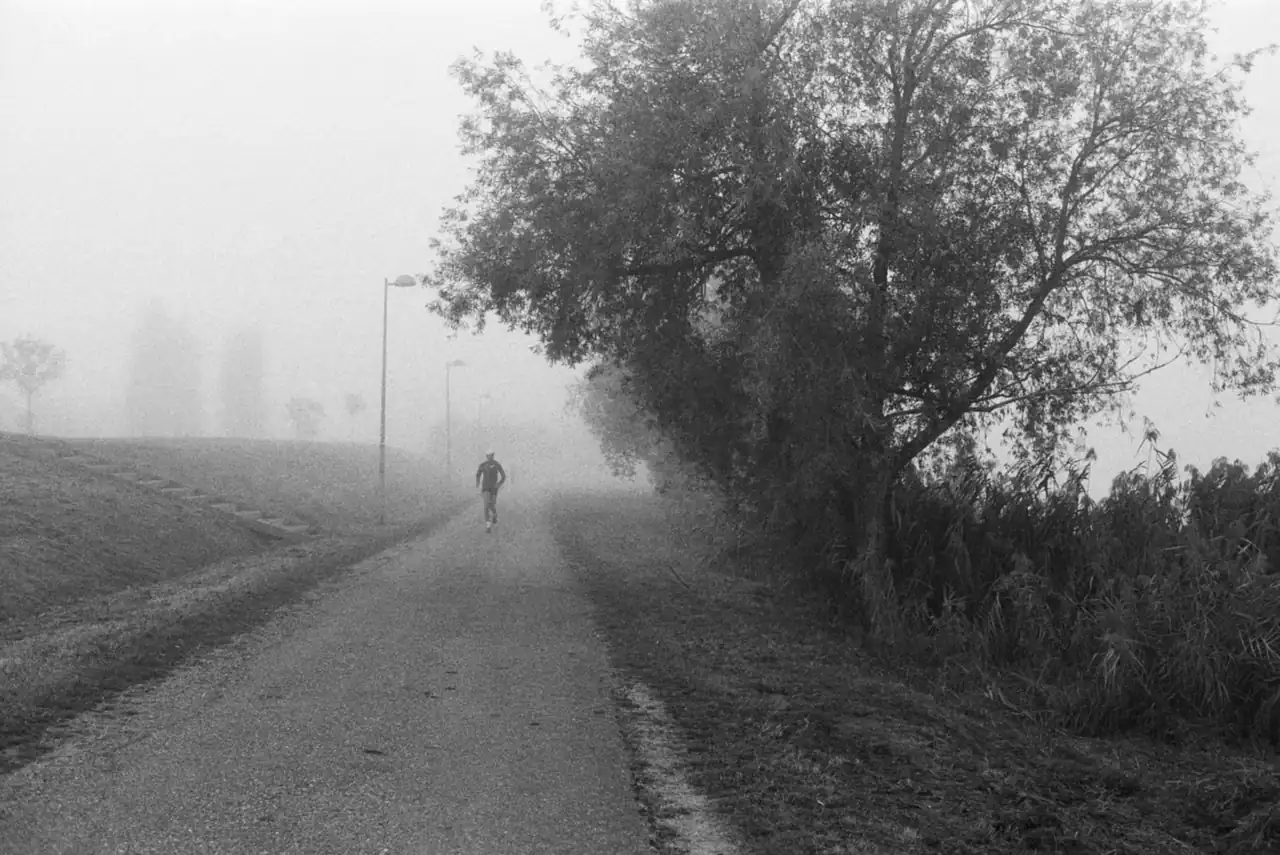
100 km races in Spain have ceased to be a rarity and have become a showcase for national ultrarunning. In 2025, the calendar brings together events with history, others with a more accessible profile, and some that continue to defend the classic spirit of long-distance racing: generous time limits, changing terrain, sleepless nights, and a very different relationship with effort. These are not events for chasing a fast time, but for testing endurance, mental strength, and the ability to manage fatigue over hours.
The Spanish map of the hundred-kilometer distance combines road, mountain, and mixed courses, with emblematic races in Santander, Mérida, or the Valencian Community that have nurtured the ultrarunning culture for decades. The interest in 2025 is not only about who wins, but also about how each race is organized, what kind of runner it attracts, and what room it offers for a debut or for returning to a distance that does not forgive mistakes.
A calendar that mixes tradition, toughness, and entry points into ultrarunning
Spain maintains a unique relationship with the 100 kilometers. The distance has established itself as a kind of symbolic frontier: on one side are popular 10K races, half marathons, and marathons; on the other, a long-distance experience in which the clock matters as much as the ability to survive the wear and tear. In 2025, many of the most visible events still draw on that long-day format, with early or nighttime starts, repeated aid stations, and sections where the runner faces themselves more than the course profile.
The appeal, however, is not identical in all of them. Some events are designed for competition and others for completion, with rules that prioritize finishing within a maximum time. That difference completely changes the experience. In some, the final placing and the clock matter just as in any championship; in others, the atmosphere is more open and the finish line functions almost like a shared ritual. For those approaching the distance for the first time, that distinction is decisive.
The case of Mérida remains illustrative. The historic Roman Miles, associated with the idea of covering 100 km in 24 hours, popularized a less aggressive model than other tough ultras. Its approach helped many people look at the ultradistance without the tension of a classic ranking. Santander, by contrast, represents the more competitive and veteran tradition of Spanish ultrarunning, with decades of history and enormous symbolic weight. Between those two extremes, much of the current calendar moves.
The events that set the pace of the 100K in Spain
The name that still resonates most in the distance is Santander. The 100 Kilometers Pedestres Ciudad de Santander are part of Spanish athletic memory because they were born when talking about ultramarathons seemed almost like an act of provocation. Their longevity explains why they continue to occupy a central place: it is not just a race, but a technical and cultural reference for understanding how ultrarunning has evolved in the country. The event has seen generations of long-distance runners take part and has served as a benchmark for national and international level.
The mark left by non-competitive or semi-competitive races also endures, offering another way to understand the distance. The 100 km of Mérida, with its loop structure and ultra-weekend atmosphere, embody that idea of shared effort in which the main goal is to finish within the allotted time. That model, more welcoming for first-timers and very recognizable in the Spanish scene, explains why many of the searches for 100 km still focus on Extremadura.
Beyond the specific events, 2025 keeps the interest alive in everything surrounding the ultradistance: rules, registrations, course profiles, race support, and logistics. A 100 km race is not chosen only for its name or prestige; also for the start time, the expected heat, the possibility of running at night, the accumulated elevation gain, and the presence of sections manageable for someone coming from the marathon or half marathon. The Spanish calendar continues to offer very different scenarios.
What sets a 100 km race apart from a long marathon
The jump from 42.195 km to 100 km is not a simple increase in distance. It is a different racing logic. In a marathon, the runner can maintain steadier paces; in ultrarunning, strategy breaks into blocks. Eating, drinking, walking on certain climbs, sleeping little or not at all, and enduring changes in temperature become part of the same effort. Average speed drops, but complexity rises significantly.
That is why many Spanish 100 km races are organized with generous cutoffs, often 24 hours, and with an approach that rewards consistency. Energy management matters more than the bravery of the first kilometers. Starting too fast is usually the quickest way to ruin an entire dawn. In contrast, experienced runners tend to move as if dividing the race into chapters: a restrained first half, a middle stretch of endurance, and a finish where the mind decides as much as the legs.
Terrain also changes the meaning of effort. A road 100K does not punish the body the same way as a mountain 100K, where elevation gain, downhill technique, and mud can multiply the strain. In Spain, both worlds coexist, and that diversity explains why interest in the distance is not limited to a single runner profile. Some seek times, some seek to finish, some chase rankings, and some want to test themselves in a day that seems never to end.
Santander, Mérida, and the value of races with history
Races with history survive not only because of nostalgia. They do so because they have managed to build their own identity, something that matters in ultrarunning almost as much as organization. Santander is an example of classic, prestigious competition; Mérida, of an accessible gateway and friendly atmosphere; and other events across the country have incorporated traits of both. In 2025, that legacy matters more than ever, because runners are looking for reliable references in a calendar where very different formats are proliferating.
History also provides technical context. In veteran events, the cutoff time, checkpoints, signage, and support network are usually finely tuned. A well-established 100K conveys safety, and that is noticeable both for elites and for those arriving at the distance for the first time. For an ultrarunner, knowing that the course has frequent aid stations, clear access points, and a well-located central base can completely change the mental experience of the race.
Recreational runners, moreover, increasingly value the atmosphere around the event. It is not just about running; it is about living alongside a community that accepts slowness, fatigue, and improvisation. Ultradistance has something of a nighttime station and a sea crossing: the landscape changes slowly, the body protests, and the mind learns to negotiate with discomfort. That mix explains why the 100 km continue to arouse so much curiosity in Spain.
Real preparation does not begin at the start line
A 100K is prepared over months, not weeks. Although the race may seem like a one-day feat, the work beforehand determines almost everything. Aerobic base, muscular endurance, and the ability to tolerate long hours of effort are built through consistency. Nutritional learning, adapting to running at night, and staying calm when the body starts asking questions in the middle of the race also matter.
At this distance, race-time nutrition becomes a tool of sports survival. Hydration is not enough: energy intake must be sustained for many hours, tolerances tested, and the stomach prevented from becoming a second rival. Anyone moving from the marathon to ultrarunning soon discovers that the aid station table weighs almost as much as the shoes. Drinks, gels, salty food, fruit, or broth can make the difference between moving forward or falling into a draining spiral.
Training paces also change. In the context of 100 km races in Spain, 2025 confirms an already established trend: less obsession with average pace and more attention to time on your feet. Long sessions, hill runs, fast-walking blocks, and nighttime workouts make sense because they reproduce real problems. The distance is not understood through pure speed, but through duration and accumulated fatigue.
Why interest in ultrarunning keeps growing
The rise of ultras responds to a mix of personal challenge and mature sports culture. Spanish runners are no longer looking only at the podium; they seek experiences with a story, events that demand more than pressing hard on the stopwatch, and formats where the final medal has behind it a reasonable story of self-improvement, not a weekend-hero fantasy. This evolution has helped 100 km races gain space over other, better-known formats.
Media figures also help make the distance more visible. The presence of popular athletes willing to take on the 100K has brought the event closer to a wider audience and has dispelled the idea that only a few selected people can finish it. When a highly visible runner takes on the ultradistance, the 100K enters a new conversation: it is no longer just an event for specialists, but also a challenge with sporting and media relevance. That boosts general interest and makes more people pay attention to Spanish venues.
But growth does not mean trivialization. The 100K remains an extreme test in terms of duration, wear, and mental demand. The distance retains its full toughness, even if there are more runners, more coverage, and more races on the calendar. In fact, the more interest grows, the more important it becomes to distinguish between races designed for pure competition and others focused on simply finishing. That distinction is central to the meaning of each event.
How to read the 2025 calendar without getting lost in the formats
The Spanish 100 km calendar is not interpreted the same way as the 10K or half-marathon calendar. Here, the event philosophy, surface type, and the way the organization handles the passage of the hours all matter. A flat course may seem more accessible, but heat and the repetition of aid stops are also draining. A mountain event, for its part, slows average speed and adds a mechanical strain that breaks legs and plans.
That is why, before focusing on the name, it is worth looking at the actual format. There are road, trail, mountain, and mixed 100Ks, and they are not as similar as the number might suggest. The same figure can hide races that are very different in terms of elevation, psychological difficulty, and logistics. A night start in Mérida is not experienced the same way as a compact day on an urban circuit or an itinerary with technical sections.
In 2025, that comparative reading helps explain why certain races continue to stand out. Santander brings tradition and competitiveness; Mérida, accessibility and atmosphere; other long-distance events in different parts of the country complete an ecosystem that keeps growing without losing its essence entirely. The hundred-kilometer distance in Spain is not a passing fad: it is a way of measuring sporting time by different rules, longer, tougher, and, for many, more memorable.
What each edition reveals about the state of Spanish running
Each 100 km race functions as an X-ray of national running. If registrations grow, there is interest; if competitive times appear, there is quality; if the atmosphere remains healthy and the organization responds, the distance retains its prestige. In that sense, 2025 is not just about a calendar, but about an ecosystem that combines tradition, renewal, and curiosity about long challenges. Ultras remain a proving ground for the running community.
They also reveal how much Spanish runners seek complete experiences. Finishing is no longer enough; it matters to finish in good shape, understand the course, choose the right race, and accept that the distance imposes a more honest relationship with effort. 100 km races are, in the end, a long conversation between body and mind. And in Spain, with its blend of athletic history, varied terrain, and increasingly polished organization, that conversation still has a very large audience.
That is why 100 km races in Spain in 2025 are still more than just a number on a calendar. They are a discipline with memory, a first-rate physical challenge, and a mirror of the maturity of Spanish running. In them coexist contained epic, patience, and the need to manage every resource. Those who approach this distance find a country with races capable of telling long stories, stories that do not end when the finish line is crossed, but much later.



How to prevent thigh chafing: causes and real solutions

Women’s running windbreakers: seven jackets and how to choose

Do more workouts get rid of soreness? A guide for runners

Jaén Half Marathon 2026: Record 3,800 Runners Registered

Men’s short running tights: how to choose the right pair

World Triathlon confirms data breach involving medical data

Izan Edo targets podium at Miyazaki World Cup

María Pérez ranks ninth in World Athletics’ 2026 top ten

Dos Santos, Duplantis and Sawe: World Athlete of the Year finalists

San Silvestre Vallecana 2026: 42,000 places, prices and start times

 Races3 months ago
Valencia Half Marathon 2027: date and registration

 Races3 months ago
Valencia Marathon 2026: entry, ballot and course

 Reviews and Comparisons4 months ago
Asics Gel-Roadmiles 3 for men: review and current price

 Reviews and Comparisons4 months ago
Asics Gel Sonoma 8 Gore-Tex: complete analysis for trail and rain

 Sneakers3 months ago
Saucony Endorphin Pro 4: full review and verdict

 News5 months ago
Strava API 2026: what changes for clubs, challenges and runner apps?

 Reviews and Comparisons5 months ago
Nike Alphafly 3: opinions, sensations, and real key points

 Reviews and Comparisons4 months ago
Under Armour running shoes review 2025-2026: models and key features

 Sports Equipment4 months ago
Shoe sizes in cm: a clear guide to getting the right fit for your footwear

 Sneakers3 months ago
Skechers GO RUN Consistent 2.0 analysis: comfort and limits

 News5 months ago
Valencia Marathon 2026 route: key tips to train and run better

 Sneakers4 months ago
Adidas Adizero Boston 13 for men: review and verdict