News
Base coat, rubber base, and colored base: differences that make a difference to the final result

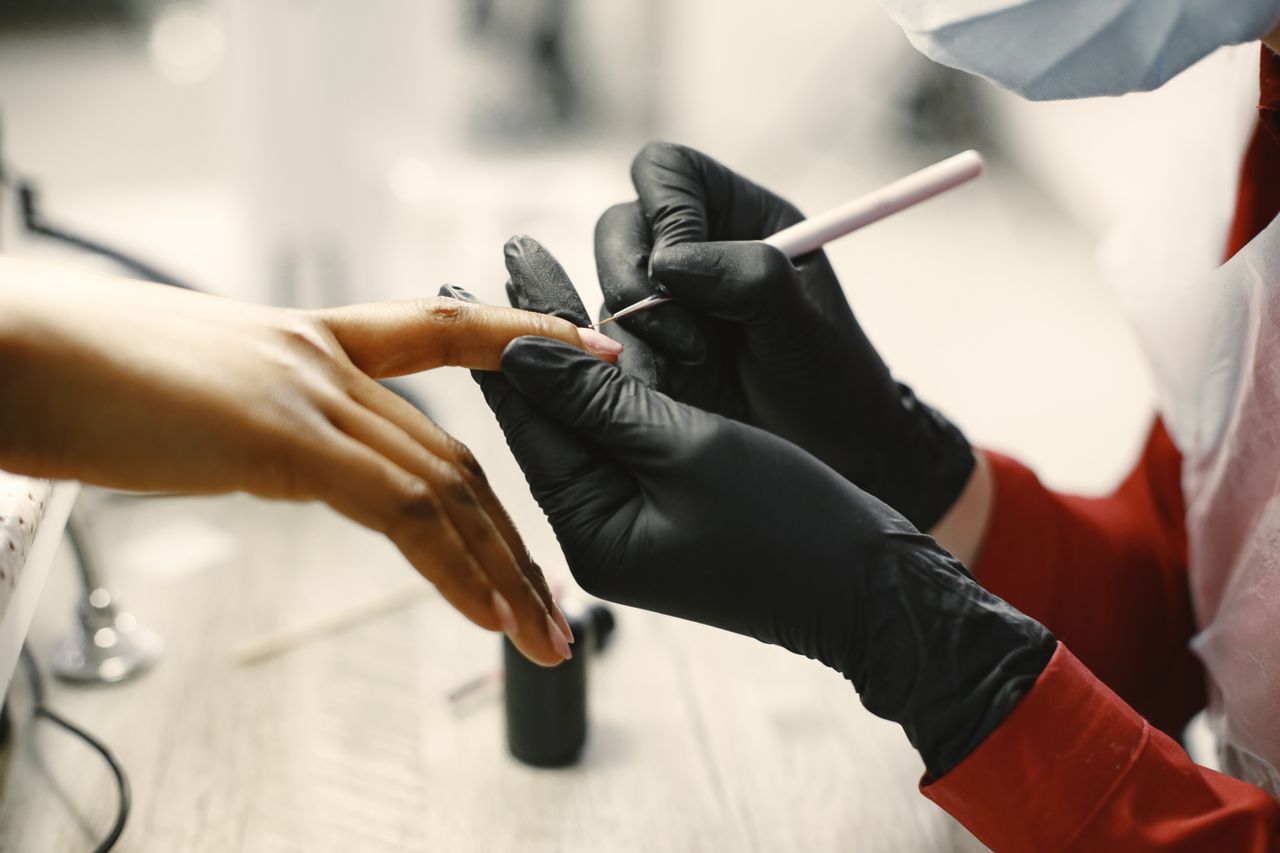
Anyone who has sat in front of a manicurist unsure about which product to use first knows that technical vocabulary can be more confusing than helpful. Base coat, rubber base and color base sound similar, but each one serves a different purpose, and confusing them is often the reason a manicure lifts prematurely.
What is base coat and what is it used for?
Base coat is the thinnest and most liquid of the three layers. Its purpose is to create an adhesion bridge between the natural nail and the rest of the product, as well as seal the surface so the keratin does not absorb pigment. It does not add volume: its work is almost invisible, but without it the polish comes off sooner.
Rubber base: the layer that fills and protects
Rubber base belongs to a different category. It is a semi-permanent base with a denser, almost rubbery texture, which allows it to fill in small imperfections in the nail plate, reinforce weak nails and provide a slightly elastic base that better absorbs the everyday knocks. Unlike classic base coat, it is cured under a UV or LED lamp and can be applied in one or two layers depending on the reinforcement the nail needs. It is the usual option when the natural nail is thin and brittle.
Color base: the step that determines the final shade
Color base, on the other hand, does not serve a structural purpose. It is a pigmented semi-permanent polish applied over the cured rubber base or base coat, and it is directly responsible for the final shade. It can be a solid color, a nude or a neutral base designed for nail art or a French manicure. This is where aesthetic choice comes in, while technique governs the previous layers.
Why the order matters so much
Skipping steps or switching the order is usually the most common cause of manicures that do not last. A rubber base applied as a color base ends up thick and opaque; a traditional base coat used for a builder application does not provide the same grip. Understanding the difference helps both those who work behind the counter and those who simply want a manicure that does not chip.
For those working in the industry, platforms such as chicaru.com bring together catalogs where you can compare the texture, coverage and curing time of each base before deciding which one is right for each nail.
The right combination, step by step
In a properly structured semi-permanent manicure, the logical order is: base coat or rubber base depending on the condition of the nail, curing, color base in one or two coats and final sealing. Each layer has its own lamp exposure time and recommended thickness, and respecting them is what separates a professional finish from one that fails after just a few days. Consulting updated guides, such as those available at www.chicaru.com, helps keep these details in mind before starting any manicure.
Knowing these differences is not a technical whim: it determines whether a manicure stays intact for three weeks or starts to fail on the first one. Base coat, rubber base and color base work together, but each has a role that should not be confused with the others.



How to prevent thigh chafing: causes and real solutions

Women’s running windbreakers: seven jackets and how to choose

Do more workouts get rid of soreness? A guide for runners

Jaén Half Marathon 2026: Record 3,800 Runners Registered

Men’s short running tights: how to choose the right pair

World Triathlon confirms data breach involving medical data

Izan Edo targets podium at Miyazaki World Cup

María Pérez ranks ninth in World Athletics’ 2026 top ten

Dos Santos, Duplantis and Sawe: World Athlete of the Year finalists

San Silvestre Vallecana 2026: 42,000 places, prices and start times

 Races3 months ago
Valencia Half Marathon 2027: date and registration

 Races3 months ago
Valencia Marathon 2026: entry, ballot and course

 Reviews and Comparisons4 months ago
Asics Gel-Roadmiles 3 for men: review and current price

 Reviews and Comparisons4 months ago
Asics Gel Sonoma 8 Gore-Tex: complete analysis for trail and rain

 Sneakers3 months ago
Saucony Endorphin Pro 4: full review and verdict

 News5 months ago
Strava API 2026: what changes for clubs, challenges and runner apps?

 Reviews and Comparisons5 months ago
Nike Alphafly 3: opinions, sensations, and real key points

 Reviews and Comparisons4 months ago
Under Armour running shoes review 2025-2026: models and key features

 Sports Equipment4 months ago
Shoe sizes in cm: a clear guide to getting the right fit for your footwear

 Sneakers3 months ago
Skechers GO RUN Consistent 2.0 analysis: comfort and limits

 News5 months ago
Valencia Marathon 2026 route: key tips to train and run better

 Sneakers4 months ago
Adidas Adizero Boston 13 for men: review and verdict