News
Beer after running: effects and alternatives
Beer after running is not harmless: it can affect hydration, sleep, and recovery. We tell you when it matters and what it’s best to drink.

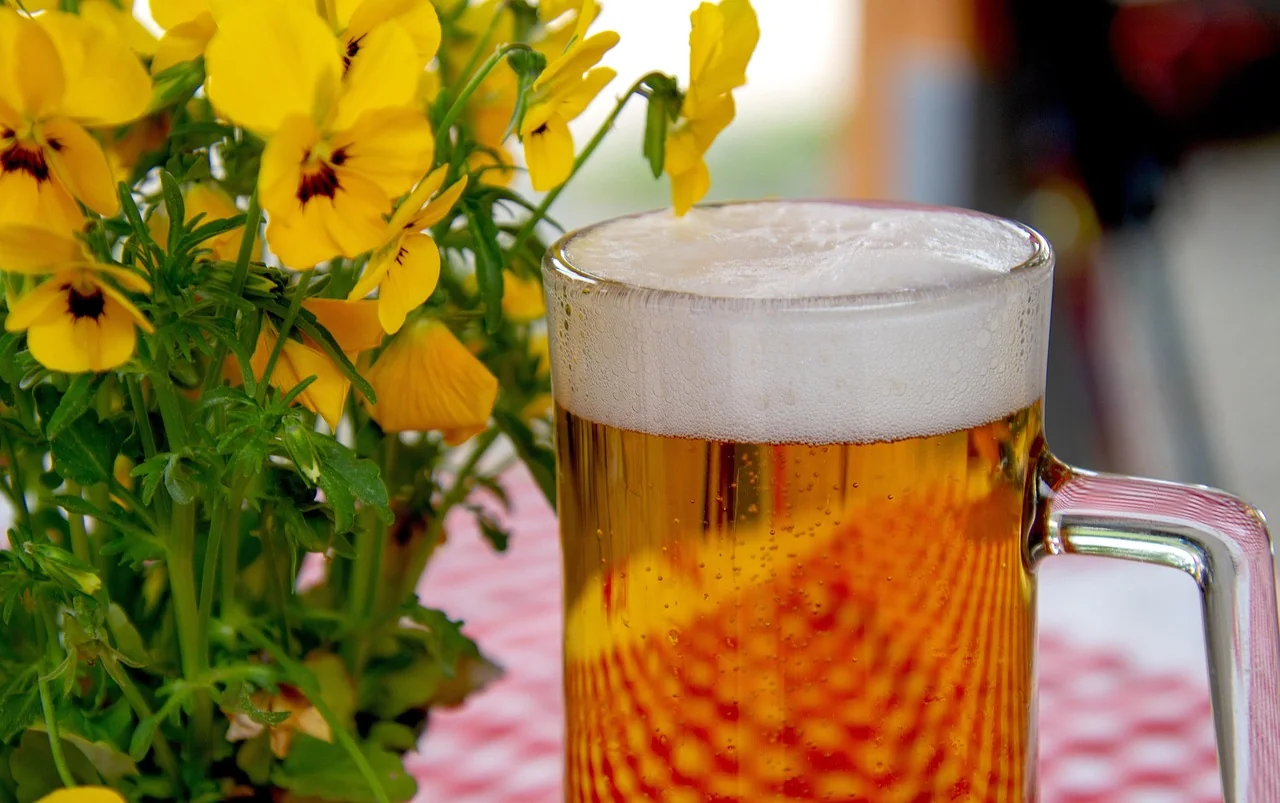
Beer after running is almost a ritual for many runners: a social reward, a way to close out the session, or simply part of the plan with the group. The problem is that this habit doesn’t always fit with what the body needs right after training. After running, the priority is not just to rest, but to rehydrate, replenish energy, and support muscle recovery.
That doesn’t mean that an occasional beer makes all your training bad, but it is worth understanding what it actually does in your body. When you know the effect of alcohol on hydration, sleep, and protein synthesis, you can make smarter decisions without falling into extremes. And that’s the key: it’s not about demonizing beer, but about placing it in the right context.
What happens in your body right after running
When you finish a race or an intense workout, your body is in a very particular state. You’ve lost fluids through sweat, used up muscle glycogen, and your cardiovascular system is still working at a high pace for several minutes. At that moment, the recovery window doesn’t demand perfection, but it does require prioritizing water, sodium, carbs, and some protein if the session has been demanding.
This is the point that is often overlooked: the body doesn’t just need to “drink something,” it needs to drink with intention. If you finish a long run, a speed session, or a race in the heat, starting recovery with alcohol doesn’t help restore what you’ve lost. On the contrary, it can interfere with fluid replacement and with the real feeling of having recovered.
In addition, after running there is often some neuromuscular fatigue and a temporary rise in physiological stress. If you introduce alcohol in that scenario, the body adds a factor that does not favor repair or quality rest. That’s why beer after running can be more of a social choice than a decision aimed at performance.
Beer composition and what it really provides
Beer is made up largely of water, but that doesn’t mean it behaves like a recovery drink. It also contains alcohol, a moderate amount of carbs, some minerals, and compounds from barley and hops. In theory, that mix can give the impression that it helps restore energy, but the important detail is the balance between its components.
Alcohol changes the practical usefulness of that contribution. Even though beer contains some carbohydrates, the presence of ethanol introduces a diuretic effect and a metabolic load that do not favor immediate recovery. In other words, it’s not enough for a drink to contain water or some minerals: the way the body processes it changes everything.
It’s also worth remembering that not all beers are the same. Alcohol-free versions reduce the problem quite a bit, although they are not always completely harmless, because some may contain traces of alcohol and their nutritional profile still isn’t ideal for recovering after serious effort. Even so, between a beer with alcohol and one without, the second is usually the more prudent option if you want to keep the social gesture without compromising recovery as much.
Does beer make you gain weight, or is the problem something else?
A common question around beer after running is whether it really makes you gain weight. The short answer is that it can contribute to excess calories if consumed often or in large amounts, but not for some magical reason. The body does not automatically turn a beer into fat; what happens is that it provides energy with low nutritional quality and, in many cases, makes worse food choices after training more likely.
The focus shouldn’t be only on calories, but on context. A hard session empties glycogen stores, increases the need for recovery, and if you replace an appropriate drink with beer right after finishing, you delay what your body really needs. In addition, alcohol can increase appetite and make it more likely that you’ll pair that beer with more calorie-dense snacks that are less interesting from a sports point of view.
If you train regularly, what influences body composition most is the sum of sustained habits. A one-off beer doesn’t ruin anything, but turning it into a habit after almost every run can interfere with weight control and the overall quality of your diet. That’s why the problem isn’t beer itself, but frequency, timing, and quantity.
Effects of beer after running on recovery
The main drawback of drinking beer after running is that alcohol does not work in favor of recovery. It has a diuretic effect, which can make rehydration worse right when you need it most. If you’re coming off a long run, a race in the heat, or a session where you sweated a lot, this downside matters more than it seems.
There is also an impact on sleep. Although alcohol can create an initial feeling of relaxation, it usually worsens sleep quality, fragments rest, and alters the most restorative phases. For a runner, sleeping well is not an extra: it is a central part of training. If sleep gets worse, so do adaptation to effort, tissue repair, and the perception of fatigue the next day.
Another relevant aspect is muscle protein synthesis. After running, especially if the load has been high or if you also do strength work, the body needs to repair tissue and adapt to the stimulus. Alcohol can interfere with that process, reducing recovery efficiency. It’s not a dramatic effect with a single moderate intake, but it does become more important when consumption is repeated or combined with very demanding sessions.
Real benefits and limits of beer in sport
Being honest also means recognizing that beer is not just a physiological enemy. It can provide a small amount of carbs and some compounds from malt that, in very general terms, have led some people to defend it as a post-exercise drink. In addition, from a social perspective, sharing a beer can improve adherence to sport, group cohesion, and the sense of enjoyment around running.
But those possible benefits do not make it a recovery drink. They are secondary, almost anecdotal advantages, compared with its real impact on hydration, rest, and metabolism. If you train to improve times, recover better, or simply feel fresher the next day, the functional value of beer is limited.
In other words, a beer may have a place in your sporting life for pleasure or social context, but it should not take the place of a nutritional strategy designed for recovery. That difference matters because habits that are compatible with sport are often confused with habits that are useful for performance, and they are not always the same thing.
Isotonic beer and alcohol-free beer: what is actually worth it
The idea of an isotonic beer sounds appealing because it mixes two concepts associated with sport: fluid replacement and enjoyment. However, marketing often gets ahead of physiology. For a drink to be truly useful in recovery, it must provide an adequate amount of sodium and carbohydrates, as well as make fluid absorption easier. Regular beer is not designed for that.
Alcohol-free versions reduce part of the problem, mainly because they eliminate or minimize the effect of ethanol. Even so, that doesn’t mean they are the best option for recovering after intense effort. They can be a reasonable social alternative when you want to join in without carrying the impact of alcohol, but they do not replace a good recovery drink or a well-planned meal.
If your goal is to take care of performance, the best takeaway is simple: the less alcohol, the better for recovery. And if you decide to have a beer after running, the alcohol-free one is usually preferable, especially on hot days, after long runs, or when you know you’re training again the next day.
What to drink to recover better after running
After a workout, the smartest thing is to start with water and, when the session has been long or very sweaty, with a drink that really helps replace what was lost. A good recovery strategy combines fluids, sodium, and carbohydrates to support rehydration and glycogen replenishment. If there has also been a high muscular load, adding protein in a later meal can make a difference.
Not all drinks do that job. A sugary soda may provide carbohydrates, but it doesn’t always have the right salt profile. A beer with alcohol hydrates worse than it seems and doesn’t solve recovery needs. That’s why it’s worth thinking of the drink as one more part of the process, not as an isolated gesture to “reward yourself” at the end.
The most useful approach is usually a phased one: first recover fluids, then eat normally and, if you feel like it, leave the social moment for later. That way you reduce the negative impact of beer after running without necessarily giving it up in a more favorable context. That small decision changes a lot when the workout is long, it’s hot, or you’re building up weekly load.
Beer after running and the type of workout
Not every workout demands the same response. After a light 30-minute jog, an occasional beer will have a smaller impact than after a half marathon, a long run, or a very demanding interval session. The difference lies in the degree of physical stress and how urgent it is to replace what was lost.
In strength work, gym sessions, or anaerobic training, alcohol doesn’t help either. It can interfere with muscle repair and adaptation to the stimulus, something especially undesirable when the goal is to gain strength or improve power. If you’ve also trained hard during the same week, adding alcohol repeatedly can weigh down accumulated recovery more than you think.
That’s why context matters. An occasional beer on a quiet day is not the same as a beer immediately after a demanding session. If you understand that difference, you can decide more clearly without falling into absolute bans or comfortable excuses.
Beer runners and the social culture of running
Running has a very social side, and that explains why beer appears so often linked to races and workouts. For many people, running is not just performance; it’s also community, celebration, and a shared habit. In that sense, the ritual of having a drink together after running serves a real purpose of connection and enjoyment.
The problem arises when the social gesture overshadows recovery. There’s no need to eliminate post-race meetups to take care of performance, but it is worth separating the social moment from the recovery moment. You can enjoy the group, toast, and celebrate without making beer the first step after crossing the finish line.
That is the most balanced position: making social life and sports judgment compatible. The runner who understands this doesn’t need to choose between being rigid or indulgent; they can organize better and decide when it makes sense to have a beer and when it’s better to leave it for later or swap it for a non-alcoholic option.
How to make smarter decisions without giving it up completely
If you like beer, there’s no need to dramatize it. What matters is learning to use it wisely. If you’ve just run and you’re still dehydrated, prioritize water and food. If the workout has been long or intense, wait a bit before drinking alcohol and consider alcohol-free alternatives if you want to keep the social ritual.
It also helps to pay attention to how you feel. Some runners tolerate a small occasional amount well, while others immediately notice worse sleep, more heaviness, or a feeling of incomplete recovery. Listening to your body is useful, but it doesn’t replace physiological judgment: alcohol is still alcohol, and its effect doesn’t disappear just because the context is sporting.
In short, beer after running can fit as an exception, but not as a strategy. If your priority is to perform better, recover sooner, and sleep deeply, the correct order is still clear: water, proper food, rest, and, if you feel like it, beer later and in moderation.
Recover better and decide with judgment in your next post-run moment
If you want to improve your recovery without giving up your social life, we help you find the balance. At RunningValencia we share content designed for runners who want to train better, take care of their health, and make smarter decisions after every outing.
Discover more practical guides on nutrition, hydration, and recovery habits for runners and learn how to adapt every detail to your goal. Training well also means recovering well, and that’s where the differences show up in the medium and long term.
Explore our content and take the next step toward running with more judgment, more energy, and better sensations in every session.



How to prevent thigh chafing: causes and real solutions

Women’s running windbreakers: seven jackets and how to choose

Do more workouts get rid of soreness? A guide for runners

Jaén Half Marathon 2026: Record 3,800 Runners Registered

Men’s short running tights: how to choose the right pair

World Triathlon confirms data breach involving medical data

Izan Edo targets podium at Miyazaki World Cup

María Pérez ranks ninth in World Athletics’ 2026 top ten

Dos Santos, Duplantis and Sawe: World Athlete of the Year finalists

San Silvestre Vallecana 2026: 42,000 places, prices and start times

 Races3 months ago
Valencia Half Marathon 2027: date and registration

 Races3 months ago
Valencia Marathon 2026: entry, ballot and course

 Reviews and Comparisons4 months ago
Asics Gel-Roadmiles 3 for men: review and current price

 Reviews and Comparisons4 months ago
Asics Gel Sonoma 8 Gore-Tex: complete analysis for trail and rain

 Sneakers3 months ago
Saucony Endorphin Pro 4: full review and verdict

 News5 months ago
Strava API 2026: what changes for clubs, challenges and runner apps?

 Reviews and Comparisons5 months ago
Nike Alphafly 3: opinions, sensations, and real key points

 Reviews and Comparisons4 months ago
Under Armour running shoes review 2025-2026: models and key features

 Sports Equipment4 months ago
Shoe sizes in cm: a clear guide to getting the right fit for your footwear

 Sneakers3 months ago
Skechers GO RUN Consistent 2.0 analysis: comfort and limits

 News5 months ago
Valencia Marathon 2026 route: key tips to train and run better

 Sneakers4 months ago
Adidas Adizero Boston 13 for men: review and verdict